
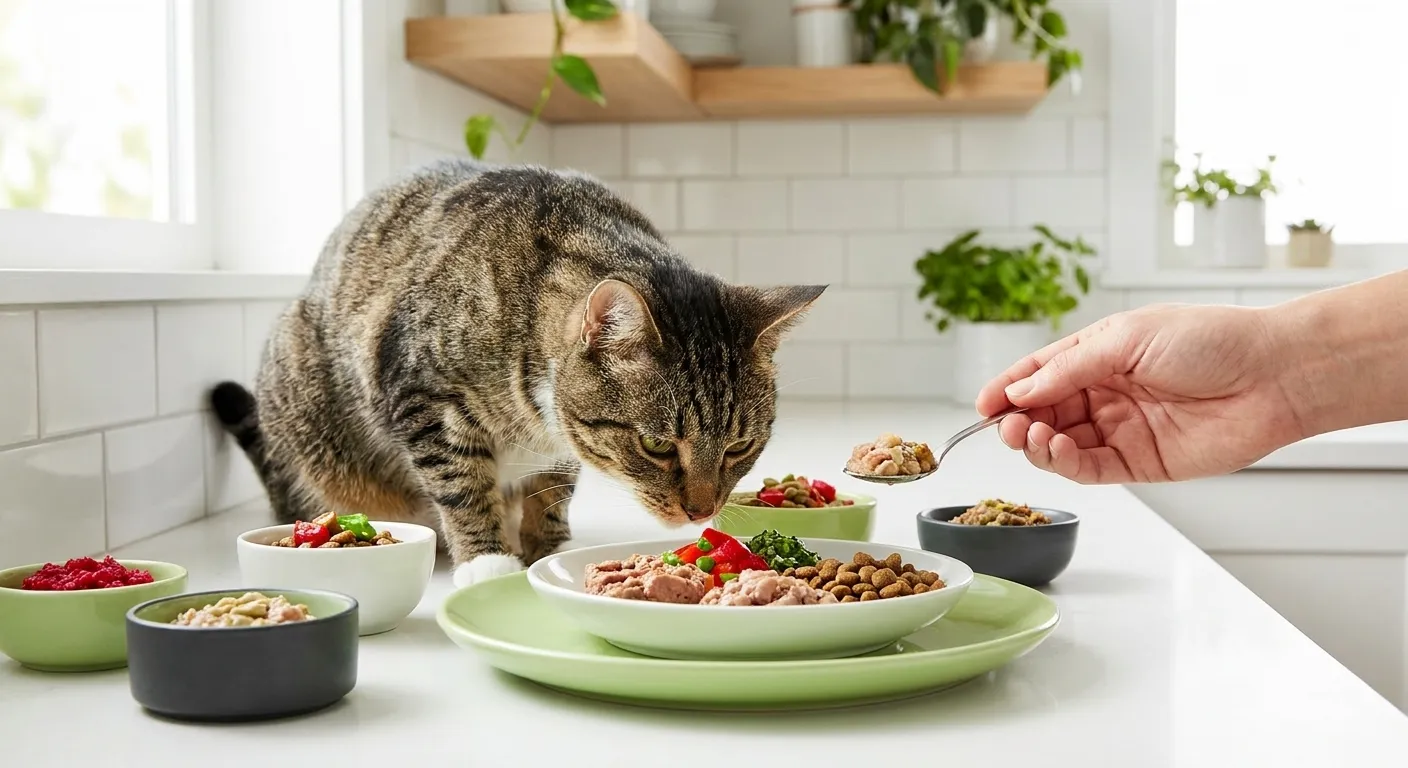
Is your cat turning up their nose at mealtime? Dealing with a picky eater can be incredibly frustrating for cat owners, especially when you’re concerned about their nutritional intake. Feline food aversion is a common issue, and understanding why your cat might be refusing food is the first step toward finding effective picky cat eating solutions. From sudden changes in diet to underlying health issues, several factors can contribute to a cat’s choosiness.
Identifying the Cause of Feline Food Aversion
Before implementing any solutions, it’s crucial to pinpoint why your cat has become a picky eater. A sudden aversion to food could indicate an underlying medical condition, such as dental pain, gastrointestinal upset, kidney disease, or other illnesses. A prompt veterinary check-up is always recommended to rule out health issues. Beyond medical reasons, environmental factors play a role: stress, a dirty food bowl, a new food flavor, or even the location of the food bowl can deter a cat. Some cats simply have strong preferences for texture, shape, or smell, developing habits early in life. Observing your cat’s behavior and recent changes in their environment or routine can provide valuable clues. For more details on health-related concerns, consider our guide on Cat Weight Health Conditions Explained.
Understanding Feline Dietary Preferences
Cats are creatures of habit, and their dietary preferences often form early in life. A kitten exposed to a wide variety of textures and flavors during its formative months is less likely to become a finicky eater as an adult. Conversely, a cat fed only one type of food may develop a strong aversion to anything new. It’s important to recognize that cats are obligate carnivores, meaning their diet must consist primarily of meat. Therefore, any food offered should align with their natural nutritional requirements. When considering food options, remember that the quality of ingredients can significantly impact palatability. Exploring options like Natural Vs Processed Cat Food for Cats can offer further insights.
Furthermore, the presentation of food matters. Cats have a highly developed sense of smell, and the aroma of their food plays a significant role in their acceptance. Food that is too cold, for instance, may have a muted scent, making it less appealing. On the other hand, slightly warming wet food can release its natural aromas, making it more enticing. This simple adjustment can often make a remarkable difference for a cat that is hesitant to eat. Similarly, the shape and size of kibble can influence a cat’s willingness to consume dry food. Some cats prefer smaller, easier-to-chew pieces, while others might favor larger, more substantial kibble.
Picky Cat Eating Solutions: Behavioral Strategies
Once health concerns are addressed, you can try various behavioral and dietary strategies. Firstly, ensure their food bowl is clean and in a quiet, safe location away from litter boxes and high-traffic areas. Cats appreciate a sense of security while eating. Experiment with different food textures (pâté, shredded, chunky) or protein sources to find what your cat prefers. Gradual transitions are key when introducing new foods; mix small amounts with their current food and slowly increase the new food’s proportion over several days. This method helps prevent gastrointestinal upset and allows your cat to adjust to new flavors and textures at their own pace.
Warming wet food slightly can enhance its aroma and palatability, as previously mentioned. Offering small, frequent meals rather than large, infrequent ones can also stimulate appetite. This approach mimics a cat’s natural hunting and eating patterns, encouraging them to eat more consistently throughout the day. Avoid free-feeding, as it can make cats less enthusiastic about meal times and can contribute to overeating or, conversely, pickiness if the food is always available. Instead, establish a consistent feeding schedule. For more guidance on meal frequency, refer to our How Much Should Cats Eat Daily Guide.
Implementing Effective Food Management for Fussy Felines
One of the most crucial aspects of addressing a picky eater is consistency. Resist the urge to constantly offer new foods every time your cat refuses; this can inadvertently reinforce picky behavior, teaching them that if they hold out, something better will come along. Stick to a schedule and offer food for a limited time (e.g., 20-30 minutes) before removing it until the next meal. This creates a sense of scarcity and encourages them to eat when food is available. If your cat consistently refuses a particular food, it may be worth trying a different brand or flavor, but do so systematically, not impulsively.
Consider the type of food bowl you are using. Some cats develop ‘whisker fatigue’ from bowls that are too deep or narrow, causing their sensitive whiskers to constantly brush against the sides. Opt for wide, shallow bowls made of ceramic or stainless steel, as plastic bowls can retain odors and harbor bacteria. Furthermore, ensure the food bowl is placed in a calm, low-stress environment. A busy hallway or proximity to a noisy appliance can deter a cat from eating. Providing a peaceful dining experience is a fundamental component of successful picky cat eating solutions.
The Role of Hydration and Environmental Enrichment
While often overlooked, hydration plays a significant role in a cat’s overall health and appetite. If your cat is not adequately hydrated, they may feel unwell and less inclined to eat. Ensure fresh water is always available in multiple locations throughout your home. Some cats prefer running water, so a pet fountain might be a worthwhile investment. For additional tips on ensuring your cat drinks enough, explore our article on Keep Your Cat Hydrated for Better Health. Proper hydration supports digestion and nutrient absorption, which are vital for maintaining a healthy appetite.
Environmental enrichment can also indirectly influence a cat’s eating habits. A bored or stressed cat may exhibit changes in appetite. Providing plenty of toys, scratching posts, and opportunities for play can reduce stress and promote a healthier, more balanced demeanor. Interactive play sessions before mealtime can stimulate a cat’s natural hunting instincts, potentially increasing their interest in food. Remember, a happy, stimulated cat is more likely to have a healthy appetite. These comprehensive picky cat eating solutions extend beyond just the food bowl.
When to Seek Professional Guidance for Picky Eaters
While many cases of picky eating can be resolved with behavioral and dietary adjustments, it’s crucial to know when to seek professional veterinary advice. If your cat exhibits sudden, drastic weight loss, lethargy, vomiting, diarrhea, or any other concerning symptoms alongside their food refusal, immediate veterinary attention is necessary. These could be signs of serious underlying health conditions that require prompt diagnosis and treatment. A veterinarian can conduct thorough examinations, including blood tests and dental checks, to rule out medical causes for food aversion.
For persistent picky eating that doesn’t respond to home strategies, a veterinary nutritionist can offer specialized guidance. They can help formulate a balanced diet tailored to your cat’s specific needs and preferences, ensuring they receive all essential nutrients. Sometimes, even with the best intentions, owners may inadvertently reinforce picky behavior or struggle to find a suitable food. A professional can provide objective advice and customized picky cat eating solutions. For more information on cat health, visit authoritative sources like the ASPCA’s cat nutrition tips.
Addressing Specific Dietary Sensitivities
Some cats may appear to be picky eaters, but in reality, they might be experiencing food sensitivities or allergies. These can manifest as gastrointestinal upset, skin issues, or a general reluctance to eat certain foods. If you suspect a food sensitivity, working with your veterinarian to conduct an elimination diet can be beneficial. This involves feeding a novel protein source or a hydrolyzed protein diet for a period to identify the offending ingredient. Once identified, avoiding that ingredient is key to resolving the issue. Our guide on Cat Food Sensitivities Diet Planning Guide provides further details on this topic.
Remember that transitioning to a new diet for sensitivities should always be done gradually and under veterinary supervision. Abrupt changes can exacerbate gastrointestinal issues. By carefully managing your cat’s diet, you can alleviate discomfort and encourage a healthier appetite, turning a seemingly picky eater into a happy, well-fed feline. These are indeed effective picky cat eating solutions for specific scenarios.
Long-Term Management of Feline Food Preferences
Managing a picky eater is often an ongoing process that requires patience and vigilance. Even after successfully encouraging your cat to eat consistently, it’s important to maintain the established routine and continue to monitor their eating habits. Keep an eye out for any subtle changes in their appetite or behavior, as these could be early indicators of a new problem. Regularly cleaning food bowls, providing fresh water, and maintaining a calm feeding environment are simple yet effective practices that contribute to long-term success.
Furthermore, avoid offering too many treats or table scraps, as these can fill your cat up and reduce their interest in their main meals. If treats are given, ensure they are appropriate for cats and offered in moderation. For insights on managing treats, see our Cat Treats and Weight Management Guide. By consistently applying these principles, you can help your feline friend maintain a healthy relationship with food throughout their life. This holistic approach ensures sustainable picky cat eating solutions.
In conclusion, addressing a picky eater requires patience and a systematic approach. By identifying potential causes, implementing practical strategies, and seeking professional help when necessary, you can help your feline friend enjoy their meals and maintain optimal health. Remember that every cat is an individual, and what works for one may not work for another. Persistence and careful observation are your best tools in finding the right picky cat eating solutions for your beloved companion. For more general information on cat health, consider resources like the Cornell Feline Health Center.
FAQ: Overcoming Feline Food Aversion
What causes a cat to suddenly become a finicky eater?
A sudden change in a cat’s eating habits often signals an underlying issue. Medical conditions like dental disease, kidney problems, or gastrointestinal upset are common culprits. Environmental factors such as stress, a new food, or a dirty bowl can also contribute. It’s always best to consult a veterinarian first to rule out any health concerns.
How can I encourage my cat to eat new foods?
Introduce new foods gradually. Start by mixing a very small amount of the new food with their current food, slowly increasing the proportion over several days or even weeks. Warming wet food slightly can enhance its appeal. Maintaining a consistent feeding schedule and limiting meal times can also help your cat adapt to new options.
Are there certain food textures or types that cats prefer?
Cats have individual preferences, but many enjoy wet food due to its higher moisture content and stronger aroma. Some prefer pâté, while others like shredded or chunky textures. Experimenting with different textures and protein sources can help you discover what your cat finds most palatable.
Should I free-feed a cat who is a reluctant eater?
Generally, free-feeding is not recommended for a cat with food aversion. It can make them less enthusiastic about meal times because food is always available. Instead, establish a consistent feeding schedule with limited meal times (e.g., 20-30 minutes per meal). This creates a sense of routine and encourages them to eat when food is offered.
When is it time to see a veterinarian for a cat not eating well?
If your cat shows a significant decrease in appetite, experiences weight loss, lethargy, vomiting, diarrhea, or any other concerning symptoms, seek veterinary attention immediately. These signs could indicate a serious health problem. For persistent choosiness that doesn’t respond to home strategies, a veterinary nutritionist can provide tailored advice.


