
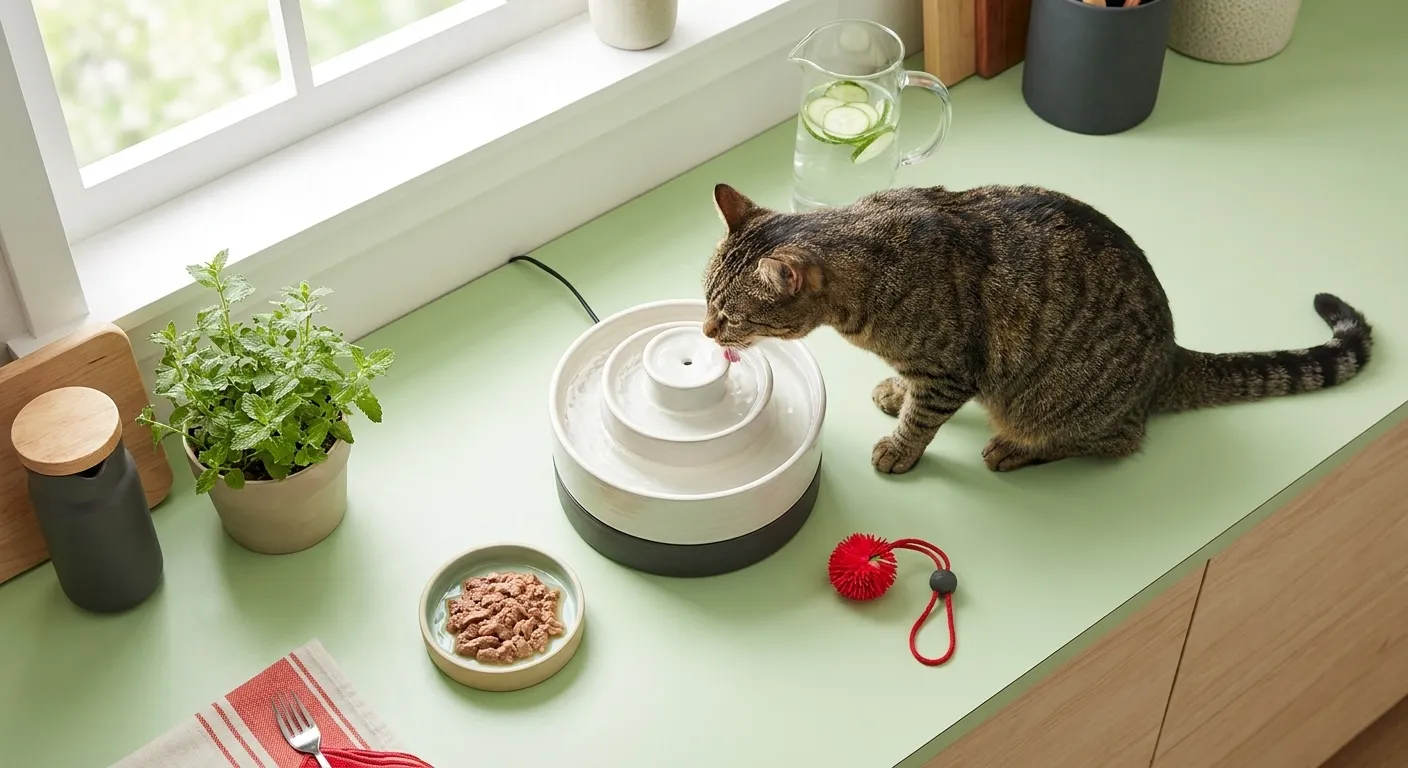
Ensuring your cat is properly hydrated is a fundamental aspect of their health, yet it’s often overlooked. Many cat owners are unaware that felines naturally have a low thirst drive, a trait inherited from their desert-dwelling ancestors who obtained most of their moisture from prey. This evolutionary adaptation means that domestic cats frequently don’t drink enough water, making diligent cat hydration tips crucial for preventing a range of health issues. At Cat Nutrition Guide, we delve into the science of feline hydration to empower you with effective strategies.
The Critical Role of Water in Feline Health
Water is involved in nearly every bodily function. For instance, it aids in nutrient transport and temperature regulation. It also facilitates waste elimination and supports organ function. For cats, adequate hydration is particularly vital for:
- Kidney Health: Chronic kidney disease is prevalent in older cats. Sufficient water intake helps flush toxins and reduces the burden on the kidneys.
- Urinary Tract Health: Proper hydration dilutes urine. This makes it less concentrated and reduces the risk of urinary crystals, stones, and infections.
- Digestion: Water aids in the movement of food through the digestive tract. Furthermore, it helps prevent constipation.
- Circulation: It maintains blood volume. Consequently, it ensures efficient delivery of oxygen and nutrients throughout the body.
Understanding Your Cat’s Low Thirst Drive
Unlike dogs or humans who readily drink from a bowl, cats often don’t feel thirsty until they are already mildly dehydrated. Therefore, relying solely on a water bowl might not be enough. Their natural diet of prey, which is about 70-80% water, provided ample moisture. Dry kibble, typically 5-10% water, simply cannot replicate this. This discrepancy highlights the need for proactive strategies to encourage water consumption.
Effective Cat Hydration Tips and Strategies
Here are evidence-based methods to encourage your cat to drink more water:
1. Prioritize Wet Food
Incorporating high-moisture wet food into your cat’s diet is arguably the most effective way to boost their overall water intake. Wet food can contain up to 80% water. This significantly contributes to their daily hydration needs. Consider feeding a diet composed primarily of wet food, or at least a substantial portion of it. For more detailed information on dietary choices, refer to our guide on Wet Vs Dry Food for Cat Weight Control. This simple change can make a significant difference in your cat’s health, particularly for those who are fussy eaters. If your cat is a picky eater, you might find additional strategies in our Picky Eating Cats Diet Guide.
2. Strategic Water Bowl Placement
Cats are particular about where they drink. Place multiple water bowls in various locations around your home. Keep them away from their food bowls and litter boxes. Cats often prefer to drink in quiet, safe areas. Ensure bowls are not in high-traffic zones that might startle them. For example, a bowl in a sunny spot might make the water warm and unappealing.
3. Choose the Right Bowl
Many cats dislike drinking from plastic bowls due to potential odors or tastes. Opt for wide, shallow ceramic, glass, or stainless steel bowls. These materials are easier to keep clean and less likely to impart unwanted flavors. Ensure the bowl is wide enough that your cat’s whiskers do not touch the sides while drinking. This is a common preference among felines. It makes drinking a more comfortable experience for them.
4. Explore Water Fountains
Many cats are attracted to running water. A pet water fountain can be an excellent investment. The movement and aeration of the water can entice them to drink more. Furthermore, fountains filter the water, keeping it fresh and appealing. Make sure to clean the fountain regularly to prevent slime and bacterial buildup. This ensures the water remains clean and safe for your pet.
5. Add Flavor to Water
Sometimes, a little enticement is all it takes. You can add a small amount of tuna juice (in water, not oil), low-sodium chicken broth, or a few drops of salmon oil to their water. This can make the water more appealing. Always ensure these additions are cat-safe and used sparingly to avoid overfeeding or nutritional imbalances. However, avoid milk, as most cats are lactose intolerant.
6. Keep Water Fresh and Clean
Cats are very sensitive to stale or dirty water. Change the water in their bowls at least once, preferably twice, daily. Wash the bowls thoroughly with soap and water every day. Residue from food or saliva can quickly make the water unappealing. Fresh water is always more inviting. Therefore, maintaining cleanliness is paramount for effective cat hydration tips.
7. Consider Filtered Water
Some cats are sensitive to the taste of tap water, which can contain chlorine or other chemicals. Offering filtered water might encourage them to drink more. Consider using a Brita filter or a similar water filtration system. This can improve the taste and quality of the water, making it more palatable for your feline companion.
8. Incorporate Ice Cubes
During warmer months, or simply as a novelty, adding a few ice cubes to your cat’s water bowl can pique their interest. The cold temperature might be refreshing. Moreover, the melting ice creates movement, which can be intriguing for some cats. You could even make ice cubes from tuna juice or broth for an extra treat.
9. Monitor Water Intake
Pay attention to how much your cat is drinking. Changes in water consumption can be an early indicator of underlying health issues. If you notice a significant increase or decrease in your cat’s drinking habits, consult your veterinarian. Keeping track of their habits is one of the most proactive cat hydration tips. This vigilance can help catch problems early.
10. Hydration for Specific Health Conditions
For cats with specific health conditions, such as kidney disease or urinary tract issues, hydration is even more critical. Your veterinarian might recommend specific dietary changes or even subcutaneous fluids in severe cases. Always follow your vet’s advice for managing these conditions. Proper hydration can significantly improve the quality of life for cats with chronic illnesses. For instance, sufficient water intake helps manage symptoms related to Cat Weight Health Conditions Explained.
11. Be Mindful of Environment
The environment plays a role in your cat’s hydration. A warm house, especially in summer, can increase your cat’s need for water. Ensure their drinking spots are in cool, shaded areas. Consider running a humidifier if your home air is very dry, as this can indirectly help with overall moisture. Furthermore, a calm environment contributes to a cat’s comfort, encouraging them to drink more freely.
12. The Importance of Regular Vet Check-ups
Routine veterinary visits are essential for monitoring your cat’s overall health, including their hydration status. Your vet can assess for signs of dehydration and provide personalized advice. They can also recommend specific strategies tailored to your cat’s age, breed, and health profile. Regular check-ups are a cornerstone of Improve Cat Health Naturally Starting Today.
Recognizing Signs of Dehydration in Cats
Knowing the signs of dehydration is crucial. Here are some indicators to watch for:
- Lethargy: A dehydrated cat may appear unusually tired or weak.
- Sunken Eyes: Their eyes might look sunken into their sockets.
- Dry Gums: Gums should be moist and pink. Dry or tacky gums are a sign of dehydration.
- Loss of Skin Elasticity: Gently pinch the skin between your cat’s shoulder blades. If it doesn’t snap back quickly, they may be dehydrated. This is also known as


