
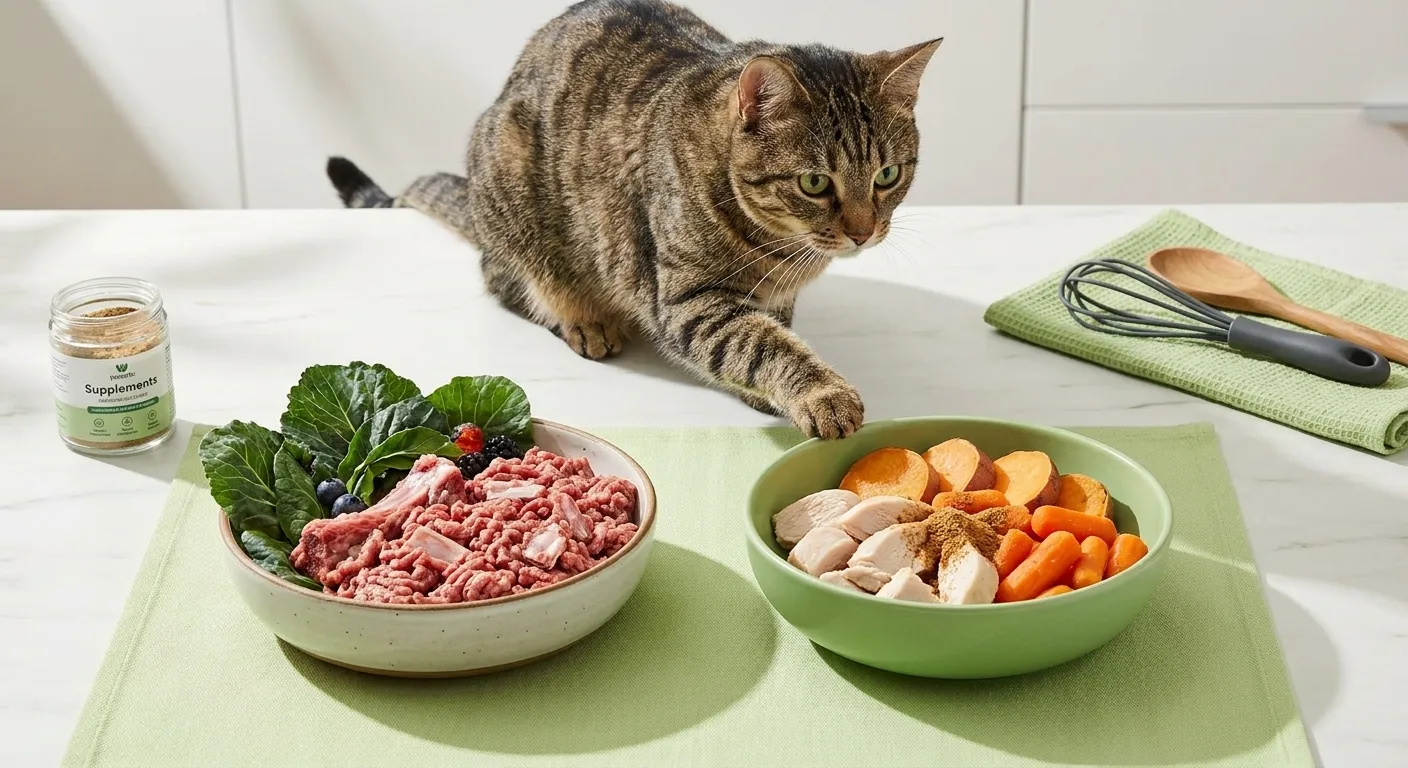
When exploring feline nutrition, the debate between raw vs cooked cat food often arises. Both approaches have vocal proponents and detractors, making it challenging for cat owners to decide what’s best. Understanding the fundamental differences, as well as the potential benefits and risks of each, is crucial for making an informed choice for your feline companion.
The Allure and Risks of Raw Diets
Raw cat food diets, often referred to as Biologically Appropriate Raw Food (BARF) or Prey Model Raw (PMR) diets, aim to mimic the natural diet of a wild feline. Proponents argue that raw food offers superior nutrient absorption, better coat health, increased energy, and improved dental hygiene due to the unprocessed nature of ingredients. These diets typically consist of raw muscle meat, organs, and bones. However, raw feeding carries significant risks. Bacterial contamination (e.g., Salmonella, E. coli) is a major concern, posing a threat to both cats and humans in the household. Nutrient imbalances can also occur if the diet is not meticulously formulated by a veterinary nutritionist, leading to severe health problems over time. The processing involved in commercial raw foods (like freeze-drying) can mitigate some risks, but homemade raw diets require extreme caution and expert guidance.
The Reliability and Considerations of Cooked Diets
Cooked cat food, encompassing both commercial kibble and wet food, as well as carefully prepared homemade cooked meals, offers a safer and often more convenient option. Cooking meat destroys harmful bacteria, significantly reducing the risk of foodborne illness. Commercial cooked diets are formulated to be nutritionally complete and balanced according to AAFCO standards, ensuring your cat receives all essential vitamins, minerals, protein, and fats. This eliminates much of the guesswork inherent in raw feeding. Concerns sometimes arise regarding nutrient degradation during cooking, but reputable pet food manufacturers account for this in their formulations, often adding back heat-sensitive vitamins. For homemade cooked diets, it’s equally vital to follow recipes developed by board-certified veterinary nutritionists to prevent nutrient deficiencies or excesses. While cooked diets might lack some of the perceived enzymatic benefits of raw foods, their safety profile and nutritional completeness are well-established.
Understanding Feline Nutritional Needs
Before delving deeper into specific diet types, it’s essential to grasp the core nutritional requirements of cats. Cats are obligate carnivores, meaning their bodies are designed to derive nutrients primarily from animal tissue. Consequently, their diet must be rich in animal-based protein. Furthermore, they require specific amino acids like taurine, which is vital for heart health and vision. Essential fatty acids, vitamins (especially A, D, and some B vitamins), and minerals are also critical for overall well-being. A diet that fails to meet these specific needs can lead to serious health issues over time. Therefore, whether you choose a raw diet or a cooked one, ensuring it is nutritionally complete and balanced is paramount.
The Appeal of Raw Cat Food
Many cat owners are drawn to raw feeding for its perceived naturalness. The idea is to replicate what a cat would eat in the wild, which would undoubtedly be raw prey. Proponents often report anecdotal evidence of improved coat shine, better digestion, and increased vitality in their cats. They believe that processing and cooking degrade vital enzymes and nutrients, making raw food superior. For example, some argue that raw bone provides natural dental cleaning benefits. Moreover, a raw diet can offer a very high moisture content, which is beneficial for feline urinary tract health, as discussed in our guide on keeping your cat hydrated for better health. However, these benefits must be weighed against the significant health and safety concerns.
Potential Hazards of Raw Cat Food Diets
Despite the appealing aspects, raw feeding comes with considerable risks. The most prominent concern is bacterial contamination. Raw meat can harbor pathogens such as Salmonella, E. coli, Listeria, and Campylobacter. These bacteria can cause severe gastrointestinal illness in cats, and more importantly, they pose a zoonotic risk, meaning they can be transferred to humans. This is especially concerning for children, the elderly, and immunocompromised individuals in the household. A study published by the FDA highlights the prevalence of these pathogens in raw pet food. Furthermore, nutrient imbalances are a significant risk with homemade raw diets. It is incredibly difficult to formulate a diet that is complete and balanced without expert veterinary nutritional guidance. Improper ratios of calcium to phosphorus, for instance, can lead to severe skeletal problems. Bone fragments in raw diets can also cause dental fractures or internal obstructions and perforations. Therefore, the choice of raw vs cooked cat food involves a careful risk assessment.
The Advantages of Cooked Cat Food
Cooked cat food, whether commercial or homemade, offers several compelling advantages. Primarily, cooking meat effectively kills harmful bacteria, making the food much safer for both cats and their human companions. This significantly reduces the risk of foodborne illnesses. Commercial cooked diets, such as kibble and wet food, are rigorously formulated to meet AAFCO (Association of American Feed Control Officials) nutritional standards. This means they are designed to provide all the necessary vitamins, minerals, protein, and fats in appropriate ratios, ensuring complete and balanced nutrition. This eliminates the need for cat owners to meticulously calculate nutrient profiles, which is a complex task. Many commercial brands also offer specialized formulas for various life stages or health conditions, such as those for cat food sensitivities. While some nutrients can be sensitive to heat, reputable manufacturers account for this by adding them back after cooking or using heat-stable forms. Cooked diets are also generally more convenient to store and serve, contributing to their widespread popularity.
Addressing Concerns About Cooked Diets
Some critics of cooked cat food diets express concerns about nutrient degradation during the cooking process. While it’s true that certain heat-sensitive vitamins can be reduced, commercial pet food manufacturers take great care to compensate for this. They often fortify their foods with these vitamins after cooking, ensuring the final product is nutritionally complete. Another point of contention is the use of fillers or artificial ingredients in some commercial foods. However, many high-quality commercial cooked diets use whole, natural ingredients and avoid unnecessary additives. Choosing a reputable brand that prioritizes quality ingredients and transparent sourcing can alleviate many of these concerns. For homemade cooked diets, the primary concern remains nutritional balance. Without the guidance of a board-certified veterinary nutritionist, it is challenging to ensure the diet meets all of a cat’s specific requirements. This is a critical factor when considering the difference between raw vs cooked cat food.
Hybrid Approaches and Commercial Raw Options
For cat owners interested in some aspects of raw feeding but concerned about the risks, hybrid approaches exist. These might include feeding a commercial cooked diet alongside occasional, carefully selected raw treats or freeze-dried raw foods. Commercial raw cat food options, such as freeze-dried or dehydrated varieties, often undergo processes that reduce bacterial load, making them safer than homemade raw. However, it’s important to remember that ‘reduced risk’ does not mean ‘no risk.’ Always handle these products with the same precautions as fresh raw meat. When considering a blend of raw and cooked food, it is advisable to consult with a veterinarian or a veterinary nutritionist to ensure overall dietary completeness and safety. This can be a practical compromise for those exploring the benefits of both approaches.
Consulting a Professional for Your Cat’s Diet
Ultimately, the decision between raw vs cooked cat food should be made in consultation with a qualified professional. Your veterinarian or a board-certified veterinary nutritionist can provide personalized advice based on your cat’s specific health status, age, activity level, and any pre-existing conditions. They can help you evaluate the risks and benefits for your individual pet and guide you toward a diet that is both safe and nutritionally appropriate. For instance, cats with compromised immune systems or certain digestive issues might be at higher risk from raw diets. A professional can also help interpret pet food labels and ensure that any chosen diet, whether commercial or homemade, meets AAFCO guidelines for complete and balanced nutrition. This expert guidance is invaluable for ensuring your feline friend thrives.
Making an Informed Choice
Choosing the right diet for your cat is a significant responsibility. The debate surrounding feeding cats raw vs cooked food is complex, with valid points on both sides. Raw diets appeal to those seeking a natural, unprocessed approach, but they carry substantial risks related to bacterial contamination and nutritional imbalance. Conversely, cooked diets offer a safer, more convenient, and often nutritionally complete option, particularly with high-quality commercial foods. For cat owners exploring different dietary options, it is important to understand the nuances. For example, some might consider how natural vs processed cat food impacts overall health, which is a related but distinct discussion. Always prioritize your cat’s health and safety, and make decisions based on sound scientific evidence and professional advice rather than anecdotal claims alone. Your commitment to understanding these options will contribute significantly to your cat’s long-term health and happiness.
Conclusion
The discussion around raw vs cooked cat food highlights the passion and dedication cat owners have for their pets’ well-being. Both dietary approaches have unique characteristics, and understanding these is key to making a responsible choice. While raw diets may appeal due to their ‘natural’ aspect, the risks of pathogen exposure and nutritional deficiencies are considerable. Cooked diets, especially commercially prepared ones, offer a safe, convenient, and nutritionally complete solution backed by scientific research. Regardless of the path you choose, ensuring the diet is balanced, safe, and appropriate for your cat’s individual needs is paramount. Always consult with your veterinarian before making significant changes to your cat’s diet to ensure their health and longevity.
FAQ Section
Is raw pet food truly better for cats?
While some proponents claim benefits like a shinier coat and improved digestion, scientific evidence consistently points to significant health risks, primarily bacterial contamination and nutritional imbalances, associated with feeding raw meat to cats. The safety and balance of cooked diets are generally more reliably established.
What are the main risks of feeding a raw meat diet to my cat?
The primary risks include exposure to harmful bacteria like Salmonella and E. coli, which can cause illness in both cats and humans. Additionally, homemade raw diets are often nutritionally incomplete or unbalanced, leading to deficiencies or excesses that can harm your cat’s health over time. There’s also a risk of bone fragments causing injury.
Are commercial cooked cat foods nutritionally adequate?
Yes, high-quality commercial cooked cat foods are formulated to meet the nutritional standards set by organizations like AAFCO. They are designed to provide all essential nutrients in appropriate amounts, ensuring a complete and balanced diet for your feline companion. Many brands also offer specialized formulas for different life stages or health conditions.
Can I prepare a nutritionally complete cooked diet at home for my cat?
Preparing a nutritionally complete homemade cooked diet is possible but requires meticulous attention to detail and, ideally, guidance from a board-certified veterinary nutritionist. Without expert formulation, it is very difficult to ensure the diet provides all necessary nutrients in the correct balance, potentially leading to health problems.
How can I decide which type of cat food is best for my pet?
The best way to decide is to consult with your veterinarian or a veterinary nutritionist. They can assess your cat’s individual health needs, lifestyle, and your household’s circumstances to recommend a diet that is both safe and nutritionally appropriate. They can help you weigh the pros and cons of feeding raw versus cooked options.


