
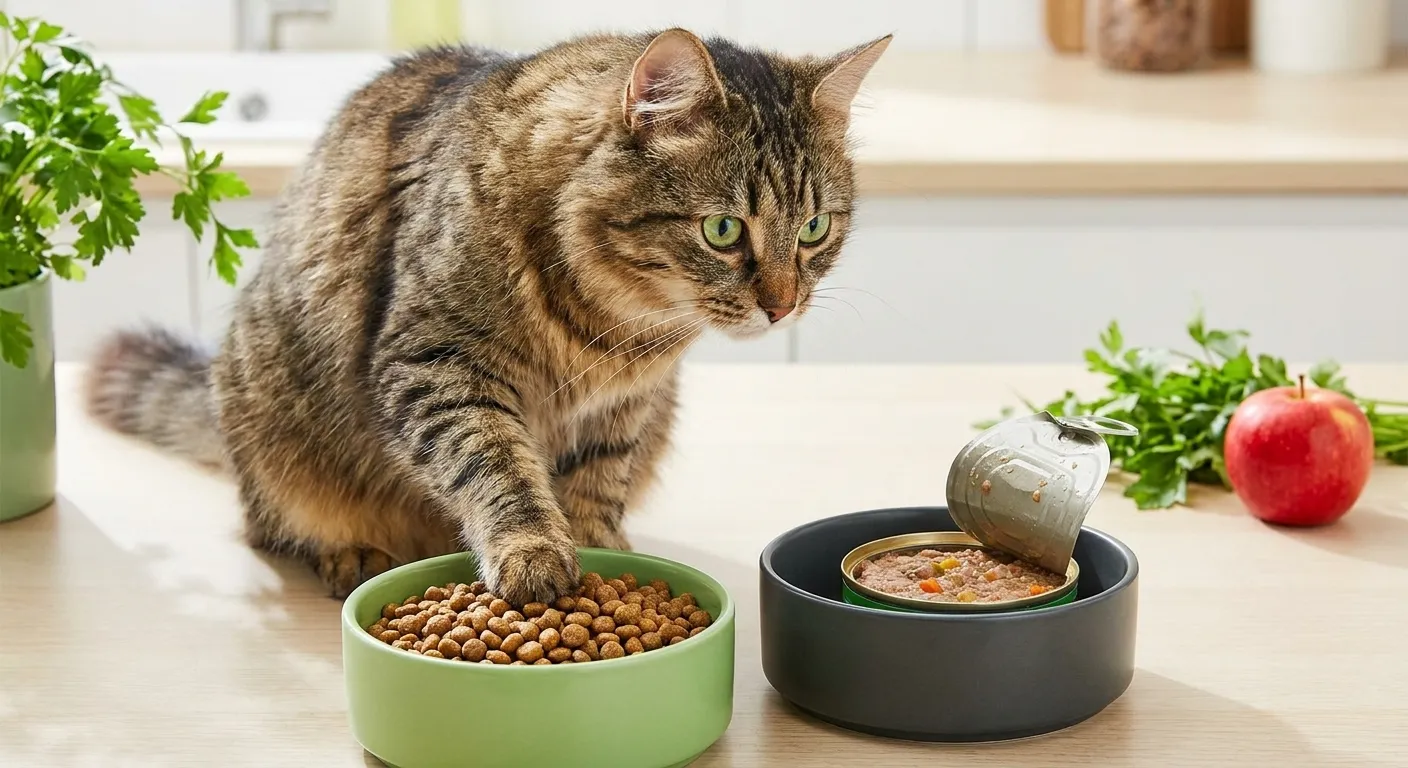
Deciding what to feed your beloved feline friend is one of the most important decisions a cat owner makes. With a myriad of options available, the fundamental choice often boils down to dry or wet cat food, or perhaps a combination of both. Understanding the pros and cons of each type is crucial for Choosing Cat Food Form that best suits your cat’s health and lifestyle needs.
Understanding Your Cat’s Natural Dietary Needs
Cats are obligate carnivores, meaning their bodies are designed to derive nutrients primarily from animal-based protein. In the wild, their diet consists of prey that is rich in protein, moderate in fat, and very low in carbohydrates, with a significant moisture content. Consequently, the ideal diet for a domestic cat should mimic these natural nutritional profiles as closely as possible. This understanding forms the foundation for evaluating different cat food forms.
Moreover, a cat’s ancestors evolved in desert environments, which meant they obtained most of their water from their prey. This evolutionary trait has resulted in a naturally low thirst drive in modern cats. Therefore, ensuring adequate hydration is a critical aspect of feline nutrition, directly influencing kidney and urinary tract health. The form of food you offer can significantly impact their daily water intake.
The Benefits and Drawbacks of Dry Cat Food (Kibble)
Dry cat food, commonly known as kibble, is a popular choice for many cat owners due to its convenience and cost-effectiveness. It’s easy to store, doesn’t spoil quickly, and can be left out for free-feeding, which suits some cats’ grazing habits. Some proponents also suggest that the crunchy texture of kibble can help reduce plaque and tartar buildup, promoting dental health, though this benefit is often debated and can vary significantly between products.
However, a major drawback of dry food is its typically lower moisture content, which can be a concern for cats who don’t drink enough water. This low moisture content can potentially contribute to urinary tract issues, such as crystals or stones, especially if your cat isn’t actively seeking out water bowls. Furthermore, many dry foods contain higher carbohydrate levels compared to wet foods, which may not align perfectly with a cat’s natural carnivorous diet. It is important to carefully read ingredient labels when considering this option.
The Advantages of Wet Cat Food (Canned)
Wet cat food stands out primarily for its high moisture content, often exceeding 70%. This is incredibly beneficial for feline hydration, especially since cats naturally have a low thirst drive. Increased hydration supports kidney function and helps prevent common urinary tract problems. In fact, many veterinarians recommend wet food for cats prone to these conditions. Therefore, when evaluating cat food choices, moisture content is a key factor.
Wet food is also often more palatable to cats, making it a good option for picky eaters or those with reduced appetites. Nutritionally, wet foods tend to have higher protein content and fewer carbohydrates compared to dry kibble, aligning more closely with a cat’s natural carnivorous diet. The main downsides include a higher cost, shorter shelf life once opened, and the need for refrigeration. Despite these considerations, the health benefits often outweigh the inconveniences for many cat owners.
Factors to Consider When Choosing Cat Food Form
When it comes to selecting the best food for your feline, several individual factors play a significant role. Your cat’s age is one such factor; kittens have different nutritional needs than adult or senior cats. Similarly, a cat’s activity level will influence their caloric requirements. A highly active cat may need more energy-dense food, whereas a sedentary cat might require fewer calories to maintain a healthy weight.
Additionally, any existing health conditions your cat may have are paramount. Cats with kidney disease, for example, often benefit greatly from the increased hydration provided by wet food. Conversely, cats with specific dental issues might find dry kibble challenging to eat. Therefore, a personalized approach is always best when making decisions about your cat’s diet. Consulting with your veterinarian is highly recommended to tailor the best feeding plan.
Combination Feeding: Getting the Best of Both Worlds
Many cat owners opt for a combination of dry and wet food to harness the benefits of both. This approach can provide hydration from wet food while offering the convenience and potential dental benefits (if applicable) of dry food. For instance, you might offer wet food in the morning and evening, with a small portion of dry kibble available during the day. This method ensures your cat receives adequate moisture intake and a varied diet.
Furthermore, combination feeding can also add variety to your cat’s diet, potentially reducing pickiness and providing mental stimulation. It allows for flexibility in scheduling and can be a cost-effective compromise compared to an exclusively wet food diet. When implementing combination feeding, however, it’s crucial to calculate total daily caloric intake accurately to prevent overfeeding and weight gain. Many resources, including our Blog, offer guidance on proper portion control.
The Role of Dental Health in Choosing Cat Food Form
Dental health is a frequently discussed aspect when comparing dry and wet cat food. As previously mentioned, some dry kibbles are specifically designed to help clean teeth through their abrasive action. These specialized dental diets can be effective in reducing plaque and tartar buildup. However, not all kibbles offer this benefit, and many cats simply swallow kibble whole, negating any potential cleaning action.
On the other hand, wet food offers no direct dental benefits. In fact, some argue that the softer texture of wet food might contribute to dental issues if not accompanied by other dental care practices. Regardless of the cat food form you choose, regular dental check-ups and professional cleanings are essential for maintaining your cat’s oral hygiene. Consider using dental treats or at-home brushing to supplement their diet.
Addressing Specific Health Concerns with Food Choices
For cats with specific health conditions, the type of food they consume can play a crucial role in managing their illness. Cats with chronic kidney disease, for instance, often require diets that are lower in phosphorus and protein, along with increased moisture. In these cases, wet food is generally preferred due to its hydrating properties, which support kidney function and help flush toxins. This is an important consideration when Cornell Feline Health Center often emphasizes.
Similarly, cats prone to urinary tract infections or crystal formation can benefit immensely from the higher moisture content of wet food, which helps dilute urine and reduces the concentration of minerals that can lead to problems. For cats with diabetes, controlled carbohydrate levels are important, and many wet foods fit this profile better than dry kibbles. Always consult your veterinarian to select the most appropriate diet for any health-related conditions. They can provide tailored recommendations for choosing cat food form.
Transitioning Between Cat Food Forms
If you decide to change your cat’s diet, whether it’s switching from dry to wet, wet to dry, or introducing a combination, it’s essential to do so gradually. A sudden change in diet can lead to digestive upset, including vomiting or diarrhea. A slow transition allows your cat’s digestive system to adjust to the new ingredients and textures. This process typically takes about 7-10 days.
Start by mixing a small amount of the new food with their current food, gradually increasing the proportion of the new food while decreasing the old. Observe your cat closely for any signs of digestive distress or refusal to eat. If your cat is particularly finicky, the transition might take even longer. Patience is key to a successful dietary change, ensuring your cat comfortably adapts to the new feeding regimen. This is vital when ASPCA advises on cat nutrition.
Other Forms of Cat Food: Semi-Moist and Raw
While dry and wet foods dominate the market, other forms of cat food exist. Semi-moist cat foods are available, though less common; they typically contain more moisture than dry food but less than wet, and often include more sugars and artificial ingredients, making them a less ideal choice for regular feeding. Their convenience factor is often outweighed by their less optimal nutritional profile.
Raw food diets have also gained popularity, based on the principle of feeding cats a diet similar to what their wild ancestors would eat. These diets consist of uncooked meat, bones, and organs. While proponents claim numerous health benefits, raw food diets carry risks of bacterial contamination for both the cat and household members. If considering a raw diet, thorough research and consultation with a veterinarian are absolutely crucial to ensure it is nutritionally complete and safe. For cats who enjoy playing, consider engaging them with Interactive Toys after meals.
Making the Right Decision for Your Feline Friend
Ultimately, the best cat food form for your feline depends on a multitude of factors, including age, health status, activity level, and personal preferences. There isn’t a single


