
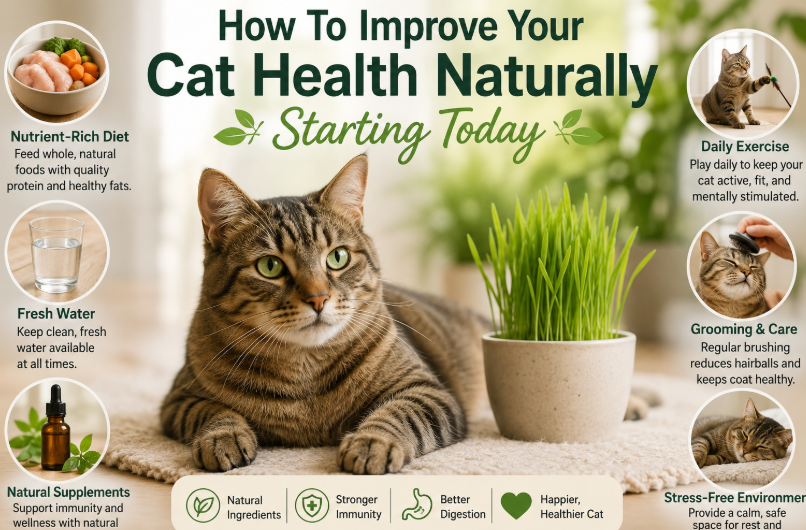
Many cat owners want the best for their pets, yet they often assume improving health requires expensive products or complicated routines. In reality, there are many simple and effective ways to improve cat health naturally without making dramatic changes. Small adjustments to nutrition, hydration, activity, and daily care can significantly influence your cat’s physical and emotional well-being over time.
Cats rely on their owners to create environments that support healthy habits. While veterinary care remains essential, daily lifestyle choices also play a major role in long-term wellness. A balanced diet, regular exercise, mental stimulation, and stress reduction can all contribute to a healthier and more active life.
Natural health improvement focuses on supporting the body’s normal functions rather than seeking quick fixes. Therefore, consistency matters more than perfection. Positive habits practiced regularly often deliver better results than occasional major efforts.
Every cat is unique, which means individual needs may vary. However, most cats benefit from the same foundational principles that encourage good health. By focusing on these basics, owners can take meaningful steps toward helping their feline companions thrive.
Start With Better Nutrition Every Day
One of the most effective ways to improve cat health naturally is by focusing on nutrition. Food serves as the foundation for energy, growth, immune function, and overall wellness. Therefore, choosing appropriate nutrition should always be a top priority.
Cats are obligate carnivores, which means they require nutrients primarily found in animal-based ingredients. High-quality protein supports muscle maintenance, tissue repair, and healthy body function. Consequently, diets that prioritize animal protein often align well with feline nutritional needs.
Portion control is equally important. Even nutritious foods can contribute to obesity when fed in excessive amounts. Maintaining appropriate serving sizes helps support healthy body weight and reduces the risk of weight-related health concerns.
Meal consistency also matters. Feeding at predictable times supports digestion and allows owners to monitor appetite changes more easily. Sudden shifts in eating habits can sometimes indicate health issues that deserve attention.
Additionally, limiting excessive treats can improve overall dietary balance. Treats should complement a healthy feeding plan rather than replace nutritious meals.
Thoughtful nutrition choices create a strong foundation for lifelong wellness and support many other aspects of natural health management.
Encourage Proper Hydration
Hydration plays a critical role in feline health, yet many cats naturally consume less water than they need. As a result, increasing water intake is another excellent strategy to improve cat health naturally.
Cats evolved in environments where much of their moisture came from prey. Because of this evolutionary history, many modern cats have relatively low thirst drives. Consequently, owners often need to encourage hydration proactively.
Fresh water should always be available in clean bowls placed throughout the home. Some cats prefer wide bowls that prevent whisker contact with the sides. Others may drink more readily from pet fountains that provide moving water.
Wet food can also contribute additional moisture. Many cats benefit from diets that include wet food because of its naturally high water content. This added hydration may support urinary tract health and overall bodily function.
Monitoring water consumption provides useful information about health status. Significant increases or decreases in drinking habits can sometimes signal underlying medical concerns.
Simple hydration improvements often produce meaningful benefits and support several important body systems.
Make Daily Exercise a Priority
Physical activity remains one of the most overlooked ways to improve cat health naturally. Although cats spend much of their day resting, they still require regular opportunities to move and engage in natural behaviors.
Exercise helps maintain healthy body weight, supports muscle development, and promotes cardiovascular health. Additionally, active cats often experience less boredom and fewer behavior problems.
Interactive play sessions provide an excellent opportunity for exercise. Toys that mimic prey movement encourage running, pouncing, jumping, and chasing. Even short sessions can help increase daily activity levels significantly.
Environmental enrichment also supports movement. Cat trees, climbing shelves, scratching posts, and tunnels encourage exploration while providing physical challenges. Consequently, cats remain more active throughout the day.
Exercise benefits mental health as well. Physical activity helps reduce stress and provides opportunities for natural hunting behaviors. This combination often contributes to improved emotional well-being.
Consistency is important. Regular daily activity generally provides greater benefits than occasional extended play sessions. Over time, these habits help support healthier and happier cats.
Support Mental and Emotional Wellness
Physical health and emotional health are closely connected. Therefore, efforts to improve cat health naturally should include attention to mental well-being.
Cats thrive when they feel safe, secure, and mentally stimulated. Stress can influence appetite, behavior, immune function, and even body weight. Consequently, reducing stress often contributes to better overall health.
Routine provides a sense of security. Consistent feeding times, predictable schedules, and familiar environments help many cats feel more comfortable. Sudden changes can create anxiety, particularly for sensitive individuals.
Mental enrichment is equally valuable. Puzzle feeders, interactive toys, and opportunities to explore new environments help keep cats engaged. Window perches also provide entertainment by allowing observation of outdoor activity.
Safe hiding places are important as well. Cats appreciate having quiet spaces where they can retreat when feeling overwhelmed. Providing these options supports emotional balance and reduces stress.
Strong human-animal relationships contribute to wellness too. Positive interaction, gentle handling, and regular affection strengthen trust and create a more supportive environment.
Maintain a Healthy Weight
Weight management is one of the most practical ways to improve cat health naturally. Maintaining a healthy body condition helps reduce the risk of numerous health problems while supporting mobility and quality of life.
Obesity has become increasingly common among domestic cats. Excess body fat increases the likelihood of diabetes, arthritis, heart disease, and reduced activity levels. Therefore, preventing unnecessary weight gain remains an important health goal.
Regular weight monitoring helps identify changes before they become significant. Weekly or monthly weigh-ins provide useful information about long-term trends. Additionally, observing body condition helps determine whether adjustments are needed.
Balanced nutrition and regular exercise work together to support healthy weight management. Neither strategy is as effective alone as when combined consistently.
Owners should avoid making drastic dietary changes without guidance. Gradual adjustments are generally safer and easier for cats to tolerate. Patience often produces better long-term results than rapid interventions.
Healthy weight maintenance contributes to comfort, mobility, and overall vitality throughout every stage of life.
Promote Good Dental Health
Oral health is another important component of efforts to improve cat health naturally. Dental issues can affect eating habits, comfort, and overall wellness if left unaddressed.
Plaque and tartar accumulation may lead to gum disease, tooth loss, and chronic discomfort. Unfortunately, many cats show few obvious signs until problems become advanced.
Regular dental care helps reduce these risks. Brushing teeth with feline-safe toothpaste remains one of the most effective preventive measures. Although not every cat accepts brushing immediately, gradual training often improves cooperation.
Dental treats and veterinary-approved oral health products may provide additional support. However, they should complement rather than replace direct dental care whenever possible.
Owners should watch for warning signs such as bad breath, drooling, difficulty eating, or pawing at the mouth. Early intervention often prevents more serious complications.
Healthy teeth and gums contribute to better nutrition, comfort, and quality of life. Therefore, dental care deserves a place in every wellness routine.
Create a Safe and Clean Environment
A healthy environment helps improve cat health naturally by reducing exposure to unnecessary risks and supporting daily comfort.
Clean litter boxes are essential. Most cats prefer clean elimination areas and may develop behavioral issues when litter boxes are neglected. Regular cleaning also helps owners monitor urinary and digestive health.
Indoor safety should receive attention as well. Toxic plants, unsafe household chemicals, and small objects that may be swallowed should remain inaccessible. Prevention is often easier than addressing emergencies after they occur.
Proper grooming contributes to cleanliness and comfort. Long-haired breeds may require more frequent brushing, while short-haired cats often benefit from occasional grooming sessions. Grooming helps reduce loose hair and supports skin health.
Fresh bedding, clean food bowls, and sanitary water containers further contribute to a healthier environment. Small details often have meaningful cumulative effects over time.
A clean and secure living space supports both physical and emotional wellness.
Schedule Preventive Veterinary Care
Although natural wellness focuses on daily habits, preventive veterinary care remains an essential component of efforts to improve cat health naturally.
Routine examinations help identify health concerns before symptoms become severe. Early detection often leads to better treatment outcomes and reduced medical costs.
Vaccinations, parasite prevention, and health screenings provide important protection against common threats. Additionally, veterinarians can evaluate weight, nutrition, dental health, and overall condition during wellness visits.
Preventive care does not contradict a natural approach. Instead, it complements healthy lifestyle practices by providing professional oversight and guidance.
Owners sometimes postpone veterinary visits when cats appear healthy. However, many conditions develop gradually and may not produce obvious symptoms during early stages. Regular evaluations help address these concerns proactively.
Combining daily wellness habits with professional care creates a comprehensive strategy for long-term health.
Build Healthy Habits That Last
The most successful approach to improve cat health naturally involves creating sustainable habits rather than pursuing short-term solutions. Small changes often produce meaningful results when practiced consistently.
Healthy routines become easier over time. Daily play sessions, regular feeding schedules, hydration support, and routine grooming eventually become part of normal life. Consequently, maintaining these habits requires less effort than many owners expect.
Observation remains important throughout the process. Monitoring behavior, appetite, weight, and activity levels helps identify changes that may require attention. Early awareness allows owners to respond more effectively.
Every cat progresses at its own pace. Some improvements become noticeable quickly, while others develop gradually. Patience and consistency often provide the greatest rewards.
Natural wellness is not about perfection. Instead, it focuses on making practical choices that support health day after day. These efforts accumulate over time and contribute to a better quality of life.
Conclusion
Learning how to improve cat health naturally does not require expensive products or complicated programs. Instead, it involves focusing on the fundamentals that support long-term wellness. Proper nutrition, hydration, exercise, mental stimulation, dental care, weight management, and preventive healthcare all contribute to a healthier life.
Small daily habits often create the biggest impact. By making thoughtful adjustments and maintaining consistency, owners can help their cats enjoy greater comfort, improved energy levels, and better overall health. When these practices become part of everyday life, they provide lasting benefits that support feline wellness for years to come.
FAQ
1. What is the easiest way to support better feline wellness?
Providing balanced nutrition, fresh water, and regular exercise are among the simplest and most effective steps.
2. How much exercise does a cat need each day?
Most cats benefit from at least 10 to 20 minutes of interactive play daily, although individual needs vary.
3. Can hydration affect overall feline health?
Yes. Proper hydration supports urinary function, digestion, circulation, and many other bodily processes.
4. Why is mental stimulation important for cats?
Mental enrichment reduces boredom, supports natural behaviors, and can help lower stress levels.
5. How often should healthy cats visit a veterinarian?
Most healthy adult cats benefit from annual wellness examinations, while kittens and senior cats may require more frequent visits.


