
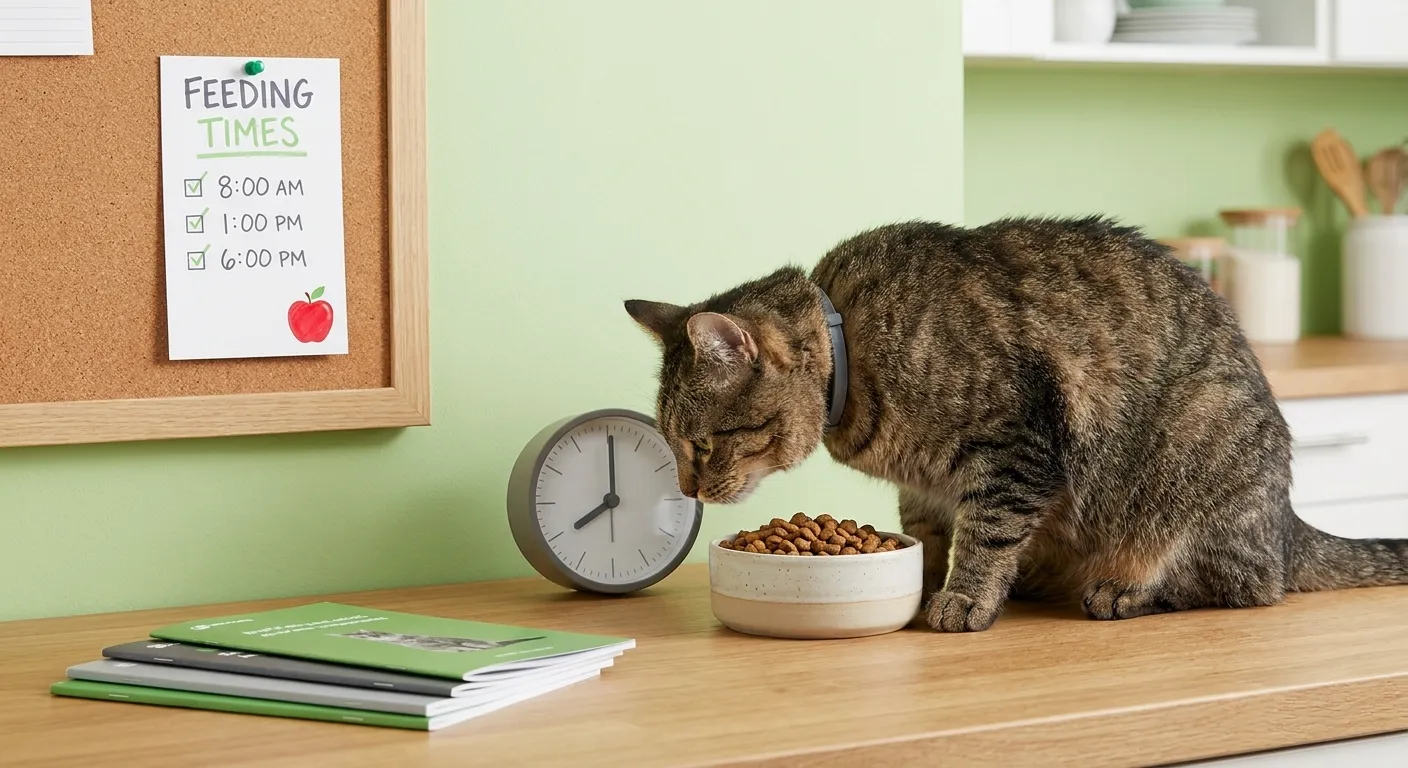
For many cat owners, determining the ideal cat feeding schedule can feel like a complex puzzle. Is free-feeding acceptable? How many meals a day are truly best? At Cat Nutrition Guide, we delve into the scientific insights and practical approaches to help you establish a feeding routine that supports your feline companion’s health, digestion, and behavioral well-being. Moving beyond generic advice, we focus on the specific dietary needs of cats, ensuring they receive the right nutrients at the right times.
The Science Behind Feline Feeding Habits
Cats, by nature, are hunters who typically consume multiple small meals throughout the day and night. Their digestive systems are designed for this pattern, allowing for efficient nutrient absorption. While domestic life changes many aspects of their routine, understanding this innate behavior is crucial for designing a suitable feeding schedule. Free-feeding, where food is left out constantly, can lead to overeating and obesity, especially in indoor cats with lower activity levels. It also makes it difficult to monitor food intake, which is a vital indicator of health.
Meal Frequency: How Many Times a Day Should You Feed Your Cat?
The optimal meal frequency for adult cats is generally two to three times a day. This approach mimics their natural eating patterns more closely than a single large meal or constant access to food. For kittens, who have higher metabolic rates and smaller stomachs, four to five smaller meals spread throughout the day are often recommended. As they mature, this can gradually be reduced to the adult frequency. For senior cats, smaller, more frequent meals can also be beneficial, especially if they have digestive sensitivities or dental issues.
Portion Control: Calculating Your Cat’s Daily Caloric Needs
Accurate portion control is paramount to preventing both underfeeding and overfeeding. The amount of food your cat needs depends on several factors: age, weight, activity level, and whether they are spayed/neutered. Commercial cat food packaging provides general guidelines, but these are often broad. A more precise approach involves calculating your cat’s Resting Energy Requirement (RER) and then adjusting for their specific needs. Your veterinarian can help you determine the exact caloric intake for your cat, considering their current body condition and health goals. Regularly weighing your cat and adjusting portions accordingly is a key practice. For more detailed guidance, explore our How Much Should Cats Eat Daily Guide.
Wet Food vs. Dry Food: Impact on Feeding Practices
The type of food you offer also influences feeding practices. Wet food, with its high moisture content, is excellent for feline hydration and can be more satiating. It’s generally best offered in portioned meals and removed after a short period (e.g., 20-30 minutes) to prevent spoilage. Dry kibble, while convenient, should still be portioned. If you feed a combination, ensure the total caloric intake meets your cat’s daily needs. Many owners find a mixed approach works well, offering wet food for specific meals and dry food in limited amounts. Furthermore, consider the benefits of wet food for managing your cat’s weight, as discussed in our article on Wet Vs Dry Food for Cat Weight Control.
Establishing a Consistent Cat Feeding Schedule
Consistency is key when it comes to your cat’s meal times. Cats thrive on routine; consequently, predictable feeding times can reduce stress and anxiety. For instance, feeding your cat at the same times each day helps regulate their digestive system and can prevent begging behavior. If your schedule varies, consider using an automatic feeder. This device can dispense measured portions at set times, ensuring your cat maintains a consistent food routine even when you are not home. Indeed, a consistent cat feeding schedule contributes significantly to their overall well-being.
Transitioning to a New Feeding Routine
Changing your cat’s feeding pattern requires patience. For example, if you are moving from free-feeding to scheduled meals, do it gradually. Start by offering food for specific periods (e.g., 30 minutes) and slowly reduce the availability. This helps your cat adjust without experiencing undue stress. Similarly, introducing new types of food should also be done incrementally, mixing small amounts of the new food with their old diet over several days. This gradual transition supports digestive health and reduces the likelihood of refusal. Your veterinarian can provide tailored advice for smooth transitions.
Addressing Behavioral Aspects of Feeding
Feeding time is not just about nutrition; it’s also a significant behavioral event for cats. Resource guarding, aggression towards other pets, or excessive vocalization can occur around meals. Therefore, ensuring each cat has their own designated, safe eating space is important in multi-cat households. Puzzle feeders can also be beneficial, as they mimic the natural hunting behavior of cats, making mealtime more engaging and mentally stimulating. This enrichment can reduce boredom and improve satiety. In fact, understanding these behaviors helps refine your cat feeding schedule.
The Role of Hydration in Your Cat’s Diet
Proper hydration is just as vital as a well-planned cat feeding schedule. Cats naturally have a low thirst drive, often relying on the moisture from their prey. Domestic cats, particularly those on a dry kibble diet, may not drink enough water. Consequently, providing multiple water sources, such as ceramic bowls, pet drinking fountains, or even offering wet food, is crucial. Fresh, clean water should always be available. Dehydration can lead to serious health issues, including urinary tract problems. Learn more about ensuring your cat gets enough water by reading Keep Your Cat Hydrated for Better Health.
Special Considerations for Different Life Stages and Health Conditions
A cat’s nutritional needs evolve throughout their life. Kittens require more frequent, calorie-dense meals to support their rapid growth. Adult cats need a balanced diet to maintain their ideal weight and energy levels. Senior cats, on the other hand, may benefit from easily digestible foods and smaller, more frequent portions due to potential dental issues or reduced appetite. Additionally, cats with specific health conditions, such as diabetes, kidney disease, or food sensitivities, require specialized diets and often very precise feeding schedules. Always consult your veterinarian to tailor the ideal cat feeding schedule for these situations. For sensitive cats, our Cat Food Sensitivities Diet Planning Guide offers further insights.
Managing Weight Through a Thoughtful Feeding Plan
Obesity is a prevalent issue among domestic cats, leading to various health problems like diabetes, arthritis, and heart disease. A structured cat feeding schedule with portion control is the most effective tool for weight management. Avoid free-feeding, as it often leads to overconsumption. Instead, measure out your cat’s daily caloric intake and divide it into scheduled meals. Regular weight checks are essential to ensure your cat is maintaining a healthy body condition. If your cat is overweight, your vet can help create a customized weight loss plan, which will include a specific cat feeding schedule and appropriate food choices. This proactive approach supports their long-term health, helping to prevent Cat Weight Health Conditions Explained.
The Impact of Environment on Eating Habits
A cat’s feeding environment can significantly influence their eating habits. A quiet, safe location away from busy household traffic, litter boxes, and other pets can reduce stress during meal times. Furthermore, the type of food bowl matters. Wide, shallow bowls prevent ‘whisker fatigue,’ a discomfort some cats experience when their whiskers touch the sides of deep bowls. Ensuring a calm environment and suitable dinnerware contributes to a positive eating experience, thereby enhancing the effectiveness of your cat feeding schedule.
Understanding Food Labels and Ingredients
Selecting the right food is foundational to any successful cat feeding schedule. Always read food labels carefully. Look for high-quality protein sources as the primary ingredient, as cats are obligate carnivores. Avoid foods with excessive fillers, artificial colors, or preservatives. Understanding the nutritional content helps you choose a diet that aligns with your cat’s specific needs. Your veterinarian can also recommend reputable brands and formulations. For more information on food choices, consider our guide on Natural Vs Processed Cat Food for Cats.
The Role of Veterinary Guidance in Your Cat’s Diet
While this guide provides comprehensive information, your veterinarian remains your best resource for personalized advice. They can assess your cat’s individual health status, activity level, and any underlying conditions to recommend the most appropriate cat feeding schedule and dietary plan. Regular check-ups allow for adjustments to be made as your cat ages or if their health needs change. Working closely with your vet ensures your feline companion receives the optimal care they deserve. For example, if you are concerned about your cat’s weight, your vet can provide specific caloric recommendations.
Conclusion: Crafting the Ideal Cat Feeding Schedule
Establishing the best cat feeding schedule is a thoughtful process that combines scientific understanding with practical application. By considering your cat’s natural instincts, life stage, activity level, and individual health needs, you can create a routine that promotes their physical and mental well-being. Remember to prioritize consistency, practice portion control, provide adequate hydration, and always consult your veterinarian for tailored advice. A well-managed cat feeding schedule is an investment in your feline friend’s long, healthy, and happy life. This commitment reflects the care and dedication of a responsible pet owner, ensuring your cat thrives on a balanced and predictable diet.
FAQ: Common Questions About Cat Feeding Routines
What is the best feeding routine for an adult cat?
For most adult cats, feeding two to three times a day is ideal. This mimics their natural hunting patterns and helps maintain a healthy metabolism. It also allows for better portion control compared to free-feeding.
Can I free-feed my cat dry food?
While convenient, free-feeding dry food is generally not recommended as it can lead to overeating and obesity. Portioning out dry food into scheduled meals is a healthier approach, especially for indoor cats.
How do I know if I’m feeding my cat enough?
Monitor your cat’s weight and body condition. You should be able to feel their ribs without seeing them prominently, and they should have a visible waist. Consult your veterinarian for precise caloric needs based on their age, weight, and activity level.
Is wet food or dry food better for a feline’s meal plan?
Both wet and dry foods have benefits. Wet food provides excellent hydration and can be more satiating, while dry food is convenient and can help with dental health. Many owners choose a combination, ensuring the total nutritional needs are met.
How long does it take for a cat to adjust to a new meal timetable?
Cats typically need a few days to a couple of weeks to fully adjust to a new meal timetable. Gradual transitions are best, slowly adjusting feeding times and portion sizes over several days to minimize stress and digestive upset for your feline companion. Patience is key during this period.


