
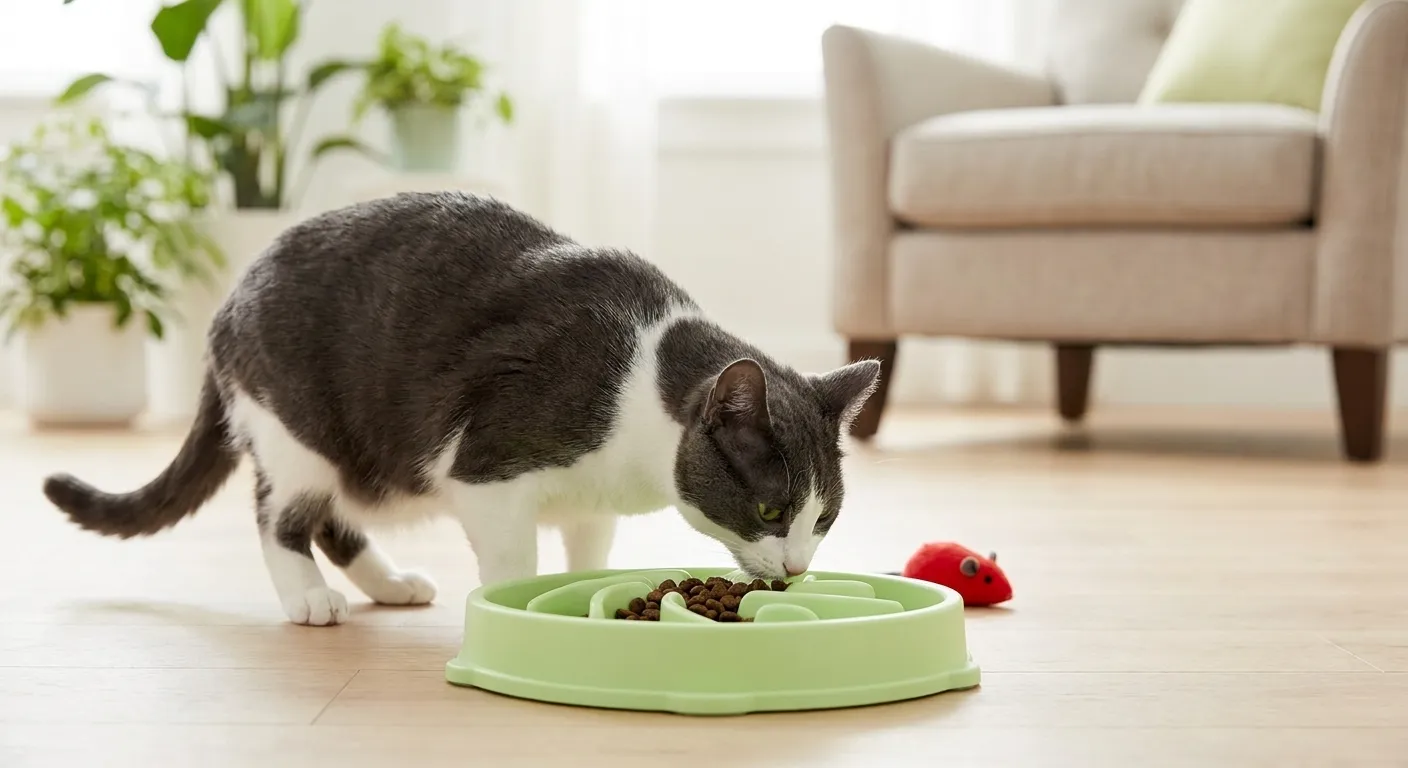
If your cherished feline friend is carrying extra pounds, understanding a proper cat weight loss diet is crucial for their long-term health and vitality. Obesity in cats is a growing concern, leading to a myriad of health issues from diabetes and arthritis to liver disease. At Cat Nutrition Guide, we believe in empowering cat owners with the scientific knowledge and practical strategies needed to help their beloved pets achieve and maintain a healthy weight safely and effectively.
Why Feline Obesity is a Serious Health Concern
Just like in humans, excess weight in cats places undue stress on their organs and joints. Consequently, it can significantly shorten their lifespan and diminish their quality of life. An overweight cat might be less active, less playful, and more prone to serious medical conditions. Recognizing the signs of an overweight cat – difficulty grooming, a lack of a discernible waist, or feeling ribs with difficulty – is the first step toward intervention. For more details on the health implications, consider reading our guide on Cat Weight Health Conditions Explained.
Assessing Your Cat’s Ideal Weight and Caloric Needs
Before embarking on any healthy cat slimming journey, it’s vital to consult your veterinarian. This consultation helps rule out underlying medical conditions and determine your cat’s ideal body weight. Your vet can help you assess your cat’s Body Condition Score (BCS), which is a more accurate measure than just looking at the number on the scale. Once an ideal weight is established, we can calculate the appropriate daily caloric intake for weight loss. A general guideline is to feed about 20 calories per pound of ideal body weight. However, this can vary based on age, activity level, and individual metabolism. Rapid weight loss can be dangerous, potentially leading to hepatic lipidosis (fatty liver disease), so a gradual approach is always best.
Choosing the Right Food for an Overweight Cat
Selecting the appropriate food is the cornerstone of any effective cat weight loss diet. Not all ‘light’ or ‘diet’ foods are created equal. Focus on foods that are:
High in Protein
Cats are obligate carnivores, meaning their bodies are designed to thrive on a diet rich in animal protein. High protein diets help maintain lean muscle mass during weight loss, which is crucial for metabolism. Look for foods where meat is the first ingredient and protein constitutes a significant portion of the guaranteed analysis. Moreover, adequate protein helps your cat feel satiated.
Moderate to Low in Fat
While some fat is essential for nutrient absorption and energy, excessive fat contributes to caloric density. Choose foods with a moderate fat content appropriate for weight loss, ensuring essential fatty acids are still present. This balance is key for overall feline health.
Adequate in Fiber
Fiber can help your cat feel fuller for longer, reducing begging and overeating. Ingredients like beet pulp, psyllium, or certain vegetables can provide beneficial fiber without adding excessive calories. However, too much fiber can also reduce nutrient absorption, so balance is key. Specifically, always check the ingredient list for quality sources.
Effective Strategies for Implementing a Feline Weight Reduction Plan
Implementing a successful feline weight reduction plan involves more than just changing food. It requires a holistic approach, encompassing feeding routines, portion control, and increased activity. These combined efforts will significantly improve your cat’s chances of reaching a healthy weight and staying there.
Portion Control and Feeding Schedule
Precise portion control is paramount for a successful cat weight loss diet. Do not free-feed your cat. Instead, measure out their daily caloric allowance with a digital scale for accuracy. Divide this amount into two or three smaller meals throughout the day. This approach prevents overeating and can mimic a cat’s natural hunting patterns. For further guidance on feeding amounts, refer to our How Much Should Cats Eat Daily Guide.
Transitioning to New Food
Cats can be particular about their food. Therefore, any diet change should be gradual to avoid digestive upset or food aversion. Over 7-10 days, slowly mix increasing amounts of the new weight loss food with decreasing amounts of their old food. Observe your cat closely during this transition to ensure they are eating and tolerating the new diet well. If your cat is a Picky Eating Cats Diet Guide, this process might require even more patience.
The Role of Wet Food in Weight Management
Wet food often has a higher moisture content and can be less calorically dense than dry kibble, making it an excellent choice for a feline weight reduction plan. The added moisture also contributes to satiety and supports kidney health. Many veterinarians recommend incorporating wet food into a cat’s diet for weight loss. For a deeper comparison, explore Wet Vs Dry Food for Cat Weight Control.
Increasing Activity Levels: Exercise for Overweight Cats
Diet is only one part of the equation; increasing physical activity is equally important for a successful cat weight loss diet. Exercise helps burn calories, builds muscle, and improves your cat’s overall well-being. Furthermore, it can significantly reduce boredom, which sometimes leads to overeating.
Interactive Play Sessions
Engage your cat in daily interactive play sessions using toys like feather wands, laser pointers (used responsibly), or toy mice. Aim for two to three sessions of 10-15 minutes each day. This not only encourages movement but also strengthens your bond with your pet. Consider rotating toys to keep your cat interested and engaged.
Vertical Space and Enrichment
Cats naturally love to climb and explore. Provide cat trees, shelves, or other vertical spaces to encourage jumping and climbing. Puzzle feeders are also an excellent way to make your cat work for their food, slowing down eating and increasing mental and physical stimulation. This added enrichment can prevent a sedentary lifestyle.
Outdoor Access (Safe and Supervised)
If safe and supervised, outdoor access (e.g., a catio or leash training) can provide additional opportunities for exercise and exploration. However, safety is paramount, so ensure your cat is protected from hazards and predators. Always prioritize your cat’s well-being.
Monitoring Progress and Adjusting the Plan
Regular monitoring is crucial to ensure your cat’s weight loss journey is on track and healthy. Adjustments may be necessary based on their progress and overall health.
Regular Weigh-Ins
Weigh your cat weekly or bi-weekly at home using a digital pet scale or by weighing yourself, then weighing yourself holding your cat, and subtracting the difference. Record their weight to track progress. Aim for a gradual weight loss of 0.5% to 2% of their body weight per week. Rapid weight loss can be detrimental, as previously mentioned.
Veterinary Check-ups
Schedule regular follow-up appointments with your veterinarian throughout the weight loss process. They can assess your cat’s health, adjust the cat weight loss diet plan if needed, and provide guidance. Your vet is your most valuable partner in this journey.
Patience and Consistency
Weight loss takes time and dedication. Be patient and consistent with the diet and exercise plan. Celebrate small victories and remember that every pound lost contributes to a healthier, happier cat. Your consistency is key to their success.
Understanding Cat Treats and Supplements During Weight Loss
Treats can be part of a feline weight reduction plan, but they must be carefully managed. Supplements might also play a role, but always consult your vet first.
Choosing Low-Calorie Treats
If you give treats, choose low-calorie, species-appropriate options. Small pieces of cooked lean meat or specialized diet treats can be used sparingly. Always factor treats into your cat’s daily caloric allowance. For more information, see our Cat Treats and Weight Management Guide.
Supplements (Consult Your Vet)
Some supplements, like L-carnitine, are sometimes suggested to aid in fat metabolism. However, never give your cat supplements without veterinary approval. Your vet can determine if any supplements are appropriate and safe for your cat’s specific needs. For more general advice on enhancing feline health, read Improve Cat Health Naturally Starting Today.
Common Pitfalls to Avoid in Your Cat’s Slimming Journey
Even with the best intentions, cat owners can encounter challenges during their pet’s weight loss journey. Being aware of these common pitfalls can help you avoid them and maintain progress.
Overfeeding Due to Guilt
It’s easy to feel guilty when your cat begs for food, but giving in can sabotage their progress. Remember that you are helping them achieve a healthier life. Stick to the measured portions. This commitment is an act of love.
Ignoring Other Household Pets
If you have multiple pets, ensure the overweight cat isn’t eating food meant for others. Feed cats separately if necessary, or use microchip-activated feeders. This prevents accidental overfeeding and maintains dietary control.
Lack of Exercise
Diet alone may not be sufficient for weight loss. A sedentary lifestyle will hinder progress. Make sure to incorporate regular play and activity into your cat’s daily routine. Exercise is vital for burning calories and building muscle mass.
Not Consulting a Veterinarian
Attempting a significant weight loss journey without veterinary guidance can be risky. Underlying health conditions could be missed, or the diet plan might be inappropriate. Always work with your vet to ensure a safe and effective plan. For more information on pet obesity, the Association for Pet Obesity Prevention offers valuable resources at petobesityprevention.org.
In conclusion, helping your cat achieve a healthy weight is one of the most important things you can do for their long-term health and happiness. A well-planned cat weight loss diet, combined with increased activity and consistent veterinary oversight, will lead to a more energetic, playful, and healthier feline companion. Remember, patience and persistence are key to success. By following these guidelines, you are setting your beloved cat on a path to a vibrant and extended life. For additional insights on feline nutrition and health, consider resources from reputable organizations like the American Veterinary Medical Association at avma.org.
FAQ
What is the best way to start a feline weight reduction program?
Begin by consulting your veterinarian. They can assess your cat’s current health, determine an ideal target weight, and help calculate the appropriate daily caloric intake for a safe and effective weight loss plan. Gradual changes are always recommended.
How long does it typically take for a cat to lose weight?
Feline weight loss should be gradual, typically aiming for 0.5% to 2% of their body weight per week. The total duration depends on how much weight your cat needs to lose. It could take several months to over a year for significant weight reduction.
Can my cat lose weight just by eating less, or is special food required?
While eating less is part of it, simply reducing portions of regular food might lead to nutrient deficiencies. Specialized weight management cat foods are formulated with lower calories but adequate protein, vitamins, and minerals to ensure nutritional completeness during a slimming diet. Your vet can advise on the best type of food.
What if my cat refuses to eat the new diet food?
Cats can be finicky eaters. Transition new food very slowly over 7-10 days, mixing small amounts with their old food. If refusal persists, try different brands or textures, or consult your veterinarian for alternative strategies. Patience and persistence are crucial.
Are there any risks associated with a cat losing weight too quickly?
Yes, rapid weight loss in cats can be very dangerous. It can lead to hepatic lipidosis, also known as fatty liver disease, which is a serious and potentially fatal condition. This is why a gradual, veterinarian-supervised approach to feline weight loss is essential.


