
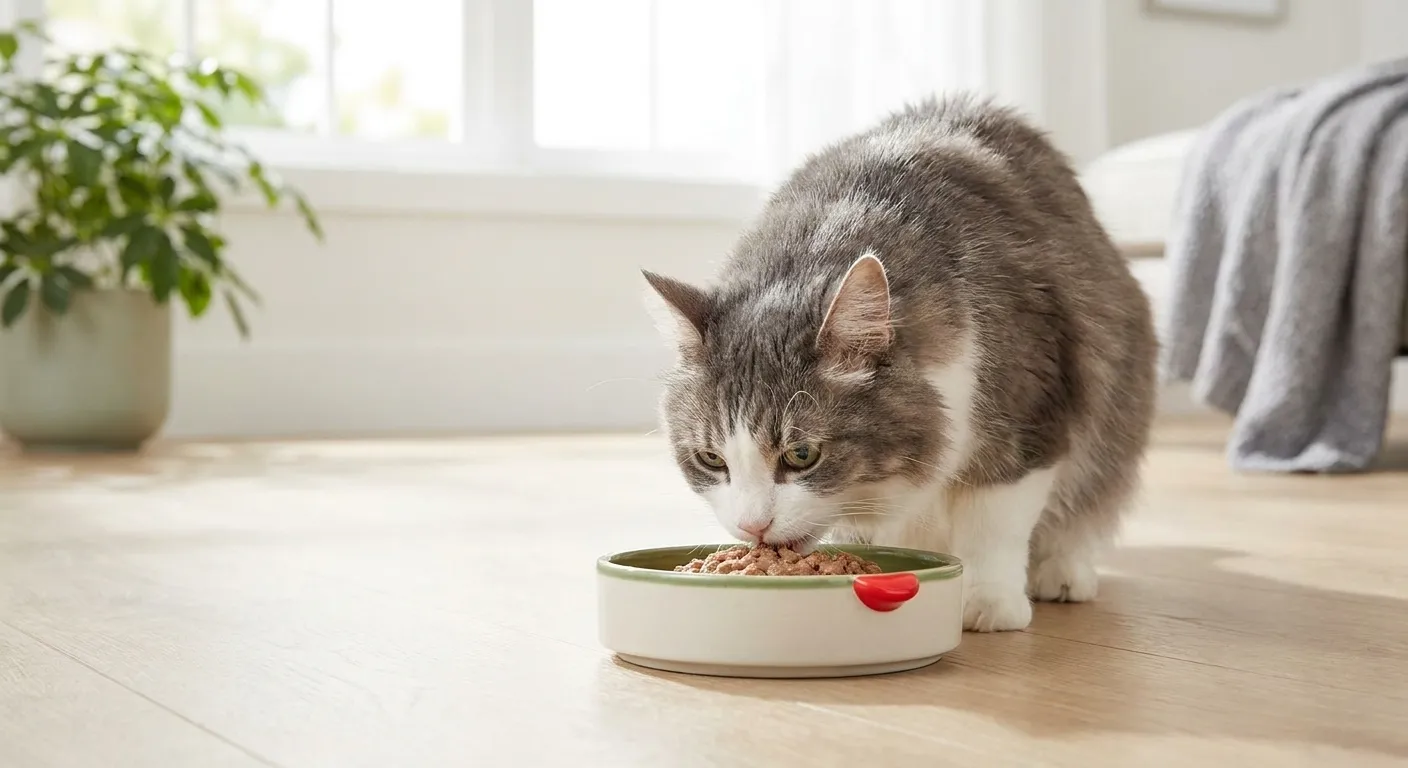
As cats gracefully age, their nutritional requirements shift significantly. What worked for a spry young adult cat might not be ideal for a senior feline, typically considered those over 7-10 years old. Focusing on senior cat diet needs is crucial for maintaining their health, vitality, and quality of life during their golden years. These dietary adjustments can help manage age-related changes and support common health challenges effectively.
Understanding these evolving needs is the first step toward providing optimal care. Indeed, an age-appropriate diet can significantly impact an older cat’s comfort and longevity. Therefore, cat owners must be proactive in adjusting their pet’s food choices to match their changing physiology. This comprehensive guide will explore the specific dietary considerations for senior felines, common health issues influenced by nutrition, and practical tips for ensuring your beloved companion thrives.
Understanding the Physiology of an Aging Cat
The aging process in cats brings about various physiological changes that directly influence their nutritional requirements. For instance, many senior cats experience a decrease in muscle mass, a condition known as sarcopenia, even if their body weight remains stable. Consequently, senior diets often contain higher quality, highly digestible protein to help maintain muscle without overworking the kidneys. Their metabolism can also slow down, making them prone to weight gain, so calorie control is important. Conversely, some senior cats may lose their appetite due to diminished senses of smell and taste, or dental issues, leading to unintended weight loss. In these cases, more palatable, energy-dense foods might be required. Moreover, increased fiber can aid with age-related constipation, while omega-3 fatty acids (EPA and DHA) are beneficial for joint health and cognitive function, which can decline with age. Ensuring adequate hydration is also paramount, often favoring wet food over dry. Proper hydration is critical for kidney function and overall well-being, as discussed further in our guide on Keep Your Cat Hydrated for Better Health.
Digestive efficiency can also decrease in older cats, meaning they may not absorb nutrients as effectively as younger cats. This highlights the importance of highly digestible ingredients in their food. Furthermore, the immune system often weakens with age, making senior cats more susceptible to infections. Antioxidants like vitamins E and C, along with specific minerals such as selenium, can support immune function. These nutrients are frequently included in formulations designed for older felines. Bone density might also decrease, so adequate calcium and phosphorus, in appropriate ratios, are vital. Ultimately, these physiological shifts underscore the necessity of tailored nutritional approaches for aging pets.
Key Dietary Adjustments for Senior Felines
Several crucial dietary modifications are necessary to support an aging cat’s health. First and foremost, protein quality and quantity are paramount. While some older theories suggested restricting protein for kidney health, current veterinary understanding emphasizes high-quality, highly digestible protein to combat muscle wasting in healthy senior cats. However, for cats with diagnosed kidney disease, protein and phosphorus levels may need careful management under veterinary guidance. Therefore, consulting your vet is essential to determine the precise protein needs for your individual cat.
Calorie management is another significant adjustment. Since older cats are often less active, their caloric needs typically decrease. Overfeeding can lead to obesity, which exacerbates other age-related conditions like arthritis and diabetes. Conversely, some senior cats experience unintended weight loss due to decreased appetite or underlying medical conditions. In such cases, a more calorie-dense, highly palatable diet is necessary. Monitoring your cat’s weight regularly and adjusting portion sizes accordingly is vital. For more information on managing feline weight, explore our article on Cat Weight Health Conditions Explained.
Fiber content is also an important consideration. Many senior cats struggle with constipation due to decreased motility in their digestive tract and reduced water intake. Adding a moderate amount of soluble and insoluble fiber to their diet can help regulate bowel movements. Moreover, certain fibers act as prebiotics, supporting a healthy gut microbiome, which is beneficial for overall digestive health and nutrient absorption. However, excessive fiber can also reduce nutrient digestibility, so balance is key.
Fatty acids, particularly omega-3s like EPA and DHA, are indispensable for senior cats. These essential fatty acids possess anti-inflammatory properties that can alleviate symptoms of arthritis and improve joint mobility. Furthermore, they play a crucial role in maintaining cognitive function, which can decline with age, helping to keep your cat mentally sharp. Omega-3s also contribute to healthy skin and a shiny coat. Many senior cat food formulas include these beneficial fats, often sourced from fish oil.
Hydration is arguably one of the most critical aspects of senior cat nutrition. Older cats are more prone to dehydration due to decreased thirst drive and potential kidney issues. Feeding wet food significantly increases their water intake compared to dry kibble. If your senior cat primarily eats dry food, ensure they have constant access to fresh water, consider using a pet drinking fountain, and perhaps add water or broth to their meals. Proper hydration supports kidney function, urinary tract health, and overall systemic well-being.
Ultimately, these adjustments ensure that the senior cat diet needs are comprehensively met, supporting their health as they age. A well-formulated diet can truly make a difference in their quality of life.
Common Senior Cat Health Issues and Diet
Diet plays a pivotal role in managing many health conditions prevalent in senior cats. For cats with developing kidney disease, a diet with controlled phosphorus and protein levels is often recommended to slow disease progression. This specialized diet helps reduce the workload on compromised kidneys. A veterinarian will typically prescribe or recommend specific therapeutic diets for kidney disease, which are crucial for managing this common senior ailment. Never attempt to formulate such a diet yourself without professional guidance.
For those with arthritis, supplements like glucosamine, chondroitin, and omega-3s can be incorporated into the diet to support joint health and reduce inflammation. Many senior cat foods are fortified with these ingredients; however, additional supplementation might be necessary depending on the severity of the condition. These dietary additions can significantly improve mobility and comfort for arthritic felines. Regularly, cats suffering from joint pain will show improved demeanor and activity levels when their diet includes these supportive nutrients.
Cats with diabetes require diets that are low in carbohydrates and high in protein to help regulate blood sugar. A high-protein, low-carb diet can often reduce the need for insulin or even lead to diabetic remission in some cases. This specific dietary approach is a cornerstone of diabetes management in felines. Your veterinarian will provide precise recommendations for diabetic cat food, which is often a prescription diet. Monitoring blood glucose and adjusting diet accordingly is a continuous process.
Dental disease is also common in older cats, making softer, wet foods more comfortable to eat. Periodontal disease can be painful and lead to a reduced appetite, further complicating a senior cat’s nutritional status. While wet food is softer, regular dental care, including professional cleanings, remains essential. Some dental diets are available that can help reduce plaque and tartar accumulation, but these may not be suitable for all senior cats, especially those with significant tooth loss or pain. Consult your vet to assess the best options for your cat’s dental health.
Hyperthyroidism is another condition that often affects older cats. While diet alone cannot cure hyperthyroidism, iodine-restricted prescription diets are a recognized method for managing the condition without medication or surgery in some cases. These diets work by limiting the iodine necessary for thyroid hormone production. This is a very specific therapeutic approach and should only be undertaken under strict veterinary supervision. The success of such a diet depends on the cat consuming only the prescribed food, with no other treats or foods that could introduce iodine.
Furthermore, gastrointestinal sensitivities can develop or worsen with age. Some senior cats may benefit from diets containing novel proteins or easily digestible ingredients to minimize digestive upset. Identifying and avoiding food allergens or sensitivities is crucial for their comfort and nutrient absorption. Our guide on Cat Food Sensitivities Diet Planning Guide offers more insights into this topic. Regular veterinary check-ups are essential to monitor your senior cat’s health and to get personalized dietary recommendations tailored to their specific conditions. Never make significant dietary changes without consulting your veterinarian, as improper adjustments can have serious health consequences.
Choosing the Right Senior Cat Food
Selecting the appropriate food for your aging feline can seem daunting, given the myriad of options available. However, focusing on specific characteristics and consulting your veterinarian can simplify the process. Look for foods specifically formulated for


