
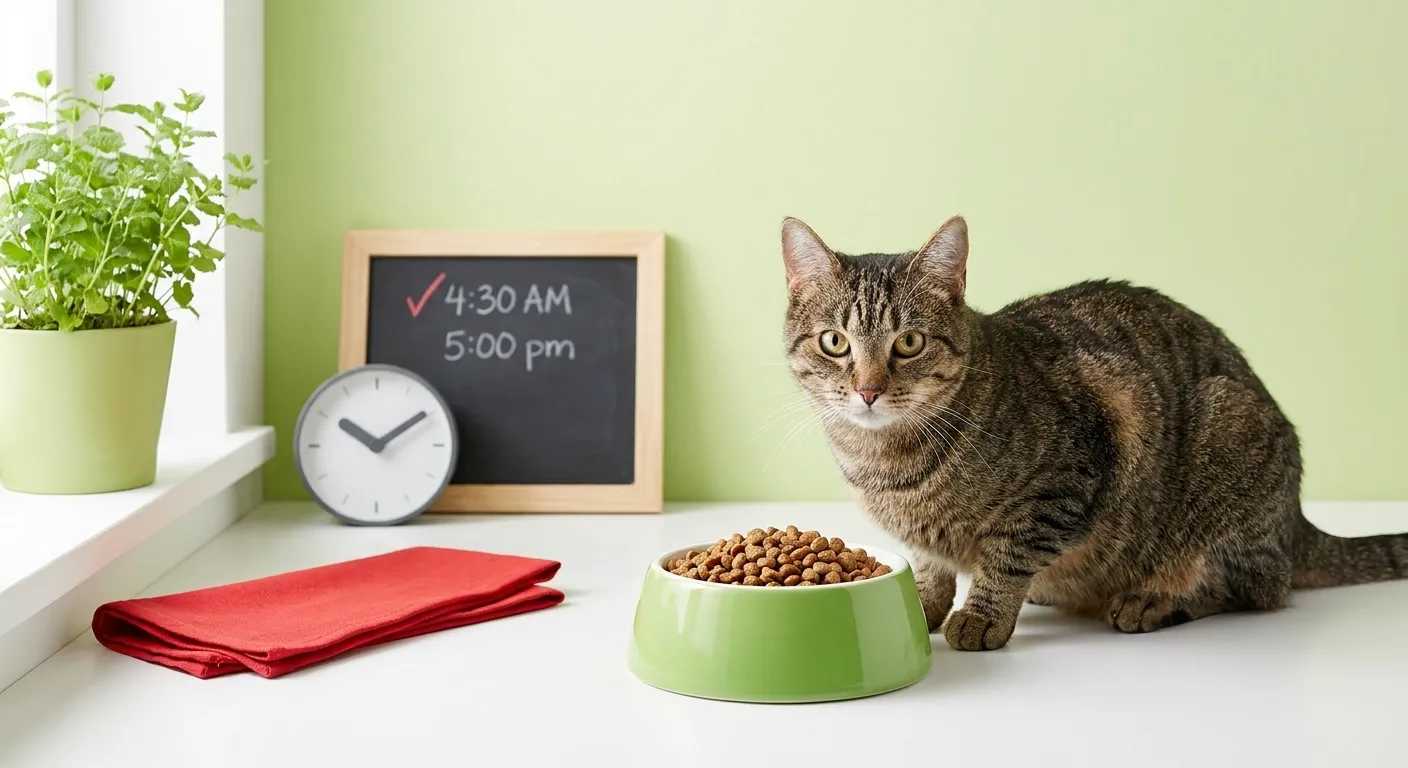
Establishing a consistent cat feeding schedule is more than just a routine; it’s a cornerstone of feline health, behavior, and overall well-being. While the image of a perpetually full food bowl might seem convenient, understanding the science behind meal frequency and portion control can significantly impact your cat’s digestion, weight management, and even their emotional state. At Cat Nutrition Guide, we believe informed feeding practices are key to a long, vibrant life for your cherished companion.
The Science Behind Feline Feeding Behavior
Cats are obligate carnivores with a digestive system designed for small, frequent meals. In the wild, they would hunt and consume several small prey items throughout the day. This natural rhythm informs the best approach to domestic feeding. Free-feeding, or leaving food out all day, can disrupt this natural pattern, often leading to overeating, obesity, and a lack of mental stimulation associated with hunting for food. Scheduled meals, conversely, can mimic this natural behavior more closely, providing structure and promoting a healthier relationship with food.
Free-Feeding vs. Scheduled Meals: A Scientific Look
Free-feeding might seem easy, but it comes with several drawbacks. For example, it’s challenging to monitor individual food intake, which is problematic for weight management and detecting early signs of illness (a sudden drop in appetite). It also allows food to become stale, potentially attracting pests, and can exacerbate resource guarding in multi-cat households. Furthermore, wet food cannot be left out, limiting this option primarily to dry kibble, which may not be ideal for a cat’s hydration needs. You can learn more about this in our guide on Wet Vs Dry Food for Cat Weight Control.
Scheduled meals, on the other hand, offer numerous benefits:
- Weight Control: Precise portioning helps prevent obesity, a common and serious health issue in domestic cats. This is crucial for their overall well-being.
- Health Monitoring: You can easily observe your cat’s appetite, which is a vital indicator of their health. Any changes can be quickly noticed.
- Improved Digestion: Regular meal times can aid digestion and reduce instances of vomiting or digestive upset. Consequently, this leads to a more comfortable pet.
- Behavioral Enrichment: Mealtime becomes an event, providing mental stimulation and a predictable routine. This can significantly enhance their quality of life.
- Reduced Resource Guarding: In multi-cat homes, separate, timed feedings can prevent conflict. Therefore, harmony can be maintained.
Crafting the Ideal Cat Feeding Schedule
So, what’s the optimal feeding frequency for cats? For most adult cats, two to three meals per day are ideal. Kittens, with their rapid growth and high energy needs, may require three to four smaller meals daily until around six months of age. Senior cats, depending on their health and activity level, might also benefit from more frequent, smaller meals to aid digestion and nutrient absorption. Establishing a consistent routine is paramount.
Determining Portion Sizes
Calculating the correct portion size is critical. Always refer to the feeding guidelines on your cat’s food packaging as a starting point. These guidelines are based on your cat’s age, weight, and activity level. However, these are just recommendations. Individual cats have unique metabolic rates and energy requirements. For instance, an indoor cat typically needs fewer calories than an outdoor cat. Our article on Indoor Vs Outdoor Cat Diet Differences Explained provides further insight into this.
A good strategy involves monitoring your cat’s weight and body condition. Adjust portions gradually based on whether your cat is gaining, losing, or maintaining an ideal weight. Consulting with your veterinarian can provide personalized advice for your cat’s specific needs. They can help you fine-tune the precise amount your cat should eat daily.
Choosing the Right Food Type
The type of food you offer also influences the feeding routine. Wet food, with its high moisture content, is excellent for hydration and can be more satiating, often allowing for fewer meals. Dry kibble, conversely, might be less filling, yet it offers convenience. Many cat owners opt for a combination, offering wet food once or twice a day and leaving a small amount of dry food for grazing, if appropriate for their cat’s health. However, remember the drawbacks of free-feeding dry kibble mentioned earlier. For cats with sensitivities, a careful diet plan is essential, as discussed in our Cat Food Sensitivities Diet Planning Guide.
Implementing a New Cat Feeding Schedule
Transitioning your cat to a new eating routine requires patience. Cats are creatures of habit, and sudden changes can cause stress or even lead to a temporary refusal to eat. Gradually introduce the new feeding times and reduce the availability of free-fed food over several days or weeks. For example, if you’re currently free-feeding, start by removing the food bowl for short periods, slowly extending the duration until you reach your desired schedule.
Consistency is key. Feed your cat at approximately the same times each day. This helps regulate their digestive system and reduces anxiety. Moreover, creating a positive association with meal times, perhaps through a pre-meal play session, can make the transition smoother. This approach can also help prevent issues like picky eating, which is explored in our Picky Eating Cats Diet Guide.
Addressing Common Feeding Challenges
Even with the best intentions, challenges can arise. Multi-cat households, for instance, often require separate feeding stations or even separate rooms to prevent resource guarding and ensure each cat gets their fair share. Puzzle feeders can be invaluable tools, providing mental stimulation and slowing down fast eaters. This can also help manage their weight effectively.
If your cat is a fast eater, consider using a slow-feed bowl or an automatic feeder that dispenses small portions throughout the day. This mimics their natural hunting behavior and can prevent digestive upset. For cats that are underweight or overweight, a tailored approach is necessary. Our guide on Cat Weight Health Conditions Explained offers valuable information.
The Role of Hydration and Treats
Water intake is just as crucial as food. Always ensure your cat has access to fresh, clean water. While wet food contributes to hydration, many cats benefit from water fountains, which encourage drinking. You can find more tips on keeping your cat hydrated in our article: Keep Your Cat Hydrated for Better Health.
Treats can be part of a healthy cat feeding schedule, but they should be given in moderation. They should not exceed 10% of your cat’s daily caloric intake. Use treats as rewards for good behavior or as a way to bond, rather than as a significant portion of their diet. Our Cat Treats and Weight Management Guide provides further advice.
Special Considerations for Different Life Stages
A cat’s nutritional needs evolve throughout their life, and their meal plan should reflect this. Kittens, as mentioned, need more frequent meals due to their rapid growth and high energy expenditure. Growing kittens require nutrient-dense food to support their development.
Adult cats generally thrive on two meals a day, but this can vary based on their activity level and overall health. Senior cats, often less active, might require fewer calories, but some may benefit from smaller, more frequent meals if they have digestive issues or reduced appetite. Always consult with your veterinarian to tailor the best feeding strategy for your cat’s specific life stage and health status. The American Association of Feline Practitioners provides excellent resources on feline care, including nutrition. You can visit their website at


