
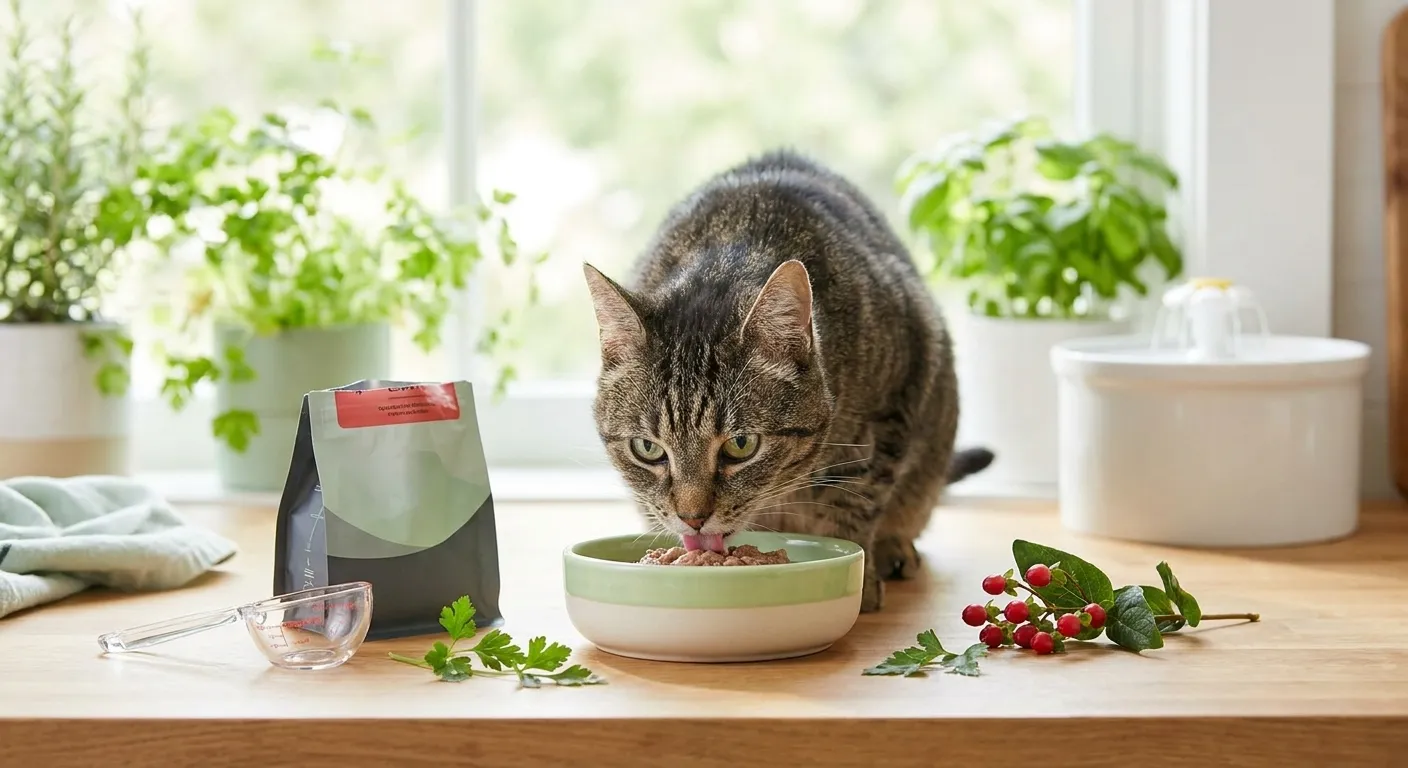
For cat owners whose beloved felines have been diagnosed with Chronic Kidney Disease (CKD), the journey can feel daunting. A cornerstone of managing this progressive condition is through specialized nutrition, making the choice of kidney disease cat food incredibly significant. At Cat Nutrition Guide, we delve into the scientific rationale behind dietary modifications, empowering you with evidence-based insights to support your cat’s health and enhance their quality of life.
Understanding Chronic Kidney Disease (CKD) in Cats
CKD is a common ailment in older cats. It is characterized by a gradual and irreversible decline in kidney function. The kidneys are vital organs; consequently, they filter waste products from the blood, regulate blood pressure, and produce hormones. When they fail, toxins build up. This leads to symptoms like increased thirst and urination, weight loss, lethargy, and poor appetite. While CKD cannot be cured, its progression can often be slowed and symptoms managed effectively with proper care. Indeed, diet plays a pivotal role in this management.
Key Nutritional Goals for Feline CKD Management
Dietary management for cats with CKD focuses on several key objectives. All of these are supported by extensive veterinary research. Moreover, selecting the appropriate specialized diet, often a prescription renal diet, is essential for achieving these goals.
Phosphorus Restriction: A Critical Component
Perhaps the most critical dietary modification for feline CKD is phosphorus restriction. Damaged kidneys struggle to excrete phosphorus, leading to elevated levels in the blood, known as hyperphosphatemia. This condition can further damage the kidneys. It also contributes to bone disease and worsens overall health. Studies consistently show that reducing dietary phosphorus significantly slows the progression of CKD and improves survival times. Therefore, a specialized kidney disease cat food will have carefully controlled, low phosphorus levels.
Controlled, High-Quality Protein: Balancing Needs
While it was once thought that very low protein diets were best for kidney disease, current evidence suggests a more nuanced approach. Cats still need adequate, high-quality protein to maintain muscle mass and prevent malnutrition. Excessive protein breakdown produces nitrogenous waste products that the kidneys must filter. However, insufficient protein can lead to muscle wasting and a poorer prognosis. A renal diet aims for controlled protein levels. It provides highly digestible protein sources to minimize waste production while meeting the cat’s essential amino acid requirements. This balance is crucial for a cat with kidney issues.
Omega-3 Fatty Acid Supplementation: Anti-Inflammatory Benefits
Omega-3 fatty acids, particularly EPA and DHA found in fish oil, have demonstrated anti-inflammatory properties. These properties can benefit cats with CKD. Inflammation plays a role in kidney damage. Omega-3s may help reduce this inflammation, potentially preserving kidney function and improving appetite. Many specialized diets for cats with renal issues incorporate these beneficial fatty acids. Furthermore, these supplements can contribute to overall well-being.
Increased Hydration: Supporting Kidney Function
Cats with CKD often lose more water through increased urination. Consequently, they are prone to dehydration. Maintaining good hydration is vital for kidney health. Adequate water intake helps the kidneys flush out toxins more efficiently. For this reason, wet food is generally recommended for cats with CKD over dry kibble. Wet food has a much higher moisture content, significantly contributing to a cat’s daily water intake. You can learn more about the importance of hydration on our page, Keep Your Cat Hydrated for Better Health.
Selecting the Right Kidney Disease Cat Food
Choosing the best diet for a cat with renal issues involves careful consideration and, ideally, veterinary guidance. Most effective renal diets are prescription-only. These are formulated to meet the specific nutritional needs of cats with compromised kidney function. When evaluating options for a cat with kidney trouble, look for specific characteristics.
Key Features of Renal Diets
- Low Phosphorus: As discussed, this is paramount. The phosphorus content in a prescription kidney diet is significantly lower than in maintenance cat foods.
- Controlled Protein: The protein content is specifically designed to be highly digestible and of excellent quality. This helps minimize metabolic waste products.
- Added Omega-3 Fatty Acids: These are often included for their anti-inflammatory effects.
- Enhanced Palatability: Cats with CKD often have a reduced appetite. Therefore, renal diets are often formulated to be highly palatable to encourage eating.
- Increased B Vitamins: Cats with CKD can lose water-soluble B vitamins through increased urination. Renal diets often supplement these.
- Antioxidants: These can help combat oxidative stress, which contributes to kidney damage.
It’s important to remember that transitioning your cat to a new diet should be done gradually. This helps prevent digestive upset and increases the likelihood of acceptance. Your veterinarian will guide you through this process, recommending the most suitable kidney disease cat food for your pet’s specific stage of the disease.
Addressing Common Challenges with Kidney Diets
Even with the best intentions, feeding a cat with CKD can present challenges. Many cats, especially those feeling unwell, can be very particular about their food choices. This is where patience and strategy become key. Sometimes, a cat might refuse a specific renal diet. In such cases, your vet might suggest trying different brands or formulations of renal-specific food. Furthermore, you might explore various textures, such as paté, shredded, or gravy-based options. For more insights on this, refer to our Picky Eating Cats Diet Guide.
Encouraging Appetite
Appetite loss is a common problem in cats with CKD. This can lead to weight loss and malnutrition. To encourage eating, try warming the food slightly to enhance its aroma. Offering small, frequent meals throughout the day can also be helpful. Some cats respond well to novel feeding methods, such as puzzle feeders, if their energy levels allow. Discussing appetite stimulants with your veterinarian is another viable option if refusal persists. Maintaining a healthy weight is vital, as explored in Cat Weight Health Conditions Explained.
Monitoring and Adjustments
Regular veterinary check-ups are crucial for cats with CKD. Blood and urine tests will monitor kidney function, phosphorus levels, and overall health. Based on these results, your veterinarian may suggest adjustments to the specific kidney disease cat food or recommend additional medications or supplements. This ongoing monitoring ensures that the dietary strategy remains effective as the disease progresses.
Beyond Commercial Renal Diets: Home-Prepared Options?
While commercial prescription renal diets are generally the most convenient and scientifically balanced option, some owners consider home-prepared diets. However, formulating a nutritionally complete and balanced home-cooked diet for a cat with CKD is exceedingly difficult. It requires precise calculations of nutrients like phosphorus, protein, and calcium. An improperly formulated diet can do more harm than good, potentially worsening kidney disease or leading to other nutritional deficiencies. Therefore, if considering a home-prepared diet, it is absolutely essential to work with a board-certified veterinary nutritionist. They can ensure the diet meets all of your cat’s specific needs and is safe.
The Role of Supplements in Kidney Disease Management
Beyond the specialized cat food for kidney issues, certain supplements might be recommended by your veterinarian. These are typically used in conjunction with a renal diet, not as a replacement. For example, phosphorus binders may be prescribed if dietary restriction alone is insufficient to control phosphorus levels. Potassium supplements might be necessary if your cat develops low potassium (hypokalemia), which is common in CKD. Always consult your vet before introducing any supplements to your cat’s regimen, as improper use can be detrimental. Furthermore, some probiotics are being studied for their potential to help reduce uremic toxins.
Understanding the Stages of CKD and Diet
Chronic Kidney Disease in cats is typically staged using the International Renal Interest Society (IRIS) guidelines. The dietary recommendations can vary slightly depending on the stage of CKD. In the early stages, dietary phosphorus restriction might be the primary focus. As the disease progresses to later stages, more stringent protein control may become necessary, alongside other interventions. Hence, the specific kidney disease cat food chosen will often reflect the severity and progression of the condition. Regular veterinary assessment helps determine the most appropriate nutritional strategy at each stage.
Conclusion: Empowering Your Cat’s Health with the Right Nutrition
Managing Chronic Kidney Disease in cats is a long-term commitment. However, with the right approach, particularly regarding nutrition, many cats can live comfortably for extended periods. The choice of kidney disease cat food is not merely about feeding your pet; it’s about providing targeted, evidence-based support for their failing kidneys. By understanding the critical roles of phosphorus restriction, controlled high-quality protein, and adequate hydration, you can work effectively with your veterinarian. Together, you can select the optimal dietary strategy to enhance your cat’s quality of life and slow the progression of this challenging disease. Always remember that your veterinarian is your best resource for personalized advice and treatment plans for your beloved feline companion.
For more general guidance on improving your cat’s overall well-being, consider reading our article Improve Cat Health Naturally Starting Today.
FAQ: Frequently Asked Questions About Feline Renal Diets
What is the most important dietary change for a cat with kidney disease?
The most crucial dietary change for a cat with kidney disease is phosphorus restriction. Damaged kidneys struggle to excrete phosphorus, and elevated levels can worsen the condition. Therefore, a diet specifically formulated to be low in phosphorus is paramount.
Can a cat with kidney issues eat regular cat food?
No, a cat diagnosed with kidney disease should generally not eat regular cat food. Standard commercial cat foods often contain higher levels of phosphorus and protein than what is appropriate for a cat with compromised kidney function. A specialized prescription diet is essential for managing the condition effectively.
How do I get my picky cat to eat a new kidney diet?
Transitioning a picky cat to a new diet requires patience. Try mixing a small amount of the new food with their old food, gradually increasing the proportion over several days or even weeks. Warming the food slightly can enhance its aroma. Offering small, frequent meals and trying different textures or brands of renal food might also help. Consult your veterinarian for further strategies, including appetite stimulants.
Are wet or dry foods better for cats with kidney problems?
Wet food is generally preferred for cats with kidney problems. This is because cats with kidney disease often lose more water through urination and are prone to dehydration. Wet food has a much higher moisture content, which helps increase their overall fluid intake, supporting kidney function and hydration.
How long can a cat live with kidney disease on a special diet?
The lifespan of a cat with kidney disease on a special diet varies widely depending on the stage of diagnosis, the severity of the disease, and how well they respond to treatment. With proper dietary management and veterinary care, many cats can live comfortably for months to several years after diagnosis. Early intervention with an appropriate renal diet can significantly slow progression and improve quality of life.


