
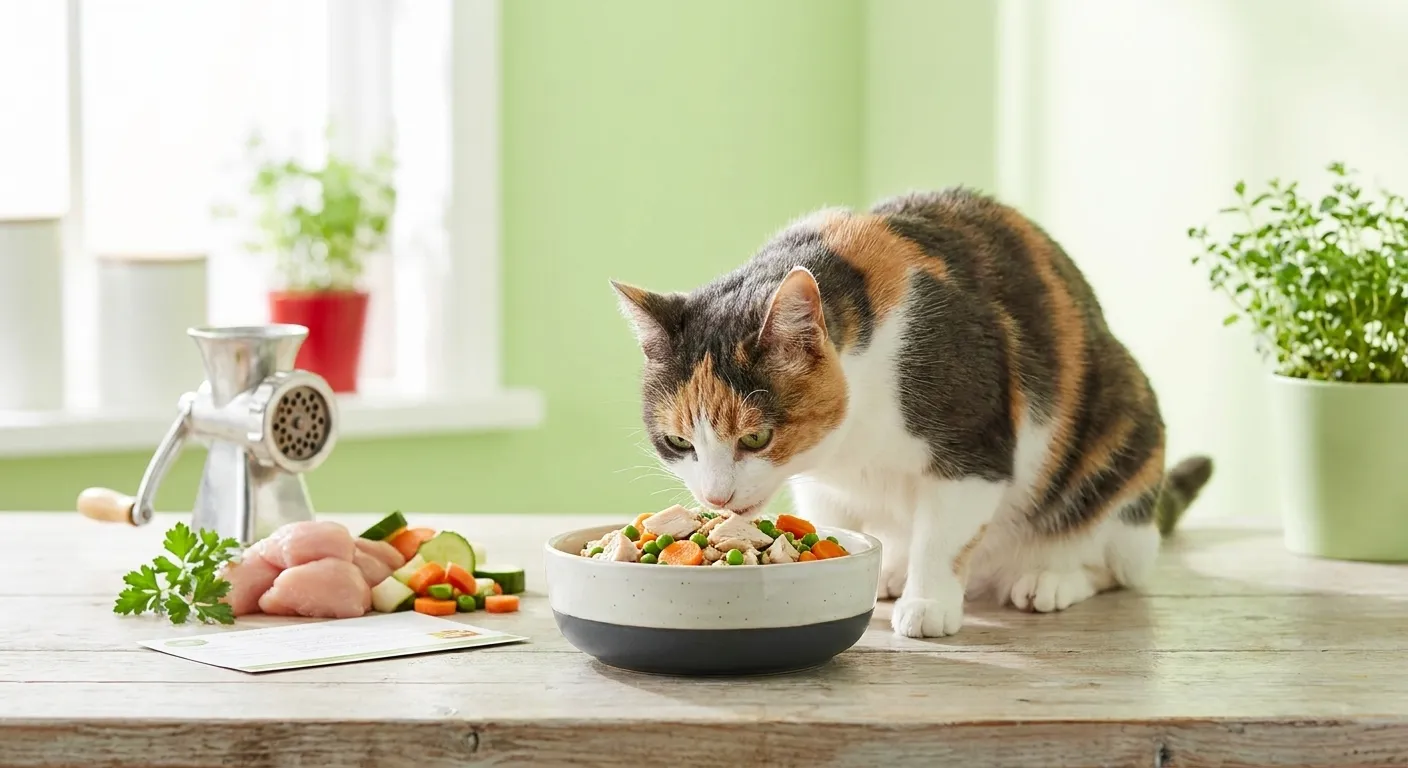
The idea of feeding your cat a homemade diet can be appealing. You control every ingredient, avoiding fillers and artificial additives. However, preparing homemade cat food recipes that are nutritionally complete and balanced is far more complex than simply cooking some chicken. Cats have very specific dietary needs. Deficiencies or excesses of certain nutrients can lead to severe health problems. This guide emphasizes the critical importance of veterinary nutritionist consultation when considering a homemade diet. Ultimately, your cat’s long-term health depends on a properly formulated diet.
Essential Nutrients for Homemade Cat Food
Cats are obligate carnivores. This means their diet must be primarily meat-based to provide essential nutrients they cannot synthesize themselves. Key components, therefore, include high-quality animal protein (e.g., muscle meat, organs), animal-based fats, and specific vitamins and minerals. Taurine, for example, is an amino acid found almost exclusively in animal tissues. It is vital for heart function and vision; a deficiency can be fatal. Other crucial nutrients include Vitamin A, D, E, B vitamins, calcium, phosphorus, and trace minerals like zinc and iron. A homemade diet must provide these in the correct ratios. Simply feeding cooked meat alone is not enough and will lead to serious deficiencies over time. Furthermore, understanding these specific needs is the first step toward creating a balanced meal plan for your feline companion.
The Role of Protein and Fat
High-quality animal protein forms the foundation of any feline diet. Muscle meat provides essential amino acids. Organ meats, such as liver and heart, offer a rich source of vitamins and minerals. For instance, liver is packed with Vitamin A, while heart provides taurine. Animal-based fats are also crucial. They are a concentrated source of energy and carry fat-soluble vitamins like A, D, E, and K. Adequate fat intake supports healthy skin and a shiny coat. Without these vital components, a cat’s health will quickly decline. Thus, choosing the right cuts of meat and organs is paramount for any homemade cat food preparation.
Vitamins, Minerals, and Supplements
Even with a varied selection of meats and organs, it is highly unlikely that a homemade diet will naturally contain all necessary vitamins and minerals in the correct proportions. This is where supplementation becomes critical. Calcium and phosphorus, for example, must be present in a precise ratio to support bone health. Deficiencies in B vitamins can impact metabolism and energy levels. Many homemade cat food preparations require specific vitamin and mineral supplements, often in powdered form, to ensure nutritional completeness. A veterinary nutritionist can advise on the exact types and quantities of supplements needed, preventing dangerous imbalances. Moreover, they can help you navigate the complexities of feline nutrient requirements.
Safety and Consultation: Your Cat’s Best Interest
When exploring homemade cat food recipes, safety is paramount. Raw meat can harbor harmful bacteria like Salmonella and E. coli, posing risks to both your cat and household members. If you choose to feed raw, strict hygiene practices are essential. Ingredients, furthermore, should be human-grade quality. For cooked homemade diets, ensuring proper cooking temperatures to eliminate pathogens while preserving nutrient integrity is important. Most critically, any homemade diet must be formulated by a board-certified veterinary nutritionist. These experts can create recipes tailored to your cat’s specific age, health status, and lifestyle, ensuring all nutritional requirements are met. Without expert guidance, even well-intentioned homemade diets can cause more harm than good, leading to long-term health issues. Commercial pet foods undergo rigorous testing to ensure nutritional adequacy, a standard difficult to replicate at home without professional formulation.
Risks of Unbalanced Homemade Diets
An improperly balanced diet can have severe consequences for your cat’s health. For instance, a diet too low in calcium or too high in phosphorus can lead to metabolic bone disease. Taurine deficiency, as previously mentioned, can cause dilated cardiomyopathy and retinal degeneration, both of which are life-threatening. Conversely, excessive amounts of certain nutrients, like Vitamin A, can also be toxic. These imbalances often manifest subtly at first, making early detection difficult without regular veterinary check-ups and blood tests. Therefore, relying on general guidelines or recipes found online without professional oversight is highly risky. For cats with specific conditions, like those needing a Cat Food Sensitivities Diet Planning Guide, custom formulation is even more crucial.
The Importance of Veterinary Nutritionists
A board-certified veterinary nutritionist possesses specialized knowledge in animal nutrition. They can assess your cat’s individual needs, considering factors like age, breed, activity level, and any existing medical conditions. Based on this comprehensive evaluation, they formulate precise homemade cat food recipes. These recipes specify exact ingredient quantities, cooking methods, and necessary supplements. Additionally, they can provide guidance on sourcing ingredients and safe food handling practices. This level of expertise ensures that your cat receives a complete and balanced diet, minimizing health risks associated with homemade feeding. You can find accredited nutritionists through organizations like the American College of Veterinary Nutrition (ACVN).
Transitioning to Homemade Cat Food
If you decide to proceed with homemade cat food after consulting a nutritionist, the transition period is vital. Cats are often creatures of habit and can be resistant to new foods. A gradual introduction, mixing small amounts of the new food with their current diet, is usually recommended. Slowly increase the proportion of the homemade food over several days or even weeks. Monitor your cat for any digestive upset, such as vomiting or diarrhea. This slow approach helps their digestive system adjust and reduces stress. Furthermore, ensure fresh water is always available, as hydration is key for overall health. Learn more about how to Keep Your Cat Hydrated for Better Health.
Monitoring Your Cat’s Health
Once your cat is on a full homemade diet, regular monitoring is essential. Pay close attention to their weight, energy levels, coat condition, and litter box habits. Any significant changes could indicate a nutritional imbalance or other health issue. Schedule regular veterinary check-ups, including blood work, as recommended by your vet and nutritionist. These tests can detect nutrient deficiencies or excesses before clinical signs become apparent. For example, monitoring for Cat Weight Health Conditions Explained is crucial, especially when transitioning diets. Maintaining open communication with your veterinary nutritionist is also important for ongoing adjustments to the diet as your cat ages or if their health status changes.
Common Misconceptions About Homemade Cat Food
Many cat owners hold misconceptions about preparing food at home. One common belief is that simply feeding raw meat or cooked chicken is sufficient. As we’ve discussed, this leads to severe deficiencies. Another misconception is that


