
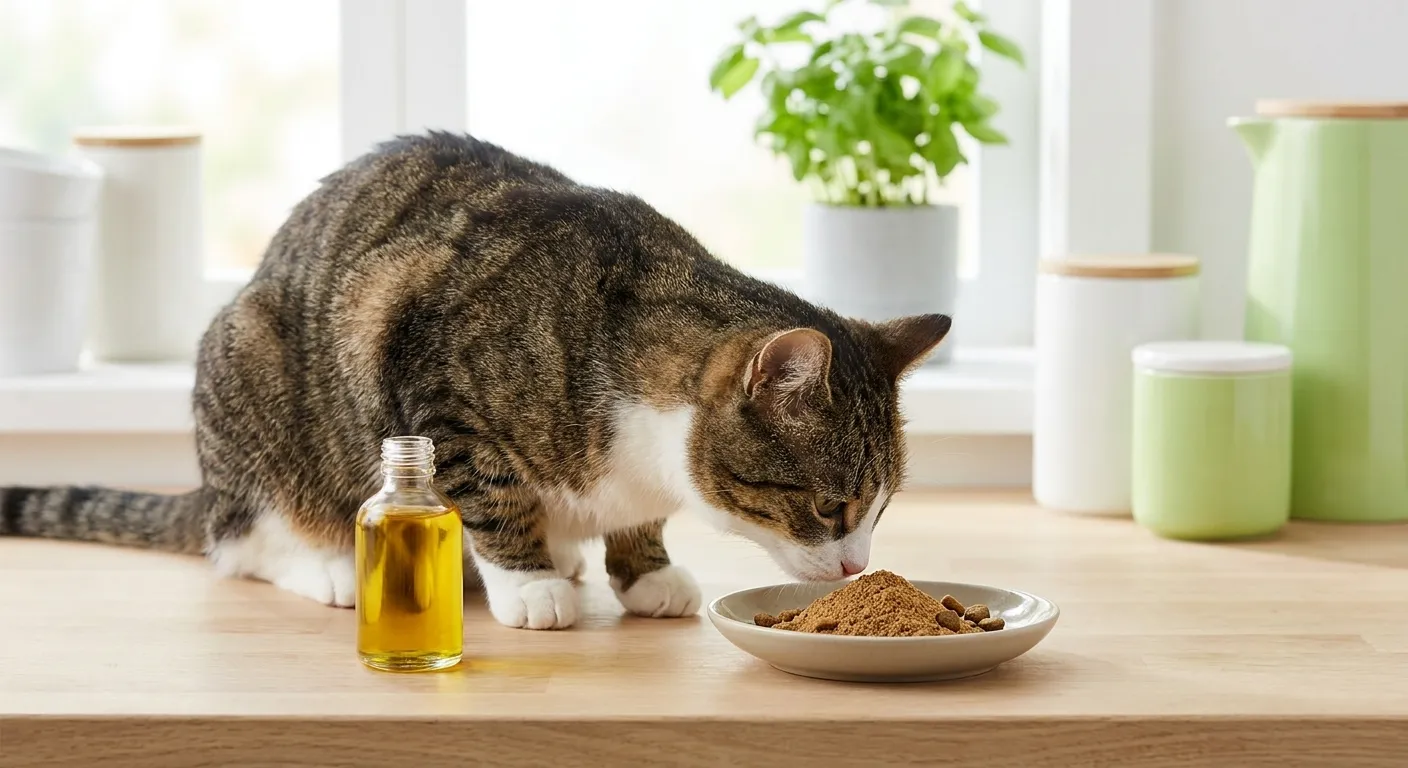
As devoted cat owners, we constantly seek ways to enhance our felines’ health and vitality. The market is flooded with various cat nutritional supplements, promising everything from shinier coats to improved joint mobility. But do these supplements truly offer benefits, or are they often unnecessary? At Cat Nutrition Guide, we cut through the marketing noise to provide an evidence-based perspective on when and why certain supplements might be beneficial, always emphasizing the importance of a complete and balanced diet as the foundation.
The Foundation: A Complete and Balanced Diet
Before considering any supplement, it’s crucial to ensure your cat is consuming a high-quality, complete, and balanced diet. Reputable commercial cat foods are formulated to meet all of a cat’s essential nutritional requirements according to AAFCO (Association of American Feed Control Officials) standards for their life stage. For most healthy cats on such a diet, additional supplementation is often not needed and, in some cases, could even be detrimental if given in excessive amounts. Therefore, always prioritize a sound dietary foundation.
When Might Cat Nutritional Supplements Be Considered?
Supplements are typically considered when a cat has specific health conditions, dietary deficiencies, or life stage requirements that cannot be adequately met by their regular food alone. This is where the guidance of a veterinarian is absolutely essential. Never administer supplements without professional advice, as inappropriate use can lead to imbalances or adverse effects. Consequently, professional consultation is key.
Here are common scenarios where supplements might be discussed:
- Joint Support: For senior cats or those with arthritis, supplements containing glucosamine, chondroitin, and MSM can help support joint health and reduce inflammation.
- Omega-3 Fatty Acids: Fish oil (rich in EPA and DHA) is often recommended for skin and coat health, reducing inflammation, and supporting cognitive function, particularly in older cats or those with allergies.
- Probiotics/Prebiotics: If a cat experiences digestive issues, chronic diarrhea, or is recovering from antibiotic treatment, probiotics (beneficial bacteria) and prebiotics (food for beneficial bacteria) can help restore gut flora balance.
- Vitamins/Minerals: True vitamin or mineral deficiencies are rare in cats on balanced diets but can occur with certain illnesses or homemade diets. Specific supplements might be prescribed by a vet in these cases.
- Anxiety/Stress: Some supplements containing L-tryptophan or alpha-casozepine are marketed for calming effects, though their efficacy varies and should be discussed with a vet.
Decoding Supplement Ingredients and Quality
The supplement industry for pets is not as tightly regulated as human pharmaceuticals. This means quality and efficacy can vary widely. When considering cat nutritional supplements, look for:
- Veterinary Approval: Products recommended or sold by your veterinarian are often a safe bet.
- Third-Party Testing: Look for seals from independent organizations that verify ingredient purity and potency. Organizations like the National Animal Supplement Council (NASC) offer a quality seal for many pet products.
- Clear Labeling: The label should clearly list all active ingredients and their concentrations. Avoid proprietary blends that don’t disclose exact amounts.
- Reputable Manufacturers: Stick to established brands with a history of quality and positive customer reviews.
Furthermore, understanding the specific ingredients is vital. For instance, joint supplements often feature glucosamine and chondroitin, which are natural components of cartilage. Omega-3 fatty acid supplements, meanwhile, should specify the amounts of EPA and DHA, as these are the most beneficial forms for cats. Probiotic supplements should list specific bacterial strains and their colony-forming units (CFUs) to ensure effectiveness. Therefore, careful label scrutiny is always recommended.
Common Types of Feline Dietary Aids and Their Potential Uses
Beyond the general categories, various specific types of feline dietary aids exist, each targeting different aspects of a cat’s health. For example, some formulations are designed to support kidney function in cats with renal disease, while others aim to boost the immune system. It’s important to remember that these are not substitutes for veterinary treatment but rather complementary therapies. Moreover, their effectiveness can depend heavily on the individual cat’s condition and the quality of the product.
Digestive Health Support
Digestive issues are common in cats, ranging from occasional upset stomachs to chronic conditions. Probiotics and prebiotics are two of the most popular dietary aids in this category. Probiotics introduce beneficial bacteria to the gut, helping to rebalance the microbiome, especially after antibiotic use or during periods of stress. Prebiotics, on the other hand, act as food for these good bacteria, promoting their growth and activity. Fiber supplements can also aid digestion, helping to regulate bowel movements and prevent hairballs. For cats with sensitive stomachs, exploring options like those discussed in our Cat Food Sensitivities Diet Planning Guide might be beneficial in conjunction with appropriate supplements.
Skin and Coat Enhancers
A dull coat, excessive shedding, or dry, flaky skin can often indicate underlying health issues or nutritional deficiencies. Omega-3 fatty acids, particularly those derived from fish oil, are widely recognized for their benefits to skin and coat health. They help reduce inflammation, moisturize the skin, and promote a shiny, healthy coat. Many cat owners notice a significant improvement in their cat’s fur texture and reduction in shedding after incorporating these supplements. Additionally, certain vitamins like biotin can also play a role in maintaining healthy skin and fur.
Joint and Mobility Aids
As cats age, they can develop degenerative joint diseases like arthritis, affecting their mobility and comfort. Joint support supplements, typically containing glucosamine, chondroitin, and sometimes MSM, are designed to help maintain cartilage health and reduce joint inflammation. These ingredients work synergistically to support the structural integrity of joints and may alleviate discomfort. While they won’t cure arthritis, they can significantly improve a senior cat’s quality of life. For cats struggling with mobility, considering their overall weight management, as detailed in our Cat Weight Health Conditions Explained, is also crucial.
Immune System Boosters
A strong immune system is vital for a cat’s overall health, helping them fight off infections and diseases. Supplements containing L-lysine, certain vitamins (like C and E), and specific herbal extracts are sometimes used to support immune function. L-lysine, for instance, is often recommended for cats prone to feline herpesvirus infections. While these immune support options can be beneficial, they should always be discussed with a veterinarian, especially for cats with existing health conditions. For more natural approaches to strengthening immunity, consult our guide on Strengthen Cat Immune System Naturally.
Behavioral and Anxiety Reducers
Cats can experience stress and anxiety due to various factors, including environmental changes, new pets, or separation. Some supplements aim to promote calmness and reduce anxious behaviors. Ingredients like L-tryptophan, alpha-casozepine (a milk protein derivative), and even certain pheromone products are available. Their effectiveness can vary, and they are best used as part of a comprehensive behavioral management plan developed with a vet or a certified animal behaviorist. These should not be seen as a quick fix but rather a supportive measure.
The Importance of Veterinary Consultation for Cat Nutritional Supplements
It cannot be stressed enough: always consult your veterinarian before introducing any cat nutritional supplements into your pet’s diet. Your vet has a comprehensive understanding of your cat’s health history, current medications, and specific needs. They can accurately diagnose deficiencies, recommend appropriate supplements, and advise on correct dosages. Self-diagnosing and self-prescribing can lead to serious health issues, including nutrient imbalances, toxicity, or adverse interactions with medications. For example, excessive vitamin A can be toxic to cats, and too much calcium can lead to skeletal problems.
A veterinarian can also help you navigate the often-confusing world of pet supplements, distinguishing between effective, high-quality products and those that are merely marketing hype. They can provide guidance on brands with proven efficacy and safety records. Ultimately, your vet is your best resource for making informed decisions about your cat’s health and well-being, including the appropriate use of cat nutritional supplements.
Understanding Potential Risks and Side Effects
While the goal of giving cat nutritional supplements is to improve health, there are potential risks and side effects to be aware of. Over-supplementation is a significant concern. For instance, too much vitamin D can lead to hypercalcemia, causing kidney damage. Excessive iron can result in liver damage. Even water-soluble vitamins, though less likely to accumulate to toxic levels, can sometimes cause digestive upset.
Furthermore, some supplements can interact negatively with medications your cat might be taking. For example, certain herbal supplements can affect blood clotting or alter the metabolism of other drugs. Allergic reactions, though rare, can also occur. Symptoms might include vomiting, diarrhea, skin rashes, or lethargy. If you observe any adverse reactions after starting a supplement, discontinue use immediately and contact your veterinarian. Being informed about these potential pitfalls is just as important as understanding the benefits when considering cat nutritional supplements.
Evaluating Claims and Marketing: What to Look For (and Avoid)
The pet supplement market is vast and, as mentioned, less regulated than human medications. This means pet owners must be vigilant when evaluating product claims. Be wary of products that promise


