
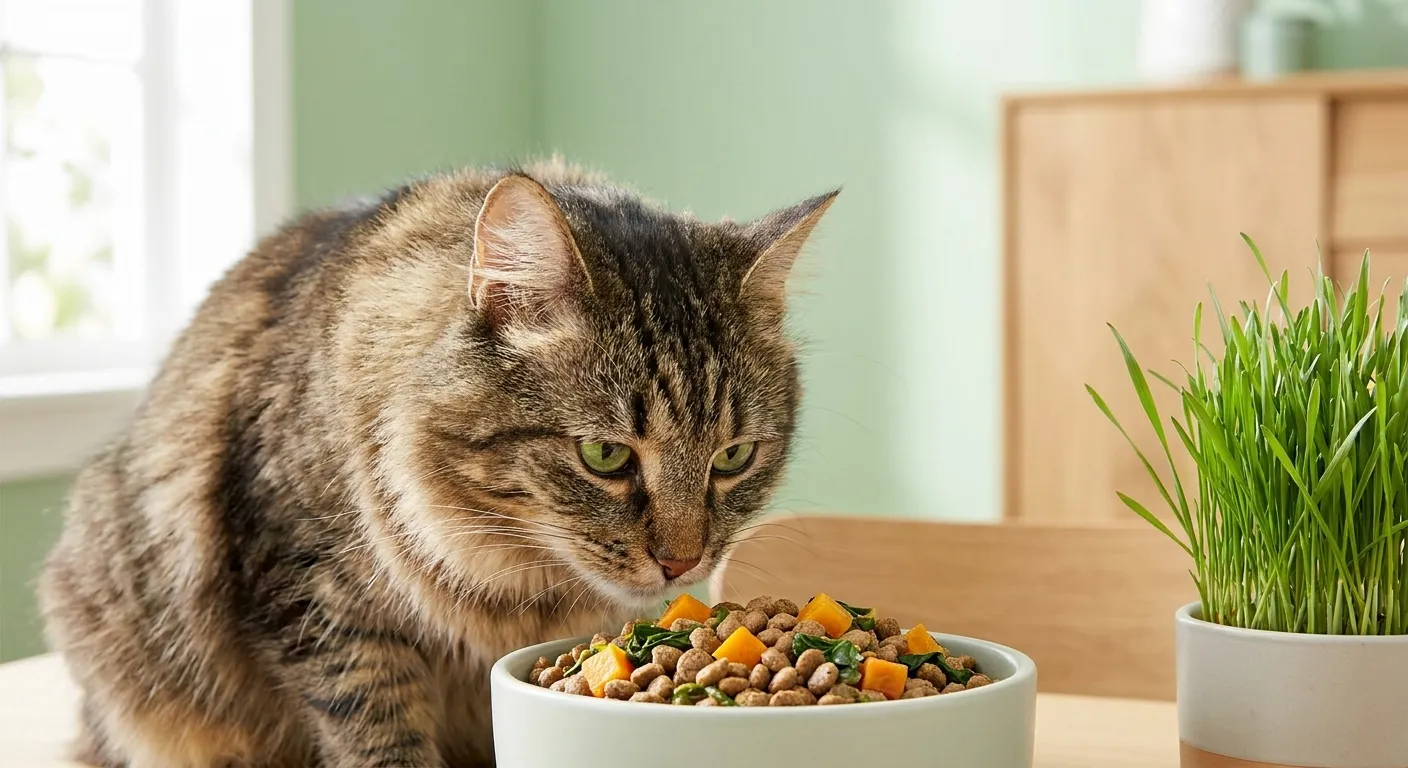
While often associated with human diets, fiber plays a surprisingly important, though nuanced, role in feline nutrition. Understanding the benefits of fiber for cat digestion can help you make better dietary choices for your pet’s overall health and well-being. Unlike omnivores or herbivores, cats don’t require large amounts of fiber, but appropriate levels can significantly aid in digestive health, hairball management, and even weight control.
Soluble vs. Insoluble Fiber: Different Roles in Feline Guts
Fiber isn’t a single substance; it comprises various plant materials that are resistant to enzymatic digestion in the small intestine. It’s broadly categorized into soluble and insoluble forms, each with distinct functions. Soluble fiber (found in ingredients like psyllium, oats, and certain fruits/vegetables) dissolves in water, forming a gel-like substance that can slow digestion, help regulate blood sugar, and provide a food source for beneficial gut bacteria (prebiotic effect). Insoluble fiber (found in cellulose, wheat bran, and many vegetables) does not dissolve in water. It adds bulk to stool, promoting regular bowel movements and helping to move food through the digestive tract. Both types contribute to a healthy gut microbiome and efficient waste elimination.
Understanding Your Cat’s Unique Digestive System
Cats are obligate carnivores, meaning their digestive systems are primarily designed to process meat. Their short digestive tracts and specific enzyme profiles are optimized for protein and fat, not complex carbohydrates like those found in plants. Therefore, the role of dietary fiber in their diet is different from that in omnivores or herbivores. Excessive fiber can actually hinder nutrient absorption, especially for essential amino acids and minerals. Consequently, the amount and type of fiber included in a cat’s diet must be carefully balanced to support, rather than impede, their carnivorous physiology. This delicate balance is crucial for maintaining optimal feline health.
Benefits and Sources of Fiber for Cats
When incorporated appropriately, fiber can offer several advantages for your cat. For cats prone to hairballs, insoluble fiber can help move ingested fur through the digestive system, reducing the incidence of vomiting. In overweight cats, fiber can contribute to a feeling of fullness without adding significant calories, aiding in weight management. You can learn more about managing your cat’s weight by visiting our guide on Cat Weight Health Conditions Explained. For cats with constipation or mild diarrhea, the right balance of fiber can normalize stool consistency. Common sources of beneficial fiber in commercial cat foods include beet pulp, psyllium husk, pumpkin, and various vegetable and fruit pulps. However, it’s crucial to remember that too much fiber can be detrimental, potentially interfering with nutrient absorption or causing excessive stool volume. Always consult your veterinarian before making significant dietary changes, especially when adding fiber supplements.
Hairball Management and Dietary Fiber
Hairballs are a common issue for many cats, especially those with long fur or who groom themselves frequently. Ingested hair, if not properly passed through the digestive tract, can accumulate and form hairballs, leading to vomiting and discomfort. Insoluble fiber acts as a natural bulk agent, helping to encapsulate the hair and facilitate its movement through the intestines. This reduces the likelihood of hairball formation and subsequent regurgitation. While fiber is helpful, regular grooming and ensuring your cat is well-hydrated are also important strategies for hairball prevention. For more on keeping your cat healthy, consider reading about keeping your cat hydrated for better health.
Fiber’s Role in Weight Control for Felines
Obesity is a significant health concern for many domestic cats. Incorporating appropriate levels of fiber into an overweight cat’s diet can be a valuable tool in weight management. Fiber adds volume to food without adding many calories, helping cats feel fuller and more satisfied after meals. This can reduce begging behavior and overall calorie intake. Furthermore, some types of fiber can slow down the rate at which food leaves the stomach, contributing to a sustained feeling of fullness. When considering weight control, understanding how much cats should eat daily is also vital. This strategy, combined with a carefully portioned diet and increased activity, can help cats reach and maintain a healthy weight. Always monitor your cat’s response to dietary changes and adjust as needed with veterinary guidance.
Addressing Constipation and Diarrhea with Fiber
Digestive upset, including constipation and mild diarrhea, can be distressing for both cats and their owners. The right kind of fiber, in appropriate amounts, can help regulate bowel movements. For constipation, insoluble fiber adds bulk and moisture to the stool, making it easier to pass. Conversely, for mild diarrhea, soluble fiber can absorb excess water in the digestive tract, helping to firm up loose stools. It also provides prebiotics, which support the growth of beneficial gut bacteria, further promoting a healthy intestinal environment. However, it’s crucial to distinguish between mild, temporary issues and chronic or severe conditions, which always warrant a veterinary examination. An appropriate amount of fiber for cat digestion can lead to more consistent and healthy bowel function.
Prebiotic Fiber and Gut Microbiome Health
Beyond its physical effects on stool, soluble fiber serves as a prebiotic. Prebiotics are non-digestible food ingredients that selectively stimulate the growth and activity of beneficial bacteria in the colon. A healthy gut microbiome is essential for overall feline health, influencing nutrient absorption, immune function, and even mood. By feeding these good bacteria, prebiotic fiber contributes to a balanced and diverse microbial population, which can enhance your cat’s digestive efficiency and bolster their natural defenses. Therefore, the inclusion of certain types of fiber can have far-reaching positive effects on your cat’s internal health, improving their ability to absorb nutrients and fight off pathogens. This makes fiber for cat digestion a key component in maintaining their vitality.
Choosing Commercial Cat Foods with Beneficial Fiber
When selecting a commercial cat food, examine the ingredient list for sources of beneficial fiber. Look for ingredients like beet pulp, psyllium husk, pumpkin, and various vegetable and fruit pulps. These are commonly used and generally well-tolerated by cats. However, be wary of foods with very high fiber content, as this might indicate a lower proportion of essential animal-based proteins and fats. The ideal cat food will balance all necessary nutrients, including a judicious amount of fiber, to support optimal health without compromising the primary carnivorous needs. Discussing specific food choices with your veterinarian can provide tailored recommendations for your cat’s individual needs. Understanding the balance between natural vs. processed cat food can also inform your choices.
Potential Risks of Too Much Fiber
While beneficial in moderation, excessive fiber in a cat’s diet can lead to several problems. Too much fiber can reduce the digestibility of other essential nutrients, including proteins, fats, and certain minerals like calcium, zinc, and iron. This can potentially lead to nutritional deficiencies over time. Furthermore, high fiber intake can result in increased stool volume and frequency, which might be uncomfortable for your cat and less convenient for you. It can also cause gas, bloating, and other digestive upsets. It is important to introduce any dietary changes gradually and observe your cat’s response closely. Always consult your vet before making significant dietary modifications, especially if considering fiber supplements. A balanced approach to fiber for cat digestion is always best.
When to Consider Fiber Supplements for Your Cat
In some cases, your veterinarian might recommend a fiber supplement for specific health issues, such as chronic constipation, recurrent hairballs, or certain forms of inflammatory bowel disease. These supplements are typically formulated to provide a controlled amount of fiber, often psyllium or a similar source, to achieve a particular therapeutic effect. It is crucial to administer these only under veterinary guidance, as the correct dosage and type of fiber are vital to prevent adverse effects. Self-medicating with human fiber supplements is not advised, as the formulations and concentrations may not be suitable for felines. Your vet can provide precise instructions for using fiber supplements to support your cat’s digestive health.
Consulting Your Veterinarian About Fiber for Cat Digestion
The most important step in adjusting your cat’s diet, particularly concerning fiber intake, is to consult with your veterinarian. They can assess your cat’s individual health status, current diet, and any existing medical conditions to provide personalized recommendations. Your vet can help determine if increasing or decreasing fiber is appropriate, suggest specific food formulations, or advise on the safe use of supplements. They can also rule out underlying health issues that might be contributing to digestive problems. A professional opinion ensures that any dietary changes you make are beneficial and safe for your beloved pet. This proactive approach will significantly contribute to optimal fiber for cat digestion and overall well-being.
In conclusion, while not a primary energy source, fiber for cat digestion is a valuable component of a balanced diet. It supports gut health, aids in hairball control, and can assist with weight management. Choosing foods with appropriate fiber levels, or discussing supplementation with your vet, can contribute significantly to your cat’s digestive comfort and overall vitality. Ensuring your cat receives the right amount and type of fiber is a key aspect of their long-term health plan. This careful consideration of their dietary needs helps them thrive.
FAQ
What exactly is fiber for cats?
Fiber for cats refers to indigestible plant material that passes through the digestive system largely intact. It’s not a nutrient for energy, but it plays crucial roles in gut health, stool consistency, and hairball management.
How much fiber does a cat need in their diet?
Cats are carnivores, so they need relatively small amounts of fiber compared to omnivores. The ideal amount varies, but generally, commercial cat foods contain appropriate levels. Your veterinarian can advise on specific needs.
Can fiber help with my cat’s hairballs?
Yes, insoluble fiber can be very effective in helping to manage hairballs. It adds bulk to stool, which helps move ingested hair through the digestive tract, reducing the incidence of vomiting.
What are good sources of dietary fiber for felines?
Common sources of beneficial fiber in cat food include beet pulp, psyllium husk, and pumpkin. These ingredients provide both soluble and insoluble fiber that supports digestive health.
Are there any risks associated with too much fiber in a cat’s diet?
Yes, excessive fiber can interfere with nutrient absorption, leading to deficiencies. It can also cause increased stool volume, gas, and other digestive upsets. Moderation and veterinary consultation are key.
How does fiber assist with feline weight management?
Fiber adds bulk to food without adding many calories, helping cats feel fuller and more satisfied. This can reduce overall calorie intake and assist in achieving or maintaining a healthy weight. It’s a useful tool for managing feline obesity.


