
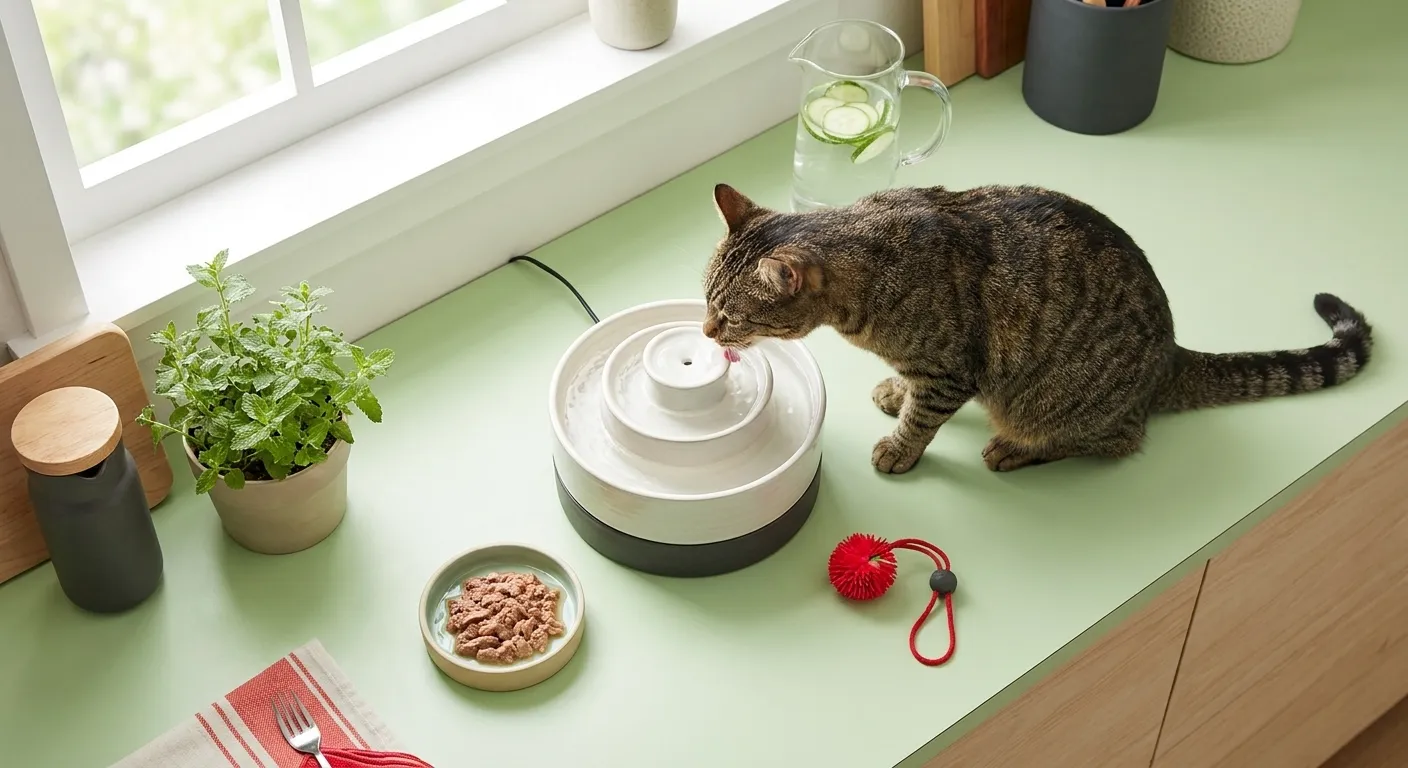
The world of pet nutrition can be overwhelming. Nowhere is this more apparent than in the aisle dedicated to cat nutritional supplements. Countless products promise everything from shinier coats to improved longevity. Consequently, it’s easy for cat owners to wonder if their feline friend needs an extra boost beyond their regular diet. At Cat Nutrition Guide, we advocate for an evidence-based approach. We aim to clarify when supplements are genuinely beneficial and when they might be an unnecessary expense or even potentially harmful.
The Foundation: A Complete and Balanced Diet
Before considering any supplement, it’s crucial to ensure your cat is consuming a high-quality, complete, and balanced diet. Reputable commercial cat foods are formulated to meet all of a cat’s essential nutrient requirements. These standards are set by organizations like the AAFCO (Association of American Feed Control Officials). If your cat is healthy and eating such a diet, additional supplementation is often not needed. Furthermore, it can, in some cases, lead to an imbalance of nutrients. Therefore, a solid dietary foundation is always the first step for optimal feline health.
When Cat Nutritional Supplements Might Be Considered
Supplements are typically designed to address specific deficiencies. They also support particular health conditions or aid during certain life stages. However, they are not a substitute for a balanced diet or veterinary care. Here are scenarios where your veterinarian might recommend them:
1. Joint Health Support
As cats age, they can develop osteoarthritis. This often leads to joint pain and reduced mobility. Supplements containing glucosamine, chondroitin, and MSM are frequently recommended. They support cartilage health and reduce inflammation. These are particularly common for senior cats or those with a history of joint issues. For instance, an older cat struggling to jump might benefit significantly.
2. Omega-3 Fatty Acids (EPA and DHA)
Found in fish oil, omega-3 fatty acids are potent anti-inflammatory agents. They can be beneficial for cats with skin allergies, inflammatory bowel disease (IBD), kidney disease, or certain heart conditions. Additionally, they support cognitive function and coat health. Always choose a veterinary-grade supplement to ensure purity and appropriate dosing. Moreover, discussing dosage with your vet is essential.
3. Probiotics and Prebiotics for Digestive Health
If your cat experiences chronic diarrhea, constipation, or digestive upset, probiotics (beneficial bacteria) and prebiotics (food for beneficial bacteria) can help restore gut flora balance. They are also often recommended after antibiotic courses. Antibiotics can disrupt the natural gut microbiome. Consequently, these supplements can help maintain a healthy digestive system. For more on digestive health, consider our Cat Food Sensitivities Diet Planning Guide.
4. Vitamin and Mineral Deficiencies
While rare in cats on balanced commercial diets, deficiencies can occur. This is especially true with homemade diets that aren’t properly formulated. It can also happen in cats with specific absorption issues. Your veterinarian can identify deficiencies through blood tests. They can then recommend targeted supplementation. For example, a cat with a chronic illness might require specific vitamin boosts.
5. Specific Health Conditions
Certain medical conditions might warrant specific supplements. For example, B vitamins are sometimes used to support cats with kidney disease. Similarly, L-carnitine can be helpful for cats with certain heart conditions. These are not general recommendations but rather tailored treatments. Always consult your vet for a proper diagnosis and treatment plan. They can determine if particular Cat Weight Health Conditions Explained require additional support.
The Risks of Unnecessary Supplementation
Providing your cat with unnecessary nutritional supplements can be counterproductive. Firstly, some vitamins and minerals can be toxic in excessive amounts. For example, too much Vitamin A can lead to bone and joint problems. Excess Vitamin D can cause kidney damage. Secondly, supplements can interact with medications your cat is already taking. This can lead to adverse effects or reduce the efficacy of prescribed treatments. Therefore, always discuss any potential supplements with your veterinarian. They can provide guidance based on your cat’s individual health profile. Also, remember that not all supplements are created equal. Quality and purity vary widely among brands. Consequently, choosing a reputable, veterinary-approved product is paramount.
Navigating the Supplement Aisle: What to Look For
When considering nutritional support for cats, several factors should guide your decision. First and foremost, always seek veterinary advice. Your vet knows your cat’s medical history and can recommend appropriate products. Secondly, look for supplements with certifications. Organizations like the National Animal Supplement Council (NASC) provide a quality seal. This indicates adherence to certain manufacturing and labeling standards. Thirdly, check the ingredients list carefully. Avoid products with unnecessary fillers, artificial colors, or preservatives. Finally, pay attention to the dosage instructions. Over-supplementation can be just as harmful as a deficiency. It’s a complex area, so informed choices are vital.
Common Misconceptions About Feline Dietary Boosts
Many cat owners believe that if a little is good, more must be better. This is rarely true when it comes to feline dietary supplements. Cats have very specific nutritional needs. Their bodies are not designed to process large excesses of certain nutrients. Another common misconception is that all natural supplements are safe. However, ‘natural’ does not always mean harmless. Some natural ingredients can have potent effects or interact negatively with other substances. For example, certain herbs can be toxic to cats. Furthermore, some owners might assume that a cat refusing to eat a balanced diet needs supplements. In such cases, addressing the underlying cause of picky eating is more important than adding supplements. Our Picky Eating Cats Diet Guide offers valuable insights here. Instead of a quick fix, a holistic approach is best for long-term health.
The Importance of Veterinary Guidance for Cat Nutritional Supplements
It cannot be stressed enough: your veterinarian is your best resource regarding your cat’s diet and health. They can perform diagnostic tests to identify any true deficiencies or underlying health conditions. Based on these findings, they can recommend specific cat nutritional supplements if necessary. They can also advise on appropriate dosages and potential interactions with other medications. Attempting to self-diagnose and treat with supplements can delay proper veterinary care. This could potentially worsen your cat’s condition. Therefore, always schedule a consultation before introducing any new supplement into your cat’s routine. This proactive approach ensures your feline friend receives the best possible care.
Beyond Supplements: Holistic Approaches to Feline Well-being
While cat nutritional supplements have their place, they are just one piece of the puzzle for overall feline well-being. A holistic approach involves several key components. This includes a high-quality, balanced diet, regular veterinary check-ups, and an enriching environment. Ensuring your cat stays hydrated is also crucial, as detailed in our guide on Keep Your Cat Hydrated for Better Health. Additionally, managing stress, providing adequate exercise, and fostering a loving bond contribute significantly to your cat’s health. Think of supplements as a targeted aid, not a comprehensive solution. Focusing on these foundational elements will naturally Improve Cat Health Naturally Starting Today. Ultimately, a healthy lifestyle is the best preventative medicine.
Understanding the AAFCO Standards for Cat Food
The Association of American Feed Control Officials (AAFCO) plays a vital role in ensuring the quality of commercial pet foods. AAFCO does not regulate pet food, but rather establishes model feed laws and regulations. These serve as guidelines for individual states. A pet food that states it meets AAFCO nutrient profiles for a specific life stage (e.g.,


