
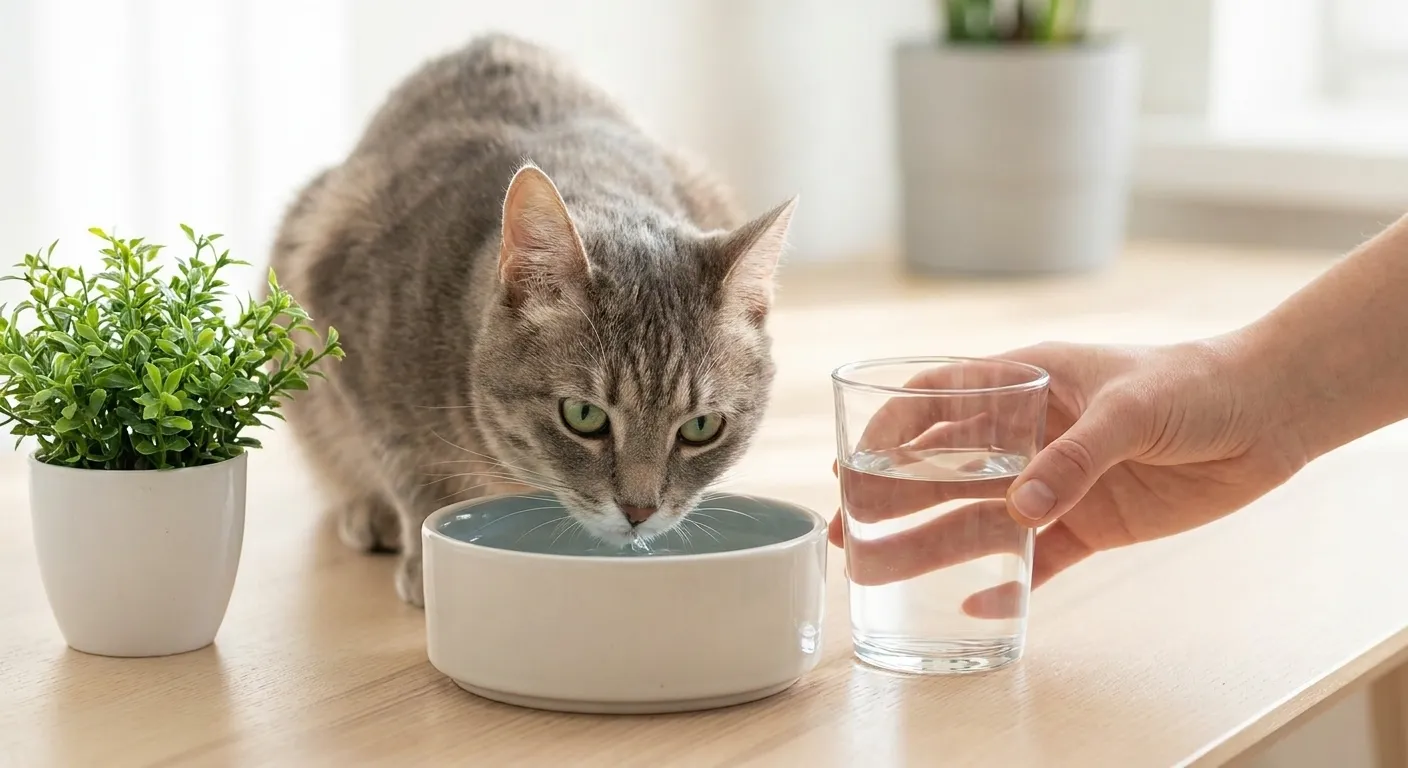
Water is often the most overlooked nutrient in a cat’s diet, yet it is absolutely critical for their survival and long-term health. At Cat Nutrition Guide, we know that understanding cat hydration tips is paramount for every feline owner. Cats are notoriously poor drinkers, a trait stemming from their desert-dwelling ancestors who derived most of their moisture from prey. This evolutionary heritage means domestic cats often don’t feel a strong thirst drive until they are already somewhat dehydrated. Let’s explore why hydration is so vital and actionable strategies to ensure your cat gets enough.
Why Hydration is Crucial for Feline Health
Adequate water intake supports nearly every bodily function in your cat. It aids in nutrient absorption, regulates body temperature, lubricates joints, and helps transport oxygen and waste products throughout the body. Most critically for cats, proper hydration is essential for kidney function and urinary tract health. Chronic dehydration can exacerbate or contribute to common feline conditions such as chronic kidney disease (CKD), urinary crystals, and bladder infections. Ensuring your cat is well-hydrated is a proactive step in preventing these serious health issues.
Recognizing the Signs of Dehydration
Because cats often mask illness, recognizing the subtle signs of dehydration is key. These can include lethargy, sunken eyes, dry gums, loss of skin elasticity (tenting when gently pinched), and decreased urination. While severe dehydration requires immediate veterinary attention, even mild, chronic dehydration can have long-term health implications. Regularly observing your cat’s water intake and overall demeanor can help you catch issues early. Furthermore, understanding these signs allows for prompt action.
The Role of Diet in Feline Hydration
The type of food your cat eats significantly impacts their hydration status. Dry kibble typically contains only 5-10% water, meaning cats on a solely dry diet must drink a substantial amount of water independently. Wet cat food, on the other hand, boasts a moisture content of 70-80%, closely mimicking the water content of natural prey. Incorporating wet food into your cat’s diet is one of the most effective ways to boost their daily water intake without them even realizing they are ‘drinking’ more. For more on dietary choices, consider exploring our guide on Wet Vs Dry Food for Cat Weight Control.
Practical Cat Hydration Tips: Encouraging Water Consumption
Here are several evidence-based strategies to encourage your cat to drink more water:
- Multiple Water Stations: Place several water bowls in different locations around your home. Cats often prefer to drink away from their food bowls, as instinct tells them not to contaminate their water source with prey. This separation can significantly increase their water consumption.
- Water Fountain: Many cats are attracted to moving water. A feline-specific water fountain can be a beneficial addition, providing fresh, oxygenated, and circulating water that mimics natural streams. Consequently, this can entice them to drink more frequently.
- Wide, Shallow Bowls: Some cats dislike their whiskers touching the sides of a bowl while they drink. Therefore, using wide, shallow bowls made of ceramic or stainless steel can make drinking a more comfortable experience. Plastic bowls can sometimes retain odors, which may deter sensitive felines.
- Freshness is Key: Always provide fresh, clean water. Stale or dirty water is unappealing to cats. Change the water at least once daily, and clean the bowls regularly to prevent bacterial buildup. Indeed, a clean bowl encourages more drinking.
- Add Flavor (Safely): A small amount of tuna juice (in water, not oil), chicken broth (unsalted), or a specialized feline hydration supplement can make water more enticing. However, use these sparingly to avoid creating a picky drinker. This method is one of many effective cat hydration tips.
- Ice Cubes: Some cats enjoy batting at and licking ice cubes. Adding a few to their water bowl can make drinking an interactive and refreshing experience, especially in warmer weather.
- Consider Filtered Water: Just like humans, some cats are sensitive to the taste of tap water, particularly if it has a high chlorine content. Offering filtered water might increase their willingness to drink.
Environmental Factors Affecting Water Intake
Beyond the bowl itself, various environmental factors can influence how much your cat drinks. The temperature of your home, for instance, plays a role. In warmer environments, cats naturally need more water to regulate their body temperature. Similarly, increased activity levels will also necessitate higher fluid intake. Ensure their water sources are easily accessible and not hidden away in dark corners. Furthermore, consider placing bowls in quiet, safe areas where your cat feels secure enough to drink without interruption.
Monitoring Your Cat’s Water Consumption
It’s important to monitor how much your cat is actually drinking. While there’s no exact universal amount, a general guideline is about 2-4 ounces of water per 5 pounds of body weight per day, including moisture from food. If you notice a significant decrease or increase in their drinking habits, it warrants attention. A sudden increase in thirst, for example, could indicate underlying health issues like diabetes or kidney disease. Conversely, a noticeable decrease might point to dehydration. Keeping a watchful eye is one of the best cat hydration tips for proactive health management.
When to Consult Your Veterinarian
If, despite your best efforts, your cat consistently shows signs of dehydration or refuses to drink, it’s crucial to consult your veterinarian immediately. They can perform a thorough examination to rule out any underlying medical conditions and provide specific guidance. Dehydration can quickly become a serious medical emergency for cats. Therefore, prompt veterinary care is essential to ensure your cat’s well-being. Furthermore, your vet can offer personalized cat hydration tips tailored to your pet’s specific needs.
Advanced Hydration Strategies for Reluctant Drinkers
For cats that remain particularly resistant to drinking, more advanced strategies might be necessary. This could involve adding water directly to their wet food, creating a ‘soup’ consistency. Some owners even use specialized hydration gels or supplements recommended by veterinarians. In severe cases, subcutaneous fluids administered by a vet might be required to rehydrate a cat safely and effectively. Ultimately, persistent effort and creativity are often needed to ensure adequate fluid intake for these felines. These advanced approaches are vital cat hydration tips for challenging situations.
The Link Between Hydration and Overall Wellness
Proper hydration is not just about preventing specific diseases; it’s fundamental to your cat’s overall vitality and longevity. A well-hydrated cat generally has more energy, a healthier coat, and better digestive function. Dehydration, even mild, can lead to lethargy, constipation, and a dull coat. Therefore, prioritizing your cat’s water intake contributes significantly to their quality of life. For more ways to enhance your cat’s health, consider reading about how to Improve Cat Health Naturally Starting Today.
Understanding Your Cat’s Unique Preferences
Every cat is an individual, and what works for one may not work for another. Some cats prefer glass bowls, others stainless steel. Some like tap water, while others prefer filtered. Pay close attention to your cat’s preferences regarding bowl material, location, and water temperature. Experimentation is key to discovering what encourages your particular feline friend to drink more. Observing their habits can provide valuable insights into their specific needs. Implementing these personalized cat hydration tips will yield the best results.
Conclusion
Ensuring your cat receives adequate hydration is a fundamental aspect of responsible pet ownership. Given their ancestral predisposition to low thirst drive, active management of their water intake is often necessary. By implementing the various cat hydration tips discussed – from offering multiple water sources and wet food to maintaining freshness and recognizing signs of dehydration – you can significantly contribute to your feline’s long-term health and well-being. Remember, consistent observation and proactive measures are the best ways to support your cat’s hydration needs. If concerns persist, always consult your veterinarian for expert advice. Prioritizing these hydration strategies will undoubtedly lead to a healthier, happier cat.
FAQ: Common Questions About Feline Water Intake
How much water should a cat drink daily?
Generally, a cat should drink about 2-4 ounces of water per 5 pounds of body weight per day, including moisture from their food. Cats eating wet food will drink less visible water than those on a dry kibble diet because wet food provides significant moisture.
Can adding ice to my cat’s water help?
Yes, adding ice cubes to your cat’s water bowl can be an effective way to encourage drinking. Many cats are curious about ice and enjoy batting at it or licking the cold surface, which can increase their overall water consumption.
What are the signs that my cat isn’t getting enough water?
Signs of insufficient water intake can include lethargy, sunken eyes, dry or tacky gums, reduced skin elasticity (skin tents when gently pinched and is slow to return to normal), and decreased urination. If you observe these symptoms, consult your veterinarian.
Is tap water safe for cats, or should I use filtered water?
For most cats, tap water is safe, provided it’s potable for humans. However, some cats are sensitive to the taste of chlorine or minerals in tap water. Offering filtered water might be more appealing to them and encourage greater consumption. Always ensure the water is fresh and clean.
How does diet affect a cat’s fluid intake?
Diet significantly impacts a cat’s fluid intake. Dry kibble has a very low moisture content (5-10%), meaning cats on a dry-food-only diet must drink a lot of water independently. Wet cat food, conversely, contains 70-80% moisture, closely mimicking natural prey and contributing substantially to their daily fluid needs. Therefore, incorporating wet food is a great way to boost their hydration.


