
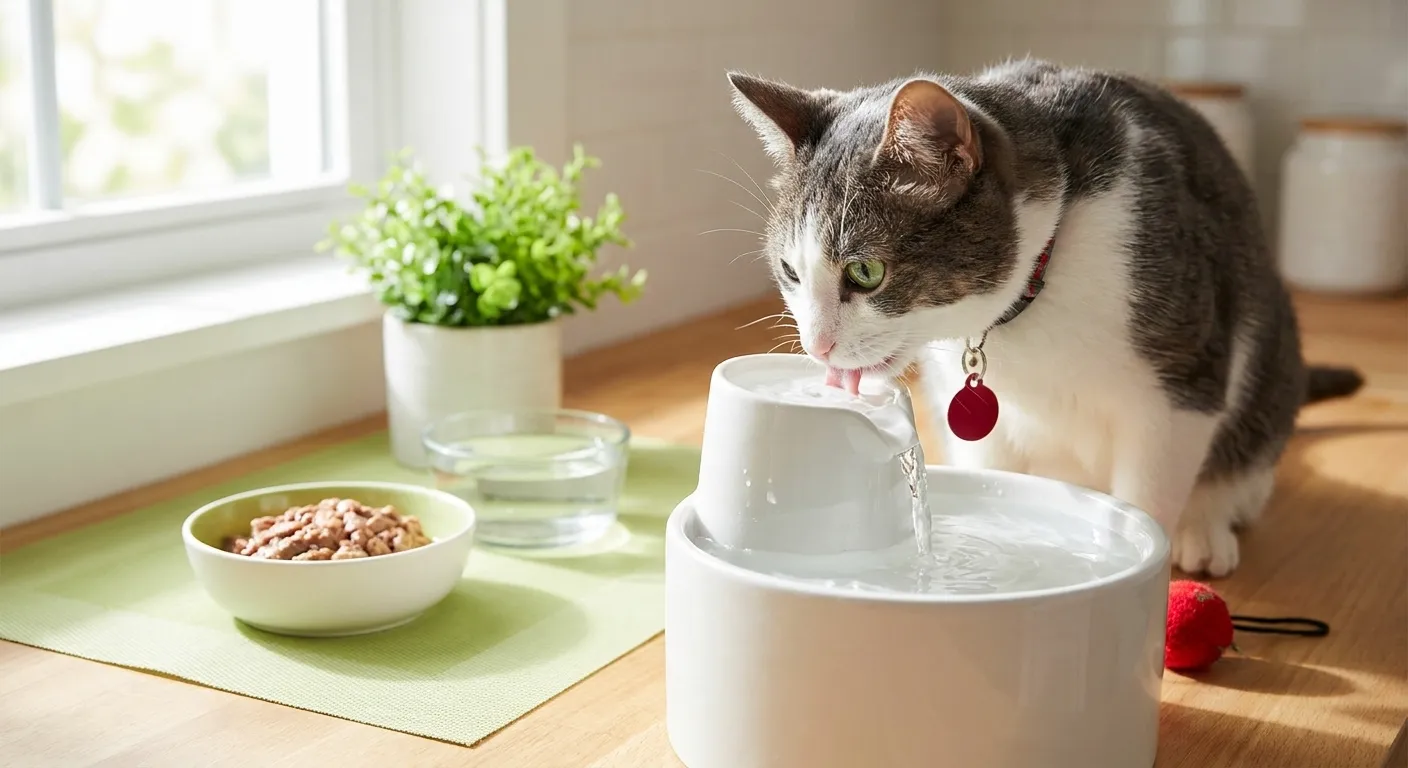
Many cat owners wonder how to ensure their feline companions drink enough water. Proper hydration is critical for a cat’s overall health, supporting kidney function, urinary tract health, and digestion. However, cats often have a low thirst drive, especially if they primarily eat dry kibble. This makes proactive strategies to improve cat hydration tips invaluable for preventing common feline health issues. Understanding how to encourage your cat to consume more fluids can significantly impact their long-term well-being.
Why Feline Hydration Matters and Common Challenges
Cats are descended from desert-dwelling ancestors. This means they are naturally adapted to obtain much of their moisture from their prey. This evolutionary trait often translates to a low drive to drink standing water. When a cat’s diet consists primarily of dry kibble, which contains only about 10% moisture, they often do not compensate by drinking enough water to meet their needs. Chronic dehydration can lead to serious health problems. These include urinary crystals, bladder infections, and kidney disease. Recognizing these challenges is the first step in implementing effective strategies to support their health.
A cat’s ancestral diet, consisting of small prey, provided approximately 70-80% moisture. Domesticated cats, especially those on a dry food diet, often miss this crucial source of hydration. Consequently, their bodies may operate in a state of mild, chronic dehydration. This can stress their kidneys and urinary system over time. Therefore, understanding these physiological predispositions is essential for any cat owner aiming to optimize their pet’s health. We must actively work to bridge this hydration gap.
Practical Cat Hydration Tips: Increasing Fluid Intake
There are several effective ways to boost your cat’s water intake. One of the most impactful changes is incorporating wet food into their diet. Wet food typically contains 70-85% moisture, significantly contributing to daily fluid needs. Furthermore, it helps ensure a balanced intake of essential nutrients. For more information on food choices, consider reading about Dry vs Wet Cat Food: Choosing the Best Form for Your Feline. Beyond food, consider using a feline-specific water fountain. Many cats prefer moving water over still water, as it mimics fresh, running sources and can be more appealing.
Ensuring water bowls are clean is also paramount. Use wide, shallow bowls to avoid whisker fatigue. Place these bowls in multiple, quiet locations away from food and litter boxes. This separation can make drinking more inviting. You can also try adding a small amount of low-sodium broth or tuna juice to water. Plain ice cubes can also entice them to drink more. Experiment with different bowl materials, such as ceramic, glass, or stainless steel, as some cats have preferences.
Enhancing Water Appeal for Your Feline Friend
Making water more enticing is a key part of effective cat hydration tips. Some cats are particular about the taste of their water. Filtered water can sometimes be more appealing than tap water, especially if your tap water has a strong chemical odor or taste. Regularly changing the water and cleaning the bowls prevents bacterial buildup, which can deter cats from drinking. Consider placing a bowl near a sunny window or in a spot where your cat often relaxes. This makes access convenient and appealing.
Another strategy involves adding flavor to the water in a safe way. A tiny splash of juice from a can of tuna (packed in water, not oil) or a bit of low-sodium chicken broth can work wonders. However, use these sparingly to avoid making water seem like a treat rather than a necessity. Always ensure any additions are safe for cats and free of harmful ingredients like onion or garlic. These simple adjustments can significantly increase your cat’s interest in drinking.
The Role of Diet in Feline Hydration
As mentioned, diet plays a monumental role in a cat’s hydration status. Transitioning from an exclusively dry kibble diet to one that includes or primarily consists of wet food is one of the most effective cat hydration tips. The high moisture content of wet food directly contributes to their daily fluid intake. This eases the burden on their kidneys and urinary tract. This dietary shift can prevent common issues like urinary crystals and bladder inflammation, which are often linked to insufficient hydration.
When selecting wet food, look for high-quality options with minimal fillers and appropriate protein levels. Understanding the ingredients and nutritional balance is crucial for your cat’s overall health. Learning about Species Appropriate Cat Food: Understanding Feline Dietary Needs can further guide your choices. Gradual transitions are best to avoid digestive upset. Mix small amounts of wet food with their dry kibble, slowly increasing the proportion over several days or weeks. This method helps your cat adjust to the new texture and taste.
Beyond Wet Food: Other Dietary Considerations for Hydration
While wet food is primary, other dietary components can also support hydration. Some cat owners explore Homemade Cat Food Recipes: Balancing Nutrition Safely, which allows for precise control over moisture content. If preparing homemade meals, always consult with a veterinary nutritionist to ensure complete and balanced nutrition. Raw or gently cooked diets, when prepared correctly, also offer high moisture content, mimicking a cat’s natural prey. However, these diets come with their own considerations regarding safety and nutritional balance. Consult your veterinarian before making significant dietary changes.
Even with a wet food diet, ensuring access to fresh water is still critical. Wet food helps, but it does not completely negate the need for drinking water. Consider supplementing with specialized hydration-boosting treats, if available and vet-approved. These can sometimes contain added electrolytes to further encourage fluid intake. Always check the ingredients and ensure they align with your cat’s dietary needs. For senior cats, whose kidney function may be declining, increased hydration is especially vital. Learn more about Senior Cat Nutrition: Supporting Aging Felines with Diet to ensure they receive adequate care.
Environmental Factors and Water Access
The placement and type of water source significantly influence how much your cat drinks. Cats are particular creatures, and their environment plays a large role in their willingness to drink. Multiple water stations throughout the house are ideal. This ensures that water is always within easy reach, regardless of where your cat chooses to nap or play. Furthermore, the material of the bowl can matter. Some cats dislike plastic bowls, which can harbor bacteria and impart strange tastes. Stainless steel, ceramic, or glass are often preferred options.
Consider placing water bowls away from high-traffic areas. Cats prefer to drink in peace, without feeling vulnerable or disturbed. Similarly, never place water bowls right next to the litter box. Cats are naturally clean animals and will avoid drinking near their waste area. Observe your cat’s habits. Where do they spend most of their time? Placing a water source in one of these favored spots can increase consumption. For more information on general feline health, you might find resources from the ASPCA helpful.
Innovative Water Delivery Methods
Beyond traditional bowls, several innovative methods can encourage water intake. Water fountains, as previously mentioned, are often highly effective. The sound and movement of flowing water can be irresistible to many cats. The filtration systems in fountains also keep the water fresh and clean, which is a major plus. There are various types of fountains available, from ceramic to stainless steel, with different flow settings. Experiment to find one your cat prefers.
Another creative approach involves


