
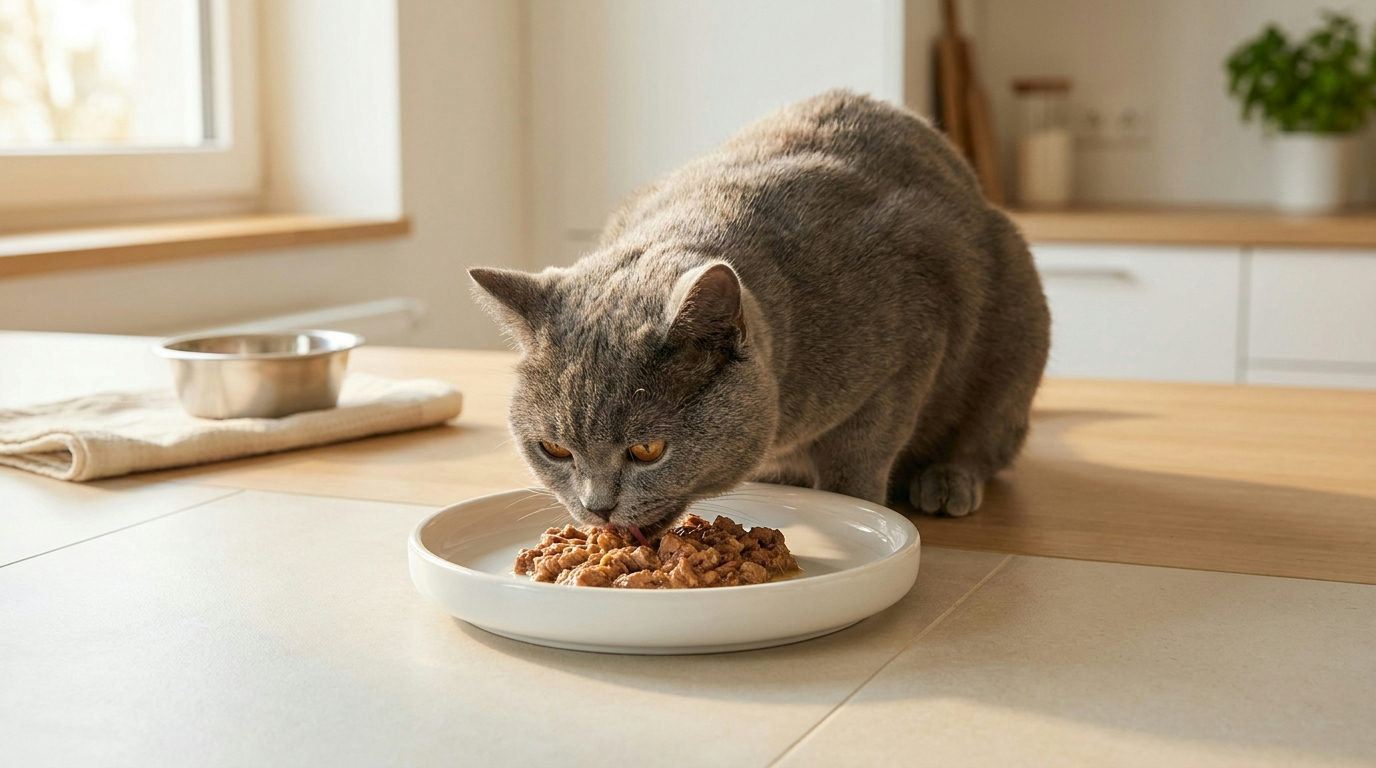
Choosing a cat food bowl sounds like a five-second decision, but the dish your cat eats from every day does matter. The material affects how easy it is to keep clean. The shape affects how comfortably your cat can reach the food. And the way you wash it affects food freshness. Fortunately, a few simple guidelines make choosing a cat food bowl much easier.
Disclosure: Cat Nutrition Guide may earn a commission from qualifying purchases made through links on this page, at no extra cost to you.
In this guide, we walk through the common bowl materials, the shapes many cats seem to prefer, what we actually know about “whisker fatigue,” and a practical cleaning routine. We will not rank specific products. Instead, the goal is to give you a checklist you can use in any shop.
Why Choosing a Cat Food Bowl Deserves a Little Thought
Cats are often particular about how and where they eat. Feline welfare groups such as International Cat Care encourage owners to think about the whole feeding setup, including the bowl, its location and how clean it is, rather than the food alone.
A bowl that is hard to clean, tips over easily or feels awkward to eat from will not usually cause a crisis. Even so, it can lead to messy eating, food left behind or a cat that seems fussy for no obvious reason. Small changes can therefore make mealtimes calmer for both of you.
Comparing Bowl Materials
Most cat bowls are made from stainless steel, ceramic, glass or plastic. Each has trade-offs.
| Material | Pros | Cons | Good to know |
|---|---|---|---|
| Stainless steel | Durable, non-porous, easy to clean, usually dishwasher safe | Lightweight bowls can slide; some cats dislike the reflection or noise | Look for a non-slip base and food-grade steel |
| Ceramic | Heavy and stable, smooth glazed surface, many shapes | Can chip or crack; damaged glaze is harder to clean | Choose glazes labeled food safe and replace chipped bowls |
| Glass | Non-porous, easy to see when it is clean | Can break if dropped | Tempered glass is sturdier |
| Plastic | Light, cheap and widely available | Scratches easily; scratches can hold food residue and bacteria | If you use plastic, replace it once it looks worn |
Stainless steel
Stainless steel is a popular default for good reason. It is non-porous, it handles hot water and dishwashers well, and it lasts for years. If your cat pushes the bowl around, a weighted base or a rubber ring underneath usually solves the problem.
Ceramic
A good-quality glazed ceramic bowl is also easy to clean, and its weight helps it stay put. However, once the glaze is chipped or crazed, small cracks can be harder to clean properly. At that point, it is time for a replacement.
Plastic
Plastic bowls are convenient, but they scratch over time. Those scratches can trap food and make thorough cleaning harder. Some owners also notice that their cat develops chin blemishes, sometimes called feline acne, and wonder if the bowl is involved. The causes are not fully understood, so if you see chin bumps or blackheads, talk to your vet rather than assuming the bowl is to blame. Switching to a non-porous material is a simple, low-risk step to discuss.
Shape and Size: Shallow and Wide Often Works Well
Many cats seem more comfortable eating from shallow, wide dishes than from deep, narrow bowls. A wide dish lets your cat see around while eating, and it allows easy access to the food without pushing the face deep into the bowl.
When choosing a cat food bowl shape, consider these points:
- Depth: Shallow dishes or even flat plates suit many cats, especially for wet food.
- Width: A rim wide enough that whiskers are not squeezed is a sensible goal.
- Stability: A heavy or non-slip base keeps food from sliding across the floor.
- Flat-faced breeds: Cats with short faces, such as Persians, often manage best with very shallow, wide dishes.
- Older cats: A slightly raised dish may be more comfortable for some seniors with stiff joints. Ask your vet if this might help your cat.
What about whisker fatigue?
You may have heard the term “whisker fatigue” or “whisker stress.” The idea is that a cat’s sensitive whiskers brushing against the sides of a deep bowl over and over might be unpleasant, leading some cats to eat less or pull food out onto the floor.
It is fair to say the evidence behind this is limited. It is a popular idea rather than a well-studied condition. That said, offering a shallow, wide dish costs little and may suit your cat better. If your cat pulls food out of the bowl, eats only from the middle or seems hesitant at the dish, trying a wider plate is a reasonable experiment.
Importantly, a change in appetite is not something to blame on the bowl alone. If your cat is eating noticeably less, losing weight or skipping meals, see your vet.
Hygiene: How Often to Wash Cat Bowls
Cleaning matters as much as the bowl you choose. The ASPCA’s cat care guidance encourages owners to keep food and water fresh and dishes clean. In practice, a sensible routine looks like this:
- Wet food bowls: Wash after every meal. Wet food left out spoils quickly, so remove leftovers according to the label guidance.
- Dry food bowls: Wash at least daily, and do not simply top up old kibble on top of crumbs and oils.
- Water bowls: Rinse and refill daily, with a proper wash regularly.
- Use hot, soapy water: Rinse well so no soap residue remains. Dishwasher-safe bowls can go on a hot cycle.
- Dry thoroughly: A dry bowl is less welcoming to bacteria than a damp one.
- Inspect regularly: Replace bowls that are scratched, chipped or cracked.
A simple trick is to own at least two food bowls per cat. That way, one can be in the wash while the other is in use, and you are never tempted to skip cleaning.
Where to Put the Bowl
Placement is part of the setup too. International Cat Care and other welfare groups commonly recommend keeping food away from the litter box, and many cats prefer their water bowl a little apart from their food. A quiet spot away from heavy foot traffic and noisy appliances may also help a nervous cat eat calmly.
In multi-cat homes, give each cat its own bowl, ideally in separate spots, so no one feels crowded or guarded at mealtimes. If you are working out meal timing too, our guide to a cat feeding schedule can help.
A Quick Shopping Checklist
Use this list when choosing a cat food bowl:
- Non-porous, food-safe material (stainless steel, glazed ceramic or glass)
- Shallow and wide enough that whiskers are not squeezed
- Stable or non-slip base
- Smooth surface with no hard-to-clean seams or crevices
- Dishwasher safe, if that suits your routine
- Right size for the portion, so food is not piled deep
- At least two per cat, so one is always clean
Worked Example: Troubleshooting a “Fussy” Eater
Picture a cat who scoops wet food out of a deep plastic bowl, eats it off the floor and leaves a ring of food around the edges. The food itself has not changed, and the cat is otherwise bright and healthy.
A practical approach would be to try a clean, shallow stainless or ceramic plate in a quiet spot, wash it after every meal and watch for a week. If the behavior improves, great. If it does not, or if your cat is eating less or losing weight, book a vet visit, since dental pain and other health problems can also change how a cat eats.
Frequently Asked Questions
Are raised bowls better?
Not for every cat. Some older cats or cats with joint stiffness may find a slightly raised dish more comfortable. Ask your vet whether it makes sense for yours.
Can I use a regular dinner plate?
Yes, a clean, shallow plate from your kitchen often works well for wet food. Just keep it for your cat and wash it after each meal.
Do puzzle feeders count?
Puzzle feeders can add enrichment, but they need careful cleaning too. Check that your cat is still eating its full portion.
The Bottom Line
When choosing a cat food bowl, go for a non-porous material, a shallow and wide shape, a stable base and a cleaning routine you can stick to. The science on whisker fatigue is limited, but a wider dish is an easy change to try. Most importantly, if your cat’s appetite changes, look beyond the bowl and talk to your vet.
This article is for general information only and is not veterinary advice. It is not a substitute for advice from a licensed veterinarian who knows your cat.


