
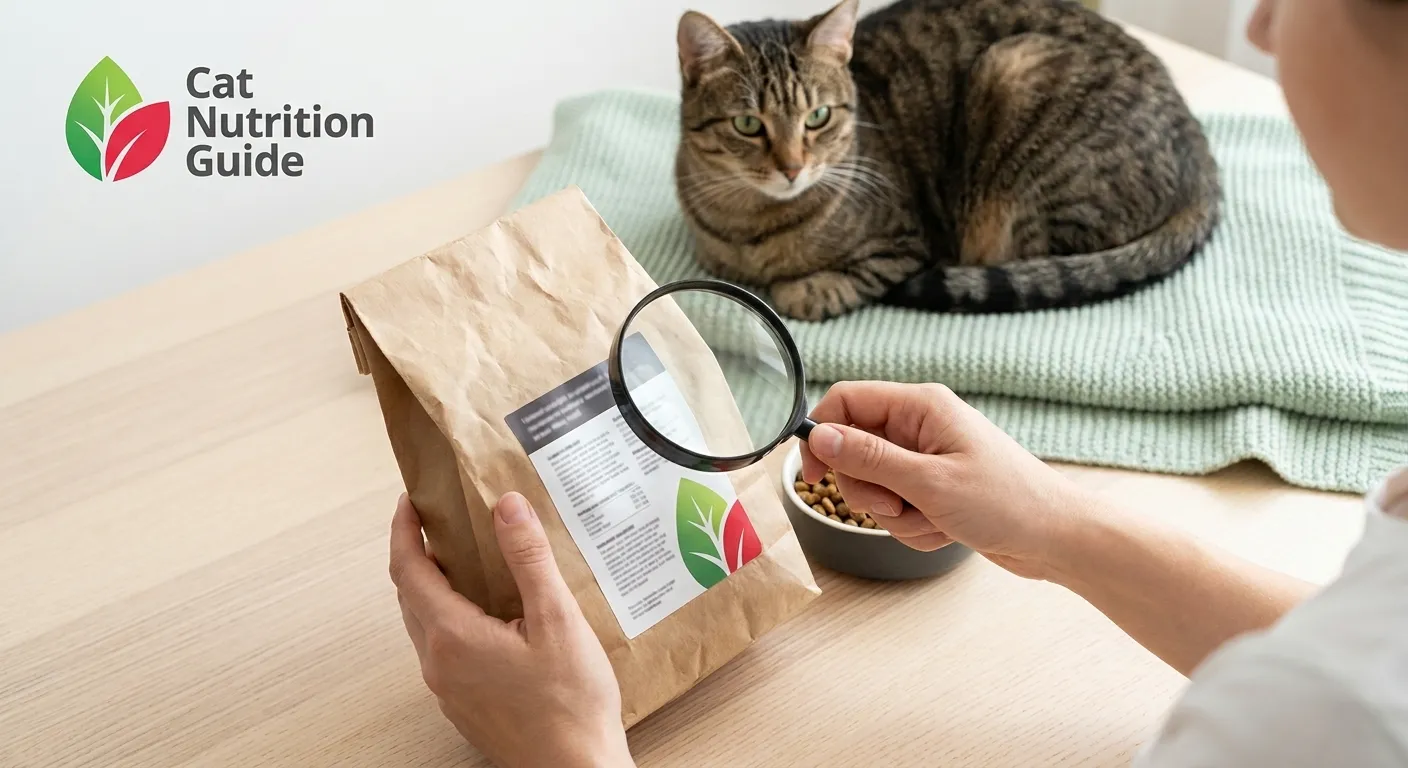
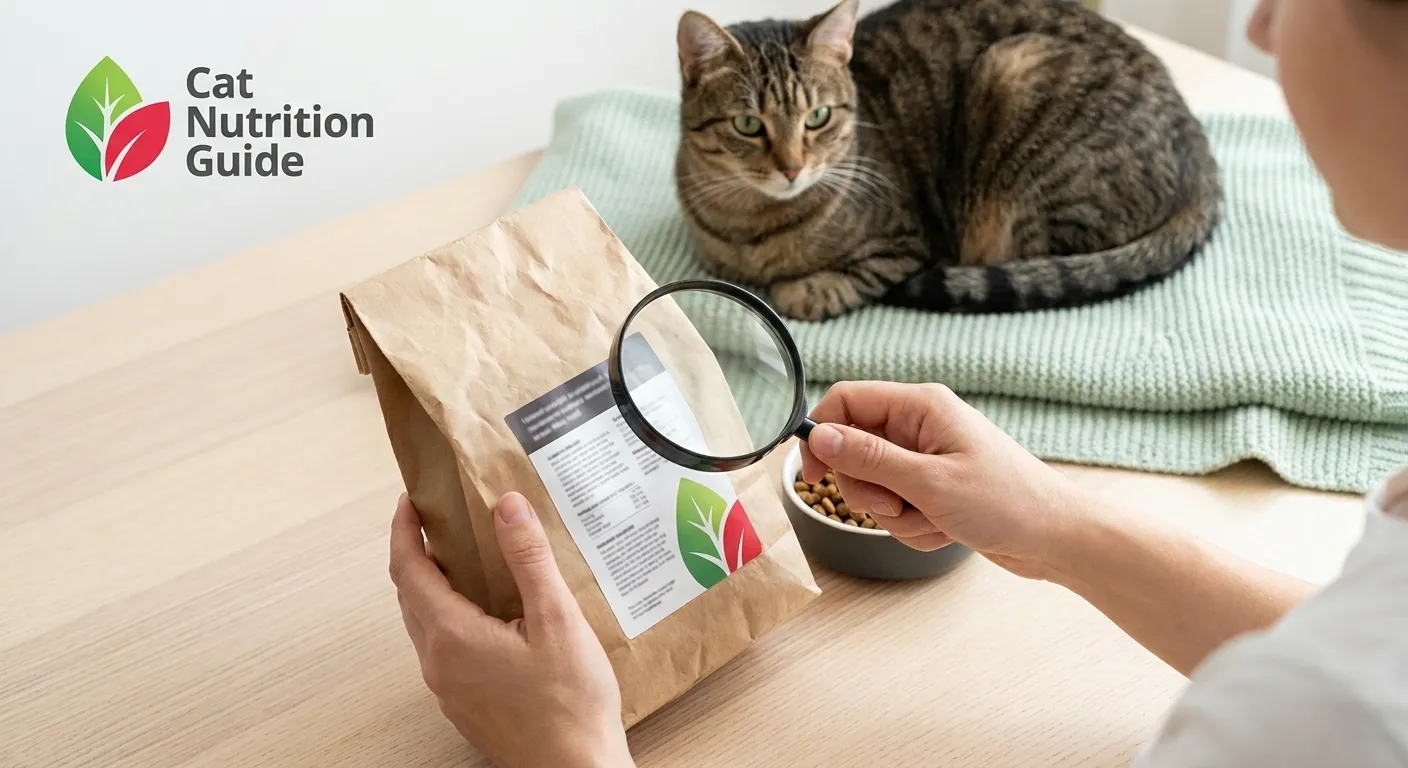
Navigating the pet food aisle can be overwhelming, with countless brands making various claims. For cat owners, understanding what’s truly inside that bag or can is crucial for making informed dietary choices. Learning how to effectively decipher cat food labels explained empowers you to select a diet that meets your feline’s specific nutritional needs, supporting their health and longevity. This guide will walk you through the key sections of a cat food label, transforming confusion into clarity.
The Importance of the Ingredient List
The ingredient list on a cat food label is presented in descending order by weight before cooking. This means the first few ingredients make up the bulk of the food. For obligate carnivores like cats, high-quality animal-based protein sources such as ‘chicken meal’, ‘turkey’, ‘salmon’, or ‘beef’ should be prominent at the top of the list. Be wary of ambiguous terms like ‘meat by-products’ if not specified, or excessive plant-based fillers that offer little nutritional value for felines. While some plant ingredients can provide fiber or certain nutrients, they should not be the primary protein source. Understanding this hierarchy is central to comprehending cat food labels explained.
Guaranteed Analysis and AAFCO Statements
The Guaranteed Analysis section provides minimum percentages of crude protein and crude fat, and maximum percentages of crude fiber and moisture. While useful, these are minimums and maximums, not exact values, and they don’t tell you about the quality or digestibility of the ingredients. A more critical piece of information is the AAFCO (Association of American Feed Control Officials) statement. Look for a statement like “[Product Name] is formulated to meet the nutritional levels established by the AAFCO Cat Food Nutrient Profiles for [Life Stage: e.g., adult maintenance, growth, all life stages].” This indicates the food is nutritionally complete and balanced for the specified life stage. Without this statement, the food might be considered a treat or supplemental, not a sole diet. For a deeper understanding, explore understanding AAFCO standards for cat food.
Decoding Ingredient Quality: What to Look For
When examining the ingredient list, the quality of protein sources is paramount for felines. Cats require a diet rich in animal-based protein because they are obligate carnivores. This means their bodies are designed to process nutrients found predominantly in meat. Look for specific meat sources like ‘chicken’, ‘turkey’, ‘salmon’, or ‘beef’ listed as the first few ingredients. Meat meals, such as ‘chicken meal’ or ‘salmon meal’, are also excellent as they are concentrated forms of protein with much of the water removed, making them a dense source of essential amino acids. Conversely, non-specific terms like ‘meat by-products’ can be concerning if the source is not identified, as they can vary greatly in quality and digestibility. Similarly, ‘animal digest’ should be viewed with caution.
Furthermore, avoid foods with an abundance of plant-based proteins such as corn gluten meal, soy protein, or pea protein listed high on the ingredient list. While these can contribute to the overall protein percentage in the Guaranteed Analysis, they are not as biologically appropriate or digestible for cats compared to animal proteins. Cats simply cannot utilize plant proteins as efficiently. For more on this, consider reading about species appropriate cat food.
Understanding Carbohydrates and Fillers
Cats have a limited physiological need for carbohydrates. Therefore, a high amount of grains, corn, wheat, or potatoes listed prominently on a label can indicate an excess of unnecessary fillers. While some carbohydrates can provide quick energy or fiber, they should not dominate the ingredient profile. Excessive carbohydrates can contribute to weight gain and may not provide the optimal nutrition for your feline friend. Always remember that for cat food labels explained, less is often more when it comes to plant-based ingredients.
Some plant ingredients, however, can be beneficial in moderation. For example, certain vegetables and fruits can provide vitamins, minerals, and fiber. Fiber, in particular, aids in digestion and can help prevent hairballs. However, these should appear lower on the list, indicating smaller quantities. If you are curious about the role of fiber, delve into the role of fiber in your cat’s diet.
Fats: Essential for Feline Health
Fats are a concentrated source of energy for cats and are crucial for the absorption of fat-soluble vitamins (A, D, E, K). Essential fatty acids, such as Omega-3 and Omega-6, are vital for skin and coat health, immune function, and anti-inflammatory processes. Look for clearly identified fat sources like ‘chicken fat’, ‘salmon oil’, ‘flaxseed oil’, or ‘sunflower oil’. Fish oils are particularly beneficial due to their high content of EPA and DHA, important Omega-3s. The presence of these healthy fats is a positive indicator when evaluating cat food labels explained.
Just as with proteins, the quality and source of fats matter. Avoid foods with vague ‘animal fat’ if the specific animal isn’t listed. High-quality fats contribute significantly to a cat’s overall health and vitality. Furthermore, the balance between Omega-3 and Omega-6 fatty acids is important, though this specific ratio is rarely detailed on the label. A diet containing varied animal fat sources and fish oils typically provides a good balance.
Vitamins, Minerals, and Supplements
Beyond the macronutrients, a complete cat food will include a blend of essential vitamins and minerals. These are often listed towards the end of the ingredient list. Key vitamins include Vitamin A, D, E, and B-complex vitamins. Essential minerals often include calcium, phosphorus, magnesium, potassium, and trace minerals like zinc, iron, and selenium. Taurine is an indispensable amino acid for cats, crucial for heart health and vision, and must be supplemented in their diet, as they cannot synthesize enough on their own. Therefore, ensure ‘taurine’ is present on the label.
Some cat foods also include probiotics or prebiotics, which support gut health. While beneficial, these are often added in smaller quantities. For more information on these, you might find probiotics for cats insightful. When examining cat food labels explained, the presence of a comprehensive vitamin and mineral premix, along with taurine, signifies a well-formulated diet.
Understanding the ‘Life Stage’ Statement
The AAFCO statement is not just about nutritional completeness; it also specifies the life stage for which the food is appropriate. This is critical because a kitten’s nutritional needs differ significantly from an adult cat’s, and a senior cat has unique dietary requirements. For example, ‘growth’ or ‘kitten’ formulas typically have higher protein and fat content to support rapid development. ‘Adult maintenance’ formulas are designed for healthy, non-reproducing adult cats. ‘All life stages’ formulas are formulated to meet the highest nutritional demands (usually growth and reproduction), meaning they are suitable for all cats, but might be unnecessarily rich for some adult or senior felines. Understanding the life stage indication is a key aspect of evaluating cat food labels.
Choosing the right food for your cat’s specific life stage ensures they receive the appropriate balance of nutrients for their current needs. Feeding an adult cat a kitten formula long-term, for instance, could lead to obesity due to excess calories. Similarly, feeding a kitten an adult maintenance diet might hinder their proper growth and development. For those with older cats, consider reviewing senior cat nutrition.
Dry Matter Basis Calculation
Comparing nutrient levels between wet and dry cat food can be tricky due to their differing moisture content. The Guaranteed Analysis lists nutrients on an ‘as fed’ basis, which includes water. To accurately compare, especially protein and fat, you need to calculate the dry matter basis. This involves subtracting the moisture percentage from 100% to get the dry matter percentage, then dividing the ‘as fed’ nutrient percentage by the dry matter percentage and multiplying by 100. This calculation helps to truly understand the nutrient density, a crucial step in evaluating cat food labels explained effectively. For instance, a wet food with 10% protein and 75% moisture (25% dry matter) actually has 40% protein on a dry matter basis (10/0.25 * 100). This is a helpful tool when comparing different food types.
This calculation is particularly important if you are trying to compare a dry kibble with a low moisture content (e.g., 10%) to a canned food with high moisture (e.g., 75-80%). Without converting to a dry matter basis, the wet food will always appear to have much lower protein and fat, even if it is nutritionally superior. Many cat owners find this aspect of reading cat food labels challenging, yet it is essential for making informed decisions about balanced nutrition for their pets.
The Role of Additives and Preservatives
Cat food labels also list various additives, including preservatives, colors, and flavors. Natural preservatives like mixed tocopherols (Vitamin E), citric acid, and rosemary extract are generally preferred over artificial preservatives such as BHA, BHT, and ethoxyquin, which have raised health concerns. Similarly, artificial colors and flavors are unnecessary for your cat’s health and are primarily added to appeal to human owners. Cats primarily rely on scent and texture when choosing food, not vibrant colors. Therefore, opting for foods free from artificial additives is often a healthier choice when reading cat food labels explained.
Always scrutinize these smaller print items. While they may seem minor, their long-term effects on a cat’s health can be significant. A simpler, more natural ingredient list, free from unnecessary chemicals, is usually indicative of a higher quality product. Remember, the goal is to provide your cat with wholesome, beneficial ingredients, not just fillers or artificial enhancers. Reputable manufacturers prioritize natural preservation methods.
Understanding Marketing Claims vs. Nutritional Facts
Manufacturers often use appealing marketing terms like ‘premium’, ‘gourmet’, ‘natural’, or ‘holistic’ on packaging. However, these terms are not regulated by AAFCO and do not necessarily indicate superior nutritional quality. For example, ‘natural’ generally means the food contains no artificial flavors, colors, or preservatives, but it doesn’t guarantee the quality of the ingredients themselves. Always look beyond these claims and focus on the ingredient list and AAFCO statement for factual information about the food. The true value of a cat food lies in its composition, not its marketing. This is a crucial distinction to make when you are trying to get cat food labels explained in detail.
Similarly, terms like ‘grain-free’ or ‘limited ingredient diet’ can be beneficial for certain cats with sensitivities or allergies, but they are not inherently superior for all cats. A ‘grain-free’ diet, for instance, might replace grains with other carbohydrate sources like potatoes or peas, which may not be more appropriate for a cat’s carnivorous diet. Always consider your individual cat’s needs and consult with your veterinarian before making significant dietary changes based solely on marketing claims. For general guidance, it is important to understand what the FDA says about pet food and regulations.
Special Considerations: Life Stages and Health Needs
Beyond the general guidelines, your cat’s specific life stage and any existing health conditions greatly influence the best food choice. Kittens require more calories, protein, and certain nutrients for growth. Adult cats need a maintenance diet, while senior cats may benefit from foods designed to support joint health, kidney function, or weight management. Pregnant or lactating queens also have elevated nutritional demands. For instance, a cat with kidney disease will require a prescription diet lower in phosphorus and protein.
Always consult your veterinarian for personalized dietary recommendations, especially if your cat has health issues or specific needs. They can help you navigate the complexities of specific diets and ensure you are making the best choice based on their clinical expertise and your cat’s health profile. Understanding cat food labels explained in the context of your cat’s individual circumstances is paramount. External expert resources like those from the Cummings School of Veterinary Medicine at Tufts University can also provide valuable insights.
Conclusion
Deciphering cat food labels might seem daunting at first, but by focusing on key elements like the ingredient list, guaranteed analysis, AAFCO statement, and understanding dry matter basis, you can make confident, informed choices for your feline companion. Prioritizing high-quality animal-based proteins, healthy fats, and essential nutrients, while being mindful of fillers and artificial additives, ensures your cat receives a diet that truly supports their health and well-being. Remember, a well-nourished cat is a happy cat, and understanding cat food labels explained is your first step towards achieving that.
Always discuss your cat’s dietary needs with your veterinarian for tailored advice. With this knowledge, you are now equipped to navigate the pet food aisle with clarity and purpose, choosing the best food to support a long, healthy life for your beloved feline.
FAQ: What are the most important things to look for on a cat food label?
The most important things to look for are a high-quality, animal-based protein as the first ingredient, a clear AAFCO statement indicating nutritional completeness for your cat’s life stage, and healthy fat sources. Also, check for the presence of taurine and a comprehensive vitamin/mineral blend.
FAQ: How do I compare the protein content between wet and dry cat food?
To accurately compare protein content between wet and dry foods, you need to calculate the dry matter basis. Subtract the moisture percentage from 100% to get the dry matter percentage, then divide the ‘as fed’ protein percentage by the dry matter percentage and multiply by 100.
FAQ: Are ‘grain-free’ cat foods always better for my cat?
Not necessarily. While beneficial for cats with grain sensitivities, ‘grain-free’ does not automatically mean healthier. These foods often replace grains with other carbohydrates like potatoes or peas, which may not be more appropriate for a cat’s carnivorous diet. Always consider your cat’s individual needs and consult your vet.
FAQ: What does the AAFCO statement mean on cat food packaging?
The AAFCO statement ensures the food is nutritionally complete and balanced for a specific life stage (e.g., adult maintenance, growth, or all life stages). Without this statement, the food may only be intended as a treat or supplement and not as a sole diet.
FAQ: Should I be concerned about artificial colors and preservatives in cat food?
It is generally advisable to choose cat foods free from artificial colors, flavors, and preservatives like BHA, BHT, or ethoxyquin. Natural preservatives (e.g., mixed tocopherols) are preferred. Artificial additives offer no nutritional benefit and can sometimes be linked to health concerns.


