
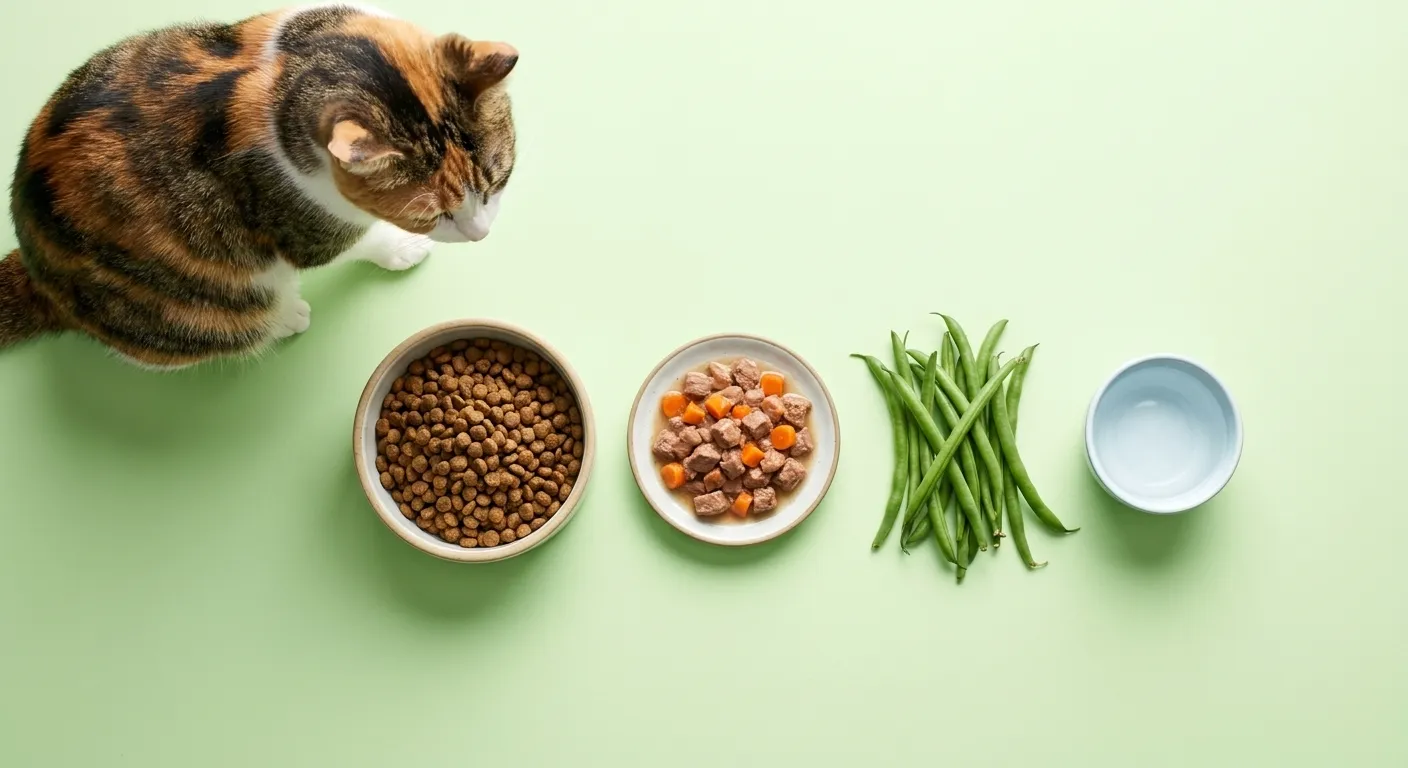
Every cat owner wants their beloved pet to thrive. At the heart of feline vitality lies a truly
balanced cat diet essentials
. It’s not just about filling a bowl. Instead, it’s about understanding the intricate nutritional requirements that make cats unique among household pets. As obligate carnivores, felines have evolved to depend on specific nutrients found primarily in animal tissues. This fundamental truth often gets overlooked in the vast landscape of pet food options.
This guide will unpack the core principles of feline nutrition. We will help you discern what truly constitutes a species-appropriate and complete diet for your cat. We’ll explore the critical macronutrients and micronutrients, the importance of moisture, and why a cat’s digestive system demands a particular type of fuel.
The Obligate Carnivore Blueprint: What It Means for Their Diet
Unlike omnivores or even other carnivores, cats are obligate carnivores. This isn’t just a label; it’s a biological imperative that dictates their entire digestive and metabolic system. Their bodies are designed to derive energy and nutrients from animal protein and fat, with very limited capacity to process plant-based ingredients efficiently. This means:
- High Protein Requirement: Cats need significantly more protein than dogs. Moreover, it must be animal-based. Plant proteins often lack essential amino acids like taurine. Cats cannot synthesize taurine on their own; it is vital for heart health and vision.
- Specific Fatty Acids: Felines require arachidonic acid, an omega-6 fatty acid found only in animal fats. They also lack the enzyme to convert beta-carotene into Vitamin A. Therefore, they need pre-formed Vitamin A from animal sources.
- Minimal Carbohydrate Utilization: Cats lack salivary amylase and have lower levels of pancreatic amylase. These enzymes are necessary for breaking down complex carbohydrates. Their glucose metabolism is adapted to gluconeogenesis from protein, not carbohydrate digestion.
Understanding these foundational differences is the first step in providing a truly nourishing diet. Generic pet food advice often fails to address these species-specific needs. In fact, selecting the right food is crucial for their overall well-being. Furthermore, a proper diet can significantly improve cat health naturally starting today.
Essential Macronutrients: Protein, Fat, and a Touch of Carbs
When evaluating a cat’s diet, the focus should always be on the primary macronutrients.
High-Quality Animal Protein
Protein is the cornerstone of a healthy feline diet. It provides the essential amino acids necessary for muscle development, enzyme production, hormone synthesis, and a strong immune system. For example, look for diets where animal protein sources (chicken, turkey, fish, beef, lamb) are listed as the first few ingredients. The higher the quality and digestibility of the protein, the better your cat can utilize it. This contributes significantly to a
balanced cat diet essentials
.
Healthy Animal Fats
Fats are a concentrated source of energy for cats. They play crucial roles in nutrient absorption, skin and coat health, and organ function. Essential fatty acids, such as omega-3s and omega-6s, are vital for reducing inflammation and supporting neurological health. However, cats need specific animal-derived fats like arachidonic acid. Ensure the fat sources are clearly identified and of high quality. Good sources include chicken fat, salmon oil, and other animal-based fats. These are critical components of a truly
balanced cat diet essentials
.
Limited Carbohydrates
While cats can digest a small amount of carbohydrates, they are not a necessary component of their diet. High carbohydrate levels in cat food can contribute to obesity and other health issues. Therefore, look for foods with minimal carbohydrate content, ideally below 10% of the caloric intake. When carbohydrates are present, they should come from easily digestible sources like peas or sweet potatoes, not corn or wheat. This careful balance ensures that the primary energy sources are protein and fat, reflecting the needs of an obligate carnivore.
The Critical Role of Moisture in Feline Nutrition
Cats naturally have a low thirst drive. This means they often do not drink enough water to stay adequately hydrated if their diet consists solely of dry kibble. In the wild, their prey provides most of their moisture. Therefore, incorporating wet food into your cat’s diet is incredibly important. Wet food typically contains 70-80% moisture, which helps support kidney function and urinary tract health. Chronic dehydration can lead to serious health problems over time. Consequently, ensuring sufficient moisture intake is one of the most important
balanced cat diet essentials
.
For further guidance on this topic, consider reading our article on keep your cat hydrated for better health. This resource offers practical tips and insights to ensure your feline friend gets enough water.
Essential Micronutrients: Vitamins and Minerals
Beyond macronutrients, a complete feline diet must provide a wide array of vitamins and minerals. These micronutrients support every bodily function, from bone health to immune response. Key vitamins include Vitamin A (pre-formed from animal sources), B vitamins (especially B12), Vitamin D, and Vitamin E. Important minerals include calcium, phosphorus, magnesium, zinc, and iron. Taurine, an amino acid, is also frequently discussed as a micronutrient due to its critical role in heart and eye health. Cats cannot synthesize taurine, so it must be provided in their diet, primarily from animal proteins.
A deficiency in any of these can lead to severe health problems. For instance, a lack of taurine can cause dilated cardiomyopathy and retinal degeneration. Therefore, always choose a cat food that is labeled as


