
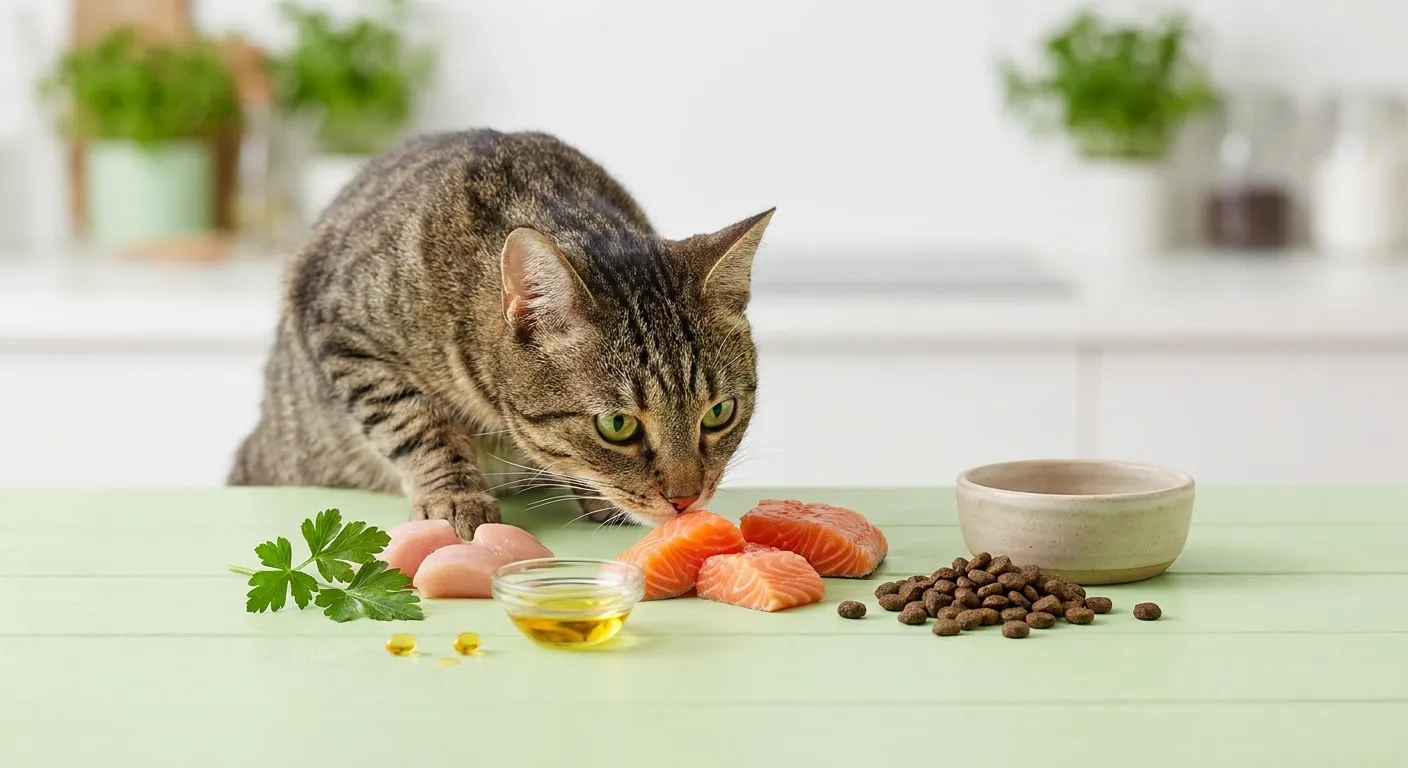
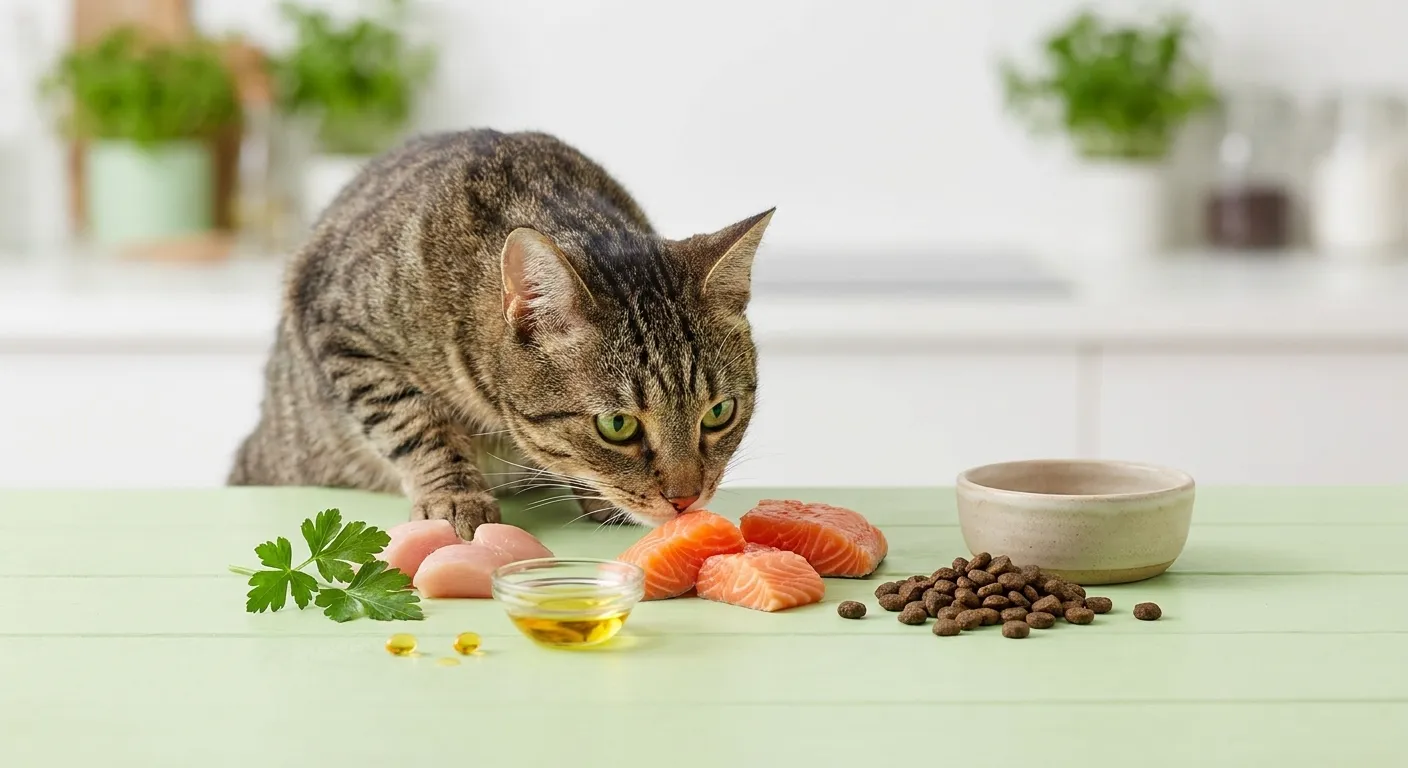
To ensure your cat thrives, understanding their essential cat nutrients is paramount. Unlike omnivores, cats are obligate carnivores, meaning their dietary requirements are uniquely tied to consuming animal-based proteins and fats. This isn’t just a preference; it’s a biological necessity rooted in their evolutionary history. Providing a diet rich in these specific nutrients supports everything from their energy levels and immune system to their coat health and organ function.
The Unique Nutritional Requirements of Cats
Cats have distinct metabolic pathways that require certain nutrients in higher concentrations than other animals, and some nutrients that are not required by other species. For instance, cats cannot synthesize taurine, an amino acid vital for heart function and vision; consequently, they must obtain it directly from animal tissues. Vitamin A, another critical nutrient, must be supplied in its pre-formed state from animal sources, as cats cannot convert plant-based carotenoids into active vitamin A. Arachidonic acid, an omega-6 fatty acid, is also essential and found only in animal fats. These specific needs highlight why a well-formulated cat diet differs significantly from dog food or human food. Therefore, careful consideration of their dietary components is crucial.
Why Cats Are Obligate Carnivores
The term ‘obligate carnivore’ isn’t merely a descriptor; it defines a cat’s entire digestive and metabolic system. Their bodies are specifically adapted to process and utilize nutrients found primarily in animal flesh. For example, their shorter digestive tracts are designed for efficient digestion of meat, while their teeth are perfectly suited for tearing and shredding, not grinding plant matter. Moreover, their metabolic pathways are geared towards using protein and fat for energy, rather than carbohydrates. This fundamental biological truth dictates every aspect of their ideal diet.
A cat’s carnivorous nature also means they have specific enzyme systems. They have a limited capacity to convert certain plant-derived compounds into forms their bodies can use. For instance, while many animals can synthesize taurine from other amino acids, cats cannot. Similarly, their inability to convert beta-carotene into Vitamin A means they require pre-formed Vitamin A, exclusively found in animal products. These biological limitations underscore the importance of a meat-centric diet to provide all necessary feline dietary components.
Key Categories of Essential Cat Nutrients
The primary essential cat nutrients fall into several categories: protein, fat, vitamins, and minerals. Protein is the cornerstone of a cat’s diet, providing amino acids for muscle maintenance, enzyme production, and immune support. High-quality animal protein sources are crucial. Fats provide concentrated energy, aid in the absorption of fat-soluble vitamins, and supply essential fatty acids for skin and coat health. Vitamins like B vitamins, Vitamin E, and Vitamin D play roles in metabolism, antioxidant defense, and bone health, respectively. Minerals such as calcium, phosphorus, magnesium, and potassium are vital for bone structure, nerve function, and fluid balance. A balanced diet ensures all these components are present in the correct ratios.
The Role of Protein in Feline Health
Protein is arguably the most critical component of a cat’s diet. As obligate carnivores, cats require a significantly higher amount of protein compared to omnivores. This is because they use protein not only for building and repairing tissues but also as a primary energy source. Consequently, a diet lacking sufficient high-quality protein can lead to muscle wasting, a weakened immune system, and poor coat condition. Animal-based proteins offer a complete amino acid profile, including those vital amino acids that cats cannot synthesize themselves. Therefore, sources like chicken, turkey, fish, and beef are excellent choices.
Furthermore, protein supports numerous enzymatic reactions and hormone production within the feline body. It helps maintain healthy skin and fur, which is often a visible indicator of a cat’s overall health. A diet rich in species-appropriate cat food, specifically animal protein, is foundational for a cat’s vitality. For more insights into these specific dietary needs, consider exploring our article on Species Appropriate Cat Food: Understanding Feline Dietary Needs.
Fats: Energy and Essential Fatty Acids
Fats are another indispensable category of essential cat nutrients. They are a concentrated source of energy, providing more than twice the calories per gram compared to proteins or carbohydrates. More importantly, fats supply essential fatty acids, such as linoleic acid and arachidonic acid, which cats cannot produce on their own. These fatty acids are vital for maintaining healthy skin and a shiny coat, supporting cell membrane integrity, and facilitating the absorption of fat-soluble vitamins (A, D, E, and K). Without adequate fat in their diet, cats can suffer from dull coats, flaky skin, and impaired immune function. Good dietary fats are primarily found in animal tissues and certain fish oils.
Vitamins and Minerals: Micronutrients for Macro Health
While needed in smaller quantities, vitamins and minerals are no less crucial for feline health. These micronutrients participate in nearly every bodily function. For instance, B vitamins are essential for energy metabolism, helping convert food into usable energy. Vitamin E acts as an antioxidant, protecting cells from damage, while Vitamin D is vital for bone health and calcium regulation. Minerals like calcium and phosphorus work together for strong bones and teeth. Potassium and sodium are critical for nerve function and fluid balance. Iron is necessary for oxygen transport, and magnesium supports muscle and nerve function. A deficiency in any of these essential cat nutrients can lead to serious health issues. Therefore, a balanced diet is key to providing all these vital components.
Water: The Overlooked Essential Nutrient
Often overlooked, water is perhaps the most critical of all essential cat nutrients. Cats naturally have a low thirst drive, evolved from their desert-dwelling ancestors who obtained most of their hydration from prey. This makes it crucial for cat owners to ensure their felines consume enough water, especially if they are primarily fed dry kibble. Water plays a vital role in every physiological process, including nutrient transport, temperature regulation, waste elimination, and organ function. Dehydration can lead to serious health problems, including urinary tract issues and kidney disease.
Encouraging water intake can involve several strategies. Offering multiple water bowls in different locations, using ceramic or stainless steel bowls, and considering a pet water fountain can all help. Furthermore, incorporating wet cat food into their diet is an excellent way to increase their daily water consumption. This is a significant factor when considering Dry vs Wet Cat Food: Choosing the Best Form for Your Feline. Adequate hydration is fundamental for a cat’s overall well-being and the proper functioning of all their bodily systems.
Understanding Dietary Components and Cat Food Labels
Choosing the right cat food can feel overwhelming, but understanding the basics of cat food labels empowers you to make informed decisions. Look for foods that list high-quality animal protein as the first ingredient. This indicates a meat-centric formulation consistent with a cat’s carnivorous needs. Pay attention to the guaranteed analysis, which provides minimum percentages for crude protein and fat, and maximum percentages for fiber and moisture. While these are minimums and maximums, they offer a general idea of the nutrient density.
Furthermore, it is important to recognize the role of regulatory bodies. In the United States, the Association of American Feed Control Officials (AAFCO) sets nutritional standards for pet foods. An AAFCO statement on the label, such as “formulated to meet the nutritional levels established by the AAFCO Cat Food Nutrient Profiles for All Life Stages,” indicates that the food is nutritionally complete and balanced. Understanding Understanding AAFCO Standards for Cat Food: What They Mean for Your Feline can further guide your choices. This certification ensures the food contains all the necessary nutrients in the correct proportions, including all essential cat nutrients, to support a cat’s health.
The Importance of Taurine
Taurine deserves special mention among the amino acids. It is an essential cat nutrient that cats cannot synthesize adequately on their own. This amino acid is critical for normal heart muscle function, vision, reproduction, and bile salt formation, which aids in fat digestion. A deficiency in taurine can lead to serious health issues, including dilated cardiomyopathy (a type of heart disease) and retinal degeneration leading to blindness. Historically, taurine deficiency was a significant problem with early commercial cat foods before its importance was fully understood. Today, reputable commercial cat foods are supplemented with taurine to ensure cats receive sufficient amounts. However, it’s a testament to the unique dietary needs of felines.
Arachidonic Acid and Other Essential Fatty Acids
Just like taurine, arachidonic acid is an essential fatty acid that cats cannot synthesize from plant-based precursors. It must be supplied directly from animal fats in their diet. Arachidonic acid plays a crucial role in maintaining healthy skin and coat, supporting reproductive health, and modulating inflammatory responses. Along with linoleic acid (another essential omega-6 fatty acid), these fats contribute significantly to overall feline health. Fish oils, meanwhile, are excellent sources of omega-3 fatty acids like EPA and DHA, which support brain development, joint health, and can help manage inflammation. Therefore, a balanced intake of various animal fats is beneficial for providing these critical components.
Addressing Specific Dietary Needs and Life Stages
A cat’s nutritional requirements are not static; they change throughout different life stages. Kittens, for example, require more calories, protein, and specific nutrients to support their rapid growth and development. Adult cats need a diet that maintains their ideal body weight and activity levels. Senior cats, on the other hand, may benefit from diets with controlled phosphorus levels to support kidney health, increased digestible protein, and sometimes joint-supporting nutrients. Our article on Senior Cat Nutrition: Supporting Aging Felines with Diet provides comprehensive details on these specific needs.
Beyond age, individual health conditions also influence dietary choices. Cats with kidney disease, diabetes, or allergies will require specialized veterinary diets tailored to their specific ailments. Always consult with your veterinarian to determine the most appropriate diet for your cat’s unique circumstances. They can provide personalized recommendations to ensure your cat receives all the necessary essential cat nutrients while managing any underlying health concerns. This collaborative approach ensures optimal health outcomes.
The Dangers of Inappropriate Diets
Feeding a cat a diet that doesn’t meet its unique nutritional requirements can have severe consequences. Diets that are too low in animal protein, lack essential amino acids like taurine, or are deficient in specific fatty acids can lead to a range of health problems. These can include stunted growth in kittens, poor coat quality, weakened immune systems, organ dysfunction (such as heart and vision problems due to taurine deficiency), and overall lethargy. Furthermore, feeding diets high in carbohydrates, which cats have limited ability to process, can contribute to obesity and increase the risk of conditions like feline diabetes.
It is also important to avoid feeding cats dog food or human food as a primary diet. Dog food is formulated for omnivores and lacks the high protein, specific amino acids, and fatty acids that cats require. Human food, similarly, often contains ingredients that are toxic to cats (like onions and garlic) or are nutritionally unbalanced for felines. For example, a diet primarily consisting of cooked chicken, while protein-rich, would be deficient in crucial vitamins, minerals, and taurine, leading to deficiencies over time. Ensuring your cat receives a complete and balanced feline-specific diet is therefore not just beneficial, but truly life-sustaining.
Ensuring your cat receives all necessary essential cat nutrients is fundamental to their long-term health. By understanding these unique dietary demands and selecting appropriate, high-quality feline-specific foods, you empower your cat to live a vibrant and healthy life. Always consult with your veterinarian to tailor dietary choices to your cat’s specific age, health status, and lifestyle. This proactive approach helps guarantee they receive the precise nutritional support they need.
FAQ
What are the most critical nutritional components for cats?
The most critical nutritional components for cats include high-quality animal protein, essential fatty acids (like arachidonic acid), specific vitamins (such as pre-formed Vitamin A and various B vitamins), and minerals (calcium, phosphorus). Additionally, taurine is an absolutely vital amino acid that cats must obtain from their diet.
Why do felines need animal-based protein?
Felines are obligate carnivores, meaning their bodies are metabolically adapted to thrive on nutrients found in animal tissues. Animal-based protein provides a complete profile of amino acids, including those essential ones like taurine, which cats cannot synthesize themselves. These proteins are crucial for muscle maintenance, energy, and overall physiological function.
Can cats get enough vitamins from plant sources?
No, cats cannot get all necessary vitamins from plant sources. For instance, they cannot convert plant-based carotenoids into active Vitamin A; they require pre-formed Vitamin A from animal sources. Similarly, certain essential fatty acids are only found in animal fats. Their unique metabolism dictates a reliance on animal products for these specific nutrients.
How does a cat’s diet change as they age?
A cat’s diet changes significantly with age. Kittens need more calories and protein for rapid growth. Adult cats require a balanced diet for maintenance. Senior cats often benefit from diets with easily digestible proteins, controlled phosphorus levels to support kidney function, and sometimes supplements for joint health. Always consult a vet for age-specific dietary advice.
What happens if a cat’s diet is deficient in key nutrients?
A diet deficient in key feline dietary components can lead to serious health issues. For example, a lack of taurine can cause heart disease and blindness. Insufficient protein can lead to muscle wasting and a weakened immune system. Deficiencies in vitamins or minerals can affect bone health, energy levels, and organ function, ultimately impacting their overall vitality and longevity.


