
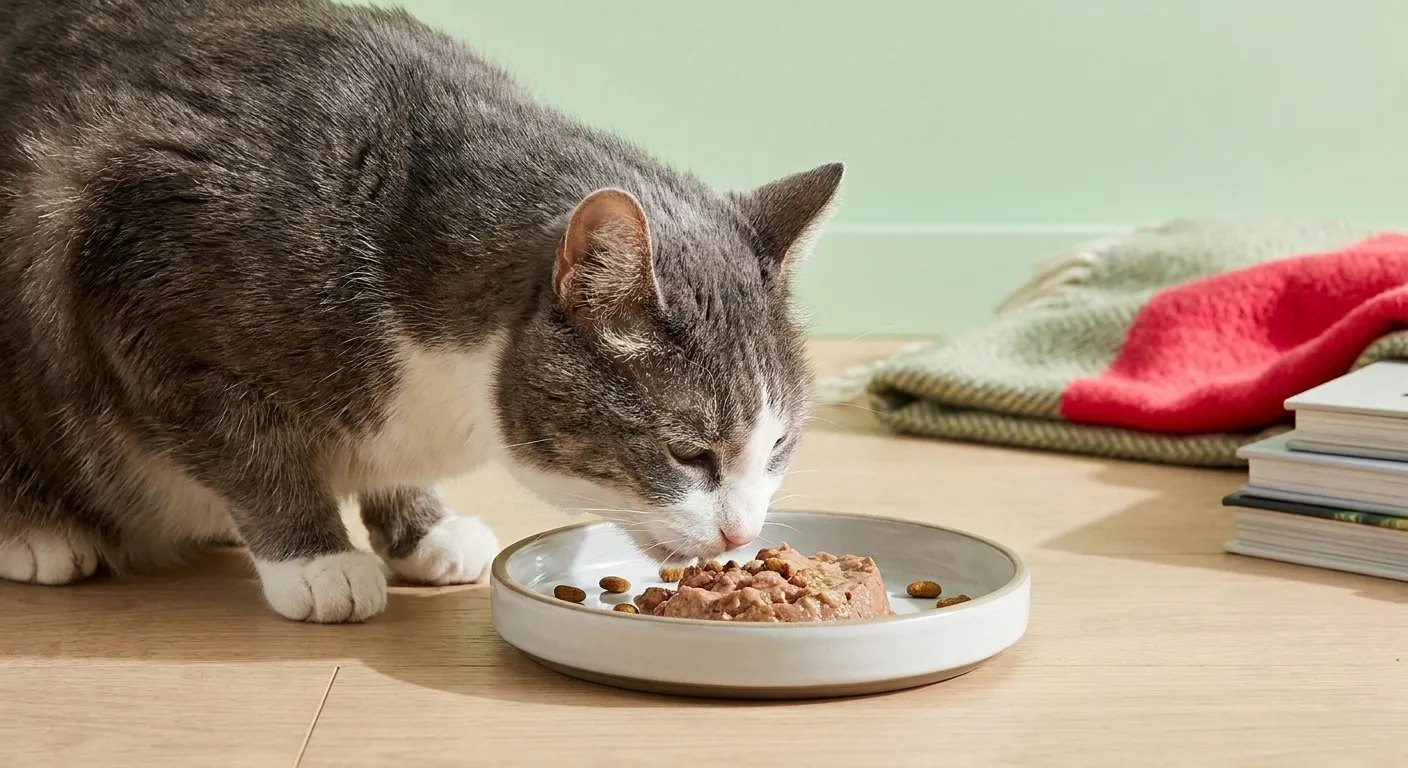
As cats age, their nutritional needs change significantly. What was an ideal diet for a spry adult cat may not be sufficient or appropriate for a senior feline. Understanding these shifts and how to adapt their diet is crucial for maintaining their health, comfort, and quality of life in their golden years. This guide explores the unique aspects of senior cat nutrition, helping you make informed decisions to support your aging companion.
Changes in Nutritional Needs for Senior Cats
Typically, cats are considered senior around 11-14 years of age. During this period, several physiological changes occur that impact their nutritional requirements. Senior cats often experience a decline in their ability to digest and absorb nutrients, particularly protein and fat. They may also lose muscle mass (sarcopenia), have decreased activity levels, or develop chronic conditions like kidney disease, arthritis, or dental issues. Therefore, the goal of senior cat nutrition is to provide highly digestible nutrients, support lean muscle mass, manage underlying health conditions, and maintain adequate hydration.
Key Considerations for Senior Cat Diets
When selecting food for a senior cat, look for diets specifically formulated for older felines. These diets often feature higher quality, easily digestible proteins to help prevent muscle loss, but may have reduced phosphorus levels to support kidney health. Increased omega-3 fatty acids can help reduce inflammation associated with arthritis. The diet should also be palatable and easy to eat, especially if your senior cat has dental problems. Wet food is often preferred as it provides essential hydration and is softer on sensitive teeth and gums. Portion control is also important, as senior cats may have lower energy requirements, making them prone to weight gain, though some may also experience unintended weight loss due to illness.
Regular veterinary check-ups are paramount for senior cats, allowing for early detection and management of age-related conditions. Your vet can provide tailored recommendations for senior cat nutrition based on your cat’s individual health status and lifestyle. By proactively adjusting their diet, you can significantly contribute to a comfortable and healthy senior life for your beloved feline.
Understanding the Aging Process in Cats and Dietary Impact
The aging process in felines is complex, impacting various bodily systems. For instance, a senior cat’s metabolism can slow down, and their immune system may become less robust. Furthermore, their sense of smell and taste can diminish, which sometimes leads to decreased appetite. Cognitive dysfunction, similar to dementia in humans, can also occur, affecting their feeding habits. These physiological changes underscore the importance of a well-considered diet for older cats.
Moreover, dental health often deteriorates with age. Many senior felines suffer from painful dental disease, making it difficult for them to chew dry kibble. This is one reason why softer foods, such as wet food, are often recommended. Indeed, choosing the right food form can make a significant difference in their willingness to eat and their overall comfort. For more insights on this topic, consider reading about Dry vs Wet Cat Food: Choosing the Best Form for Your Feline.
Essential Nutrients for Optimal Senior Cat Nutrition
Providing the right balance of nutrients is fundamental for supporting an aging cat. Here’s a breakdown of key nutritional components:
-
High-Quality Protein: As mentioned, senior cats can experience muscle wasting. Therefore, diets with highly digestible, high-quality protein sources are vital to maintain lean muscle mass without overworking the kidneys. Aim for easily assimilated proteins from sources like chicken, turkey, or fish.
-
Moderate Fat Content: While some senior cats may need fewer calories, fat is still an essential energy source. However, the type of fat matters. Omega-3 fatty acids, found in fish oil, are particularly beneficial. They help reduce inflammation, which can alleviate symptoms of arthritis and support cognitive function.
-
Carbohydrates: Complex carbohydrates can provide energy and fiber. However, cats are obligate carnivores, so carbohydrates should not be the primary energy source. Easily digestible sources are preferable to avoid digestive upset.
-
Vitamins and Minerals: A balanced diet should provide all necessary vitamins and minerals. Specific attention might be paid to antioxidants (like Vitamins E and C) to support the immune system, and certain B vitamins for energy metabolism.
-
Water: Hydration is critical. Senior cats are more prone to dehydration, especially if they have kidney issues. Wet food significantly contributes to their water intake. Always ensure fresh, clean water is available, perhaps in multiple locations.
Each of these components plays a crucial role in maintaining the health and vitality of your aging pet. Consequently, selecting a diet that addresses these specific requirements is a cornerstone of effective senior cat nutrition.
Addressing Common Health Issues Through Diet
Many age-related health conditions can be managed or alleviated with appropriate dietary modifications. For example:
-
Kidney Disease: This is very common in older cats. Diets for kidney disease often feature restricted phosphorus and protein levels, with high-quality protein to minimize kidney workload while preventing muscle loss.
-
Arthritis: Joint pain can severely impact a senior cat’s mobility and quality of life. Diets enriched with omega-3 fatty acids (EPA and DHA), glucosamine, and chondroitin can help reduce inflammation and support joint health.
-
Dental Disease: As previously discussed, soft, wet foods are ideal for cats with painful teeth or gums. Even if teeth are extracted, a soft diet is often easier to manage.
-
Weight Management: Some senior cats become less active and prone to weight gain, increasing the risk of diabetes and joint problems. Others may lose weight due to illness or decreased appetite. Diets can be adjusted for calorie density to either promote healthy weight loss or encourage weight gain as needed.
-
Digestive Sensitivities: Older cats can develop more sensitive digestive systems. Diets with highly digestible ingredients and potentially added prebiotics or probiotics can support gut health. Learn more about Probiotics for Cats: Gut Health Benefits and When to Use Them.
Consulting with your veterinarian is essential to determine the best dietary approach for any specific health condition your cat may have. They can offer tailored advice for your cat’s specific senior cat nutrition needs.
Practical Tips for Feeding Your Senior Cat
Beyond choosing the right food, how you feed your senior cat can also make a big difference. Here are some practical tips:
-
Small, Frequent Meals: Instead of one or two large meals, offer smaller portions more frequently throughout the day. This can aid digestion and prevent an overburdened system.
-
Warm Food: Warming wet food slightly can enhance its aroma and palatability, which is especially helpful for cats with a reduced sense of smell.
-
Easy Access: Ensure food and water bowls are easily accessible. For cats with arthritis, raised bowls can reduce neck strain.
-
Quiet Feeding Area: Provide a peaceful, stress-free environment for your senior cat to eat.
-
Monitor Intake: Keep a close eye on how much your cat is eating and drinking. Any significant changes should be discussed with your vet immediately.
-
Introduce Changes Slowly: If you’re switching to a new senior cat diet, do so gradually over 7-10 days to avoid digestive upset.
These adjustments can significantly improve your senior cat’s mealtime experience and ensure they receive adequate senior cat nutrition.
The Role of Supplements in Senior Feline Diets
While a complete and balanced diet is the cornerstone of good senior cat nutrition, some supplements can be beneficial under veterinary guidance. For instance, omega-3 fatty acid supplements can further support joint health and reduce inflammation. Antioxidant supplements may help combat cellular damage. Additionally, probiotics can aid digestive health, especially if your cat experiences gastrointestinal issues. However, always consult your veterinarian before adding any supplements to your senior cat’s diet to ensure they are appropriate and won’t interact negatively with any medications or existing conditions. For more information, explore Understanding Cat Nutritional Supplements: Do They Really Help?
When to Consult Your Veterinarian About Senior Cat Nutrition
Regular veterinary check-ups are non-negotiable for senior cats. These visits allow your vet to monitor your cat’s overall health, detect any emerging conditions early, and provide personalized advice on their diet. Be sure to discuss any of the following with your vet:
-
Sudden weight loss or gain
-
Changes in appetite (eating more or less)
-
Vomiting or diarrhea
-
Increased thirst or urination
-
Changes in coat quality
-
Lethargy or decreased activity
-
Any new lumps, bumps, or sores
-
Difficulty chewing or bad breath
Your veterinarian is your best resource for navigating the complexities of senior cat nutrition. They can recommend specific therapeutic diets or supplements based on your cat’s unique health profile. For example, if your cat is displaying signs of kidney disease, a prescription kidney diet will be crucial for managing the condition and supporting their longevity. Moreover, they can help you interpret food labels and ensure your chosen diet meets the specific needs of your aging companion. For further reading on general dietary needs, you might find our article on Balanced Diet for Cats: Essential Nutrients for Feline Health helpful.
Choosing the Right Senior Cat Food: What to Look For
When you’re at the pet store, the sheer number of options can be overwhelming. To simplify the process of selecting appropriate senior cat nutrition, here’s what to prioritize:


