
Feline obesity is a growing concern, impacting millions of cats and significantly shortening their lifespans while increasing the risk of serious health issues like diabetes, arthritis, and urinary tract disease. If your veterinarian has indicated your cat is overweight, it’s time to take action. Learning how to effectively manage feline obesity requires a commitment to dietary adjustments and increased physical activity. This guide provides practical, evidence-based steps you can implement to help your cat achieve a healthier weight and improve their quality of life.
Assessing Your Cat’s Weight and Setting Goals
The first step to address your cat’s weight is accurately assessing their current body condition. Your veterinarian can perform a Body Condition Score (BCS) assessment, which is a more accurate indicator than just weight on a scale. A healthy cat typically has a BCS of 4 or 5 out of 9, where ribs are palpable without excess fat, and a visible waistline is present. Once the current condition is established, your vet can help set a realistic target weight and a safe rate of weight loss, usually around 0.5% to 2% of body weight per week. Rapid weight loss can be dangerous for cats, potentially leading to hepatic lipidosis.
Understanding your cat’s ideal weight is crucial. Furthermore, regular weigh-ins at home, if your cat tolerates it, can help monitor progress between vet visits. Many pet scales are available, or you can weigh yourself holding your cat and then subtract your own weight. Maintaining open communication with your veterinarian throughout this process is essential. They can offer personalized advice and adjust goals as needed. Consequently, this collaborative approach ensures the weight loss journey is safe and effective for your specific feline companion.
Dietary Adjustments and Portion Control to Manage Feline Obesity
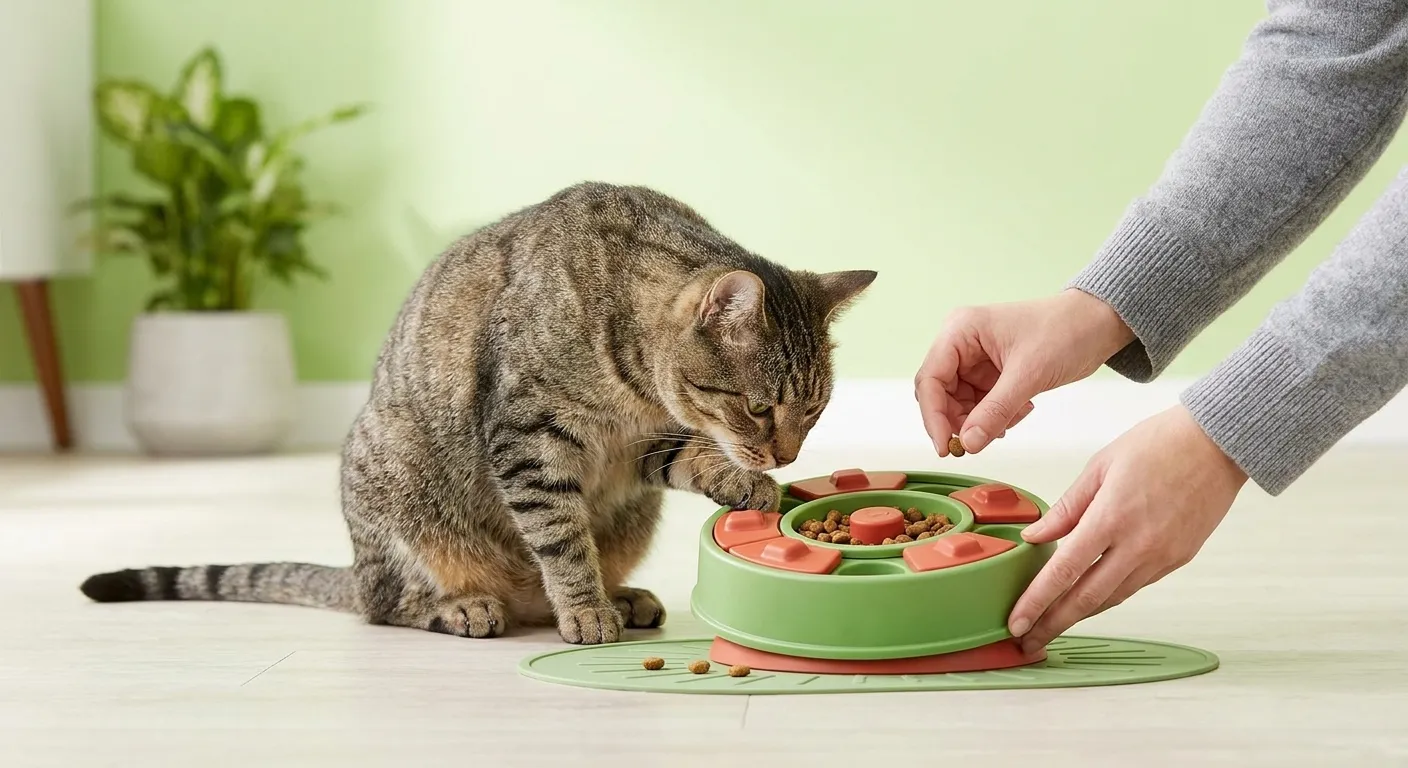
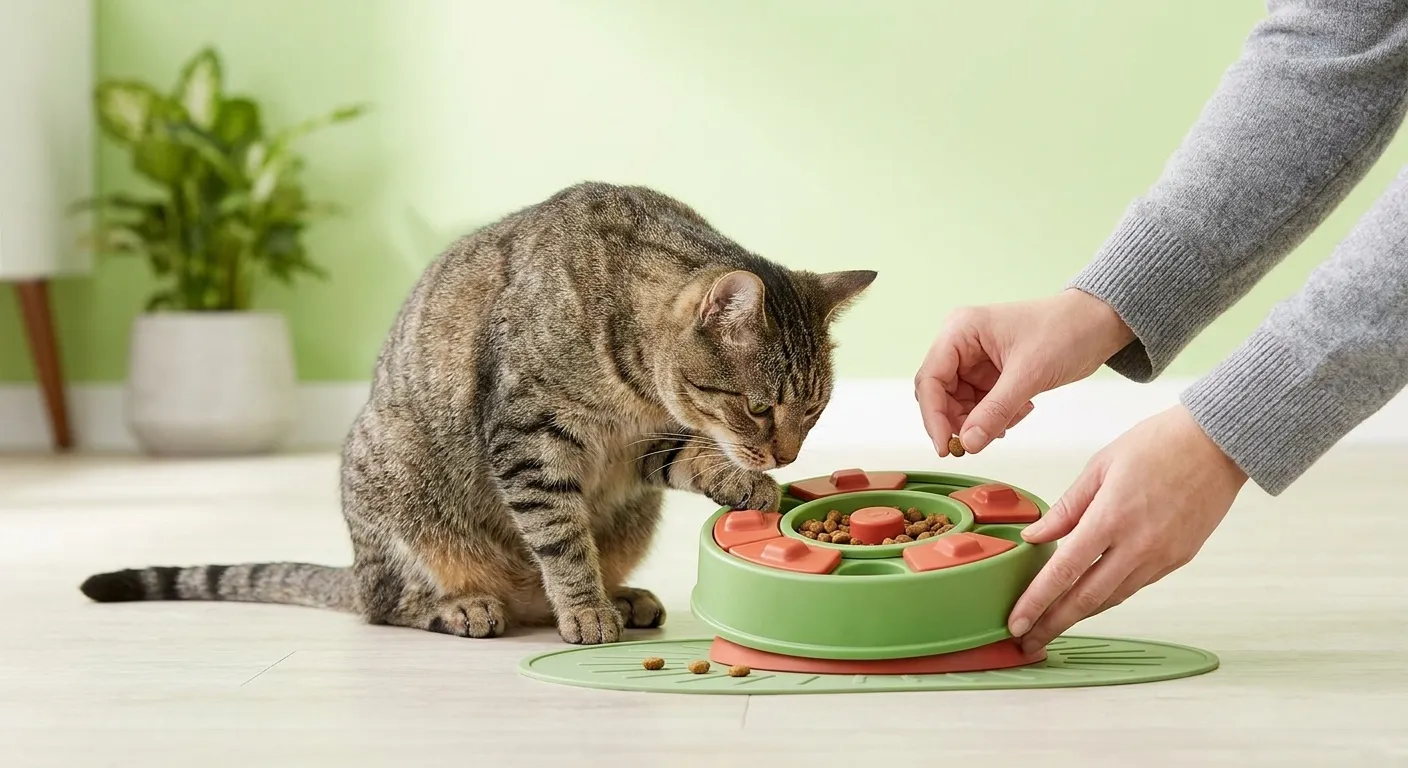
The cornerstone of successfully managing feline obesity is diet. Your veterinarian will likely recommend a specific weight-loss diet, which is typically lower in calories but still nutritionally complete. The most crucial aspect is strict portion control. Do not free-feed an overweight cat. Measure every meal precisely using a kitchen scale for accuracy. Divide the daily allowance into several small meals to help keep your cat feeling fuller and to prevent begging. Consider using puzzle feeders or slow-feeder bowls to extend meal times and provide mental stimulation, which can also help with satiety and reduce calorie intake. Gradually transitioning to a new food over 7-10 days is also important.
Additionally, consider the type of food you are feeding. Wet cat food often has a higher moisture content and can be more satiating than dry kibble for the same caloric intake. For more information on food types, explore our guide on Dry vs Wet Cat Food: Choosing the Best Form for Your Feline. Furthermore, be mindful of treats. While they are a way to bond, treats contribute significantly to calorie intake. In fact, treats should not exceed 10% of your cat’s daily caloric allowance. Learn more about The Impact of Treats on Your Cat’s Overall Diet to make informed choices. Ultimately, a balanced diet is key to helping your cat reduce their weight.
Increasing Physical Activity Safely
While diet is paramount, increasing your cat’s activity level plays a supportive role to manage feline obesity. Engage your cat in interactive play sessions using feather wands, laser pointers (with a tangible reward at the end), or toys that mimic prey. Aim for several short sessions (5-10 minutes) throughout the day. For less active cats, encourage movement by placing food bowls on different levels or using foraging toys that require them to ‘hunt’ for their kibble. Consistency is key, and patience is essential. With a structured approach and veterinary guidance, you can successfully manage feline obesity and help your cat lead a longer, healthier life.
Moreover, consider environmental enrichment. Providing climbing structures, scratching posts, and safe outdoor access (if appropriate and supervised) can encourage natural feline behaviors and increase energy expenditure. For instance, a cat tree near a window offers both exercise and mental stimulation. Introducing new toys regularly can also maintain interest. Remember, some cats may be resistant to exercise initially, so start slowly and gradually increase the intensity and duration of play. This gradual approach helps prevent injury and frustration.
Understanding the Health Risks of Excess Weight
Feline obesity is not just a cosmetic issue; it’s a serious medical condition. Obese cats face a higher risk of developing several debilitating diseases. These include type 2 diabetes mellitus, which often requires daily insulin injections. Furthermore, carrying extra weight puts significant strain on joints, leading to or exacerbating arthritis, especially in older cats. This can result in chronic pain and reduced mobility. Urinary tract diseases, such as bladder stones, are also more common in overweight felines.
In addition, obese cats are more prone to certain types of cancer and may experience a compromised immune system. Anesthesia risks are also elevated for overweight cats undergoing surgical procedures. The quality of life for an overweight cat is often diminished, characterized by lethargy, difficulty grooming, and reduced interaction. Therefore, addressing your cat’s weight is a proactive step towards preventing these severe health complications and ensuring a comfortable, active life. For comprehensive information on feline health, consult resources like the Cornell Feline Health Center.
Creating a Sustainable Weight Loss Plan
Developing a sustainable plan is vital to manage feline obesity long-term. This involves more than just a temporary diet; it requires a lifestyle change for both you and your cat. Start by documenting your cat’s current eating habits, including all food, treats, and even table scraps. This baseline helps identify areas for reduction. Next, work with your veterinarian to establish a precise caloric target. This target will be based on your cat’s ideal weight and activity level, not their current, heavier weight. This is a critical distinction for effective weight reduction.
Furthermore, consider the nutritional content of the food. Not all


