
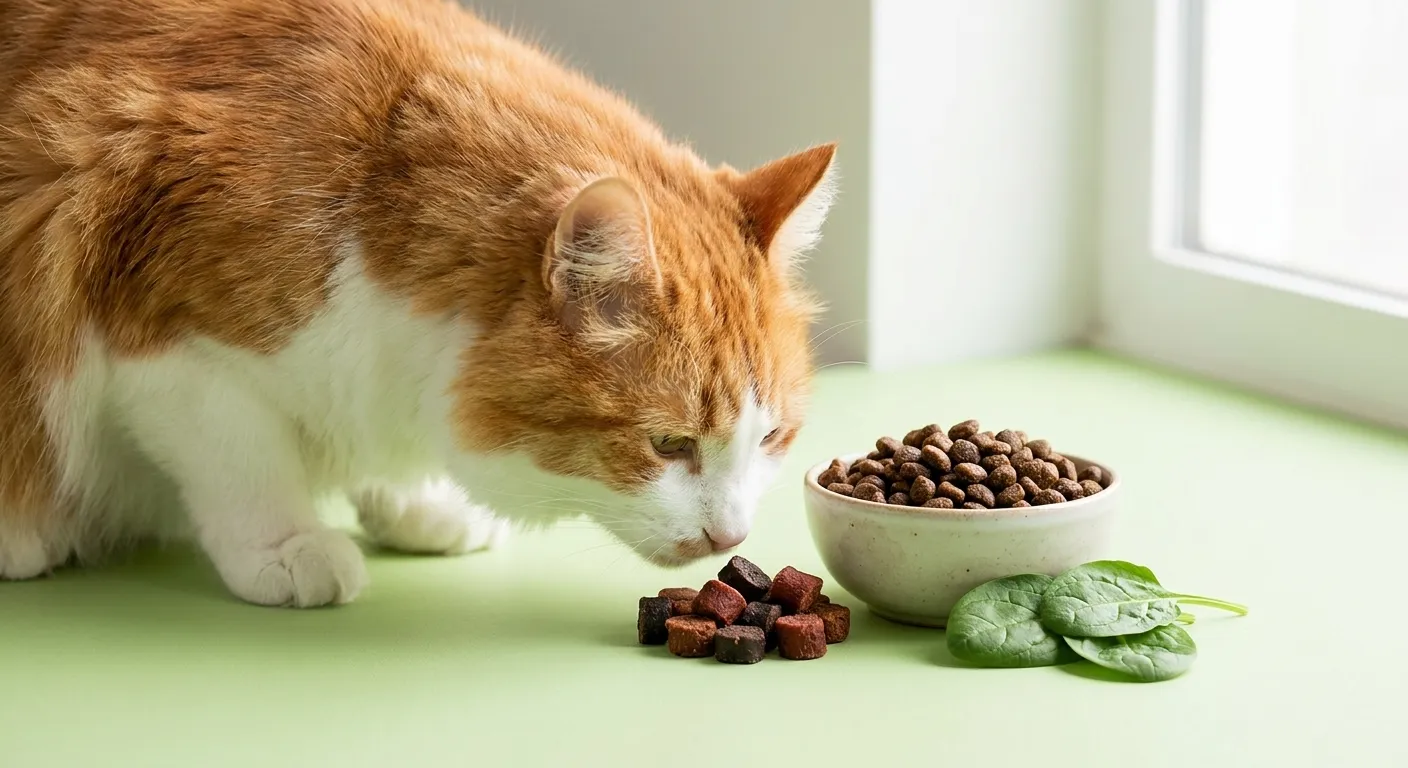
Cat treats are a beloved way to show affection, aid in training, or simply spoil our feline companions. However, while seemingly harmless, the cat treat impact diet can be significant if not managed thoughtfully. Treats, by definition, are typically not nutritionally complete and balanced, meaning they should only comprise a small portion of your cat’s daily caloric intake to prevent nutritional imbalances or weight gain.
Nutritional Considerations of Cat Treats
Most cat treats are high in calories, fats, or carbohydrates, and often lack the comprehensive nutrient profile found in a complete cat food. While some treats are fortified with vitamins and minerals, they are not designed to be a primary food source. Over-reliance on treats can lead to your cat consuming too many empty calories. This can ultimately displace essential nutrients from their main meals.
For instance, a small treat might seem insignificant, but its caloric density can be surprisingly high relative to a cat’s tiny body. Many commercial treats contain ingredients like corn, wheat, or soy, which can be difficult for some cats to digest. Furthermore, these ingredients offer little nutritional value. Consequently, it is crucial to read ingredient labels carefully when selecting treats for your feline friend. Always prioritize treats with whole, identifiable ingredients.
Understanding Caloric Contribution
The average adult cat requires approximately 20-35 calories per pound of body weight daily, depending on activity level and age. A single treat, especially a larger one, can easily contribute 10-20 calories. Therefore, if a cat receives multiple treats throughout the day, these calories quickly add up. This substantial caloric intake from treats can easily exceed the recommended 10% of daily calories from non-primary food sources. This is where the cat treat impact diet becomes a critical consideration for responsible pet owners.
For example, if your cat needs 200 calories per day, only 20 of those should come from treats. Many owners underestimate this calculation. This often leads to unintentional overfeeding. Consequently, understanding the caloric density of treats is the first step toward responsible treat giving. Moreover, selecting low-calorie options can help maintain a balanced diet.
Potential Health Risks of Excessive Treat Feeding
Excessive treat feeding poses several health risks for cats. The most immediate and common concern is weight gain. Obesity in cats is a growing epidemic and can lead to a host of serious health problems. These include diabetes, arthritis, heart disease, and liver issues. You can learn more about managing feline weight by consulting our guide on Cat Weight Health Conditions Explained.
Beyond obesity, an imbalanced diet due to too many treats can result in specific nutrient deficiencies or excesses. For instance, too much phosphorus from certain treats can be detrimental to kidney health over time. Similarly, a diet heavily reliant on treats might lack sufficient taurine, an essential amino acid for cats. A deficiency in taurine can lead to serious heart problems and blindness. Therefore, maintaining a balanced nutritional profile is paramount for your cat’s long-term health.
Gastrointestinal Upset and Food Sensitivities
Some cats may experience gastrointestinal upset from treats, particularly those with novel ingredients or high-fat content. Symptoms can include vomiting, diarrhea, or a decreased appetite for their regular food. Furthermore, certain ingredients in treats can trigger Cat Food Sensitivities Diet Planning Guide in susceptible felines. This highlights the importance of choosing simple, high-quality treats. Always introduce new treats gradually to monitor your cat’s reaction. This proactive approach helps prevent digestive issues and allergic responses.
The cumulative effect of treats can alter your cat’s gut microbiome. This might lead to digestive imbalances. Consequently, a careful selection of treats is not just about calories. It is also about ingredient quality and digestibility. Therefore, opting for treats specifically designed for sensitive stomachs can be beneficial for some cats. Ultimately, the cat treat impact diet extends beyond simple caloric intake.
Strategies for Responsible Treat Giving
Responsible treat giving involves moderation, mindful selection, and strategic timing. It is essential to view treats as an occasional supplement, not a significant portion of your cat’s daily food intake. Establishing a clear limit on the number of treats per day is a good starting point. This ensures that treats remain special and do not interfere with their primary diet.
Consider using treats for specific purposes, such as training or enrichment, rather than simply as a handout. For example, interactive puzzle toys filled with a small portion of treats can provide mental stimulation and physical activity. Moreover, this approach helps to justify the caloric contribution. You can also explore healthier alternatives. These include small pieces of cooked lean meat or specialized dental treats that offer additional benefits.
Choosing Healthier Cat Treat Options
When selecting treats, look for options that are low in calories, sugar, and artificial ingredients. Many brands now offer single-ingredient treats, such as freeze-dried chicken or salmon. These are excellent choices because they provide pure protein without unnecessary fillers. Always check the guaranteed analysis on the packaging to understand the treat’s nutritional breakdown.
Furthermore, consider functional treats that offer health benefits. These might include treats formulated for dental health, hairball control, or joint support. However, even with functional treats, moderation is key. Remember, they are still supplementary. The overall cat treat impact diet needs careful consideration to ensure these additions are beneficial rather than detrimental. Prioritizing quality over quantity is a golden rule for all cat owners.
When Treats Become a Problem: Recognizing the Signs
It’s important for cat owners to recognize when treats might be negatively impacting their cat’s health or behavior. One of the most obvious signs is weight gain. If your cat is becoming lethargic, struggling to jump, or developing a noticeable fat pad on their belly, excessive treats could be a contributing factor. For guidance on appropriate feeding amounts, refer to our How Much Should Cats Eat Daily Guide.
Another sign is your cat showing less interest in their regular meals. If they are consistently turning up their nose at their complete and balanced food but eagerly devouring treats, it indicates a problem. This behavior suggests they are filling up on treats. This can lead to nutritional deficiencies over time. Furthermore, some cats may become demanding or aggressive when treats are withheld. This indicates an unhealthy dependency. Addressing these behavioral issues promptly is crucial for both your cat’s well-being and your relationship.
Addressing Picky Eating and Treat Dependency
If your cat has become a Picky Eating Cats Diet Guide due to an over-reliance on treats, a gradual reduction is necessary. Start by slowly decreasing the number of treats offered each day. You can also try breaking larger treats into smaller pieces to make them last longer. Meanwhile, ensure their main diet is appealing and nutritionally sound. This might involve experimenting with different flavors or textures of high-quality cat food. The cat treat impact diet can be subtly corrected with patience and consistency.
In some cases, it might be necessary to temporarily stop giving treats altogether. This allows your cat to re-establish a healthy appetite for their regular food. Always consult with your veterinarian before making significant changes to your cat’s diet. They can provide tailored advice based on your cat’s specific health needs. This collaborative approach ensures the best outcome for your feline companion.
The Role of Treats in Training and Bonding
Despite the potential pitfalls, treats can serve valuable purposes in a cat’s life when used correctly. They are an excellent tool for positive reinforcement during training. For example, treats can help teach a cat to come when called, tolerate nail trims, or even walk on a leash. The high value of treats makes them a powerful motivator for behavioral modification. This is especially true for complex tasks.
Furthermore, offering treats can strengthen the bond between you and your cat. The act of giving a treat is often associated with positive interactions. This builds trust and affection. However, this bonding can occur with just a few small treats. It does not require excessive amounts. Thus, the positive cat treat impact diet can enhance the relationship without compromising health. It is all about balance and mindful interaction.
Using Treats for Medication Administration
Treats can also be incredibly useful for administering medication. Many cats are resistant to taking pills or liquid medicine. Therefore, hiding a pill in a specially designed pill pocket treat or a small dollop of a palatable paste treat can make the process much smoother. This reduces stress for both the cat and the owner. This practical application demonstrates a beneficial aspect of treats.
When using treats for medication, choose options that are highly palatable and easy to conceal the medicine. Always ensure the treat itself does not interact negatively with the medication. Your veterinarian can offer guidance on the best methods for administering medication. Consequently, the judicious use of treats can significantly improve compliance with medical treatments. This further illustrates the diverse ways treats can be integrated into a cat’s care routine. The cat treat impact diet must always be considered in these scenarios.
Conclusion
In conclusion, while cat treats are a wonderful way to interact with our feline friends, their impact on a cat’s overall diet cannot be underestimated. Responsible treat giving involves understanding their caloric contribution, selecting healthy options, and using them in moderation. By being mindful of the cat treat impact diet, owners can prevent common issues like obesity and nutritional imbalances. This ensures treats remain a positive addition to a cat’s life, supporting their health and happiness rather than detracting from it. Always prioritize a complete and balanced diet as the foundation of your cat’s nutrition. Treats should always be supplementary. Consult your veterinarian for personalized advice on your cat’s dietary needs. This proactive approach guarantees a long and vibrant life for your cherished companion.
FAQ
What proportion of a cat’s daily calories should come from treats?
Typically, treats should make up no more than 10% of your cat’s total daily caloric intake. This helps prevent nutritional imbalances and excessive weight gain. For instance, if your cat needs 200 calories per day, only 20 of those should be from treats.
Are there any healthy alternatives to commercial cat treats?
Yes, healthier alternatives include small pieces of cooked lean meat like chicken or turkey, or even specialized dental treats. Freeze-dried, single-ingredient treats are also excellent options as they are high in protein and low in fillers. Always ensure any human food is safe for cats and offered in very small quantities.
How can I tell if my cat is getting too many treats?
Signs of excessive treat consumption often include weight gain, decreased interest in regular meals, or begging behavior. If your cat is becoming lethargic or showing a preference for treats over their balanced food, it’s time to re-evaluate their treat intake. A veterinarian can help assess your cat’s ideal weight.
Can treats be used effectively for cat training?
Absolutely. Treats are a powerful tool for positive reinforcement in cat training. They can motivate your cat to learn new behaviors, such as coming when called or tolerating grooming. Use small, high-value treats and offer them immediately after the desired behavior for best results.
What should I look for when choosing cat treats?
When choosing cat treats, prioritize options that are low in calories, sugar, and artificial ingredients. Look for treats with whole, identifiable ingredients, such as freeze-dried meats. Reading the nutritional label is crucial to understand the treat’s composition and caloric density. Consider functional treats that offer additional health benefits, like dental support, but use them in moderation.


