
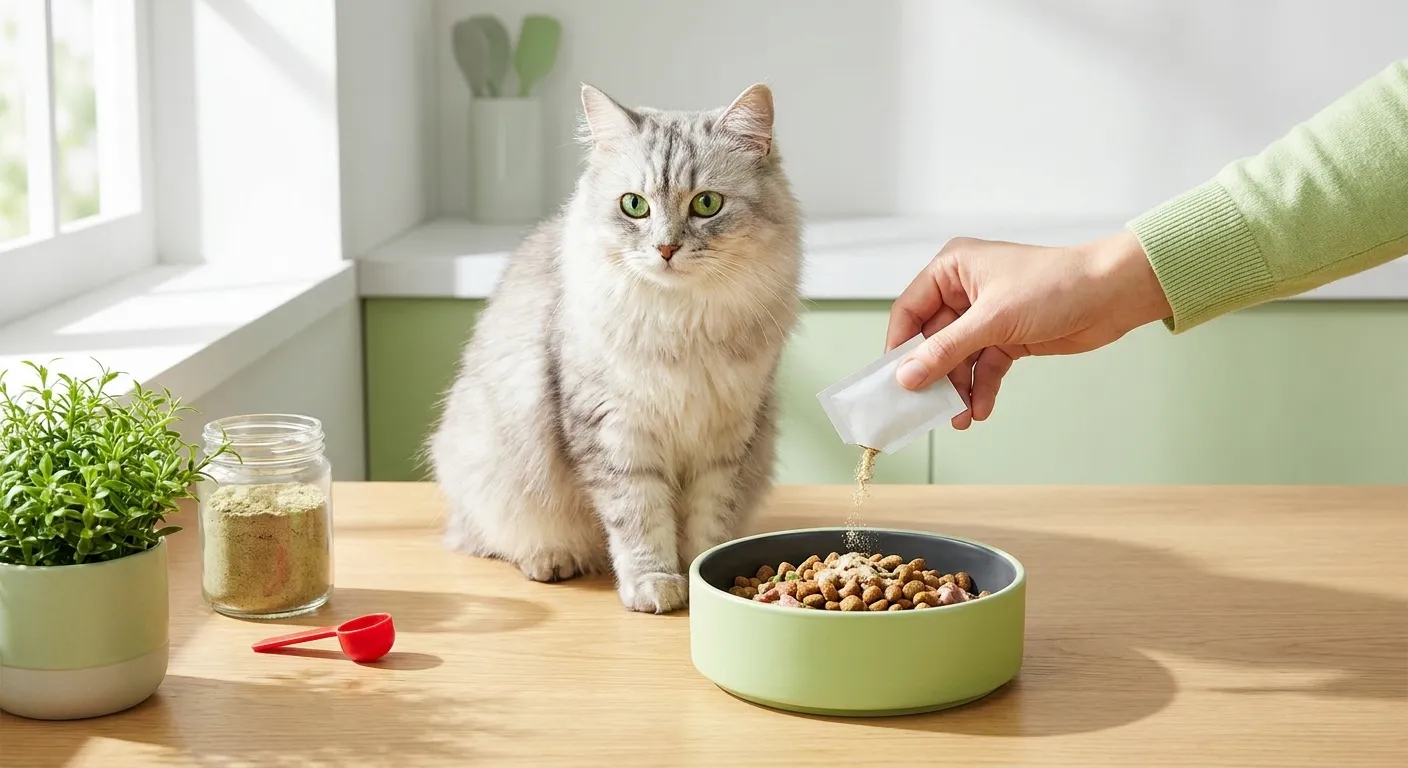
In recent years, the spotlight on gut health has extended beyond humans to our feline companions. Probiotics for cat gut health are gaining recognition as a valuable supplement, aimed at maintaining a balanced digestive system and potentially boosting overall immunity. But what exactly are probiotics, and when should you consider adding them to your cat’s regimen? This comprehensive guide will explore the science behind these beneficial microorganisms and provide practical advice for cat owners.
Understanding Probiotics and Their Benefits for Feline Gut Health
Probiotics are live microorganisms, often beneficial bacteria and yeasts, that, when administered in adequate amounts, confer a health benefit on the host. For cats, these beneficial microbes help maintain a healthy balance in the gut microbiome, which is the community of microorganisms living in the digestive tract. A balanced microbiome is crucial for proper digestion, nutrient absorption, and immune system function. When this balance is disrupted, issues like diarrhea, constipation, excessive gas, or even skin problems can arise.
Specifically, probiotics work by populating the gut with helpful bacteria, outcompeting harmful pathogens, producing beneficial compounds (like short-chain fatty acids), and strengthening the gut barrier. Certain strains, such as Enterococcus faecium and Bifidobacterium animalis, have been studied for their efficacy in cats. Furthermore, a robust gut microbiome contributes significantly to a cat’s overall well-being, influencing everything from mood to immune response. Many cat owners observe improvements in coat quality and energy levels once their feline friends begin a probiotic regimen.
The Role of the Feline Microbiome
The feline microbiome is a complex ecosystem. It consists of trillions of microorganisms, including bacteria, viruses, fungi, and protozoa, residing primarily in the gastrointestinal tract. This diverse community plays a vital role in numerous physiological processes. For instance, gut bacteria aid in the fermentation of indigestible fibers, producing short-chain fatty acids (SCFAs) like butyrate, propionate, and acetate. These SCFAs serve as an energy source for colon cells and possess anti-inflammatory properties. Consequently, supporting this ecosystem with beneficial bacteria is essential.
Moreover, the gut microbiome trains and modulates the immune system. Approximately 70% of a cat’s immune cells reside in the gut-associated lymphoid tissue (GALT). A healthy microbiome helps the immune system distinguish between harmful pathogens and beneficial substances, thereby preventing overreactions and autoimmune responses. Therefore, maintaining a balanced gut flora is directly linked to a strong immune system. For more information on enhancing your cat’s natural defenses, consider reading our guide on Strengthen Cat Immune System Naturally.
When to Consider Probiotics for Cat Gut Health and Choosing the Right Type
There are several situations where probiotics for cat gut health might be beneficial. They are commonly recommended after antibiotic treatment, which can indiscriminately kill both good and bad bacteria, to help restore the gut flora. Cats experiencing stress (e.g., rehoming, travel, boarding), dietary changes, or mild digestive upsets like intermittent diarrhea or constipation may also benefit. Some veterinarians suggest probiotics for cats with chronic conditions like Inflammatory Bowel Disease (IBD) as part of a comprehensive management plan.
When choosing a probiotic, look for products specifically formulated for cats, as human probiotics may not contain the correct strains or dosages. Ensure the product has a guaranteed analysis of live colony-forming units (CFUs) and check for reputable brands with clinical research supporting their claims. Always consult your veterinarian before starting any new supplement, as they can help determine if probiotics are appropriate for your cat and recommend the best product and dosage.
Situations Benefiting from Probiotic Supplementation
- After Antibiotic Use: Antibiotics, while necessary, can disrupt the delicate balance of the gut microbiome. Probiotics help replenish beneficial bacteria, preventing secondary digestive issues.
- Stressful Situations: Cats are sensitive creatures. Changes in environment, new pets, or even loud noises can cause stress, leading to digestive upset. Providing probiotics for cat gut health during these times can help mitigate symptoms.
- Dietary Changes: Switching cat food, especially abruptly, can sometimes lead to temporary digestive issues. Probiotics can ease this transition. Our Cat Food Sensitivities Diet Planning Guide offers further insights into managing dietary changes.
- Mild Digestive Upsets: For cats experiencing occasional diarrhea, soft stools, or constipation, a course of probiotics can often provide relief.
- Chronic Conditions: In some cases, such as Inflammatory Bowel Disease (IBD) or chronic kidney disease, probiotics may be recommended by a veterinarian as an adjunct therapy to support gut health and reduce inflammation.
- Aging Cats: As cats age, their digestive efficiency can decline. Probiotics can help maintain a healthy gut environment, supporting nutrient absorption and immune function in senior felines.
Selecting a High-Quality Probiotic Product
Choosing the right probiotic can seem daunting given the array of options. First and foremost, prioritize products specifically designed for felines. These products contain strains naturally found in the feline gut. For example, Lactobacillus acidophilus, Bifidobacterium animalis, and Enterococcus faecium are commonly beneficial strains. Furthermore, verify the product’s CFU count. A higher CFU count generally indicates more live bacteria, which is crucial for efficacy. Reputable brands will prominently display the CFU count on their packaging and guarantee its viability until the expiration date.
Consider the product’s delivery method. Probiotics come in various forms, including powders, capsules, chews, and treats. Powders can be easily sprinkled over food, while capsules can be given directly or opened and mixed with a small amount of wet food. Ultimately, the best delivery method is one your cat will readily accept. For instance, some picky eaters might prefer a flavored chew. If your cat is a Picky Eating Cats Diet Guide, finding the right form is especially important.
Another critical factor is stability. Probiotics are live organisms, sensitive to heat, moisture, and light. Look for products that are shelf-stable or require refrigeration, and always store them according to the manufacturer’s instructions. Independent third-party testing for purity and potency is also a strong indicator of a quality product. Websites like the National Animal Supplement Council (NASC) NASC.cc often list approved supplements. Consulting your veterinarian remains the best approach to ensure you select the most appropriate probiotics for cat gut health tailored to your cat’s specific needs.
Potential Side Effects and Considerations
While generally safe, some cats may experience mild side effects when first introduced to probiotics. These can include temporary gas, bloating, or changes in stool consistency. These symptoms usually subside within a few days as the cat’s digestive system adjusts. Starting with a smaller dose and gradually increasing it to the recommended amount can help minimize these initial reactions. It is always wise to monitor your cat closely after starting any new supplement.
In rare instances, a cat might have an allergic reaction to an ingredient in the probiotic supplement. This is why checking the ingredient list thoroughly is important. If you notice any signs of severe discomfort, vomiting, or diarrhea that worsens, discontinue use and contact your veterinarian immediately. It’s important to remember that probiotics are not a cure-all for serious underlying health issues. They are a supportive therapy. If your cat has chronic or severe digestive problems, a veterinary diagnosis and treatment plan are essential. Washington State University College of Veterinary Medicine provides extensive resources on feline health.
Integrating Probiotics into Your Cat’s Wellness Routine
Incorporating probiotics for cat gut health into your cat’s daily routine can be straightforward. The key is consistency. Most probiotic supplements are designed for daily administration. You can easily mix probiotic powders into wet food, or if your cat prefers, offer a chewable treat. For cats on a dry food diet, adding a small amount of water or low-sodium broth to the dry kibble can create a surface for the powder to adhere to.
Timing can also play a role, particularly if your cat is on antibiotics. It is often recommended to administer probiotics a few hours apart from antibiotic doses to ensure the beneficial bacteria are not immediately killed. Always follow your veterinarian’s specific instructions and the product’s guidelines. Observe your cat for positive changes, such as more consistent stools, reduced gas, improved appetite, or a shinier coat. These indicators suggest the probiotics are effectively supporting their digestive system and overall health. Moreover, a consistent routine helps reinforce positive habits for your feline friend, contributing to their long-term well-being. Regular veterinary check-ups are also vital to monitor your cat’s overall health and discuss any ongoing dietary or supplement needs.
Conclusion
In conclusion, probiotics offer a promising avenue for supporting your cat’s digestive health and beyond. By understanding their role and consulting with your vet, you can make an informed decision about incorporating probiotics for cat gut health into your feline friend’s wellness routine. These beneficial microorganisms play a crucial role in maintaining a balanced microbiome, which in turn supports proper digestion, nutrient absorption, and a robust immune system. Whether your cat is recovering from illness, experiencing stress, or simply needs an extra boost for optimal health, carefully chosen probiotics can be a valuable addition to their care. Remember, a healthy gut contributes significantly to a happy, active cat.
Frequently Asked Questions About Feline Probiotics
What are the primary benefits of giving my cat probiotics?
Probiotics for cats help maintain a balanced gut microbiome, which is essential for proper digestion, nutrient absorption, and a strong immune system. They can alleviate issues like diarrhea, constipation, and excessive gas, and may even improve skin and coat health. Overall, they support your cat’s general well-being.
How do I know if my cat needs a gut health supplement?
Consider a gut health supplement if your cat has recently taken antibiotics, is experiencing stress, has undergone dietary changes, or shows signs of mild digestive upset such as intermittent diarrhea or constipation. Cats with chronic conditions like IBD may also benefit, but always consult your veterinarian first.
Can I give my cat human probiotics?
It is generally not recommended to give human probiotics to cats. Feline digestive systems have different microbial compositions, and human products may not contain the correct strains or dosages suitable for cats. Always choose products specifically formulated for felines to ensure safety and efficacy.
How long does it take for cat probiotics to work?
The time it takes for feline probiotics to show effects can vary. Some cats may show improvement within a few days, especially for acute issues like stress-induced diarrhea. For chronic conditions or to fully restore gut balance after antibiotics, it might take several weeks of consistent use. Patience and consistency are key.
Are there any side effects of giving my cat probiotics?
Most cats tolerate probiotics well. However, some may experience mild, temporary side effects such as gas, bloating, or slight changes in stool consistency when first starting. These usually resolve as the cat’s system adjusts. If severe or persistent symptoms occur, discontinue use and contact your veterinarian.
What’s the best way to administer probiotics to a finicky cat?
For a finicky cat, try mixing probiotic powders into a small amount of highly palatable wet food or a favorite treat. There are also flavored probiotic chews available. If using capsules, you might be able to open them and sprinkle the contents. Experiment to find the method your cat accepts most readily, ensuring they get their beneficial bacteria.


