
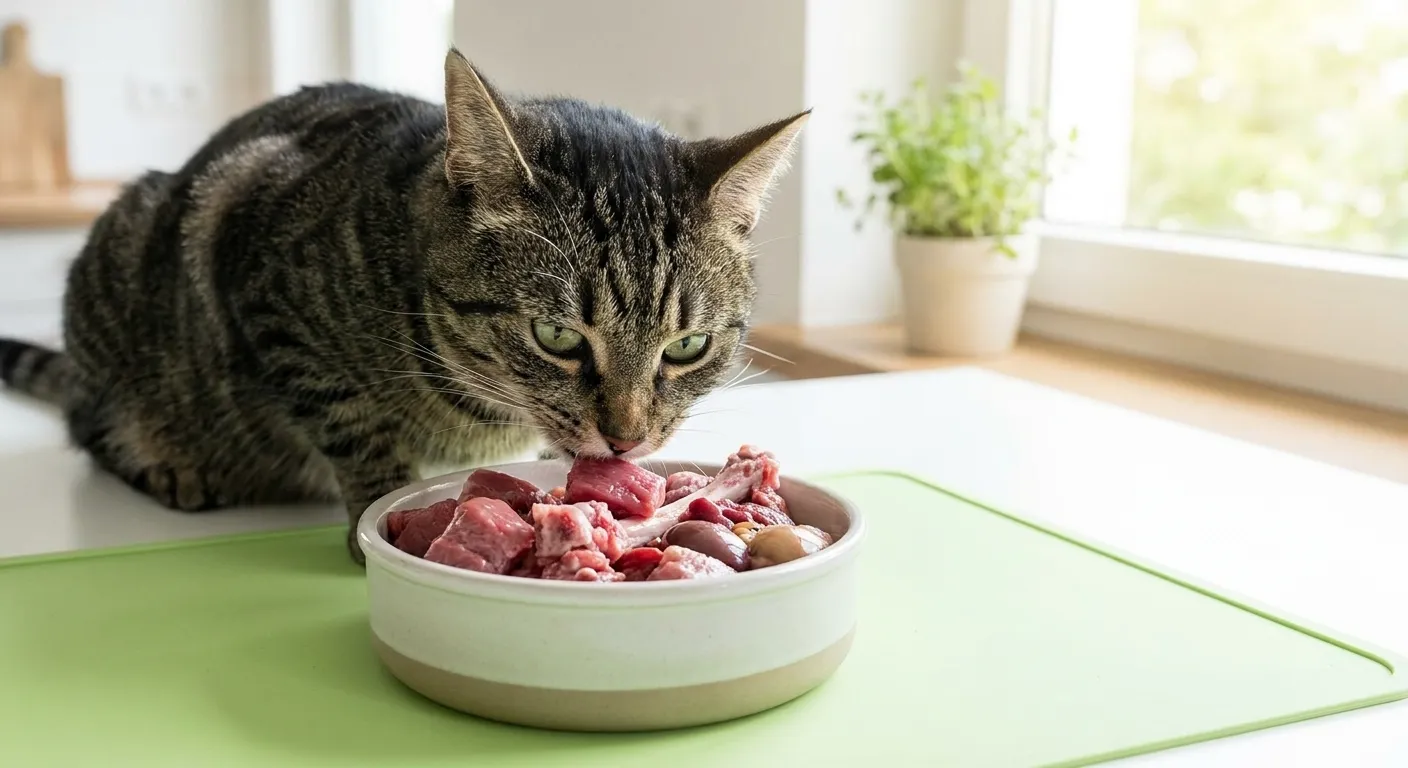
In the vast market of pet nutrition, it’s easy to be overwhelmed by choices and marketing claims. However, one principle stands above all others for feline well-being: providing species appropriate cat food. This isn’t just a trend; it’s a scientifically backed approach that honors your cat’s unique biological and evolutionary needs. Felines are not small dogs, nor are they tiny humans; their digestive systems, metabolic pathways, and nutritional demands are distinctly different, shaped by millions of years of evolution as obligate carnivores.
This article will explore why a diet tailored to a cat’s natural biology is paramount for their health. We’ll delve into the anatomical and physiological reasons why a generic approach to pet food falls short and how embracing species-appropriate feeding can lead to a healthier, happier life for your beloved companion.
The Evolutionary Blueprint: What Makes a Cat Unique?
To understand why species appropriate cat food is critical, we must look to their ancestry. Domestic cats (Felis catus) descend from the African wildcat, a desert predator whose diet consisted almost exclusively of small prey animals—rodents, birds, and insects. This ancestral diet was high in animal protein and fat, rich in moisture, and contained minimal carbohydrates. This history has left an indelible mark on their biology:
Short, Acidic Digestive Tract
Cats have a relatively short digestive tract compared to omnivores, designed for rapid processing of animal proteins and fats. Their stomachs produce highly acidic gastric juices, ideal for breaking down raw meat and bones and acting as a barrier against pathogens found in prey. Consequently, their digestive system is optimized for a carnivorous diet.
Inefficient Carbohydrate Digestion
As mentioned previously, cats lack the necessary enzymes (like salivary amylase) to efficiently break down complex carbohydrates. Their bodies are not designed to utilize plant-based sugars as a primary energy source. Diets high in carbohydrates can put a strain on their pancreas and liver, contributing to conditions like obesity and feline diabetes. In fact, many common commercial cat foods contain excessive plant-based fillers.
Unique Nutrient Requirements
Cats have several distinct nutritional requirements that set them apart:
- Taurine: An essential amino acid found almost exclusively in animal tissue. Cats cannot synthesize enough taurine, and a deficiency can lead to severe heart disease (dilated cardiomyopathy) and retinal degeneration.
- Arachidonic Acid: An essential omega-6 fatty acid found only in animal fats. Cats cannot convert linoleic acid (from plants) into arachidonic acid like many other mammals.
- Pre-formed Vitamin A: Cats cannot convert beta-carotene from plants into active Vitamin A. They require pre-formed Vitamin A, which is abundant in animal livers and other animal tissues.
- Vitamin B Niacin (B3): While many animals can synthesize niacin from the amino acid tryptophan, cats have a limited ability to do so, requiring a direct dietary source.
The Problems with Generic Commercial Cat Foods
Many commercial cat foods, particularly dry kibble, often deviate significantly from a feline’s natural dietary needs. These products are frequently formulated with high levels of plant-based ingredients, such as corn, wheat, soy, and rice, which serve as cheap fillers and binders. However, these ingredients are largely indigestible and nutritionally inappropriate for obligate carnivores. Such formulations can lead to a host of health issues over time.
For example, the high carbohydrate content in many dry foods can contribute to chronic inflammation, dental problems, and a weakened immune system. Furthermore, processed foods often lack the natural moisture content found in prey, which can stress a cat’s kidneys and urinary tract. Therefore, understanding the composition of your cat’s food is paramount.
Understanding the Impact of Dry Kibble
Dry kibble, while convenient, presents specific challenges for feline health. Its low moisture content is a significant concern for animals that naturally obtain most of their hydration from their diet. Cats have a low thirst drive, meaning they often don’t drink enough water to compensate for a dry diet. This can lead to chronic dehydration, increasing the risk of urinary tract infections, kidney disease, and crystal formation. Moreover, the processing of dry kibble often involves high heat, which can degrade vital nutrients, necessitating synthetic supplementation.
In contrast, wet food options more closely mimic the moisture content of a cat’s natural prey. This can be crucial for overall hydration and kidney function. For more insights on this, you might find our guide on Wet Vs Dry Food for Cat Weight Control helpful, as hydration plays a role in satiety and metabolic health.
What Defines Species Appropriate Cat Food?
A truly species appropriate cat food is characterized by several key factors that align with a cat’s biological design:
- High Animal Protein: The primary ingredient should be high-quality animal protein from sources like muscle meat, organ meat, and some bone.
- Moderate Animal Fat: Healthy fats are a crucial energy source and provide essential fatty acids.
- Low Carbohydrate Content: Minimal to no grains, starches, or plant-based fillers.
- High Moisture Content: Mimicking the moisture found in natural prey. This is perhaps one of the most overlooked aspects of feline nutrition.
- Rich in Essential Nutrients: Naturally providing taurine, arachidonic acid, pre-formed Vitamin A, and B vitamins in their bioavailable forms.
Choosing a diet that meets these criteria is a fundamental step towards supporting your cat’s long-term health. It helps prevent common ailments and promotes vitality. Therefore, scrutinizing ingredient lists becomes a vital habit for any responsible cat owner.
The Importance of Quality Ingredients
Beyond just the macronutrient profile, the quality and source of ingredients in a cat’s diet are equally important. Fresh, whole ingredients are always preferable to highly processed or rendered products. Look for named meat sources (e.g.,


