
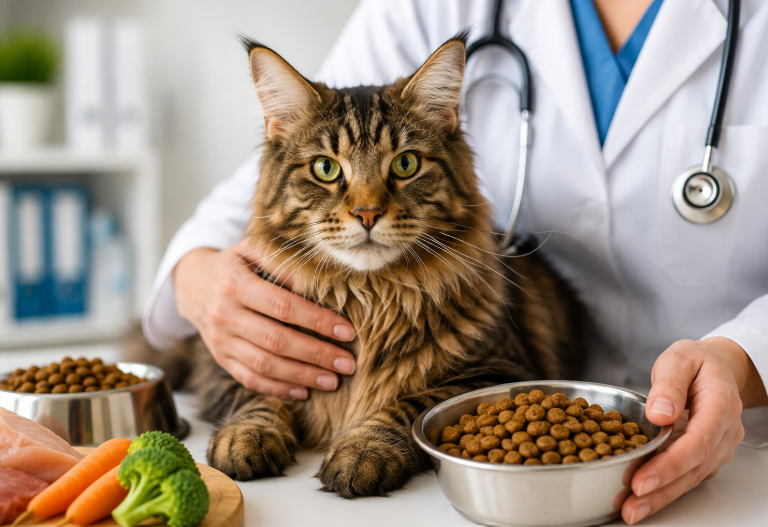
Choosing the right food for a cat can feel overwhelming. Pet store shelves are packed with products that promise better health, shinier coats, stronger muscles, and improved digestion. Yet many cat owners still wonder what separates ordinary products from vet recommended cat food. While marketing claims often focus on trends and buzzwords, veterinarians usually evaluate food based on nutritional science, ingredient quality, safety standards, and the individual needs of each cat.
Many people assume that the most expensive food is automatically the best choice. Others focus heavily on a single ingredient or a popular dietary trend. However, veterinarians typically take a more balanced approach. Their recommendations are based on whether a food delivers complete and balanced nutrition while supporting long-term health.
Cats have unique dietary requirements because they are obligate carnivores. They rely on specific nutrients found primarily in animal-based ingredients. Therefore, selecting the right food involves much more than simply choosing a product with attractive packaging. Understanding what veterinarians actually consider important can help owners make better decisions and feel more confident about their choices.
The goal is not to find a perfect food. Instead, it is to find a nutritionally appropriate option that supports your cat’s health, lifestyle, and stage of life.
Why Veterinarians Focus on Nutrition First
When evaluating vet recommended cat food, veterinarians usually begin with nutrition rather than marketing claims. A cat’s body depends on a careful balance of protein, fat, vitamins, minerals, and essential nutrients. Without that balance, even premium ingredients may fail to support overall health.
Cats require high-quality protein to maintain muscle mass, support immune function, and provide energy. Unlike some animals, they cannot thrive on diets that rely heavily on plant-based proteins. Consequently, veterinarians often prioritize foods that include clearly identified animal protein sources.
Nutritional completeness is equally important. A food should provide all essential nutrients in the correct proportions. Deficiencies can lead to serious health concerns over time. Likewise, excessive levels of certain nutrients may create problems of their own.
Veterinarians also evaluate whether a food meets recognized nutritional standards. Products formulated according to established guidelines help ensure cats receive the nutrients necessary for long-term wellness.
Rather than focusing on a single ingredient, professionals assess the entire nutritional profile. This broader perspective often provides a more accurate picture of food quality.
The Importance of Complete and Balanced Nutrition
One reason vet recommended cat food receives attention is its emphasis on complete and balanced nutrition. This phrase means the food contains all essential nutrients required for a cat’s life stage when fed as directed.
Many owners concentrate on individual ingredients while overlooking nutritional balance. Although ingredient quality matters, the overall formulation determines how effectively a food supports health. A balanced diet helps maintain healthy organs, muscles, bones, skin, and coat condition.
Protein remains a major priority because cats rely heavily on amino acids from animal sources. Taurine is especially important because cats cannot produce adequate amounts naturally. Therefore, it must be included in their diet.
Healthy fats provide energy and support brain, skin, and coat health. Vitamins and minerals contribute to numerous bodily functions, including immune support and metabolic processes. Water intake is also essential, particularly for urinary tract health.
Veterinarians understand that nutrition involves more than isolated ingredients. Instead, it requires a carefully designed combination of nutrients working together to meet a cat’s needs throughout life.
Why Ingredient Quality Matters
Ingredient quality often influences how effectively nutrients are absorbed and utilized. While reading labels can be confusing, understanding a few basic principles makes evaluation easier.
Most examples of vet recommended cat food feature clearly identified protein sources. Ingredients such as chicken, turkey, salmon, or beef provide transparency and help owners understand what their cats are eating. In contrast, vague ingredient descriptions offer less information about nutritional quality.
High-quality animal proteins generally provide better amino acid profiles than heavily processed alternatives. Consequently, they support muscle maintenance and overall wellness more effectively.
Ingredient sourcing also matters. Reputable manufacturers typically maintain strict quality control standards and monitor ingredient consistency. This attention to detail helps ensure that products meet nutritional expectations from batch to batch.
Owners should remember that ingredient lists alone do not reveal everything. Nutritional formulation, digestibility, and manufacturing practices also influence food quality. Nevertheless, high-quality ingredients remain an important part of the overall equation.
Choosing foods with transparent ingredient lists often provides greater confidence and makes comparisons easier.
Understanding Life Stage Requirements
Nutritional needs change significantly throughout a cat’s life. Therefore, veterinarians frequently recommend foods designed for specific life stages.
A key characteristic of vet recommended cat food is its suitability for the cat’s current age and condition. Kittens require higher levels of protein, calories, and certain nutrients to support growth. Adult cats need balanced nutrition that helps maintain healthy body condition. Senior cats may benefit from formulas tailored to aging bodies and changing health needs.
Life stage nutrition helps ensure cats receive appropriate nutrient levels during different phases of development. Feeding a kitten diet to an inactive senior cat could contribute to unwanted weight gain. Likewise, feeding an adult maintenance formula to a growing kitten may fail to support optimal development.
Pregnant and nursing cats also have unique nutritional requirements. During these periods, calorie and nutrient demands increase significantly.
Matching nutrition to life stage allows food to support changing physiological needs more effectively. This approach is one reason veterinarians frequently consider age when making dietary recommendations.
The Role of Scientific Research
One factor that often separates vet recommended cat food from many competing products is the level of scientific research behind the formulation. Veterinary professionals typically value evidence-based nutrition because it provides greater confidence in product performance.
Research helps manufacturers understand how nutrients affect feline health. Feeding trials, laboratory analysis, and nutritional studies contribute valuable information about product effectiveness and safety.
Companies that invest in research often employ veterinary nutritionists and animal health experts. These professionals work to develop formulas that address specific nutritional goals while maintaining balance and safety.
Scientific testing also helps identify potential issues before products reach consumers. As a result, research-backed formulas may offer greater reliability than foods based primarily on marketing trends.
Owners do not need advanced scientific knowledge to benefit from this work. However, understanding that research supports many veterinary recommendations can provide useful perspective when comparing products.
Nutrition science continues evolving, which means recommendations may change as new information becomes available. Nevertheless, evidence-based approaches remain central to veterinary nutrition.
Weight Management and Long-Term Health
Maintaining a healthy weight is one of the most important aspects of feline wellness. Excess weight increases the risk of diabetes, arthritis, cardiovascular issues, and reduced mobility.
Many examples of vet recommended cat food are formulated to support healthy body condition. Appropriate calorie density, balanced nutrients, and portion recommendations all contribute to weight management efforts.
Obesity has become increasingly common among indoor cats. Reduced activity levels often combine with excessive calorie intake, leading to gradual weight gain. Therefore, veterinarians frequently emphasize portion control alongside food selection.
Weight management is not only about reducing calories. Adequate protein remains important because it helps preserve muscle mass during weight-loss efforts. Balanced nutrition supports health while promoting gradual, sustainable progress.
Regular weight monitoring helps identify problems early. Small adjustments are often easier and more effective than major interventions later.
Healthy body weight contributes to better mobility, improved quality of life, and reduced disease risk. Consequently, it remains a key consideration when evaluating nutrition.
Special Diets for Medical Conditions
Some cats require nutritional support beyond standard maintenance diets. Health conditions often influence dietary recommendations significantly.
Veterinarians may suggest specific forms of vet recommended cat food for cats with kidney disease, diabetes, food sensitivities, urinary issues, or digestive disorders. These specialized formulas are designed to address particular medical concerns while maintaining nutritional balance.
For example, kidney-support diets often contain adjusted levels of certain nutrients to reduce strain on the kidneys. Digestive formulas may include ingredients that promote gastrointestinal comfort and nutrient absorption.
Food sensitivities sometimes require limited-ingredient diets or novel protein sources. Meanwhile, urinary health formulas often focus on maintaining appropriate mineral balance and hydration support.
These diets should not be viewed as general-purpose solutions for all cats. Instead, they are targeted tools designed to address specific health challenges.
Professional guidance becomes especially important when medical conditions are involved. A diet that benefits one condition may not be suitable for another.
What Marketing Often Gets Wrong
The pet food industry is highly competitive. As a result, many products rely on marketing messages designed to attract attention. Unfortunately, these messages do not always reflect nutritional quality.
When evaluating vet recommended cat food, it helps to separate marketing trends from nutritional facts. Terms such as premium, natural, holistic, and gourmet may sound impressive, but they do not automatically guarantee superior nutrition.
Some products emphasize trendy ingredients while overlooking overall balance. Others promote the absence of certain ingredients without clearly explaining nutritional benefits. Consequently, owners may focus on factors that matter less than they realize.
Grain-free diets provide a useful example. While some cats benefit from specific formulations, grain-free products are not inherently healthier for every cat. The overall nutritional profile remains more important than the presence or absence of a single ingredient category.
Veterinarians generally evaluate foods based on science, nutritional adequacy, and safety rather than marketing language. This practical approach often leads to more reliable recommendations.
Making the Best Choice for Your Cat
Finding the right food involves understanding your cat’s individual needs. Age, activity level, health status, weight, and personal preferences all play important roles.
A good vet recommended cat food should provide complete nutrition, support appropriate body condition, and match your cat’s current life stage. It should also come from a manufacturer with strong quality control practices and transparent nutritional standards.
Transitioning between foods should occur gradually. Sudden dietary changes can cause digestive upset and make adaptation more difficult. Therefore, mixing increasing amounts of the new food with the current food often works best.
Observation remains essential. Healthy energy levels, normal digestion, a shiny coat, and stable weight suggest that a food is meeting nutritional needs effectively.
No single product works perfectly for every cat. However, informed decision-making greatly improves the likelihood of finding a suitable option. Working with a veterinarian can provide additional guidance when questions arise.
Conclusion
Understanding what truly matters in vet recommended cat food helps cut through marketing confusion and focus on the factors that support feline health. Veterinarians typically prioritize complete and balanced nutrition, high-quality protein sources, scientific research, life stage suitability, and long-term wellness. These considerations provide a stronger foundation than trendy ingredients or advertising claims alone.
Every cat is unique, and nutritional needs vary throughout life. By focusing on evidence-based principles and selecting foods that meet recognized nutritional standards, owners can make confident decisions that support their pets for years to come. Ultimately, the best food is one that delivers balanced nutrition, promotes healthy body condition, and helps your cat enjoy a long, active, and comfortable life.
FAQ
1. Why do veterinarians recommend certain cat foods?
Veterinarians often recommend foods that provide complete nutrition, quality ingredients, and scientific support for feline health.
2. Is expensive food always better for cats?
No. Price alone does not determine quality. Nutritional balance, ingredient sourcing, and manufacturing standards matter more.
3. Should kittens eat the same food as adult cats?
No. Kittens require higher levels of certain nutrients to support growth and development.
4. Are grain-free diets necessary for all cats?
Not necessarily. Most cats can digest properly formulated diets that contain grains. Individual needs vary.
5. How often should I review my cat’s diet?
Review nutrition regularly, especially during life stage changes, weight fluctuations, or the development of health conditions.


