
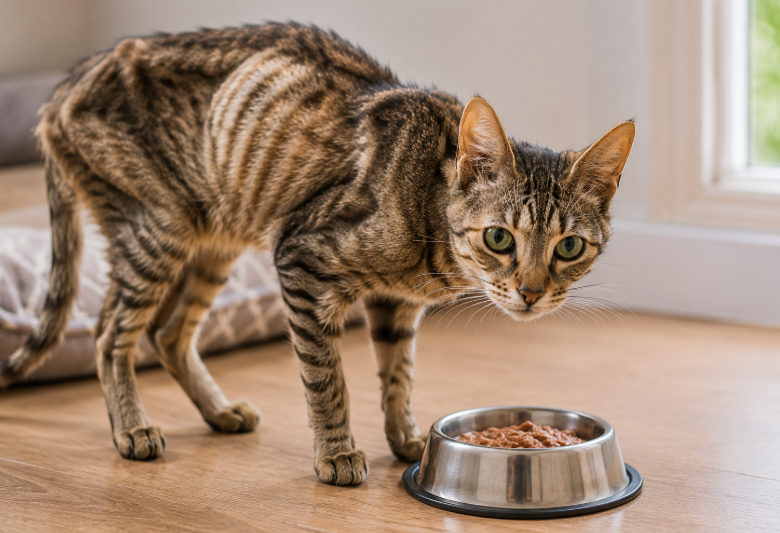
Healthy body weight plays a major role in a cat’s long-term wellness, energy, and quality of life. While obesity often receives more attention, unhealthy weight loss can become equally serious and sometimes even more dangerous. Many cat owners do not notice gradual weight changes until the cat becomes visibly thin or weak. Unfortunately, underweight cats may face increased risks involving poor immunity, muscle loss, fatigue, and worsening medical conditions if the problem continues untreated.
Weight loss in cats rarely happens without a reason. Sometimes the cause involves simple dietary issues or stress, while other situations may signal underlying illnesses requiring immediate veterinary care. Older cats especially become more vulnerable to unhealthy weight loss due to age-related health challenges, reduced appetite, and digestive changes.
Cats naturally hide discomfort well, which makes early symptoms difficult to recognize. Owners may notice reduced eating, decreased activity, poor coat condition, or visible ribs before realizing significant weight loss has already occurred.
Fortunately, many cases improve significantly with early intervention, proper nutrition, stress reduction, and veterinary support. Understanding the causes behind unhealthy weight loss helps owners respond faster and support safer recovery.
How to Recognize Unhealthy Weight Loss
Many cats lose weight gradually, making changes difficult to notice initially. Long-haired cats especially may appear larger than they truly are because thick fur hides body condition.
Underweight cats often show visible ribs, spine, or hip bones more prominently than healthy-weight cats. Muscle loss around the shoulders and hind legs may also become noticeable over time.
The waistline may appear extremely narrow when viewed from above, while the abdomen sometimes looks tucked upward excessively.
Energy levels often decline as well. Cats experiencing unhealthy weight loss may sleep more, play less, or avoid climbing and jumping activities they previously enjoyed.
Poor coat condition can additionally signal nutritional problems. Fur may appear dull, greasy, thin, or poorly groomed.
Appetite changes frequently accompany weight loss too. Some cats stop eating entirely, while others appear hungry yet continue losing weight regardless.
Importantly, rapid weight loss in cats always deserves serious attention because felines can develop dangerous liver complications if food intake drops significantly.
Regular weight monitoring helps owners detect smaller changes before cats become severely underweight.
Poor Appetite Is One of the Biggest Causes
Reduced appetite remains one of the most common reasons cats lose weight. Even short periods of poor eating may affect body condition quickly because cats have relatively small energy reserves.
Underweight cats often experience appetite loss due to illness, stress, dental pain, digestive problems, or environmental changes.
Cats also become highly sensitive to food texture, smell, and routine disruptions. Sudden food changes sometimes trigger refusal to eat entirely.
Stress affects appetite significantly too. Moving homes, new pets, loud environments, or schedule changes may reduce food intake unexpectedly.
Medical conditions frequently contribute as well. Kidney disease, hyperthyroidism, diabetes, infections, and gastrointestinal disorders commonly affect appetite in cats.
Nausea may also play a major role. Cats experiencing nausea sometimes approach food yet walk away without eating.
Importantly, owners should never assume appetite loss is simply picky behavior if it continues more than a short period.
Persistent appetite reduction requires veterinary attention because rapid nutritional decline can become dangerous for cats much faster than many owners realize.
Dental Problems Can Prevent Eating
Dental disease affects a large percentage of cats, especially during the senior years. Painful teeth or inflamed gums often reduce appetite because eating becomes uncomfortable.
Underweight cats sometimes continue showing interest in food while struggling physically to chew or swallow comfortably.
Broken teeth, infections, gum disease, or mouth inflammation may create severe discomfort even when symptoms appear subtle externally.
Cats frequently hide oral pain well. Some continue attempting to eat despite discomfort, while others drop food, chew awkwardly, or favor softer textures.
Bad breath, drooling, pawing at the mouth, or facial sensitivity may additionally indicate dental problems.
Wet food often becomes easier for cats with oral discomfort because it requires less chewing effort.
Importantly, untreated dental disease may worsen rapidly while also increasing infection risks throughout the body.
Regular veterinary dental evaluations help identify issues before appetite and weight decline severely.
Digestive Problems Affect Nutrient Absorption
Some cats eat regularly yet still lose weight because the digestive system fails to absorb nutrients properly. Gastrointestinal disorders frequently contribute to unhealthy body condition.
Underweight cats may experience chronic vomiting, diarrhea, constipation, or inflammatory digestive diseases affecting nutrient absorption.
Inflammatory bowel disease remains relatively common in cats and often causes ongoing digestive irritation that reduces nutrient utilization.
Food intolerances or allergies may additionally contribute to chronic digestive stress and weight loss.
Parasites can also affect nutrient absorption, especially in outdoor cats or rescue animals without consistent veterinary care.
Chronic vomiting should never be considered normal. Even occasional vomiting may signal underlying digestive problems requiring attention.
Importantly, digestive conditions often worsen gradually over time, making early diagnosis extremely valuable for long-term recovery.
Stress and Anxiety Influence Weight Loss
Cats thrive on stability and routine. Consequently, stress often affects appetite, digestion, and overall behavior more strongly than many owners realize.
Underweight cats sometimes lose weight primarily due to anxiety or environmental disruption rather than physical illness alone.
Moving homes, introducing new pets, loud construction, unfamiliar visitors, or changes in feeding locations may reduce appetite significantly.
Multi-cat households also create feeding stress occasionally. Timid cats sometimes avoid eating properly when dominant cats control feeding areas.
Boredom and emotional stress can further influence eating habits in indoor cats lacking enrichment or predictable routines.
Creating quiet feeding areas often helps nervous cats feel more comfortable during meals. Consistent schedules additionally improve emotional stability.
Pheromone diffusers and interactive play sessions may reduce anxiety in some situations as well.
Importantly, prolonged stress weakens immune function and worsens physical recovery if appetite remains poor over time.
Hyperthyroidism Frequently Causes Weight Loss
Hyperthyroidism remains one of the most common medical conditions causing weight loss in older cats. This disorder occurs when the thyroid gland produces excessive hormones that accelerate metabolism dramatically.
Underweight cats with hyperthyroidism often eat excessively while continuing to lose weight unexpectedly.
Increased thirst, hyperactivity, vomiting, diarrhea, and restlessness commonly accompany this condition as well.
Owners may initially mistake hyperthyroid cats for unusually energetic or hungry before noticing severe weight reduction.
Without treatment, hyperthyroidism places major strain on the heart, kidneys, and overall health.
Fortunately, veterinary treatment options often improve symptoms significantly once diagnosed properly.
Importantly, unexplained weight loss despite strong appetite almost always deserves veterinary testing because hyperthyroidism remains extremely common in aging cats.
Kidney Disease Often Reduces Appetite
Kidney disease affects many older cats and frequently contributes to appetite loss, dehydration, and gradual weight decline.
Underweight cats with kidney disease often experience nausea, fatigue, increased thirst, and reduced interest in food.
Toxin buildup caused by declining kidney function may additionally create mouth ulcers or digestive discomfort that further discourages eating.
Hydration becomes especially important because kidney disease increases fluid loss significantly.
Wet food often helps support hydration more effectively than dry kibble alone.
Prescription diets sometimes become necessary as well. These formulas aim to reduce kidney stress while maintaining nutritional balance.
Importantly, early diagnosis improves long-term management outcomes considerably. Regular bloodwork helps identify kidney problems before symptoms become severe.
Senior Cats Face Higher Weight Loss Risks
Aging naturally changes metabolism, muscle maintenance, digestion, and energy levels. Consequently, senior cats become especially vulnerable to unhealthy weight loss.
Underweight cats in the senior age group often struggle with multiple overlapping issues including arthritis, dental disease, kidney problems, digestive sensitivity, and reduced appetite.
Muscle wasting also becomes more common during aging even when calorie intake appears normal.
Older cats sometimes lose interest in food due to reduced smell sensitivity or chronic discomfort as well.
Warm wet food often stimulates appetite better because stronger aromas encourage eating.
Smaller, more frequent meals may additionally improve intake for senior cats struggling with large portions.
Importantly, senior cats benefit greatly from regular veterinary monitoring because small health changes often affect weight quickly.
How to Help Cats Gain Weight Safely
Helping cats regain healthy weight requires patience, consistency, and careful nutritional support rather than aggressive overfeeding.
Underweight cats generally recover best through gradual calorie increases using highly digestible nutrient-rich foods.
Wet food often supports recovery effectively because it provides hydration while remaining easier to chew and digest.
High-protein diets usually help rebuild muscle mass more efficiently as well. Cats remain obligate carnivores requiring strong animal protein intake throughout life.
Frequent small meals may work better than large portions because they reduce digestive stress while encouraging consistent intake.
Warming food slightly improves smell and palatability for many cats struggling with appetite.
Quiet feeding environments additionally help reduce stress-related appetite suppression.
Importantly, owners should avoid forcing food aggressively unless specifically directed by veterinarians because negative feeding experiences may worsen food aversion.
When Veterinary Care Is Urgent
Some situations require immediate veterinary evaluation rather than home monitoring alone. Rapid weight loss can become dangerous quickly in cats.
Underweight cats showing vomiting, diarrhea, severe lethargy, dehydration, breathing difficulty, or complete appetite loss need urgent professional attention.
Cats refusing food entirely for more than a short period face especially high risks for serious liver complications.
Yellow gums, weakness, collapse, or severe dehydration additionally indicate medical emergencies.
Diagnostic testing often includes bloodwork, thyroid evaluation, imaging, dental examination, and stool analysis depending on symptoms.
Importantly, early veterinary intervention frequently improves recovery speed and treatment success dramatically.
Owners should never wait too long hoping severe weight loss resolves independently because underlying conditions may worsen quickly without treatment.
Preventing Future Weight Loss Problems
Prevention remains far easier than treating severe weight decline later. Consistent monitoring helps owners recognize subtle changes before cats become dangerously thin.
Underweight cats often show early warning signs gradually, including appetite shifts, reduced activity, coat changes, or altered behavior.
Routine weigh-ins provide one of the easiest prevention tools. Even small changes become easier to track consistently over time.
Annual or semiannual veterinary exams additionally help identify hidden health problems early.
Stable feeding routines support appetite consistency while reducing stress-related eating problems.
High-quality nutrition also plays a major role in long-term body condition maintenance.
Importantly, owners should pay close attention to senior cats because aging increases vulnerability to many weight-related health challenges.
Conclusion
Underweight cats often face serious health risks involving poor immunity, muscle loss, fatigue, and worsening medical conditions when weight loss continues untreated. Although some cases involve stress or dietary problems, many situations result from underlying illnesses requiring veterinary care.
Poor appetite, dental disease, digestive disorders, kidney disease, hyperthyroidism, and aging-related challenges remain some of the most common causes of unhealthy feline weight loss. Because cats naturally hide discomfort well, owners must pay close attention to appetite, energy levels, and body condition changes.
Fortunately, many cats recover successfully when problems receive early attention. High-quality nutrition, moisture-rich food, stress reduction, gradual calorie increases, and veterinary guidance all support healthier weight restoration.
Most importantly, unexplained weight loss should never be ignored. Fast action often improves recovery outcomes significantly while helping cats regain strength, comfort, and long-term quality of life more safely and effectively.
FAQ
1. Why Do Cats Lose Weight Suddenly?
Weight loss may result from illness, stress, appetite loss, digestive disorders, or metabolic conditions like hyperthyroidism.
2. Is It Dangerous if a Cat Stops Eating?
Yes. Cats can develop serious liver complications quickly if food intake stops for too long.
3. What Foods Help Thin Cats Gain Weight?
High-protein wet foods and nutrient-dense diets often help support healthy gradual weight gain.
4. Can Stress Cause Cats to Become Too Thin?
Yes. Anxiety and environmental changes may reduce appetite and contribute to unhealthy weight loss.
5. When Should Owners Call a Veterinarian?
Veterinary care is important whenever weight loss becomes noticeable, persistent, or accompanied by other symptoms.


