
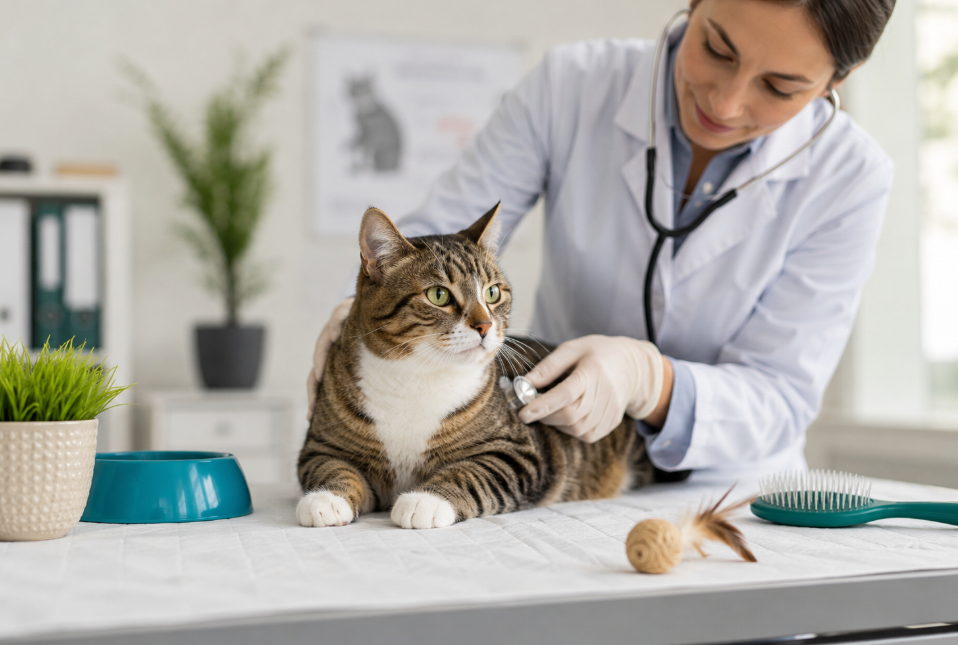
Every cat owner wants their pet to live a long, healthy, and comfortable life. While genetics play a role in longevity, daily habits often have an even greater impact on a cat’s overall well-being. That is why preventive care for cats matters so much. Simple routines and consistent health practices can reduce illness, improve quality of life, and help cats remain active well into their senior years.
Many serious feline health problems develop slowly over time. Unfortunately, cats naturally hide discomfort, which means symptoms often go unnoticed until conditions become advanced. Preventive care helps owners identify problems early before they become more difficult or expensive to manage. In addition, healthy routines support stronger immunity, better digestion, and healthier weight control.
Caring for a cat involves much more than filling a food bowl each day. Nutrition, exercise, dental hygiene, stress management, and regular veterinary visits all contribute to long-term wellness. Fortunately, most preventive habits are simple to maintain once they become part of a consistent routine.
Why Early Prevention Matters for Cat Health
Cats age differently from humans, and health problems can develop quickly without obvious warning signs. Therefore, preventive care focuses on identifying risks before they progress into serious conditions. Early action often improves treatment success and helps cats avoid unnecessary discomfort.
Routine veterinary checkups remain one of the most important parts of preventive health. Even healthy-looking cats benefit from regular exams because veterinarians can detect subtle issues that owners may miss. Weight changes, dental disease, joint stiffness, and heart irregularities often appear gradually. Early diagnosis usually allows simpler and more effective treatment.
Vaccinations also protect cats from dangerous illnesses. Indoor cats still face exposure risks through open windows, visitors, grooming appointments, or contact with other animals. Preventive vaccines help reduce the chance of severe infections and support overall community health among pets.
Parasite prevention matters as well. Fleas, ticks, worms, and mites can create serious health complications if left untreated. In addition, some parasites spread diseases that affect both animals and humans. Consistent prevention helps keep the home safer and healthier.
Nutrition plays a major role in disease prevention too. Poor-quality diets may contribute to obesity, digestive problems, and low energy levels. Meanwhile, balanced nutrition supports healthy organs, muscles, and immune function throughout a cat’s life.
The goal of preventive care for cats is not simply avoiding illness. Instead, it focuses on maintaining comfort, energy, and quality of life over many years.
Building Healthy Feeding Habits Early
One of the most effective ways to support long-term feline health involves creating balanced feeding habits. Since obesity remains a common issue among household cats, portion control and proper nutrition are extremely important.
Cats thrive on consistency. Scheduled meals help regulate digestion and reduce overeating. Although free-feeding dry food may seem convenient, many cats continue eating out of boredom rather than hunger. Over time, that habit often leads to unhealthy weight gain.
Portion control helps prevent obesity and related health problems. Extra body weight places strain on joints, increases diabetes risk, and may reduce overall mobility. Therefore, measuring meals carefully supports healthier calorie management.
High-quality protein should remain the foundation of a cat’s diet. Cats require animal-based nutrients to maintain muscle mass and energy levels. Wet food can also provide important hydration benefits because many cats naturally drink less water than they should.
Treats should remain limited and intentional. While treats strengthen bonding and reward positive behavior, excessive snacking often disrupts balanced nutrition. Small rewards used occasionally work far better than constant treats throughout the day.
Fresh water access is equally important. Hydration supports kidney function, digestion, and urinary health. Many owners encourage drinking by using water fountains because moving water often feels more appealing to cats.
Consistent nutrition routines remain one of the strongest foundations of preventive care for cats because healthy feeding habits affect nearly every aspect of feline wellness.
The Importance of Exercise and Mental Stimulation
Indoor cats may live safer lives, but they often face lower activity levels. Without regular movement and stimulation, many cats become bored, overweight, or stressed. Therefore, exercise plays an important role in maintaining long-term health.
Interactive play encourages physical movement while supporting mental stimulation. Toys that mimic prey behavior, such as feather wands or rolling balls, help cats engage their natural hunting instincts. Short daily play sessions often improve mood, energy, and mobility.
Climbing opportunities support exercise as well. Cat trees, shelves, and window perches encourage jumping and exploration. These activities strengthen muscles and provide environmental enrichment that keeps indoor cats mentally engaged.
Mental stimulation helps reduce destructive behaviors too. Bored cats sometimes overeat, scratch furniture excessively, or develop stress-related habits. Puzzle feeders and rotating toys help create variety that keeps cats interested and active.
Exercise becomes especially important as cats age. Regular movement helps maintain joint flexibility and muscle strength. Even gentle daily activity can improve mobility and reduce stiffness in senior cats.
Owners sometimes underestimate how much emotional health affects physical wellness. Cats that feel stimulated and secure often experience lower stress levels, better appetite regulation, and healthier sleep patterns.
Because of this connection, preventive care for cats should always include both physical and mental enrichment rather than focusing only on medical treatment.
Dental Care and Oral Health Habits
Dental disease affects many adult cats, yet it often goes unnoticed until severe discomfort develops. Since cats naturally hide pain, oral problems may become advanced before owners recognize symptoms. Preventive dental care helps reduce this risk significantly.
Plaque and tartar buildup can lead to gum inflammation, infections, and tooth loss. Additionally, bacteria from dental disease may spread to major organs and affect overall health. Therefore, oral hygiene supports more than just healthy teeth.
Regular tooth brushing remains one of the most effective preventive habits. Although some cats resist brushing at first, gradual training often improves cooperation over time. Cat-safe toothpaste and soft brushes make the process easier and safer.
Dental treats and specially formulated foods may also help reduce plaque accumulation. However, they should support brushing rather than replace it entirely.
Professional veterinary cleanings sometimes become necessary, especially for older cats. During these cleanings, veterinarians remove hardened tartar and examine the mouth carefully for signs of infection or damage.
Owners should also watch for warning signs such as bad breath, drooling, difficulty chewing, or pawing at the mouth. These symptoms may indicate dental discomfort that requires veterinary attention.
Including oral hygiene in preventive care for cats helps protect long-term health while improving daily comfort and eating ability.
Managing Stress and Creating a Safe Environment
Stress affects cats more deeply than many owners realize. Chronic anxiety may weaken the immune system, reduce appetite, and contribute to behavioral problems. Therefore, creating a calm and secure environment supports both emotional and physical wellness.
Cats thrive on routine and predictability. Sudden environmental changes often create stress, especially in sensitive cats. Consistent feeding schedules, quiet resting areas, and stable daily routines help cats feel secure.
Safe hiding spaces are important as well. Cats naturally seek protected areas when they feel overwhelmed or tired. Providing covered beds, shelves, or quiet corners allows them to retreat comfortably when needed.
Litter box hygiene also affects emotional health. Dirty litter boxes frequently cause stress and may lead to inappropriate elimination behavior. Most cats prefer clean boxes placed in calm, accessible locations.
Multi-cat households sometimes require additional attention. Competition over food, territory, or litter boxes may increase anxiety between pets. Providing multiple resources helps reduce conflict and creates a more peaceful environment.
Noise levels matter too. Loud appliances, frequent visitors, or constant disruptions can increase stress in some cats. Calm spaces with predictable activity often improve overall comfort.
A balanced home environment supports preventive care for cats because emotional well-being directly influences physical health and daily behavior.
Routine Veterinary Care and Health Monitoring
Regular veterinary visits remain one of the most valuable preventive tools available to cat owners. Even healthy cats benefit from professional exams because many conditions develop silently during the early stages.
Annual checkups help monitor weight, heart function, dental health, and mobility. Senior cats may require more frequent visits because aging increases the risk of chronic illnesses such as kidney disease or arthritis.
Bloodwork and urine testing provide valuable insight into internal health. These screenings often detect issues before obvious symptoms appear. Early diagnosis usually improves treatment options and long-term outcomes.
Vaccination schedules should remain current based on lifestyle and risk factors. Veterinarians can recommend the most appropriate vaccines for indoor, outdoor, or mixed-environment cats.
Owners should monitor changes between appointments as well. Appetite shifts, weight loss, unusual grooming habits, or reduced activity may indicate developing problems. Small changes often reveal important health clues.
Spaying and neutering also support long-term wellness. These procedures reduce certain cancer risks and may improve behavior while preventing unwanted litters.
Financially, preventive veterinary care often costs less than emergency treatment later. Addressing small issues early typically prevents more serious complications and expensive interventions.
Strong preventive care for cats combines professional veterinary support with attentive daily observation at home.
Grooming and Coat Maintenance
Regular grooming supports more than appearance alone. Healthy grooming habits help prevent skin issues, reduce hairballs, and strengthen the bond between cats and owners.
Long-haired cats usually require more frequent brushing because their coats tangle easily. However, short-haired cats benefit from grooming too. Brushing removes loose fur, distributes natural oils, and allows owners to check for skin changes or parasites.
Hairballs are a common issue in many cats. Regular brushing reduces loose hair ingestion during self-grooming, which may help decrease vomiting related to hairballs.
Nail care is another important preventive habit. Overgrown nails may curl painfully or affect walking comfort. Trimming nails regularly helps prevent injuries and protects furniture as well.
Ear cleaning may occasionally become necessary, especially if wax buildup develops. However, aggressive cleaning should be avoided because cats have sensitive ears. Veterinarians can demonstrate safe techniques if needed.
Skin and coat changes sometimes reveal underlying health concerns. Dull fur, bald spots, or excessive scratching may indicate allergies, parasites, or nutritional imbalance. Early attention often prevents more serious problems later.
Although grooming may seem simple, it remains an important part of preventive care for cats because it supports both hygiene and early health monitoring.
Supporting Healthy Aging in Senior Cats
As cats grow older, preventive care becomes even more important. Senior cats often experience changes in mobility, appetite, and organ function. Thoughtful adjustments help maintain comfort and quality of life throughout the aging process.
Older cats may need softer bedding and easier access to favorite resting areas. Joint stiffness sometimes makes climbing or jumping more difficult, so low-entry litter boxes and accessible food stations can improve daily comfort.
Dietary needs often change with age as well. Senior cats may require modified calorie intake, additional hydration support, or specialized nutrition for kidney or joint health.
Regular veterinary screenings become increasingly valuable in senior years. Kidney disease, hyperthyroidism, arthritis, and dental problems commonly affect aging cats. Early management often helps cats remain active and comfortable much longer.
Mental stimulation still matters for older pets too. Gentle play, social interaction, and familiar routines help support emotional well-being and cognitive health.
Owners should watch closely for subtle behavior changes. Increased sleeping, reduced grooming, or decreased appetite may indicate discomfort or illness that requires medical attention.
Preventive care for cats becomes especially meaningful during senior years because small daily efforts often create significant improvements in comfort and longevity.
Conclusion
Helping a cat live a longer and healthier life starts with consistent daily habits. Preventive care focuses on avoiding problems before they become severe, which allows cats to remain comfortable, active, and emotionally balanced for many years.
Healthy nutrition, regular exercise, dental hygiene, stress reduction, and veterinary care all work together to support long-term wellness. In addition, attentive observation helps owners recognize subtle changes early when treatment options are often more effective.
Cats may hide discomfort naturally, but preventive routines give owners valuable opportunities to monitor health closely and respond quickly when concerns arise. Simple habits performed consistently often make the greatest difference over time.
By prioritizing preventive care for cats, owners create a stronger foundation for lifelong health, happiness, and companionship. Those everyday choices may ultimately help cats enjoy longer, more comfortable lives filled with energy and trust.
FAQ
1. How often should cats visit the veterinarian?
Most healthy adult cats should receive annual checkups, while senior cats may benefit from more frequent visits.
2. Why is dental care important for feline health?
Dental disease can cause pain, infections, and organ complications if left untreated over time.
3. Can indoor cats still get parasites?
Yes, indoor cats may still encounter fleas, worms, or mites through people, other pets, or contaminated items.
4. What is the best way to keep indoor cats active?
Daily play sessions, climbing spaces, and interactive toys help maintain physical and mental stimulation.
5. How can I tell if my cat is stressed?
Changes in appetite, hiding behavior, overgrooming, or litter box issues may signal stress or anxiety.


