
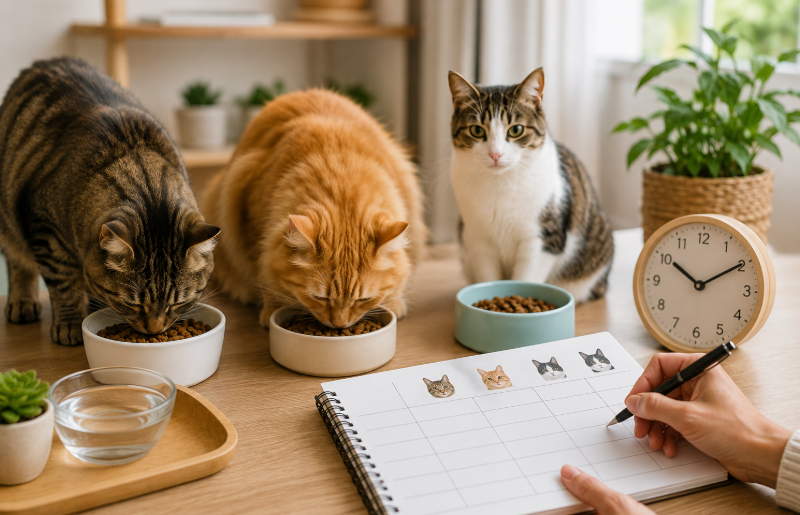
Creating a personalized feeding schedule for your cat is one of the most effective ways to support long-term health and happiness. While many cat owners focus on choosing quality food, meal timing is equally important. Cats thrive on consistency, and a structured routine can improve digestion, maintain healthy weight, reduce stress, and even strengthen the bond between pets and owners. Every cat is unique, however, so a feeding plan that works for one feline may not work for another.
A cat’s nutritional needs depend on several factors, including age, activity level, weight, health condition, and lifestyle. Therefore, building a schedule around those specific needs is far more beneficial than following a generic feeding routine. Whether you have a playful kitten, a busy adult cat, or a relaxed senior companion, a customized approach can make daily feeding easier and more effective.
Many owners assume cats naturally know when and how much to eat. Although some cats regulate their intake well, others tend to overeat when food is constantly available. As a result, obesity has become a common issue among household cats. Establishing clear meal times helps prevent this problem while encouraging healthier eating habits.
Understanding your cat’s natural behavior is an excellent starting point. In the wild, cats hunt and eat multiple small meals throughout the day. Their digestive systems are designed for frequent feeding rather than consuming one large meal. Consequently, dividing daily food into smaller portions often aligns better with their biological needs.
Why Every Cat Needs an Individual Feeding Plan
No two cats are exactly alike. Even cats living in the same home can have dramatically different nutritional requirements. A highly active cat burns more calories than a sedentary indoor pet. Likewise, a growing kitten requires more energy than a senior cat that spends much of the day resting.
A personalized feeding schedule takes these differences into account. Instead of relying on standard feeding recommendations, it focuses on what your specific cat needs to thrive. This individualized approach can support healthy body weight, improve energy levels, and reduce the risk of diet-related health issues.
Age is one of the most important considerations. Kittens need frequent meals because their bodies are developing rapidly. Most young kittens benefit from three to four meals each day. Adult cats typically do well with two to four meals, depending on their energy requirements and lifestyle. Senior cats may continue following an adult schedule, although certain health conditions may require adjustments.
Medical needs also influence feeding routines. Cats with diabetes, digestive disorders, or kidney disease often benefit from carefully timed meals. In these situations, veterinarians frequently recommend specific schedules to support treatment plans. Therefore, consulting a veterinary professional is essential whenever health concerns are involved.
Another factor is household dynamics. In multi-cat homes, competition can affect eating habits. Some cats eat too quickly, while others avoid food because they feel intimidated. A customized routine helps ensure every cat receives the proper amount of nutrition without unnecessary stress.
Determining the Right Feeding Frequency
Choosing how often to feed your cat is one of the first steps in developing a successful routine. While there is no universal answer, most experts agree that several smaller meals are often preferable to one large feeding session.
A personalized feeding schedule should match your cat’s natural activity patterns. Many cats are most active during the early morning and evening hours. Therefore, scheduling meals around these times often works well. Morning feeding provides energy for daily activity, while evening meals satisfy hunger before nighttime rest.
Cats that beg for food throughout the day may benefit from dividing meals into smaller portions. This approach helps reduce hunger while preventing excessive calorie consumption. Additionally, frequent meals can support digestion and stabilize energy levels.
Owners with busy schedules often use automatic feeders to maintain consistency. These devices allow food portions to be delivered at specific times, even when no one is home. As a result, cats enjoy a predictable routine without disruptions caused by changing work schedules.
It is also important to observe how your cat responds to feeding times. If your cat appears overly hungry, gains weight, or leaves food untouched, adjustments may be necessary. Monitoring behavior provides valuable insight into whether the schedule is working effectively.
Matching Meal Portions to Individual Needs
Timing is important, but portion control is equally essential. Even the most carefully planned routine can fail if food quantities are incorrect. The goal is to provide enough calories to support health without encouraging weight gain.
A personalized feeding schedule works best when paired with accurate portion measurements. Many owners estimate serving sizes, which can easily lead to overfeeding. Using a measuring cup or kitchen scale creates greater consistency and helps maintain proper calorie intake.
Food packaging often provides feeding guidelines, but these recommendations are only starting points. Activity level, metabolism, and body condition all influence actual calorie needs. Therefore, observing your cat’s weight and physical condition remains critical.
Treats should also be included in daily calorie calculations. Although treats seem small, they can contribute significantly to overall intake. Moderation is key. Many veterinarians recommend limiting treats to no more than ten percent of total daily calories.
Regular weight checks help identify whether portion sizes remain appropriate. If your cat gains weight steadily, a reduction in calories may be necessary. Conversely, unexplained weight loss may indicate a need for additional food or veterinary evaluation.
Creating Consistency Without Becoming Rigid
Cats appreciate routine, yet flexibility is sometimes necessary. Life changes, travel, work schedules, and family obligations can occasionally disrupt feeding times. Fortunately, a healthy routine does not require perfection.
The purpose of a personalized feeding schedule is to create consistency while remaining practical. Feeding within a similar time window each day is usually sufficient. For example, serving breakfast between 7:00 and 8:00 each morning can maintain predictability without creating unnecessary stress.
Consistency benefits more than hunger management. Scheduled meals often improve behavior because cats learn when to expect food. Consequently, excessive meowing and food-seeking behaviors may decrease over time.
Meal routines can also become opportunities for enrichment. Instead of simply placing food in a bowl, consider using puzzle feeders or food-dispensing toys. These tools encourage natural hunting instincts and provide mental stimulation. Furthermore, they slow eating speed, which may reduce digestive discomfort in cats that eat too quickly.
When introducing changes, transition gradually. Sudden adjustments can confuse cats and sometimes cause digestive upset. Slowly shifting meal times over several days allows the cat to adapt comfortably.
Adjusting Feeding Schedules Throughout Life
A cat’s nutritional needs rarely remain the same forever. Growth, aging, health conditions, and lifestyle changes all influence feeding requirements. Therefore, regular evaluations are essential.
A personalized feeding schedule should evolve as your cat progresses through different life stages. Kittens eventually transition to adult feeding routines. Adult cats may become less active as they age. Senior cats often develop new dietary needs that require modifications.
Weight changes provide valuable clues. A healthy weight indicates the schedule is supporting your cat effectively. However, unexpected gains or losses suggest adjustments may be needed. Routine veterinary examinations can help identify these issues early.
Seasonal changes sometimes influence appetite as well. Certain cats eat slightly more during colder months and less during warmer periods. Monitoring these patterns helps maintain appropriate calorie intake year-round.
Environmental factors also matter. Moving to a new home, introducing another pet, or changing daily routines can affect feeding behavior. During these transitions, maintaining familiar meal schedules often provides comfort and stability.
As cats age, hydration becomes increasingly important. Wet food may become a larger part of the feeding plan because it contributes additional moisture. This adjustment can support urinary and kidney health, particularly in older cats.
Common Mistakes to Avoid
Many feeding challenges stem from well-intentioned habits. One of the most common mistakes is leaving unlimited food available all day. While free-feeding works for some cats, it often leads to overeating and weight gain.
Another issue involves inconsistent meal timing. Frequent schedule changes can create confusion and encourage food-related anxiety. Establishing regular feeding windows supports healthier habits and predictable behavior.
Ignoring body condition is another common problem. Some owners rely solely on appetite as an indicator of health. However, cats may continue eating despite becoming overweight. Regular monitoring provides a more accurate picture of overall well-being.
Overusing treats can also undermine progress. Even healthy treats contain calories. Therefore, they should complement a feeding plan rather than replace balanced nutrition.
Finally, many owners fail to reassess routines over time. A personalized feeding schedule should remain flexible enough to adapt when circumstances change. Periodic reviews ensure the plan continues supporting your cat’s needs effectively.
Building a Long-Term Feeding Routine
Creating a successful routine does not require complicated calculations or strict rules. Instead, it involves understanding your cat’s needs and making thoughtful adjustments when necessary. Consistency, observation, and patience are often more important than perfection.
A personalized feeding schedule provides structure while allowing room for individual preferences. Cats benefit from predictable meal times, appropriate portions, and diets tailored to their stage of life. Together, these elements create a foundation for better health and improved quality of life.
Owners who monitor eating habits regularly can identify potential issues before they become serious. Moreover, a customized approach helps reduce stress, encourages healthy weight management, and supports stronger daily routines.
As your relationship with your cat grows, feeding becomes more than a simple task. It becomes an opportunity to provide care, build trust, and support lifelong wellness. By paying attention to timing, portions, and changing needs, you can create a routine that truly works for your feline companion.
Conclusion
Developing a feeding routine that fits your cat’s unique needs is one of the best investments you can make in their health. A personalized feeding schedule supports proper nutrition, healthy weight management, improved digestion, and a more predictable daily routine. Rather than following generic recommendations, focusing on your cat’s age, activity level, and lifestyle allows you to create a plan that delivers lasting benefits.
The most successful feeding routines are consistent, adaptable, and based on careful observation. As your cat grows and changes, their nutritional needs will evolve as well. By reviewing habits regularly and making thoughtful adjustments, your personalized feeding schedule can continue supporting your cat through every stage of life. Ultimately, a well-planned routine helps create a healthier, happier, and more comfortable future for your feline friend.
FAQ
1. How many times per day should an adult cat eat?
Most adult cats do well with two to four meals daily. The ideal frequency depends on activity level, health, and individual preferences.
2. Can I leave food out all day for my cat?
Free-feeding works for some cats, but many benefit from scheduled meals that support portion control and healthy weight maintenance.
3. Should feeding routines change as cats get older?
Yes. Kittens, adults, and senior cats have different nutritional requirements, so meal timing and portions may need adjustments.
4. Are automatic feeders useful for busy owners?
Automatic feeders help maintain consistency and deliver meals at specific times, making them useful for many households.
5. What signs suggest a feeding plan needs adjustment?
Weight changes, increased hunger, reduced appetite, low energy, or food leftovers may indicate the need to review your cat’s routine.


