
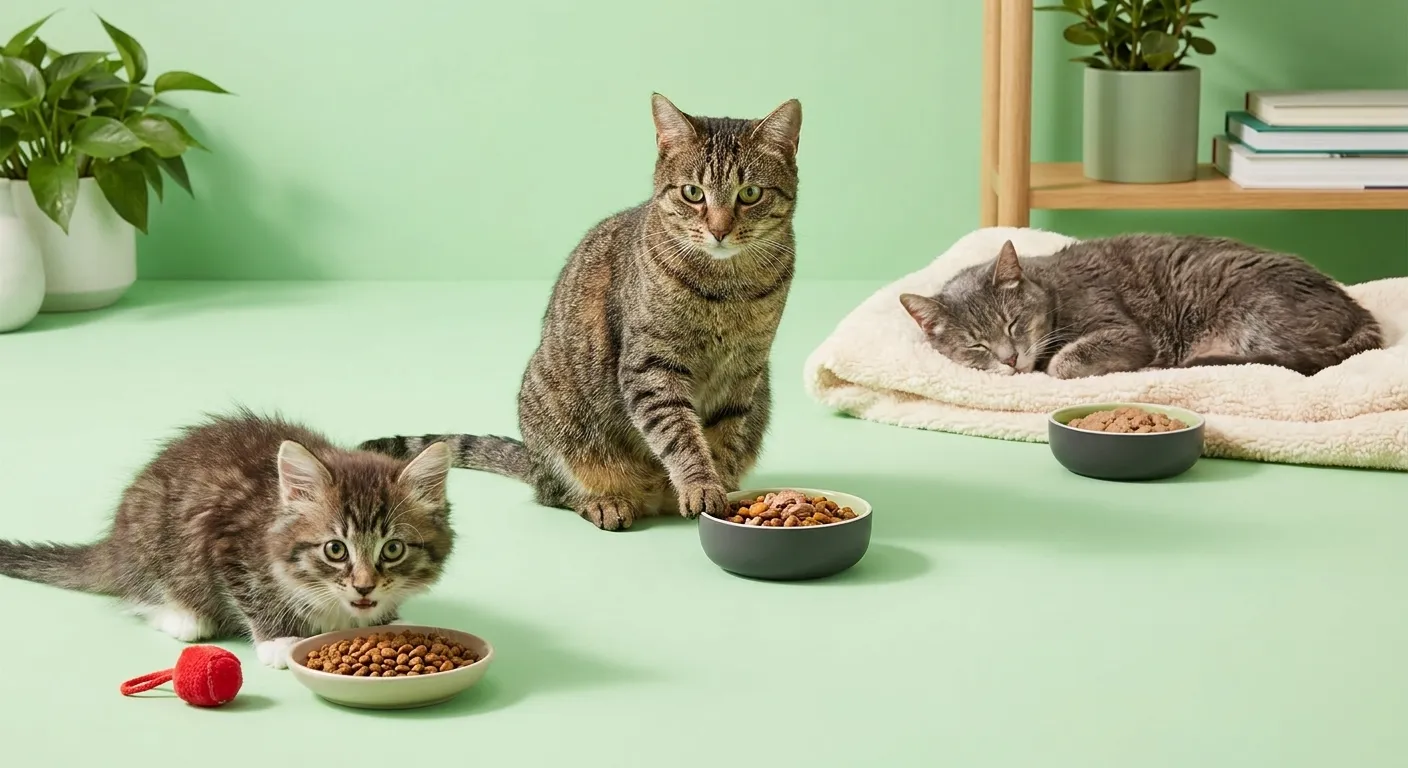
Just as human nutritional needs change throughout life, so do those of our feline companions. Optimal cat life stage nutrition isn’t a ‘one-size-fits-all’ concept; it’s a dynamic approach that adapts to your cat’s evolving physiological demands. Providing age-appropriate nutrition is fundamental to supporting their growth, maintaining their health, and ensuring comfort in their golden years. Consequently, understanding these dietary shifts is crucial. Let’s explore how nutritional requirements shift from a playful kitten to a wise senior cat.
Kitten Nutrition: Fueling Rapid Growth and Development
Kittens are bundles of energy undergoing rapid development. This means their nutritional demands are incredibly high. Their diet needs to support bone growth, muscle development, and the maturation of their immune and nervous systems. Furthermore, a proper diet lays the foundation for a healthy adult life.
- High Protein and Fat: Kittens require significantly higher levels of protein and fat compared to adult cats to fuel their intense growth rate. Specifically, look for formulas with at least 30-35% protein and 18-22% fat on a dry matter basis.
- DHA: Docosahexaenoic acid (DHA), an omega-3 fatty acid, is crucial for brain and vision development. Many quality kitten foods include fish oil as a source of DHA.
- Small Kibble Size: If feeding dry food, ensure the kibble is small enough for tiny mouths and developing teeth.
- Frequent Meals: Kittens have small stomachs and high energy needs, benefiting from several small meals throughout the day. In fact, offering food multiple times helps maintain their energy levels.
Moreover, proper kitten feeding helps prevent future issues like picky eating habits. Therefore, establishing good feeding practices early is vital for their long-term health and dietary acceptance.
Adult Cat Nutrition: Maintaining Health and Preventing Obesity
Once a cat reaches maturity (typically around 1 year of age), their growth slows. At this point, their dietary needs shift to maintenance. The primary goals of adult cat nutrition are to sustain ideal body weight, support organ function, and prevent common adult ailments like obesity and related health issues. For example, many adult cats become less active, necessitating careful dietary management.
- Balanced Maintenance Diet: A high-quality adult cat food will provide a balanced profile of protein, fat, carbohydrates (minimal), vitamins, and minerals. Protein should remain the cornerstone, with around 26-30% on a dry matter basis. Fat content should be moderate to support energy needs without promoting excessive weight gain.
- Portion Control: This is critical for adult cats. Their activity levels often decrease, making them prone to weight gain if overfed. Always follow feeding guidelines on the food packaging. However, adjust based on your cat’s individual activity level and body condition score. For more detailed guidance, consult our How Much Should Cats Eat Daily Guide.
- Hydration: Continue to encourage water intake, especially for cats on dry food, to support urinary tract health. Consequently, providing multiple water sources or incorporating wet food can be beneficial.
Preventing obesity is a significant aspect of adult feline dietary management. Obesity can lead to various health problems, including diabetes and joint issues. Therefore, carefully monitoring your cat’s weight and adjusting their food intake accordingly is paramount. Regular check-ups with your veterinarian can also help in assessing your cat’s ideal body condition and making necessary dietary adjustments. Additionally, consider the differences in indoor vs. outdoor cat diet differences, as activity levels will vary greatly.
Senior Cat Nutrition: Supporting Aging Bodies
As cats enter their senior years (typically around 7-10+ years), their bodies undergo various changes. These include decreased metabolism, potential muscle mass loss, joint stiffness, and a decline in organ function. Senior cat nutrition focuses on supporting these changes and maintaining quality of life. In fact, specific dietary adjustments can significantly impact their comfort and longevity.
- Highly Digestible Protein: While caloric needs may decrease, maintaining muscle mass is important. Senior cats benefit from highly digestible protein sources to help prevent sarcopenia (age-related muscle loss). Aim for protein levels similar to adult cats, but prioritize quality.
- Moderate Fat: Fat content should be moderate to lower, depending on the cat’s activity level and weight. Excessive fat can contribute to weight gain in less active seniors.
- Joint Support: Many senior cat foods include supplements like glucosamine and chondroitin. These can support joint health and mobility, which is often a concern for older felines.
- Kidney Support: As kidney function can decline with age, some senior diets feature controlled phosphorus levels. This helps reduce the workload on the kidneys. However, always consult your vet before making significant dietary changes, especially for cats with existing kidney disease.
- Increased Palatability: Older cats may experience a diminished sense of smell and taste. This can lead to decreased appetite. Therefore, highly palatable foods, often wet food, can encourage eating.
Furthermore, regular veterinary check-ups are even more crucial for senior cats to monitor their health and adjust their dietary regimen as needed. Understanding the nuances of senior feline dietary needs is a key component of proper animal care.
Special Considerations Across All Life Stages
Beyond the basic age-specific guidelines, several factors influence optimal cat dietary management for all life stages. These considerations ensure a holistic approach to your cat’s well-being. Consequently, an individualized approach is often best.
Hydration and Water Intake
Water is essential for all bodily functions, regardless of age. Cats naturally have a low thirst drive, especially those on a dry kibble diet. Therefore, encouraging water intake is paramount. Providing fresh water in multiple locations, using ceramic or stainless steel bowls, and considering a pet fountain can all help. Moreover, incorporating wet food into their diet significantly increases their daily water consumption. This is particularly important for urinary tract health and overall organ function. For detailed insights, refer to our article on Keeping Your Cat Hydrated for Better Health.
The Importance of a Complete and Balanced Diet
Regardless of the life stage, a cat’s diet must be ‘complete and balanced’. This means it contains all the necessary nutrients in the correct proportions. Look for labels that state the food meets the nutritional levels established by the AAFCO (Association of American Feed Control Officials) Cat Food Nutrient Profiles for the specific life stage (e.g., ‘growth and reproduction’ for kittens, ‘adult maintenance’ for adult cats, or ‘all life stages’). This certification provides assurance of nutritional adequacy. In fact, choosing AAFCO-compliant food is a critical step in providing proper feline dietary management.
Transitioning Between Diets
When changing your cat’s food, whether due to a life stage change or a brand switch, do so gradually. A sudden change can upset their digestive system, leading to vomiting or diarrhea. Over 7-10 days, slowly mix the new food with the old, gradually increasing the proportion of the new food. This allows their digestive system to adjust smoothly. For instance, start with 25% new food and 75% old food for a few days, then move to 50/50, and so on. This careful transition is vital for their gastrointestinal comfort.
Monitoring Body Condition Score
Regularly assessing your cat’s body condition score (BCS) is more informative than just relying on their weight. The BCS involves visually inspecting and gently feeling your cat to determine if they are underweight, ideal weight, or overweight. Your veterinarian can teach you how to do this effectively. Maintaining an ideal BCS helps prevent health issues associated with being over or underweight, supporting their overall health throughout their life stages. This ongoing assessment is a cornerstone of effective cat life stage nutrition.
Veterinary Consultation
While this guide offers general principles, every cat is unique. Factors like breed, genetics, activity level, and underlying health conditions can influence individual nutritional needs. Therefore, regular consultations with your veterinarian are invaluable. They can provide personalized dietary recommendations, especially for cats with specific health concerns like diabetes, kidney disease, or food sensitivities. Your vet can help tailor a dietary plan that perfectly aligns with your cat’s individual requirements. This personalized approach is crucial for optimal cat life stage nutrition.
Understanding Nutritional Components
To truly grasp the concept of cat life stage nutrition, it’s helpful to understand the key components that make up a feline diet and how their importance shifts. Consequently, a deeper dive into macronutrients and micronutrients is beneficial.
Protein: The Feline Cornerstone
Cats are obligate carnivores, meaning they require animal-based protein to thrive. Protein provides essential amino acids, including taurine, which cats cannot synthesize sufficiently on their own. Taurine is vital for heart health and vision. Kittens need high protein for growth, adults for maintenance, and seniors for muscle mass preservation. High-quality animal protein sources like chicken, turkey, and fish should be prominent in their diet. For example, a diet rich in lean meats supports muscle development at all ages.
Fats: Energy and Essential Fatty Acids
Fats are a concentrated source of energy for cats. They also provide essential fatty acids like omega-3 and omega-6, which are crucial for healthy skin, coat, and immune function. As mentioned, DHA (an omega-3) is particularly important for kittens. The appropriate fat content varies by life stage and activity level. Active kittens and adult cats need more, while less active seniors may require less to prevent weight gain. Moreover, fats contribute to food palatability, which can be important for finicky eaters.
Carbohydrates: Minimal but Present
While cats can utilize carbohydrates for energy, they do not have a dietary requirement for them in the same way omnivores do. High-quality cat foods typically contain minimal, highly digestible carbohydrates from sources like peas, potatoes, or rice. These can provide a source of quick energy and aid in kibble formation. However, excessive carbohydrates can contribute to weight gain and are generally not ideal for a cat’s metabolism. Therefore, a lower carbohydrate diet is generally preferred for cats across all life stages.
Vitamins and Minerals: Micronutrient Essentials
A wide array of vitamins and minerals are necessary for various bodily functions, from bone health (calcium, phosphorus) to immune support (vitamins A, E, D, zinc, selenium). A complete and balanced commercial cat food will include all these micronutrients in appropriate amounts. Supplementation is rarely necessary if feeding a high-quality diet and should only be done under veterinary guidance, as too much of certain vitamins and minerals can be harmful. For example, excessive vitamin A can lead to bone deformities. This balance is critical for overall health and supports the body’s natural defenses, as discussed in our guide on Strengthening Cat Immune System Naturally.
Environmental and Lifestyle Factors
Beyond age, a cat’s environment and lifestyle significantly impact their nutritional needs. These external factors must also be considered when formulating a dietary plan. Consequently, a truly tailored approach looks at the whole picture.
Indoor vs. Outdoor Cats
Outdoor cats generally have higher energy expenditures due to increased activity, hunting, and exposure to varying temperatures. Therefore, they may require a diet with a slightly higher caloric density. Indoor cats, conversely, are often less active and more prone to obesity. Their diets should be carefully controlled in terms of calories and portions. This highlights why understanding indoor vs. outdoor cat diet differences is so important.
Spayed/Neutered Cats
Sterilization often leads to a decrease in metabolic rate and an increase in appetite. This makes spayed or neutered cats more susceptible to weight gain. Therefore, it is crucial to adjust their caloric intake and monitor their body condition closely after surgery. Many cat food brands offer ‘sterilized’ or ‘weight management’ formulas designed for these cats. These formulas often have lower calorie counts while still providing essential nutrients.
Multi-Cat Households
In homes with multiple cats, managing individual dietary needs can be challenging. Some cats may eat too quickly, while others are slow eaters. Food competition can also occur. Consider separate feeding areas or timed feeders to ensure each cat receives their appropriate portion and type of food. This is particularly important when different cats are in different life stages, each requiring distinct cat life stage nutrition. For example, a kitten’s high-calorie food should not be freely available to an adult cat.
Health Conditions and Special Diets
Cats with specific health conditions, such as diabetes, kidney disease, urinary tract issues, or food allergies, will require specialized therapeutic diets. These diets are formulated to help manage their condition and should only be fed under veterinary supervision. They often involve precise adjustments to protein, fat, mineral, and carbohydrate levels. For cats with cat food sensitivities, hypoallergenic diets may be necessary. Always consult your vet for guidance on these specialized nutritional plans.
Conclusion
Understanding and implementing appropriate cat life stage nutrition is one of the most impactful ways to ensure your feline companion lives a long, healthy, and happy life. From the high-energy demands of a growing kitten to the specialized care required for a senior cat, tailoring their diet to their age and individual needs is paramount. Remember to prioritize high-quality, AAFCO-compliant foods, monitor their body condition, ensure adequate hydration, and always consult with your veterinarian for personalized advice. By taking a proactive approach to your cat’s dietary journey, you are providing the best possible foundation for their well-being. Ultimately, thoughtful feline dietary management translates into a thriving pet.
FAQ
What are the main differences in diet for cats at various ages?
Cats at different life stages have distinct nutritional needs. Kittens require high protein, fat, and specific nutrients like DHA for rapid growth. Adult cats need a balanced diet for maintenance and weight control. Senior cats often benefit from highly digestible protein, moderate fat, and ingredients that support joint and kidney health, adapting to their slower metabolism and potential age-related issues.
How often should I feed my cat depending on its age?
Kittens generally need to eat more frequently, often 3-4 small meals per day, due to their high energy needs and small stomachs. Adult cats can typically be fed 1-2 meals per day. Senior cats may benefit from 2-3 smaller meals, especially if they have a diminished appetite or digestive sensitivities. Always monitor your cat’s weight and adjust accordingly.
Can I feed an all-life-stages cat food?
While some cat foods are labeled ‘for all life stages’, it’s generally recommended to choose a diet specifically formulated for your cat’s current age. All-life-stages foods are designed to meet the highest nutritional demands (usually for growth and reproduction), which can lead to overfeeding and obesity in less active adult or senior cats. Specific life stage diets offer more precise nutrient profiles.
What nutrients are most important for older felines?
For older felines, highly digestible protein is crucial to maintain muscle mass. Moderate fat content is important to prevent weight gain. Additionally, nutrients like omega-3 fatty acids for joint and cognitive health, antioxidants for immune support, and controlled phosphorus levels for kidney health are beneficial. Increased palatability can also help encourage appetite in senior pets.
When should I transition my cat from kitten food to adult food?
Most cats are ready to transition from kitten food to adult food around 10-12 months of age, though larger breeds might continue on kitten food a bit longer (up to 18 months). The transition should be gradual, typically over 7-10 days, to avoid digestive upset. Consult your veterinarian for the best timing based on your cat’s specific development and breed.


