
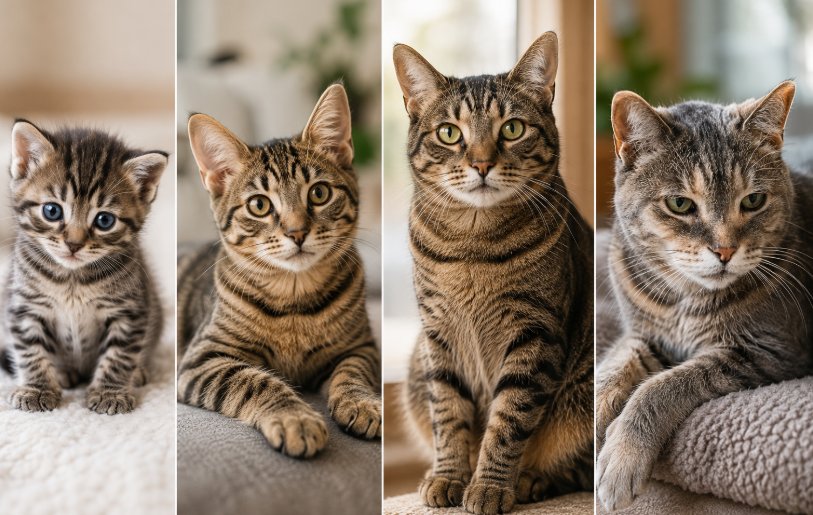
Cats experience major physical and behavioral changes throughout their lives. From playful kittenhood to the slower senior years, each life stage brings unique nutritional, medical, and emotional needs. Because of this, long-term feline wellness depends heavily on adapting care routines as cats grow older. Understanding the right cat health tips for every stage of life helps owners support stronger immunity, healthier weight, better mobility, and improved quality of life over time.
Many owners focus mainly on food or vaccinations when thinking about feline wellness. While these factors matter greatly, cat health involves much more than routine feeding alone. Hydration, exercise, mental stimulation, preventive veterinary care, stress management, and dental hygiene all play essential roles in keeping cats healthy.
Indoor lifestyles have also changed feline health patterns significantly. Modern cats often live longer than previous generations, yet they face higher risks involving obesity, anxiety, arthritis, kidney disease, and inactivity. Consequently, proactive care becomes increasingly important throughout every stage of life.
Fortunately, many common feline health problems become easier to prevent or manage when owners understand how needs evolve over time. Small daily habits often make the biggest difference in supporting long-term wellness.
Building Strong Foundations During Kittenhood
The earliest months of life strongly influence long-term feline wellness. Kittens grow rapidly, develop immune systems, and learn social behaviors that shape future health and temperament.
Cat health tips for kittens usually focus heavily on nutrition, vaccination schedules, safe socialization, and environmental enrichment.
High-quality kitten food remains essential because growing cats require higher calorie and protein intake than adults. Proper nutrition supports bone growth, muscle development, and brain function.
Hydration also matters early. Wet food often helps kittens maintain healthy fluid intake while supporting urinary health.
Routine veterinary visits play an important role as well. Vaccinations, parasite prevention, and wellness checks help protect developing immune systems during vulnerable stages.
Safe play additionally supports physical and mental development. Interactive toys encourage coordination, confidence, and healthy activity levels.
Socialization should occur gradually and positively. Gentle handling helps kittens become more comfortable with people, grooming, and veterinary care later in life.
Importantly, early routines establish lifelong habits. Feeding schedules, litter training, scratching behavior, and exercise patterns often develop during kittenhood.
Proper Nutrition Supports Lifelong Wellness
Nutrition affects nearly every aspect of feline health. Energy levels, digestion, immune function, coat condition, weight management, and organ health all depend heavily on balanced feeding habits.
Cat health tips consistently emphasize high-quality protein because cats remain obligate carnivores throughout life.
Animal-based protein supports muscle maintenance, metabolism, and overall body function more effectively than excessive plant fillers.
Moisture content also matters greatly. Many cats naturally drink limited water, making wet food valuable for hydration support and urinary health.
Portion control becomes increasingly important as cats age and activity levels decline. Obesity remains one of the most common feline health problems worldwide.
Treat moderation additionally supports healthy weight management. Excessive treats often contribute unnecessary calories without balanced nutrition.
Life-stage feeding matters too. Kittens, adults, and seniors each require different nutrient balances based on growth, activity, and aging changes.
Importantly, dietary transitions should occur gradually because sudden food changes frequently cause digestive upset or appetite problems.
Exercise Helps Prevent Obesity and Boredom
Many indoor cats spend long periods inactive, which increases obesity risk while reducing mental stimulation. Consequently, daily movement plays a major role in long-term wellness.
Cat health tips often recommend regular interactive play sessions to support both physical and emotional health.
Cats naturally prefer short bursts of activity rather than prolonged exercise. Toys encouraging chasing, stalking, pouncing, and climbing usually work best.
Laser pointers, feather wands, balls, and puzzle feeders provide excellent enrichment while increasing calorie expenditure.
Vertical spaces additionally encourage movement. Cat trees, shelves, and climbing structures support natural exploration behaviors indoors.
Exercise also reduces stress and boredom. Cats lacking stimulation may develop overeating habits, destructive behavior, or anxiety-related problems.
Senior cats benefit from movement too, although sessions should remain gentler and shorter to protect joints and energy levels.
Importantly, regular activity strengthens owner-cat bonding while supporting healthier body condition and emotional balance.
Routine Veterinary Care Prevents Bigger Problems
Preventive healthcare remains one of the most valuable parts of feline wellness. Many illnesses become easier and less expensive to treat when detected early.
Cat health tips strongly emphasize regular veterinary exams even for apparently healthy indoor cats.
Routine wellness visits allow veterinarians to monitor weight, teeth, hydration, heart function, and behavior changes before symptoms become severe.
Vaccinations continue protecting against contagious diseases while parasite prevention supports both feline and household health.
Bloodwork becomes increasingly valuable during adulthood and senior years because many internal conditions develop gradually without visible symptoms initially.
Dental evaluations also help identify oral disease before pain or infection worsens significantly.
Importantly, cats naturally hide illness well. Subtle behavior changes may indicate medical problems long before owners recognize obvious symptoms.
Early intervention frequently improves recovery outcomes while reducing stress for both cats and owners.
Dental Care Is Often Overlooked
Dental disease affects a large percentage of cats, especially as they age. Unfortunately, many owners underestimate how strongly oral health influences overall wellness.
Cat health tips frequently include dental hygiene because untreated oral disease may cause pain, appetite loss, infections, and reduced quality of life.
Bad breath often signals more than simple odor issues. Gum inflammation, tartar buildup, or infected teeth commonly contribute to worsening dental problems.
Regular brushing using cat-safe toothpaste supports healthier gums and reduced plaque accumulation.
Dental treats, water additives, and veterinary dental diets may additionally help support oral health.
Professional cleanings sometimes become necessary when tartar or gum disease progresses significantly.
Importantly, dental pain often remains hidden because cats instinctively mask discomfort. Appetite changes, drooling, or chewing difficulty may indicate developing oral problems.
Consistent dental care supports both comfort and long-term health more effectively than waiting until severe symptoms appear.
Mental Stimulation Supports Emotional Health
Emotional wellness matters just as much as physical health for cats. Boredom, anxiety, and chronic stress often affect appetite, behavior, grooming habits, and overall quality of life.
Cat health tips increasingly focus on enrichment because indoor cats need mental stimulation to remain emotionally balanced.
Puzzle feeders encourage problem-solving and slower eating behaviors while reducing boredom.
Window perches additionally provide entertainment through bird watching, sunlight, and environmental observation.
Routine play sessions help relieve stress and strengthen confidence. Some cats also enjoy training exercises using positive reinforcement techniques.
Environmental consistency remains important too. Cats generally prefer predictable routines and stable surroundings.
Stress may increase when major household changes occur suddenly. Moving homes, new pets, loud environments, or inconsistent schedules sometimes trigger anxiety-related behaviors.
Importantly, emotionally healthy cats often display better appetite, grooming habits, and social behavior overall.
Hydration Plays a Bigger Role Than Many Owners Realize
Hydration strongly affects urinary health, kidney function, digestion, and overall wellness. However, many cats naturally consume less water than they truly need.
Cat health tips commonly recommend increasing moisture intake through diet and environmental strategies.
Wet food supports hydration effectively because it contains significantly higher water content than dry kibble.
Water fountains often encourage drinking as well because many cats prefer moving water over still bowls.
Fresh clean water should remain available in multiple locations throughout the home.
Kidney disease and urinary problems become more common with age, making hydration increasingly important during adulthood and senior years.
Dehydration sometimes causes subtle symptoms including lethargy, constipation, appetite reduction, or decreased grooming.
Importantly, improving moisture intake often supports long-term urinary and kidney health significantly.
Adult Cats Need Consistent Weight Management
Adult cats frequently experience gradual weight gain due to indoor lifestyles and reduced activity. Unfortunately, obesity increases risks involving diabetes, arthritis, heart disease, and mobility problems.
Cat health tips for adult cats often emphasize calorie balance, portion control, and regular activity.
Free feeding may contribute to overeating because many cats snack from boredom rather than genuine hunger.
Scheduled meals help regulate appetite while supporting portion monitoring more accurately.
Body condition should remain part of routine observation as well. Visible waistlines and easily felt ribs beneath light fat covering usually indicate healthier body condition.
Treats should additionally remain moderate because excessive snacks quickly increase calorie intake.
Importantly, gradual adjustments work better than aggressive dieting. Rapid weight loss may create dangerous complications for cats.
Senior Cats Require Specialized Care
Aging changes feline metabolism, mobility, digestion, hydration needs, and immune function. Consequently, senior cats often require more individualized care routines.
Cat health tips for seniors usually focus heavily on hydration, joint support, routine veterinary monitoring, and nutritional adjustments.
Arthritis becomes increasingly common with age. Older cats may move less, jump less frequently, or avoid stairs due to discomfort.
Soft bedding, accessible litter boxes, and easier climbing areas help improve comfort significantly.
Senior cats also become more vulnerable to kidney disease, thyroid disorders, dental problems, and muscle loss.
Wet food often benefits older cats because it supports hydration while remaining easier to chew.
Frequent veterinary checkups become increasingly important because age-related illnesses often progress gradually.
Importantly, aging does not automatically mean poor quality of life. Many senior cats remain active and content when receiving proper support and medical care.
Stress Reduction Improves Overall Wellness
Cats thrive in stable environments. Chronic stress may weaken immune function while contributing to appetite problems, inappropriate urination, aggression, or overgrooming behaviors.
Cat health tips frequently include stress management because emotional stability directly affects physical wellness.
Consistent feeding schedules help many cats feel more secure. Predictable routines reduce uncertainty and behavioral stress.
Safe hiding spaces also support emotional comfort. Cats often feel calmer when they can retreat quietly during overwhelming situations.
Multi-cat households sometimes require additional resource separation involving litter boxes, feeding stations, and resting areas.
Pheromone diffusers may additionally reduce anxiety in some situations.
Importantly, behavioral changes often indicate stress or medical problems rather than stubbornness or disobedience.
Grooming Supports Skin and Coat Health
Regular grooming provides more benefits than appearance alone. Coat condition often reflects overall health, nutrition, hydration, and stress levels.
Cat health tips usually recommend routine brushing to reduce shedding, hairballs, and skin irritation.
Long-haired cats especially benefit from consistent grooming because mats may become painful and trap debris or moisture.
Older cats sometimes groom less effectively due to arthritis or reduced flexibility. Owners may therefore need to assist more frequently during senior years.
Skin checks during grooming sessions additionally help identify lumps, parasites, wounds, or coat changes early.
Healthy coats generally appear soft, smooth, and relatively free from excessive dandruff or oiliness.
Importantly, sudden grooming changes may indicate illness, stress, or discomfort requiring attention.
Indoor Safety Helps Prevent Serious Injuries
Indoor living usually increases feline lifespan by reducing exposure to traffic, predators, toxins, and contagious diseases. However, indoor environments still require careful safety management.
Cat health tips for indoor living often focus on toxin prevention, safe enrichment, and environmental hazards.
Certain plants, medications, cleaning products, and foods may become highly toxic to cats even in small amounts.
Secure windows and balconies also help prevent dangerous falls.
Electrical cords, small objects, and string-like materials should remain inaccessible because ingestion risks can become severe quickly.
Regular litter box cleaning supports hygiene and encourages healthy elimination habits as well.
Importantly, safe environments support both physical health and emotional security.
Conclusion
Following consistent cat health tips throughout every life stage helps support stronger immunity, healthier weight, better mobility, and improved emotional well-being over the long term. From kittenhood through the senior years, cats require changing levels of nutritional support, hydration, exercise, medical monitoring, and emotional care.
High-quality nutrition, regular veterinary visits, proper hydration, dental hygiene, exercise, and mental stimulation all contribute significantly to long-term feline wellness. Small daily habits often prevent many common health problems before they become more serious and difficult to manage.
Importantly, every cat ages differently. Some remain highly active well into senior years, while others develop health challenges earlier in life. Paying close attention to appetite, behavior, weight, and activity changes helps owners respond quickly when adjustments become necessary.
Most importantly, strong feline wellness involves more than simply preventing illness. Healthy cats usually feel more comfortable, energetic, emotionally balanced, and connected with their owners throughout every stage of life.
FAQ
1. How Often Should Cats Visit the Veterinarian?
Most healthy adult cats should receive yearly exams, while senior cats often benefit from more frequent visits.
2. Is Wet Food Better for Cat Hydration?
Yes. Wet food contains higher moisture levels that help support hydration and urinary health.
3. Why Is Exercise Important for Indoor Cats?
Regular activity helps prevent obesity, boredom, stress, and behavior problems in indoor cats.
4. What Are Early Signs of Illness in Cats?
Changes in appetite, grooming, energy, weight, litter habits, or behavior may indicate health concerns.
5. How Can Owners Reduce Stress for Cats?
Consistent routines, quiet spaces, enrichment, and proper resource placement often help reduce feline anxiety.


