
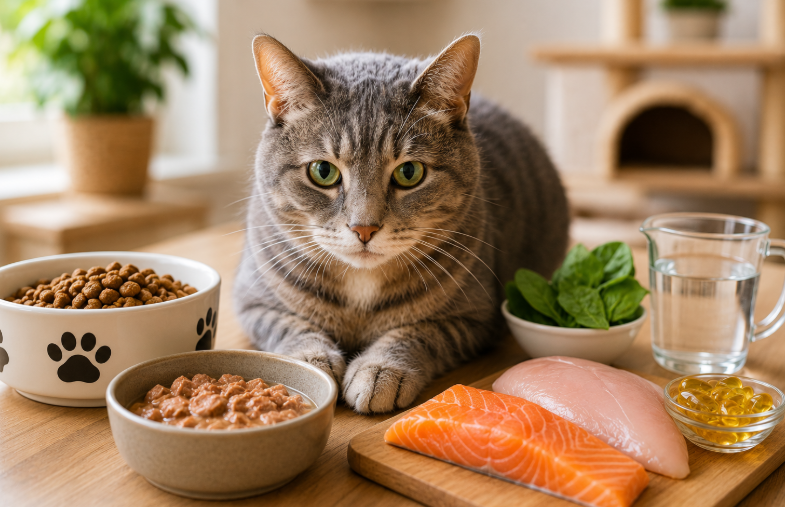
Cats change significantly as they age, and their nutritional needs evolve along with them. Many owners notice that older cats sleep more, move slower, and become pickier with food choices. Because of these changes, adjusting an aging cat diet becomes one of the most important parts of senior feline care. Proper nutrition supports healthy weight, muscle strength, digestion, hydration, and long-term wellness during every stage of aging.
Senior cats often experience shifts in metabolism and activity levels. Some gain weight because they move less, while others lose weight due to reduced appetite or health conditions. Therefore, feeding the same diet throughout life may not provide enough support as cats grow older. In many cases, thoughtful nutritional adjustments improve both quality of life and overall comfort.
Diet also affects emotional health. Cats that feel physically well usually remain more social, alert, and active. On the other hand, poor nutrition may increase fatigue, digestive discomfort, and irritability. Fortunately, small feeding changes often create meaningful improvements over time.
Why Nutritional Needs Change With Age
As cats age, their bodies process nutrients differently. Metabolism slows, muscle mass naturally decreases, and digestion may become less efficient. Additionally, older cats often develop dental sensitivity or reduced thirst, which can influence eating habits.
An aging cat diet should focus on maintaining lean muscle while supporting organ function and healthy digestion. Protein remains essential because cats rely heavily on animal-based nutrients throughout life. However, senior cats sometimes need easier-to-digest protein sources to absorb nutrients effectively.
Hydration becomes increasingly important as well. Older cats face a higher risk of kidney problems and dehydration because many naturally drink less water. Therefore, wet food often plays a valuable role in senior feline nutrition.
Some common age-related nutritional challenges include:
- Reduced appetite
- Slower digestion
- Dental discomfort
- Weight gain or loss
- Joint stiffness
- Lower energy levels
- Reduced thirst
- Sensitive stomachs
Although aging affects every cat differently, balanced nutrition helps support healthier aging overall. Regular veterinary care also helps identify changing dietary needs early.
Protein Remains Essential For Senior Cats
Many owners mistakenly reduce protein for older cats, yet protein remains one of the most important nutrients in an aging cat diet. Cats naturally require high-quality animal protein to maintain muscle mass and energy levels.
Without enough protein, senior cats may lose strength and mobility more quickly. Additionally, muscle loss often contributes to weakness and reduced activity. Therefore, easily digestible protein sources help support healthy aging while maintaining body condition.
Chicken, turkey, fish, and other lean animal proteins commonly work well for older cats. High-quality commercial senior foods usually contain balanced protein levels designed specifically for aging felines.
Digestibility matters just as much as protein quantity. Premium foods often use better-quality ingredients that place less stress on digestion. Consequently, cats may absorb nutrients more efficiently while experiencing fewer stomach issues.
Owners should also monitor body condition carefully. Sudden weight loss in older cats may indicate underlying health concerns that require veterinary attention.
Hydration Becomes More Important With Age
Water intake plays a major role in senior cat wellness. Many older cats struggle with dehydration because aging naturally reduces thirst drive. Additionally, kidney function often changes with age, increasing the importance of proper hydration.
An aging cat diet frequently includes more wet food because moisture supports urinary and kidney health. Wet food also tends to smell stronger, which may encourage picky senior cats to eat more consistently.
Water fountains often help increase drinking because many cats prefer moving water. Wide bowls placed throughout the home may encourage hydration as well. Some owners even add small amounts of warm water to meals for additional moisture.
Dehydration can contribute to:
- Constipation
- Fatigue
- Kidney stress
- Poor appetite
- Urinary problems
Monitoring water intake becomes especially important in cats over seven years old. Cats that suddenly drink far more or far less water may require veterinary evaluation.
Managing Weight In Older Cats
Weight management often becomes challenging during the senior years. Some cats gain weight due to reduced activity, while others lose weight because of illness or reduced appetite. Therefore, an aging cat diet should focus on maintaining a healthy body condition rather than simply reducing calories.
Overweight senior cats may experience increased joint pain and reduced mobility. Excess weight places strain on aging muscles and bones, making movement more difficult. On the other hand, underweight cats may lack the muscle mass needed for strength and stability.
Portion control helps maintain balance. Measured feeding routines prevent overeating while allowing owners to monitor appetite changes more accurately. Additionally, healthy treats should remain limited to avoid excess calorie intake.
Exercise still matters for senior cats too. Gentle play sessions encourage movement and help maintain muscle tone. Even short daily activities can improve circulation, mood, and overall fitness.
Veterinarians often recommend gradual dietary changes rather than sudden calorie reductions. Slow adjustments support safer and more sustainable results.
Dental Health Can Affect Eating Habits
Many aging cats develop dental problems that influence appetite and food preferences. Painful teeth or inflamed gums may cause cats to avoid hard kibble or stop eating comfortably altogether.
Soft textures often work better in an aging cat diet because they require less chewing effort. Wet food, pâtés, or softened kibble may improve comfort during meals. Additionally, warming food slightly can increase aroma and encourage eating.
Dental disease affects more than appetite. Oral discomfort sometimes leads to irritability, weight loss, and reduced grooming habits. Therefore, routine dental care remains an important part of senior wellness.
Signs of dental discomfort include:
- Dropping food while eating
- Bad breath
- Pawing at the mouth
- Reduced appetite
- Difficulty chewing
- Excessive drooling
Regular veterinary dental checks help identify problems before they become severe. Treating oral pain often improves eating habits quickly.
Digestive Changes In Senior Cats
Older cats frequently develop more sensitive digestive systems. Foods they tolerated for years may suddenly cause upset stomachs or inconsistent bowel movements. Because of this, gradual dietary transitions become extremely important.
An aging cat diet should include digestible ingredients that support nutrient absorption without irritating the stomach. Fiber may help regulate digestion, although excessive amounts can reduce nutrient absorption in some cats.
Probiotics sometimes benefit older cats by supporting healthy gut bacteria. Additionally, smaller meals throughout the day may improve digestion and reduce stomach discomfort.
Owners should avoid sudden food changes whenever possible. Gradual transitions over seven to ten days help minimize digestive stress. Monitoring stool quality also provides useful insight into how well a diet suits a cat’s needs.
Persistent vomiting, diarrhea, or constipation should never be ignored in senior cats. These symptoms may indicate underlying medical conditions requiring professional care.
How Joint Health Influences Nutrition
Arthritis and joint stiffness affect many aging cats. While nutrition cannot completely prevent joint issues, certain ingredients may support comfort and mobility.
Omega-3 fatty acids commonly appear in senior cat foods because they support joint and skin health. Fish oils may also help reduce inflammation naturally. Additionally, maintaining healthy weight lowers pressure on aging joints significantly.
An aging cat diet sometimes includes glucosamine or chondroitin supplements to support cartilage health. However, owners should consult veterinarians before adding supplements independently.
Comfortable feeding setups can also help senior cats with mobility problems. Elevated bowls may reduce neck strain during meals. Similarly, easy access to food and water encourages consistent eating habits.
Cats experiencing pain often become less active and less interested in food. Therefore, addressing mobility issues may improve appetite and emotional well-being simultaneously.
The Importance Of Routine Feeding Schedules
Older cats usually benefit from predictable routines. Consistent feeding schedules create comfort and help owners monitor appetite changes more effectively. Additionally, routine reduces stress, which supports digestion and emotional health.
An aging cat diet often works best when meals occur at the same times daily. Smaller portions served multiple times a day may also feel easier for senior cats to manage comfortably.
Quiet feeding areas matter too. Older cats may become more sensitive to noise or competition from other pets. Calm environments encourage relaxed eating behavior and better digestion.
Owners should pay close attention to subtle appetite changes. Even small reductions in food intake may indicate discomfort or illness in senior cats.
Food freshness also becomes more important with age. Older cats sometimes reject stale food more quickly because their senses change over time. Fresh meals with strong aroma often improve interest in eating.
Choosing The Right Senior Cat Food
Selecting quality food can feel overwhelming because so many options exist. However, focusing on nutritional balance and ingredient quality simplifies the decision process.
Look for foods specifically formulated for senior cats. These diets usually contain balanced nutrients tailored to aging bodies. Additionally, ingredient labels should prioritize named animal proteins over fillers.
Helpful features include:
- High-quality protein
- Balanced moisture content
- Omega-3 fatty acids
- Digestible ingredients
- Controlled calorie levels
- Added vitamins and minerals
Some cats prefer wet food exclusively, while others enjoy mixed feeding routines. Individual preference matters because consistent eating remains the top priority.
An aging cat diet should always match the cat’s medical history and lifestyle. Cats with kidney disease, diabetes, or food sensitivities may require specialized veterinary diets for proper management.
When To Talk To A Veterinarian About Diet
Regular veterinary visits become increasingly important as cats age. Senior wellness exams help detect nutritional issues before they become severe. Bloodwork, weight checks, and physical exams provide valuable insight into changing dietary needs.
Owners should consult a veterinarian if they notice:
- Rapid weight changes
- Reduced appetite
- Frequent vomiting
- Increased thirst
- Difficulty chewing
- Sudden food refusal
- Low energy levels
An aging cat diet sometimes requires adjustments based on medical conditions rather than age alone. Professional guidance ensures nutritional changes support long-term health safely.
Veterinarians may recommend prescription diets for cats with chronic illnesses. Although these foods sometimes cost more, they often improve comfort and quality of life significantly.
Conclusion
Creating the right aging cat diet helps support healthier, more comfortable senior years for feline companions. As cats grow older, their bodies require different nutritional support to maintain energy, mobility, digestion, and hydration. Thoughtful dietary adjustments often improve both physical wellness and emotional quality of life.
High-quality protein, proper hydration, balanced calories, and digestible ingredients all play essential roles in senior feline care. Additionally, monitoring appetite, dental health, and weight changes allows owners to respond quickly when needs shift over time.
Aging does not mean cats must lose their quality of life. With proper nutrition, regular veterinary care, and consistent routines, many senior cats remain active, affectionate, and content for years. Small changes made today can help aging cats enjoy healthier and happier lives well into their later years.
FAQ
1. At what age should cats switch to senior food?
Many cats benefit from senior diets around seven to ten years old, depending on health and activity levels.
2. Is wet food better for older cats?
Wet food often supports hydration and easier chewing, making it helpful for many senior cats.
3. Why do older cats become picky eaters?
Dental discomfort, reduced smell sensitivity, and digestive changes may affect appetite as cats age.
4. Can senior cats still eat high-protein diets?
Yes. High-quality protein helps maintain muscle mass and supports healthy aging in most cats.
5. How often should senior cats visit the veterinarian?
Most veterinarians recommend wellness exams every six to twelve months for older cats.


