
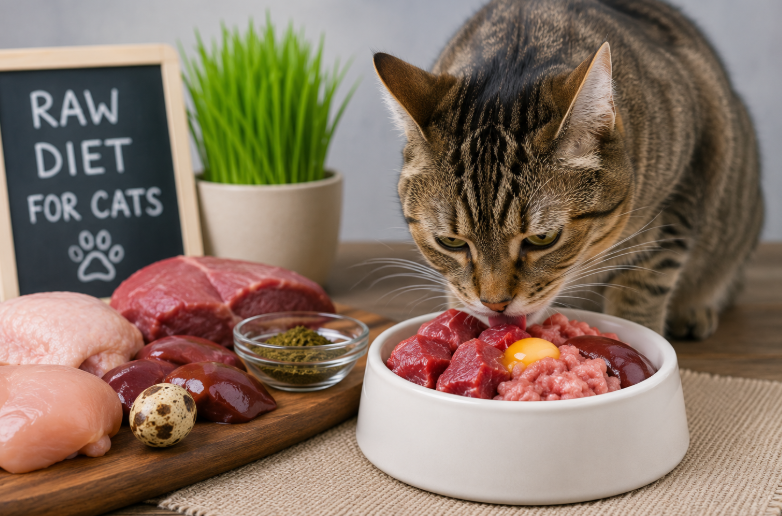
The popularity of natural pet nutrition has grown significantly in recent years. Among the many feeding approaches available today, the Raw Diet For Cats has attracted considerable attention from cat owners who want to mimic what felines might eat in the wild. Supporters often claim that raw feeding improves coat quality, digestion, energy levels, and overall health. At the same time, critics point to potential nutritional imbalances and food safety concerns. As a result, many owners find themselves wondering whether raw feeding is truly beneficial or simply another pet food trend.
Cats are obligate carnivores, which means they rely heavily on nutrients derived from animal sources. This biological fact forms the foundation of many arguments supporting raw feeding. However, feeding a cat involves more than offering uncooked meat. Proper nutrition requires a balance of protein, fat, vitamins, minerals, amino acids, and other essential nutrients. Consequently, understanding the science behind the Raw Diet For Cats is important before making significant dietary changes.
Like many nutrition topics, the truth often lies somewhere between extreme viewpoints. While raw diets may offer certain advantages, they also present challenges that owners should understand. Evaluating the evidence carefully helps create a balanced perspective.
By exploring both the benefits and concerns associated with raw feeding, cat owners can make informed decisions that prioritize health, safety, and long-term well-being.
What Is A Raw Diet For Cats
A Raw Diet For Cats typically consists of uncooked animal ingredients designed to resemble a feline’s ancestral diet. These diets may include muscle meat, organs, bones, and supplemental nutrients.
Some owners prepare raw meals at home using carefully selected ingredients. Others choose commercially prepared raw products that are formulated to meet nutritional standards. Both approaches aim to provide nutrition through minimally processed foods.
Advocates argue that raw feeding aligns more closely with natural feline biology. Since wild cats consume prey animals rather than processed foods, supporters believe domestic cats may benefit from similar dietary patterns.
However, not all raw diets are created equally. Nutritional completeness depends heavily on ingredient selection and formulation. Simply feeding raw meat alone does not provide balanced nutrition.
Understanding what constitutes a properly designed Raw Diet For Cats is essential because quality and nutritional balance significantly influence outcomes.
A thoughtful approach helps separate evidence-based feeding practices from misconceptions that sometimes surround raw nutrition discussions.
Why Raw Feeding Has Become Popular
The rise of the Raw Diet For Cats reflects broader interest in natural and minimally processed foods.
Many pet owners have become increasingly aware of ingredient labels and food quality. Consequently, some seek alternatives that appear closer to natural feeding patterns.
Marketing also contributes to growing interest. Images of fresh meat and references to ancestral diets often create a strong emotional appeal. These messages encourage owners to view raw feeding as a return to nature.
Social media has further accelerated the trend. Personal success stories frequently highlight improvements in coat condition, digestion, and energy levels. While these experiences can be valuable, they do not always represent universal outcomes.
Additionally, some owners appreciate having greater control over ingredient selection. Homemade raw diets allow customization based on perceived preferences and nutritional goals.
These factors help explain why the Raw Diet For Cats continues to gain attention among health-conscious pet owners.
However, popularity alone does not determine nutritional value. Evaluating both benefits and limitations remains important when considering dietary changes.
Potential Benefits Of Raw Feeding
Supporters of the Raw Diet For Cats often point to several potential advantages.
Many owners report improvements in coat quality. Healthy fats and animal-based nutrients may contribute to shinier fur and healthier skin.
Some cats also produce smaller stools when eating highly digestible animal proteins. Consequently, owners may notice reduced waste volume.
Increased moisture intake may occur when raw diets contain substantial water content. Proper hydration supports several bodily functions and may benefit urinary health.
Certain cats appear highly enthusiastic about raw foods. Improved palatability can be valuable for picky eaters or individuals with reduced appetite.
Supporters frequently report higher activity levels and improved body condition. While individual experiences vary, these observations contribute to ongoing interest in raw feeding.
It is important to note that some benefits may result from improved ingredient quality rather than the raw nature of the diet itself. Therefore, comparisons should consider overall nutritional composition rather than processing alone.
When formulated correctly, a Raw Diet For Cats may provide nutritional advantages for some individuals.
The Importance Of Nutritional Balance
One of the most critical aspects of any Raw Diet For Cats involves nutritional completeness.
Cats require specific nutrients that cannot be obtained through muscle meat alone. Taurine, calcium, phosphorus, vitamin A, and essential fatty acids all play important roles in health.
Feeding only raw meat creates significant nutritional deficiencies over time. Consequently, properly balanced formulations must include a variety of ingredients and carefully calculated nutrient levels.
Calcium deserves particular attention because improper ratios can affect skeletal health and metabolism. Likewise, inadequate taurine intake may lead to serious heart and vision problems.
Commercial raw products often undergo formulation to meet established nutritional standards. Homemade diets require additional planning and professional guidance to ensure adequacy.
Achieving nutritional balance remains essential regardless of feeding philosophy. Therefore, owners considering a Raw Diet For Cats should prioritize complete nutrition above all else.
A natural diet is only beneficial when it meets all physiological requirements consistently.
Food Safety Concerns
Food safety remains one of the most frequently discussed concerns surrounding the Raw Diet For Cats.
Raw animal products may contain bacteria such as Salmonella and E. coli. While cats can sometimes tolerate certain bacterial exposures better than humans, risks still exist.
Contaminated food may affect both pets and people within the household. Consequently, handling practices become extremely important.
Proper storage, preparation, and sanitation help reduce risks significantly. Owners must follow food safety guidelines carefully when preparing raw meals.
Certain individuals face higher risk from bacterial exposure. Young children, elderly adults, and people with compromised immune systems may require additional caution.
Commercial raw food manufacturers often implement safety measures designed to reduce contamination risks. However, no system eliminates risk entirely.
Understanding these concerns allows owners to make informed decisions regarding the Raw Diet For Cats while implementing appropriate precautions.
Food safety should remain a central consideration whenever raw animal products are involved.
What Veterinarians Say About Raw Diets
Veterinary opinions regarding the Raw Diet For Cats vary, although many professionals emphasize caution and nutritional balance.
Some veterinarians acknowledge potential benefits associated with high-quality raw feeding when diets are formulated correctly. However, they also highlight concerns regarding contamination and nutrient deficiencies.
Veterinary nutritionists generally stress the importance of evidence-based feeding practices. Consequently, they encourage owners to evaluate diets based on nutritional adequacy rather than marketing claims.
Many professionals recommend consulting qualified experts before initiating homemade raw feeding programs. This guidance helps reduce the risk of imbalances and safety issues.
Veterinarians also recognize that individual cats respond differently to dietary changes. What works well for one cat may not produce the same results for another.
The professional consensus often focuses less on ideology and more on ensuring complete nutrition and minimizing health risks.
A successful Raw Diet For Cats requires careful planning, monitoring, and ongoing evaluation.
Is Raw Feeding Better Than Commercial Cat Food
The question of whether a Raw Diet For Cats is superior to commercial food does not have a simple answer.
High-quality commercial diets undergo formulation and testing designed to provide complete nutrition. Many cats thrive on these products for their entire lives.
Raw diets may offer certain benefits when carefully balanced and managed appropriately. However, poorly designed raw diets can create serious nutritional problems.
Likewise, low-quality commercial foods may not provide the same advantages as premium formulations. Therefore, quality matters more than feeding philosophy alone.
Owners should compare ingredient quality, nutrient profiles, safety standards, and individual responses when evaluating feeding options.
Rather than asking which category is universally superior, it is often more useful to consider which approach best meets a specific cat’s needs.
Both feeding methods can support healthy lives when implemented responsibly and nutritionally.
Which Cats May Need Extra Consideration
Certain cats require special attention when evaluating a Raw Diet For Cats.
Kittens have precise nutritional requirements during growth and development. Consequently, imbalances can have long-term consequences.
Senior cats may also require additional monitoring because age-related health conditions influence nutritional needs.
Cats with compromised immune systems deserve particular caution due to food safety concerns. Likewise, individuals with chronic illnesses may require specialized dietary management.
Pregnant and nursing cats have increased nutrient demands that must be addressed carefully.
Because these groups face unique challenges, veterinary guidance becomes especially important before introducing raw feeding.
Personalized assessment helps determine whether a particular feeding strategy aligns with an individual cat’s circumstances and health status.
Making An Informed Feeding Decision
Choosing whether to implement a Raw Diet For Cats ultimately depends on careful evaluation of benefits, risks, and practical considerations.
Owners should consider nutritional adequacy, food safety, lifestyle factors, and veterinary recommendations. These elements collectively influence the success of any feeding program.
Researching reputable sources provides a stronger foundation than relying solely on anecdotal experiences. Scientific evidence, professional guidance, and individual observation all contribute valuable insights.
Monitoring health indicators remains important regardless of diet type. Body condition, coat quality, energy levels, digestion, and veterinary assessments help evaluate effectiveness.
Flexibility also matters. Some cats thrive on raw diets, while others perform equally well on high-quality commercial foods.
The most successful feeding plans prioritize complete nutrition, safety, and long-term wellness rather than adherence to specific trends.
Conclusion
The Raw Diet For Cats continues to generate strong opinions among pet owners and professionals alike. Supporters appreciate its natural philosophy and potential benefits, while critics highlight food safety and nutritional concerns.
The reality is that raw feeding is neither a miracle solution nor an inherently harmful practice. Its success depends largely on formulation quality, nutritional completeness, food handling procedures, and individual feline needs.
Cats require balanced nutrition above all else. Whether food comes from a raw diet or a commercial product, meeting essential nutritional requirements remains the primary goal.
Owners considering a Raw Diet For Cats should approach the decision thoughtfully, seek professional guidance when necessary, and remain focused on evidence-based care. By prioritizing safety, balance, and ongoing monitoring, cat owners can make feeding choices that support long-term health and well-being.
FAQ
1. Is raw meat alone enough for cats?
No. Cats require a complete balance of nutrients that muscle meat alone cannot provide.
2. Are commercial raw diets safer than homemade versions?
Commercial products often include safety protocols and nutritional formulation, although proper handling remains important.
3. Can kittens eat raw food?
Kittens have specialized nutritional needs and require carefully balanced diets designed for growth.
4. What are the biggest concerns with raw feeding?
Nutritional imbalances and bacterial contamination represent the most commonly discussed concerns.
5. Should I talk to a veterinarian before changing diets?
Yes. Professional guidance helps ensure nutritional adequacy and supports informed decision-making.


