
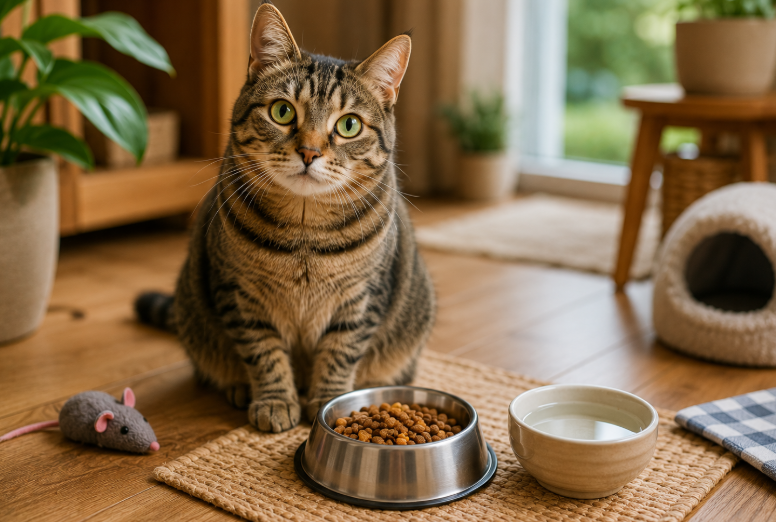
Creating a stable and reliable feeding system is one of the best ways to improve a cat’s overall wellness. A Trusted Cat Feeding Routine helps support healthy digestion, emotional balance, weight management, and better daily behavior. Cats naturally prefer consistency, and structured feeding schedules provide comfort and predictability that many cats need to feel secure indoors.
Many owners underestimate how strongly feeding habits influence feline health. Some cats eat too quickly, while others graze constantly throughout the day. Inconsistent feeding patterns may also lead to obesity, digestive problems, stress, or food-related anxiety. Consequently, creating a dependable routine becomes essential for long-term health.
Indoor lifestyles especially make feeding structure more important. Without natural hunting opportunities and outdoor activity, many indoor cats rely heavily on meals as a source of stimulation and routine. Therefore, feeding schedules affect emotional well-being as much as physical health.
Veterinarians increasingly recommend scheduled feeding over free feeding for most cats. Controlled routines allow owners to monitor appetite, regulate portions, and identify potential health problems earlier. In addition, structured feeding often reduces behavioral issues related to food competition or overeating.
Building a healthy feeding routine does not need to feel complicated. Small daily habits often create the biggest improvements over time. Understanding how cats respond to food, timing, and environment helps owners create calmer and healthier mealtime experiences naturally.
Why Cats Thrive on Routine
Cats are creatures of habit by nature. In the wild, they follow predictable patterns involving hunting, resting, grooming, and territory observation. Domestic cats still rely heavily on routine even though their lifestyles differ greatly from outdoor ancestors.
Consistent schedules help cats feel emotionally secure. When meals happen at similar times every day, cats learn what to expect and experience less anxiety. Consequently, predictable feeding patterns often reduce begging, stress, and attention-seeking behavior.
Sudden changes in feeding schedules may upset some cats significantly. Skipped meals, irregular timing, or unexpected diet changes sometimes create digestive upset or emotional stress. Therefore, maintaining consistency supports both physical and emotional balance.
Trusted Cat Feeding Routine habits also improve owner awareness. Cats refusing food or eating less than usual often display early signs of illness. Structured meals make these appetite changes much easier to notice quickly.
Indoor cats especially benefit from routine because their environments remain more controlled than outdoor settings. Feeding schedules create structure that helps break up long periods of inactivity during the day.
Cats also associate routine with trust. When owners provide meals consistently, many cats become calmer and more relaxed around daily interactions. Consequently, feeding routines help strengthen the relationship between cats and owners naturally.
Consistency does not require perfection. However, reasonably stable schedules usually support healthier feline behavior and emotional well-being over time.
The Difference Between Free Feeding and Scheduled Feeding
Many owners leave dry food available constantly because it feels convenient. While free feeding works for some cats, it often creates problems involving overeating, obesity, and poor portion control.
Cats eating unlimited food may consume more calories than they actually need, especially indoors where activity levels remain lower. Consequently, weight gain develops gradually without owners noticing immediately.
Scheduled feeding provides meals at specific times each day instead of leaving food accessible constantly. This method helps regulate appetite while allowing owners to monitor food intake more accurately.
Trusted Cat Feeding Routine strategies often recommend scheduled meals because they encourage healthier eating habits naturally. Cats also tend to appreciate predictability once routines become established.
Free feeding sometimes increases boredom eating as well. Cats without enough stimulation may snack simply because food remains available continuously. In contrast, scheduled feeding creates more purposeful eating patterns.
Digestive health may improve with structured meals too. Some cats experience better digestion and more regular bowel habits when meals happen consistently throughout the day.
Multi-cat households especially benefit from scheduled feeding because owners can supervise meals and reduce food competition. Consequently, portion control becomes easier and fairer for every cat.
Although scheduled feeding requires slightly more effort initially, many owners eventually find it simpler and less stressful than managing constant food access.
How Portion Control Supports Long-Term Health
Portion control plays a major role in feline wellness. Many cats become overweight gradually because owners unintentionally overestimate calorie needs. Therefore, measuring food accurately helps maintain healthier body condition over time.
Indoor cats generally require fewer calories than outdoor cats because they burn less energy daily. However, many owners continue feeding portions designed for more active lifestyles. Consequently, obesity becomes extremely common among indoor pets.
Trusted Cat Feeding Routine plans should include measured meals rather than estimated portions. Measuring cups or kitchen scales provide much better accuracy compared to visual guesses.
Treats also contribute significantly to calorie intake. Small treats may seem harmless, yet repeated snacks quickly increase daily calories. Therefore, moderation remains important for maintaining healthy weight.
Wet food often supports portion control more effectively than dry food alone. Higher moisture content may help cats feel fuller while supporting hydration simultaneously. However, nutritional needs vary depending on age, health, and activity level.
Weight management becomes especially important after spaying or neutering because hormonal changes often reduce metabolism slightly. Consequently, portion adjustments may help prevent unnecessary weight gain.
Veterinary guidance remains valuable when developing feeding plans. Every cat has unique nutritional requirements based on body condition, medical history, and lifestyle factors.
Choosing the Right Feeding Environment
Feeding environment influences feline behavior more than many owners realize. Cats prefer eating in calm and secure spaces where they feel protected from noise, competition, or interruptions. Consequently, stressful feeding areas may reduce appetite or increase anxiety.
Quiet locations work best for most cats. Feeding stations placed near loud appliances, busy hallways, or litter boxes often create discomfort during meals. Therefore, choosing peaceful areas supports healthier eating experiences.
Multi-cat households require additional planning. Some cats become territorial or anxious around food, especially if dominant cats approach during meals. Trusted Cat Feeding Routine systems often involve separate feeding areas to reduce stress and competition.
Elevated feeding stations sometimes help older cats or cats with arthritis eat more comfortably. Meanwhile, shy cats may prefer enclosed corners where they feel safer while eating.
Cleanliness also matters greatly. Food bowls should remain clean and free from old residue or strong odors. Stainless steel or ceramic bowls generally resist bacteria buildup better than plastic.
Water placement deserves attention too. Many cats prefer drinking water away from food bowls because of natural instincts related to water contamination avoidance. Consequently, separate water stations often encourage better hydration.
Comfortable feeding environments help cats associate meals with relaxation and security rather than stress or competition.
How Feeding Routines Affect Behavior
Feeding habits strongly influence feline behavior throughout the day. Cats without structured routines may become restless, anxious, or excessively demanding around food. In contrast, predictable schedules usually encourage calmer and more balanced behavior.
Begging often decreases when cats trust that meals will arrive consistently. Without routine, some cats constantly seek food because they feel uncertain about future meals. Consequently, predictable schedules reduce food-related anxiety naturally.
Trusted Cat Feeding Routine habits may also improve nighttime behavior. Cats fed structured evening meals often settle more calmly overnight compared to cats eating randomly throughout the day.
Food aggression sometimes improves through routine as well. Multi-cat households especially benefit from supervised feeding and separate meal spaces. Consequently, competition decreases while emotional security improves.
Routine feeding also creates opportunities for positive interaction between cats and owners. Calm meal preparation and consistent timing help build trust and predictability.
Mental stimulation can become part of feeding too. Puzzle feeders encourage natural hunting instincts while slowing eating speed. Therefore, meals become both enrichment and nutrition simultaneously.
Cats generally feel safer when daily life follows familiar patterns. Structured feeding contributes significantly to that emotional stability while supporting healthier overall behavior.
Adjusting Feeding Routines Through Life Stages
Cats require different feeding strategies throughout life. Kittens, adults, and senior cats all have unique nutritional and energy needs. Consequently, feeding routines should adapt gradually over time.
Kittens require frequent meals because they grow rapidly and burn energy quickly. Younger cats also benefit from interactive feeding and play to support healthy development.
Adult cats generally thrive with consistent portion control and balanced nutrition. Trusted Cat Feeding Routine plans during adulthood focus heavily on maintaining healthy weight and preventing obesity.
Senior cats often experience slower metabolism and reduced activity levels. However, some older cats lose weight unexpectedly because of dental problems or medical conditions. Therefore, monitoring appetite and body condition becomes increasingly important with age.
Older cats may also prefer softer food textures or quieter feeding environments. Arthritis and mobility issues sometimes make bowl placement more important too.
Medical conditions occasionally require specialized feeding schedules. Diabetes, kidney disease, and digestive disorders may all influence meal timing and food choices. Consequently, veterinary recommendations should guide routine adjustments when health concerns develop.
Life stage changes happen gradually. Small modifications usually work better than sudden feeding changes that may create stress or digestive upset.
The Importance of Hydration Alongside Feeding
Healthy feeding routines should always include proper hydration support. Cats naturally have lower thirst drives than many animals, making hydration especially important for long-term wellness.
Wet food contributes significant moisture compared to dry food. Consequently, many veterinarians recommend including wet meals regularly to support urinary and kidney health.
Trusted Cat Feeding Routine systems often involve multiple water stations throughout the home. Cats generally drink more when fresh water remains easily accessible in quiet areas.
Some cats prefer moving water because it feels fresher instinctively. Therefore, water fountains may encourage better hydration for certain pets.
Clean bowls matter greatly too. Dirty water containers may discourage drinking while increasing bacteria buildup. Stainless steel or ceramic bowls usually support better hygiene.
Hydration becomes even more important for senior cats because aging often affects kidney function gradually. Therefore, monitoring water intake helps support healthier aging and overall body function.
Balanced nutrition and hydration work together closely. Proper feeding routines support digestion, energy, and immune health more effectively when cats remain well hydrated consistently.
Building Trust Through Consistency
Trust develops through consistency in nearly every aspect of feline care, especially feeding. Cats feel safer when owners provide reliable routines and predictable environments daily.
Trusted Cat Feeding Routine habits create emotional security because cats know their needs will be met consistently. Consequently, calmer feeding behavior and reduced anxiety often follow naturally.
Owners sometimes change foods or schedules too quickly when trying new routines. However, gradual transitions usually work much better because cats adapt slowly to unfamiliar changes.
Patience remains extremely important. Some cats adjust to structured feeding quickly, while others require several weeks before routines feel normal. Therefore, consistency matters more than immediate perfection.
Positive reinforcement also helps. Calm interactions, gentle handling, and peaceful mealtime environments encourage trust and emotional comfort.
Reliable feeding schedules support stronger relationships overall. Cats often become more relaxed, social, and emotionally balanced when daily routines remain predictable and stable.
Long-term success depends on maintaining healthy habits consistently rather than seeking quick solutions. Small daily efforts eventually create lasting improvements in wellness and behavior.
Conclusion
Creating a reliable feeding routine supports much more than nutrition alone. A Trusted Cat Feeding Routine helps improve emotional security, digestion, weight management, hydration, and overall behavior naturally.
Cats thrive on consistency because predictable schedules reduce stress and create healthier daily structure. Scheduled feeding also helps owners monitor appetite, regulate portions, and identify health concerns earlier.
Calm feeding environments, proper hydration, and age-appropriate nutrition all contribute to long-term wellness. Without structure, cats may develop overeating habits, food anxiety, or unhealthy weight gain over time.
Fortunately, building healthier feeding routines does not require complicated systems. Small changes such as scheduled meals, measured portions, and quieter feeding areas often create meaningful improvements quickly.
Cats living with stable and supportive routines generally feel safer, healthier, and more emotionally balanced. With patience and consistency, owners can create feeding habits that support lifelong feline wellness and stronger daily trust.
FAQ
1. How many times should adult cats eat daily?
Most adult cats do well with two or more scheduled meals each day depending on activity and health needs.
2. Is scheduled feeding better than free feeding?
Scheduled feeding often supports healthier weight control, digestion, and behavior for many indoor cats.
3. Why does my cat beg for food constantly?
Begging may result from boredom, inconsistent schedules, overfeeding habits, or emotional stress around meals.
4. Should multiple cats eat in separate areas?
Yes. Separate feeding spaces often reduce stress, food stealing, and competition during meals.
5. Can feeding routines reduce feline anxiety?
Consistent feeding schedules help many cats feel safer, calmer, and more emotionally secure daily.


