
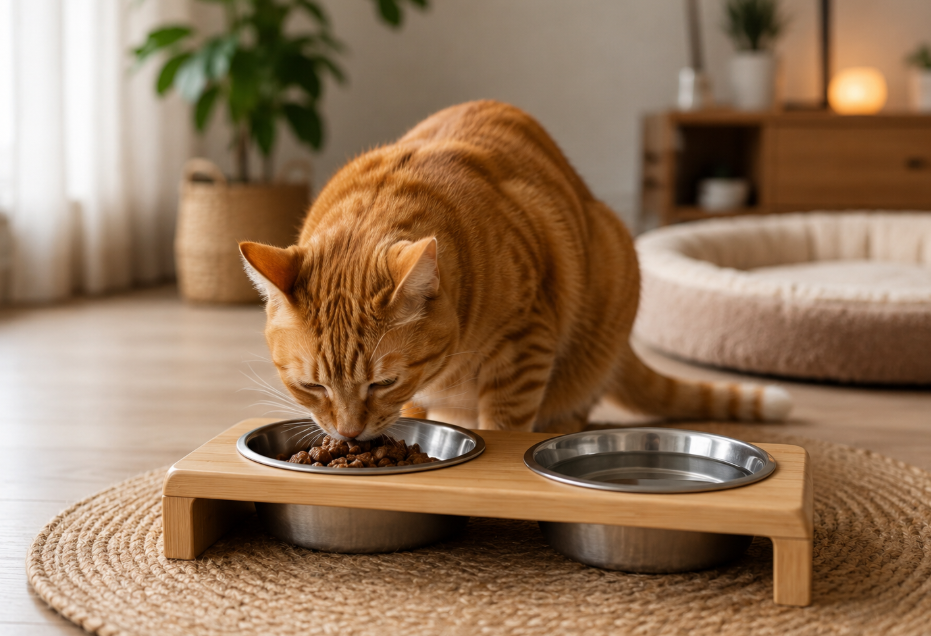
Creating the right feeding routine for indoor cats is one of the most important parts of responsible pet care. Indoor cats often live comfortable and safe lives, yet they usually move less than outdoor cats. Because of this, feeding habits play a major role in maintaining healthy weight, energy, and digestion. Many owners unintentionally overfeed their cats or rely on inconsistent schedules that create unhealthy eating patterns over time.
A structured feeding plan does much more than fill a food bowl. It supports metabolism, reduces stress, and helps prevent obesity. In addition, regular meals allow owners to monitor appetite changes that may signal health concerns early. While every cat has unique nutritional needs, most adult indoor cats benefit from consistency, balanced portions, and high-quality food choices.
Many pet owners believe cats should eat whenever they want. However, free-feeding often encourages overeating and boredom snacking. Since indoor cats typically burn fewer calories, unlimited food access may quickly lead to excess weight gain. Fortunately, simple adjustments can create healthier habits without making feeding complicated.
Why Indoor Cats Need a Structured Meal Schedule
Indoor cats experience a very different lifestyle from outdoor cats. They spend more time resting, sleeping, and relaxing inside the home. Although that environment keeps them safe from outdoor dangers, it also reduces natural activity levels. As a result, calorie management becomes more important.
A regular meal schedule helps control energy intake while supporting digestion and routine. Cats naturally appreciate predictability. Therefore, feeding at consistent times often reduces anxiety and creates a calmer daily rhythm. Many cats become less demanding around food once they learn when meals will arrive.
Weight management remains one of the biggest reasons to establish a healthy eating schedule. Obesity affects a large percentage of adult indoor cats. Excess body weight may increase the risk of diabetes, joint strain, heart problems, and reduced mobility. Even a few extra pounds can significantly affect long-term health.
Moreover, scheduled meals help owners notice appetite changes quickly. If a cat suddenly refuses food or eats far less than usual, the difference becomes easier to identify. Early detection often allows faster veterinary care when health issues appear.
Hydration also improves when feeding routines include wet food. Many cats naturally drink less water than they need. Because canned food contains high moisture levels, regular wet meals help support kidney and urinary health.
A consistent feeding routine for indoor cats creates structure that supports both physical wellness and emotional comfort. Over time, that stability often improves overall behavior and quality of life.
How Often Adult Indoor Cats Should Eat
Most adult indoor cats do best with two measured meals each day. Morning and evening feeding schedules usually fit naturally into household routines while supporting balanced digestion and energy levels. However, some cats prefer smaller meals spread throughout the day.
Multiple small meals can mimic natural hunting behavior. In the wild, cats often consume several smaller prey meals rather than one large feeding session. Therefore, some indoor cats feel more satisfied with three or four mini meals instead of two larger portions.
Automatic feeders can help maintain this type of schedule. These devices release measured amounts at specific times, which supports consistency even when owners are away from home. Additionally, automatic feeders may reduce begging behavior because cats stop associating people directly with food delivery.
Free-feeding dry food throughout the day is common, but it often causes problems. Many cats continue snacking out of boredom rather than hunger. Since indoor cats usually exercise less, unrestricted food access can gradually increase calorie intake.
Age and activity level also influence meal frequency. Younger adult cats may have slightly higher energy demands, while older indoor cats may benefit from smaller, easier-to-digest meals. Likewise, highly playful cats sometimes require slightly more calories than very sedentary pets.
Although routines vary, consistency matters most. Once you establish a feeding routine for indoor cats, try to maintain regular timing and portion control each day.
Choosing the Right Food for Indoor Cats
Not all cat foods support indoor lifestyles equally well. Because indoor cats move less, they often benefit from formulas designed specifically for weight management and digestion support.
High-quality protein should remain the foundation of your cat’s diet. Cats are obligate carnivores, which means they rely heavily on animal protein for muscle maintenance, energy, and overall health. Therefore, protein-rich foods usually provide better nutritional balance than diets filled with unnecessary fillers.
Wet food offers several important advantages. Since canned food contains substantial moisture, it supports hydration naturally. This benefit becomes especially valuable because many cats do not drink enough water on their own. Additionally, wet food often helps cats feel fuller without consuming excessive calories.
Dry food remains convenient and affordable, but it should still be portioned carefully. Many kibble products contain concentrated calories, so even slightly oversized servings may contribute to weight gain. Measuring portions accurately helps avoid accidental overfeeding.
Indoor cat formulas frequently include fiber blends that help reduce hairballs and support digestion. Some also contain adjusted calorie levels designed for lower activity lifestyles. However, owners should still read ingredient labels carefully rather than relying entirely on marketing claims.
Treats deserve attention as well. While treats can strengthen bonding and reward good behavior, they should remain limited. Excess snacks often add hidden calories that disrupt balanced feeding plans. In most cases, treats should make up no more than ten percent of daily calorie intake.
A thoughtful feeding routine for indoor cats combines quality nutrition with controlled portions and predictable scheduling.
Portion Control and Healthy Weight Management
Portion control is one of the most overlooked aspects of cat care. Many owners estimate serving sizes visually, yet small errors quickly add up over time. Indoor cats especially need accurate portions because they burn fewer calories than outdoor pets.
Using measuring cups or digital kitchen scales improves feeding accuracy significantly. Dry kibble can appear deceptively small, which makes overpouring very easy. Measuring meals carefully removes uncertainty and supports healthier calorie control.
Body condition matters more than the number on a scale alone. A healthy cat should have a visible waistline from above, and you should feel the ribs without pressing hard. If the ribs disappear beneath excess fat, portion adjustments may be necessary.
Rapid weight gain often occurs gradually. Therefore, many owners fail to notice changes until obesity becomes obvious. Regular monitoring helps prevent this problem before it affects mobility or overall wellness.
Sudden dieting should always be avoided. Cats require gradual weight adjustments because aggressive calorie restriction can create serious health risks. Instead, small portion reductions combined with increased activity usually work more safely.
Interactive play sessions can also support healthy weight management. Toys that encourage running, climbing, and chasing help indoor cats burn more calories naturally. Combining exercise with balanced nutrition creates better long-term results than reducing food alone.
When owners maintain a structured feeding routine for indoor cats, portion control becomes easier and far more effective over time.
Creating a Calm and Comfortable Feeding Environment
Cats often prefer peaceful environments during meals. Loud noises, crowded spaces, or interruptions may create stress that affects eating behavior. Therefore, the feeding area itself matters more than many people realize.
Place food bowls in quiet areas away from litter boxes and heavy foot traffic. Cats generally dislike eating near noisy appliances or busy household activity. Calm surroundings encourage relaxed and healthy eating habits.
Clean bowls regularly to prevent bacteria buildup and lingering odors. Many cats become sensitive to dirty dishes, especially when wet food dries along bowl edges. Stainless steel or ceramic bowls usually work best because they are easy to sanitize and less likely to retain smells.
Fresh water should remain available at all times. Some cats drink more willingly from fountains because moving water feels fresher and more appealing. Since hydration supports kidney and urinary health, encouraging water intake remains very important.
Multi-cat households may require separate feeding stations. Some cats eat too quickly when competition exists, while others may avoid food entirely if they feel intimidated. Individual spaces reduce stress and allow owners to monitor intake more accurately.
Routine plays a major role as well. Cats feel more secure when daily activities happen predictably. Feeding around the same times each day reinforces comfort and stability throughout the home.
A peaceful feeding routine for indoor cats supports healthier eating behavior while reducing unnecessary stress and food-related anxiety.
Signs Your Cat’s Feeding Plan Needs Adjustment
Even a well-planned routine may require changes over time. Monitoring your cat regularly helps identify whether the current feeding approach still works effectively.
Weight gain remains the most obvious warning sign. However, reduced activity, difficulty grooming, and reluctance to jump may appear before major physical changes become noticeable. These subtle signs often indicate excess calorie intake.
On the other hand, excessive hunger, rapid weight loss, or low energy may suggest underfeeding or health concerns. Cats with medical conditions sometimes require specialized diets or modified schedules. Therefore, unusual appetite changes should never be ignored.
Digestive issues can also signal dietary imbalance. Frequent vomiting, constipation, or diarrhea may indicate that portion sizes, food quality, or feeding frequency need adjustment. Gradual dietary changes often help improve digestive comfort.
Behavioral changes sometimes connect to feeding habits as well. Cats that constantly beg for food may need more satisfying meals with higher protein or moisture content. Meanwhile, cats that eat too quickly may benefit from puzzle feeders or smaller portions served more often.
Seasonal activity changes occasionally affect calorie needs too. Some cats become more active during warmer months, while others grow more sedentary during colder seasons. Small portion adjustments can help maintain balance throughout the year.
A flexible feeding routine for indoor cats allows owners to respond thoughtfully as their pet’s needs evolve.
Common Feeding Mistakes Indoor Cat Owners Make
Many indoor cat owners unintentionally develop habits that undermine healthy nutrition. Fortunately, most feeding mistakes are easy to correct once recognized.
One common issue involves leaving food available constantly. Although free-feeding feels convenient, it often encourages mindless snacking and overeating. Scheduled meals typically provide better calorie control and appetite monitoring.
Another mistake involves offering too many treats. Even small treats contain calories that contribute to overall intake. When treats become frequent, they may interfere with balanced nutrition and healthy weight maintenance.
Ignoring food labels can also create problems. Different brands vary greatly in calorie density, protein quality, and serving recommendations. Switching foods without adjusting portions sometimes leads to accidental overfeeding.
Sudden food changes frequently upset digestion as well. Cats generally adapt better when new foods are introduced gradually over several days. Mixing increasing amounts of the new food with the old formula often works best.
Some owners rely heavily on dry food because it remains convenient. However, exclusive kibble diets may reduce moisture intake significantly. Including wet food regularly often supports better hydration and urinary health.
Lastly, inconsistent schedules confuse many cats. Irregular meal times may increase begging behavior and stress. Predictable routines help cats feel secure while supporting healthier digestion and appetite regulation.
Avoiding these mistakes makes any feeding routine for indoor cats more effective and sustainable over the long term.
Conclusion
Feeding an adult indoor cat involves far more than simply filling a bowl. The right routine supports healthy weight, digestion, hydration, and emotional well-being. Since indoor cats usually live less active lifestyles, balanced nutrition and portion control become especially important.
A structured schedule with measured meals helps prevent obesity while creating stability and comfort. In addition, selecting high-quality food, encouraging hydration, and monitoring body condition all contribute to better long-term health.
Small changes often create meaningful improvements. Consistent meal times, proper portions, and calm feeding environments can transform daily eating habits without making pet care difficult. Over time, these healthy routines help indoor cats remain active, comfortable, and content throughout adulthood.
By building a thoughtful feeding routine for indoor cats, owners provide more than nutrition alone. They create a healthier and more balanced lifestyle that supports happiness and wellness for years to come.
FAQ
1. How many times a day should an indoor cat eat?
Most adult indoor cats do well with two scheduled meals daily, although some prefer smaller meals throughout the day.
2. Is wet food better for indoor cats?
Wet food often supports hydration and may help control calorie intake because it contains more moisture than dry food.
3. Should I leave food out all day for my cat?
Free-feeding may encourage overeating in less active cats. Scheduled meals usually support healthier weight management.
4. How can I tell if my cat is overweight?
A healthy cat should have a visible waistline and easily felt ribs without excess fat covering them.
5. What is the best way to control portions for cats?
Using measuring cups or kitchen scales helps provide accurate portions and prevents accidental overfeeding.


