
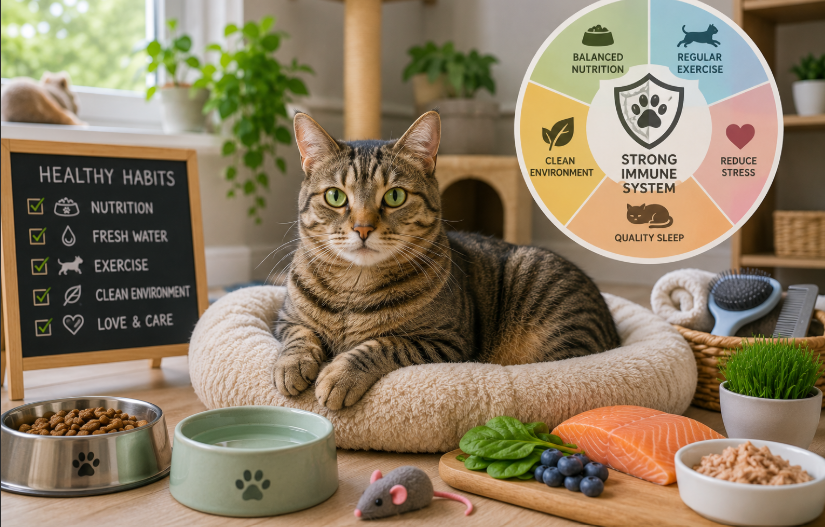
Every cat owner wants their pet to live a long, active, and healthy life, and learning how to Strengthen Cat Immune System naturally is one of the best ways to support long-term wellness. A strong immune system helps cats fight infections, recover faster from illness, and maintain healthier energy levels throughout life. While veterinary care remains essential, daily lifestyle habits also play a major role in immune health.
Modern indoor cats often face challenges involving stress, inactivity, obesity, and poor nutrition. Consequently, weakened immunity may develop gradually over time without obvious warning signs. Cats with compromised immune systems may experience frequent digestive problems, respiratory issues, skin conditions, or low energy.
Natural immune support begins with understanding the connection between diet, environment, emotional health, and physical activity. Small improvements in daily care routines often produce meaningful long-term health benefits. Therefore, owners who focus on preventative wellness strategies can help cats stay healthier and more resilient.
Cats rely heavily on consistent routines and stable environments. Because stress affects feline immune function significantly, emotional well-being matters just as much as physical health. Supporting immunity naturally involves creating balanced lifestyles that encourage comfort, movement, hydration, and proper nutrition.
Veterinarians increasingly emphasize preventative care because strong immune systems reduce risks for many chronic illnesses. With the right habits and attention, owners can support healthier immune function while improving overall feline quality of life.
Why Immune Health Matters for Cats
The immune system protects cats from bacteria, viruses, parasites, and other harmful threats. Without strong immune defenses, even minor infections can become more serious over time. Consequently, maintaining healthy immune function remains essential at every life stage.
Kittens rely heavily on immune support during early development because their bodies are still building protective defenses. Senior cats also require extra support since aging naturally weakens immune response gradually. Therefore, immune care should adapt throughout a cat’s lifetime.
Stress can weaken immunity surprisingly quickly. Environmental tension, loud noise, routine disruptions, or overcrowding may increase stress hormones that affect overall health. As a result, emotionally stressed cats often become more vulnerable to illness.
Strengthen Cat Immune System efforts also support faster recovery during illness or injury. Healthy immune function helps the body repair tissues, reduce inflammation, and respond more effectively to infections.
Digestive health plays an important role too. Much of the immune system connects directly to the digestive tract. Consequently, poor nutrition or digestive imbalance may negatively affect overall immunity.
Indoor living creates additional considerations. While indoor cats avoid many outdoor dangers, they often experience less exercise and stimulation. Without healthy routines, inactivity and obesity may gradually weaken immune resilience over time.
Understanding these connections helps owners create more supportive lifestyles that protect both physical and emotional health naturally.
The Role of Nutrition in Immune Support
Nutrition forms the foundation of feline immune health. Cats are obligate carnivores, meaning they require animal-based protein and essential nutrients to function properly. Poor-quality diets lacking balanced nutrition may weaken immune defenses gradually.
High-quality protein supports muscle maintenance, tissue repair, and healthy immune response. Therefore, selecting nutritionally complete cat food with quality protein sources remains extremely important.
Healthy fats also contribute significantly to immune support. Omega-3 fatty acids, for example, help reduce inflammation while supporting skin, coat, and brain health. Consequently, many veterinarians recommend balanced fatty acid intake for overall wellness.
Hydration matters just as much as food quality. Many cats naturally drink little water, especially when eating dry food exclusively. Dehydration may affect digestion, kidney health, and immune function over time. Therefore, fresh water access should remain available constantly.
Strengthen Cat Immune System naturally by avoiding excessive treats and highly processed foods with unnecessary fillers. Balanced meals support healthier digestion and more stable energy levels.
Wet food often benefits cats because of its higher moisture content. Improved hydration supports urinary health and overall body function. However, dietary needs vary depending on age, activity level, and medical conditions.
Sudden diet changes may upset digestion and create unnecessary stress. Consequently, food transitions should happen gradually over several days whenever possible.
Veterinary guidance helps owners choose diets that support both immediate and long-term health needs more effectively.
How Stress Weakens Feline Immunity
Cats are highly sensitive animals, and stress affects their immune systems more than many owners realize. Chronic stress increases hormone levels that may weaken natural immune defenses over time. Consequently, stressed cats often become more vulnerable to illness.
Environmental instability commonly triggers feline stress. Moving homes, introducing new pets, loud noise, or unpredictable routines may create emotional strain. As a result, some cats develop behavioral changes such as hiding, aggression, excessive grooming, or appetite loss.
Multi-cat households sometimes increase stress levels too. Competition over food, litter boxes, or resting spaces may create ongoing tension between pets. Therefore, resource management becomes essential for emotional balance.
Strengthen Cat Immune System support should include creating calm and predictable home environments. Consistent feeding schedules, quiet resting spaces, and regular interaction often help reduce anxiety naturally.
Cats also need personal territory where they feel safe and secure. Elevated shelves, hiding spaces, and comfortable bedding provide emotional comfort while supporting relaxation.
Interactive play helps relieve stress as well. Physical activity releases energy while stimulating natural hunting instincts. Consequently, mentally engaged cats often display healthier emotional balance.
Pheromone diffusers may provide additional support for anxious cats. These products mimic calming feline scent signals and sometimes help reduce environmental stress.
Reducing stress does more than improve behavior. It directly supports healthier immune response and overall physical wellness.
The Importance of Physical Activity
Exercise supports much more than weight control. Regular physical activity improves circulation, supports digestion, reduces stress, and strengthens overall body function. Unfortunately, many indoor cats receive far less movement than they naturally need.
Inactive cats often gain weight gradually, and obesity weakens immune health over time. Excess body fat increases inflammation and places additional strain on the body. Consequently, overweight cats may experience lower energy and greater illness risk.
Strengthen Cat Immune System naturally by encouraging regular movement through interactive play. Feather toys, laser pointers, climbing trees, and puzzle feeders help stimulate both body and mind simultaneously.
Cats usually prefer short bursts of activity rather than long exercise sessions. Therefore, several brief play periods throughout the day often work best.
Vertical climbing spaces encourage movement too. Cat trees, shelves, and window perches motivate cats to jump, stretch, and explore naturally. As a result, indoor environments become more physically stimulating.
Mental enrichment also supports healthier activity levels. Bored cats often become sedentary, while stimulated cats stay more curious and engaged. Consequently, exercise and emotional wellness remain closely connected.
Senior cats still benefit from gentle movement even if activity decreases with age. Light play and easy climbing opportunities help maintain mobility and muscle tone over time.
Daily movement supports stronger immunity while improving emotional balance and overall quality of life.
How Sleep and Rest Affect Immunity
Rest is essential for immune health in both humans and animals. Cats naturally sleep many hours daily because rest helps regulate energy, healing, and immune response. Without enough quality sleep, immune function may weaken gradually.
Cats need safe and comfortable sleeping areas where they feel protected. Loud environments or constant interruptions may reduce sleep quality and increase stress levels. Consequently, providing quiet resting spaces supports healthier recovery and relaxation.
Strengthen Cat Immune System efforts should include creating warm and comfortable sleep environments. Soft bedding, elevated resting spots, and quiet corners often improve comfort significantly.
Routine also affects sleep patterns. Cats generally feel more secure when feeding, playtime, and household activity remain reasonably predictable. Stable routines help support healthier rest cycles naturally.
Older cats especially require supportive sleep environments because aging often affects mobility and comfort. Orthopedic beds or heated resting pads sometimes improve sleep quality for senior pets.
Stress reduction contributes heavily to restful sleep too. Anxious cats may remain more alert and less relaxed throughout the day. Therefore, emotional comfort directly influences recovery and immune support.
Cats sleeping peacefully and consistently often display healthier energy, mood, and appetite overall. Consequently, proper rest remains one of the simplest yet most important aspects of immune wellness.
Why Clean Living Spaces Matter
Environmental hygiene plays a direct role in feline health. Dirty litter boxes, contaminated food bowls, and poor air quality may expose cats to bacteria, parasites, and unnecessary stress. Consequently, maintaining clean living conditions supports stronger immunity naturally.
Litter boxes should remain clean and easily accessible. Many cats avoid dirty boxes entirely, which may lead to stress or urinary issues. Therefore, regular cleaning remains extremely important.
Food and water bowls require daily washing as well. Bacteria buildup may develop quickly in neglected bowls, especially with wet food diets. Stainless steel or ceramic bowls generally resist bacteria better than plastic.
Strengthen Cat Immune System support also includes improving indoor air quality. Smoke, strong fragrances, and harsh cleaning chemicals may irritate feline respiratory systems over time. Consequently, pet-safe products and good ventilation help create healthier environments.
Vacuuming regularly reduces dust, fur, and allergens throughout the home. Grooming cats consistently also supports skin health while reducing loose fur and debris.
Parasite prevention remains essential even for indoor cats. Fleas, ticks, and worms may still enter homes through clothing, visitors, or other pets. Therefore, preventative veterinary care remains extremely important.
Clean and organized environments reduce both physical health risks and emotional stress simultaneously.
The Long-Term Benefits of Natural Immune Support
Natural immune support focuses on prevention rather than simply reacting to illness later. Cats living healthy and balanced lifestyles often experience better energy, stronger resilience, and improved overall wellness throughout life.
Strengthen Cat Immune System naturally through consistent daily habits rather than relying on quick solutions alone. Nutrition, hydration, exercise, stress management, and cleanliness work together to support long-term health.
Cats with healthier immune systems often recover faster from illness and tolerate environmental changes more comfortably. Consequently, preventative wellness may reduce veterinary complications over time.
Emotional well-being also improves significantly in healthy environments. Relaxed cats usually display healthier appetite, better grooming habits, and more playful behavior overall.
Preventative care benefits senior cats especially. Aging naturally weakens immune response, making healthy routines increasingly important later in life. Therefore, lifelong wellness habits support healthier aging and better mobility.
Strong immune support also strengthens the relationship between cats and owners. Healthy cats tend to feel more comfortable, social, and emotionally balanced within their homes.
Natural wellness strategies cannot replace professional veterinary treatment when illness occurs. However, they create stronger foundations that support healthier recovery and long-term resilience.
Conclusion
Supporting feline immunity naturally involves much more than occasional supplements or treatments. Strengthen Cat Immune System strategies work best when daily habits consistently support physical and emotional wellness.
Proper nutrition, hydration, exercise, restful sleep, environmental cleanliness, and stress reduction all contribute directly to stronger immune function. Without these essentials, cats may become more vulnerable to illness, obesity, anxiety, and long-term health problems.
Fortunately, many immune-supporting habits are simple to implement. Interactive play, healthier feeding routines, clean environments, and stable schedules often create meaningful improvements quickly.
Indoor cats especially depend completely on owners for their physical and emotional well-being. Consequently, creating balanced lifestyles becomes one of the most valuable ways to support lifelong health naturally.
Strong immune systems help cats stay energetic, resilient, and emotionally balanced throughout every life stage. With consistent care and preventative wellness habits, owners can help their feline companions enjoy healthier and happier lives for many years.
FAQ
1. What foods help support feline immunity?
High-quality protein, balanced nutrients, healthy fats, and moisture-rich foods support stronger immune health naturally.
2. Can stress weaken a cat’s immune system?
Yes. Chronic stress may reduce immune response and increase vulnerability to illness over time.
3. How much exercise do indoor cats need?
Most indoor cats benefit from several short interactive play sessions every day to stay active and healthy.
4. Why is hydration important for cats?
Proper hydration supports digestion, kidney function, urinary health, and overall body performance.
5. Do indoor cats still need parasite prevention?
Yes. Indoor cats may still encounter parasites through other pets, visitors, or contaminated environments.


