
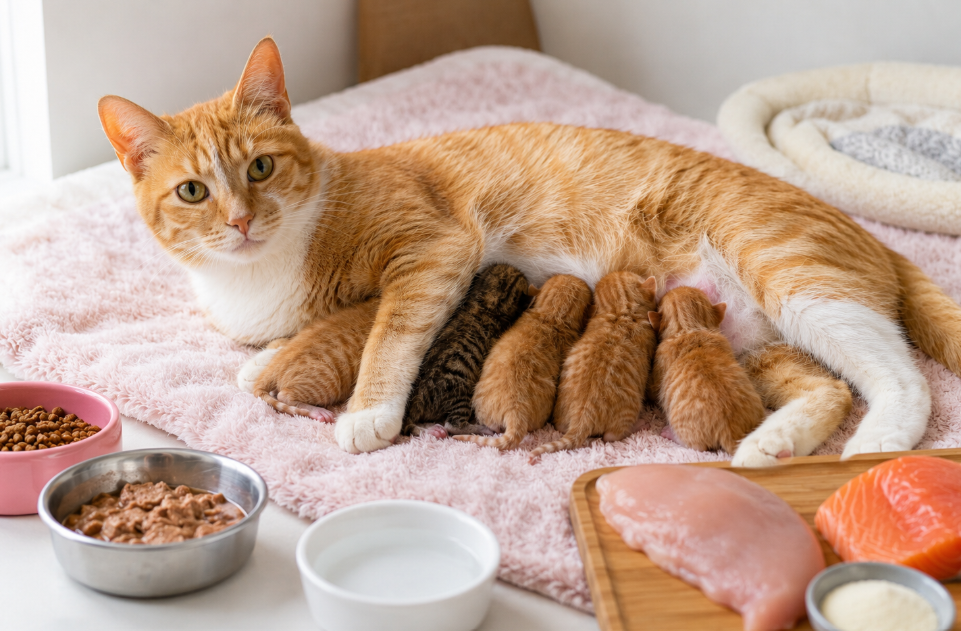
Cats experience major physical changes during pregnancy and illness. During these periods, proper nutrition becomes far more important than usual because the body requires additional support to maintain strength, immunity, and healthy organ function. That is why understanding special diet needs cats face during sensitive life stages can make a significant difference in their health and recovery.
Many cat owners assume all feline diets work the same way. However, pregnant cats and sick cats often require very different nutritional support than healthy adult cats. In some situations, increased calories become necessary, while in others, highly digestible foods or added hydration may matter more. Because cats naturally hide discomfort, nutritional imbalances sometimes go unnoticed until energy levels or weight begin changing noticeably.
A carefully planned diet helps pregnant cats support healthy kitten development while maintaining their own strength. Likewise, sick cats often recover better when they receive balanced nutrition tailored to their condition. While veterinary guidance remains essential for serious illnesses, owners can still learn valuable feeding habits that support better overall care.
Why Nutrition Changes During Pregnancy and Illness
The nutritional demands on a cat’s body increase dramatically during pregnancy. As kittens grow, the mother requires additional calories, protein, and nutrients to support fetal development and milk production. Without proper nutrition, both the mother and kittens may experience health complications.
Pregnant cats typically begin needing more calories during the middle stages of pregnancy. As delivery approaches, energy requirements rise even further. In addition, nursing after birth requires substantial calorie intake because milk production uses large amounts of energy each day.
Illness creates different nutritional challenges. Some conditions increase calorie needs because the body works harder to heal and fight infection. Meanwhile, other illnesses reduce appetite or create digestive discomfort that makes eating difficult. In these cases, food quality and digestibility become especially important.
Hydration also plays a major role during illness and pregnancy. Dehydration can quickly weaken cats and worsen existing health concerns. Therefore, moisture-rich foods often support recovery and overall wellness more effectively than dry foods alone.
Cats with chronic illnesses sometimes require prescription diets designed for kidney disease, diabetes, digestive disorders, or food sensitivities. These specialized diets help reduce strain on affected organs while supporting better long-term health management.
Because of these factors, special diet needs cats experience during vulnerable periods should never be ignored or treated casually.
The Best Foods for Pregnant Cats
Pregnant cats require nutrient-dense foods that support both their own bodies and their developing kittens. High-quality kitten food often works well during pregnancy because it contains elevated protein, fat, and calorie levels.
Protein remains especially important. Growing kittens depend on amino acids for proper development, while the mother needs protein to maintain muscle mass and energy. Animal-based protein sources usually provide the best nutritional support because cats are obligate carnivores.
Healthy fats also play a key role during pregnancy. Fat provides concentrated energy and supports healthy growth in developing kittens. In addition, fats help improve food flavor, which encourages consistent eating during later pregnancy stages.
Frequent smaller meals often work better than large portions. As kittens grow, they reduce stomach space inside the abdomen. Therefore, many pregnant cats feel more comfortable eating several smaller meals throughout the day instead of one or two large feedings.
Wet food can provide important benefits as well. Moisture-rich meals help maintain hydration while often being easier to digest. Many pregnant cats also find wet food more appealing if appetite fluctuates during pregnancy.
Sudden diet changes should still be avoided. Transitioning gradually helps prevent digestive upset and encourages better food acceptance. Whenever possible, dietary adjustments should begin early in pregnancy rather than waiting until the final weeks.
Monitoring body condition matters too. Pregnant cats should gain weight steadily without becoming excessively overweight. Healthy weight gain supports safer delivery and stronger nursing ability after birth.
Providing balanced nutrition that meets the special diet needs cats experience during pregnancy helps support healthier mothers and stronger kittens.
How Illness Affects a Cat’s Appetite and Nutrition
Illness often changes how cats eat and digest food. Some conditions reduce appetite entirely, while others create nausea, mouth pain, or digestive discomfort that makes eating difficult. Unfortunately, poor nutrition during illness can weaken the body further and slow recovery.
Cats that stop eating for extended periods face serious health risks. Unlike some animals, cats can develop liver complications if they go too long without food. Therefore, encouraging appetite becomes extremely important during illness.
Strong-smelling foods may help stimulate interest in eating. Slightly warming wet food often enhances aroma and makes meals more appealing. In addition, softer textures may feel easier to chew for cats experiencing dental pain or mouth irritation.
Digestibility matters greatly during recovery. Ill cats often tolerate simple, easily digestible foods better than heavily processed or low-quality diets. Veterinary recovery foods frequently contain balanced nutrients in highly absorbable forms that support healing more effectively.
Some illnesses require reduced fat intake, while others demand increased calories. For example, digestive disorders sometimes benefit from limited-fat diets, whereas recovering cats may require additional energy to regain strength. Because needs vary widely, veterinary recommendations should guide major dietary changes.
Hydration support remains critical during sickness. Wet food, broth-based meals, or water fountains may encourage better fluid intake. Dehydration can worsen weakness and delay recovery, especially in cats with vomiting or diarrhea.
Addressing the special diet needs cats experience during illness helps protect muscle mass, support immunity, and improve recovery outcomes.
Hydration and Moisture-Rich Feeding
Water intake often becomes overlooked in feline nutrition discussions. However, hydration strongly influences kidney health, digestion, circulation, and overall wellness. Pregnant and ill cats especially benefit from moisture-rich diets because their bodies require additional fluid support.
Many cats naturally drink small amounts of water throughout the day. Therefore, relying entirely on dry food sometimes leaves cats mildly dehydrated without obvious symptoms. Wet food helps compensate by providing substantial moisture within each meal.
Pregnant cats require additional hydration because blood volume increases during pregnancy. Later, nursing mothers lose significant fluids while producing milk. Without adequate hydration, fatigue and weakness may develop more quickly.
Sick cats often experience fluid loss through fever, vomiting, or diarrhea. Even reduced appetite alone can lower overall water intake substantially. Because of this, hydration support should remain a daily priority during illness.
Some cats prefer running water instead of still bowls. Pet fountains may encourage drinking by keeping water moving and fresh. Wide, shallow bowls also help because many cats dislike having their whiskers touch narrow containers.
Adding small amounts of water or low-sodium broth to meals can improve moisture intake as well. However, ingredients should always remain cat-safe without onions, garlic, or excessive sodium.
Meeting the special diet needs cats have for hydration often improves energy, digestion, and overall recovery during physically demanding periods.
Supporting Cats With Digestive Sensitivities
Digestive upset commonly affects both pregnant and sick cats. Nausea, vomiting, diarrhea, or constipation may reduce appetite and interfere with nutrient absorption. Therefore, gentle digestive support becomes very important.
Highly digestible foods usually work best during sensitive periods. Limited ingredient diets or veterinary gastrointestinal formulas often reduce irritation while supporting nutrient absorption more effectively.
Fiber balance matters too. Some digestive conditions improve with added fiber, while others require lower fiber intake. Because of this, owners should avoid making major dietary experiments without veterinary guidance.
Small, frequent meals often reduce stomach strain. Large meals may worsen nausea or create discomfort in cats already dealing with digestive stress. Meanwhile, smaller portions feel easier to tolerate and digest.
Food temperature can influence acceptance as well. Slightly warmed meals release stronger aromas that encourage appetite and improve palatability.
Probiotics sometimes support digestive health during recovery. Certain veterinary-approved probiotic supplements help maintain healthier intestinal bacteria balance, especially after antibiotic use or digestive illness.
Consistency remains important too. Frequent food switching often worsens digestive upset rather than improving it. Gradual transitions usually support more stable digestion and better nutrient absorption.
Because digestive health strongly influences recovery, the special diet needs cats face during stomach or intestinal issues deserve careful attention and patience.
Managing Weight Changes During Recovery or Pregnancy
Weight fluctuations commonly occur during pregnancy and illness. Monitoring body condition helps owners recognize whether nutritional adjustments may be necessary.
Pregnant cats naturally gain weight as kittens develop. However, excessive weight gain may increase delivery complications and reduce mobility. Balanced calorie increases usually work better than unrestricted feeding.
On the other hand, sick cats often lose weight quickly due to reduced appetite or increased calorie demands. Muscle loss may develop rapidly if nutrition remains inadequate for too long.
Regular weigh-ins help track changes more accurately. Small weekly adjustments often reveal important health information before visible physical differences appear.
Calorie-dense foods may help underweight cats regain strength more efficiently. Veterinary recovery diets often contain concentrated nutrition designed for easier digestion and higher energy support.
Activity level matters too. Cats recovering from illness sometimes burn fewer calories because they rest more. Meanwhile, certain diseases increase energy demands significantly despite reduced movement.
Body condition scoring provides additional insight beyond simple weight numbers. Veterinarians often assess rib visibility, waistline shape, and muscle condition when evaluating feline health.
Supporting healthy weight remains one of the most important parts of meeting the special diet needs cats experience during physically stressful periods.
Foods and Ingredients to Avoid
While providing additional nutrition is important, certain foods may create risks during pregnancy or illness. Therefore, owners should avoid feeding inappropriate foods even when trying to encourage appetite.
Raw diets may expose pregnant or weakened cats to harmful bacteria and parasites. Since immunity can become compromised during illness or pregnancy, safer cooked or commercial diets usually work better.
Excessive treats should also remain limited. Treat-heavy feeding may create nutritional imbalance and reduce interest in balanced meals. Instead, treats should support appetite without replacing proper nutrition.
Human foods often create problems as well. Onions, garlic, chocolate, grapes, caffeine, and alcohol are toxic to cats. Additionally, high-fat table scraps may worsen digestive upset or pancreatitis risk.
Milk products should generally be avoided unless specifically tolerated. Many adult cats struggle to digest lactose, which may lead to diarrhea or stomach discomfort.
Abrupt diet changes may also trigger digestive stress. Even healthy foods should transition gradually whenever possible to support stable digestion and better food acceptance.
Prescription diets should only be used under veterinary guidance. These formulas target specific conditions and may not suit every cat appropriately.
Protecting the special diet needs cats require also involves avoiding foods that may interfere with recovery or healthy pregnancy development.
Creating a Calm Feeding Routine
Stress can reduce appetite and disrupt digestion in both pregnant and ill cats. Therefore, feeding environments should remain calm, quiet, and predictable whenever possible.
Cats often prefer eating in peaceful spaces away from loud appliances or household activity. Safe feeding locations help reduce anxiety and encourage better appetite.
Routine matters greatly as well. Offering meals at consistent times helps cats feel more secure and comfortable. Predictable schedules may improve food acceptance during stressful periods.
Separate feeding stations become especially important in multi-cat homes. Pregnant or sick cats should eat without competition or pressure from other pets.
Clean bowls also support appetite. Strong smells or leftover residue sometimes discourage eating, especially in sensitive cats. Stainless steel or ceramic dishes usually work best because they remain easy to sanitize.
Monitoring food intake daily helps identify appetite changes quickly. Small reductions in eating may signal worsening illness or discomfort before additional symptoms appear.
Providing comfort during meals supports the special diet needs cats experience while reducing stress-related feeding difficulties.
Conclusion
Pregnancy and illness place significant physical demands on cats, which makes nutrition more important than ever. During these vulnerable periods, balanced diets help support immunity, energy, digestion, hydration, and overall recovery.
High-quality protein, proper hydration, portion management, and digestible foods all contribute to healthier outcomes. In addition, calm feeding routines and attentive monitoring allow owners to respond quickly when appetite or weight changes occur.
Because every cat’s condition differs, veterinary guidance remains essential for serious illnesses or pregnancy complications. However, daily feeding habits still play a major role in supporting comfort and long-term wellness.
Understanding the special diet needs cats experience during pregnancy or illness allows owners to provide more thoughtful and effective care. Those consistent nutritional choices often help cats recover more comfortably while supporting healthier lives overall.
FAQ
1. What should pregnant cats eat during pregnancy?
High-quality kitten food usually provides the extra calories, protein, and nutrients needed during pregnancy and nursing.
2. Why do sick cats sometimes stop eating?
Illness may cause nausea, mouth pain, digestive discomfort, or reduced appetite, which can make eating difficult.
3. Is wet food better for recovering cats?
Wet food often supports hydration and may feel easier to digest, especially for cats with low appetite.
4. How can I encourage a sick cat to eat?
Warming food slightly, offering strong-smelling meals, and providing quiet feeding spaces may improve appetite.
5. Should cats with digestive issues change foods suddenly?
No, gradual food transitions usually reduce digestive stress and help cats adjust more comfortably.


