
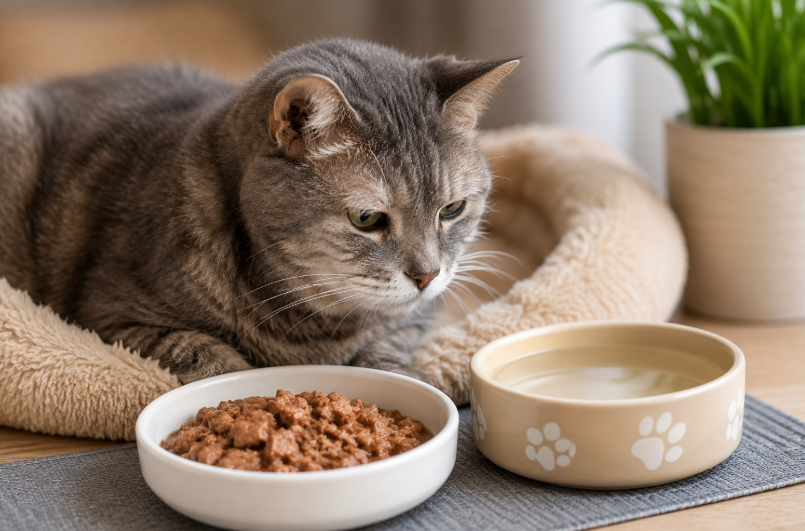
Cats experience many physical changes as they grow older. Energy levels may decline, digestion can become more sensitive, and chronic health conditions often appear more frequently during the senior years. Because of these changes, nutrition becomes one of the most important parts of maintaining comfort, mobility, and long-term wellness. A carefully planned senior cat diet can help aging cats stay healthier, more active, and more comfortable throughout their later years.
Senior cats often face challenges such as kidney disease, arthritis, diabetes, obesity, dental problems, and digestive sensitivity. These conditions may affect appetite, hydration, weight, and overall energy levels. Consequently, older cats usually benefit from diets designed specifically to support aging bodies and changing nutritional needs.
Many cat owners assume aging simply means feeding less food or switching to “senior” labeled products automatically. However, nutrition for older cats involves far more than age-based marketing. Ingredient quality, moisture content, protein levels, calorie balance, and veterinary guidance all play major roles in supporting feline health.
Importantly, every senior cat has different needs. Some older cats remain highly active and maintain healthy weight easily, while others struggle with reduced appetite, muscle loss, or chronic illness. Understanding how nutrition affects these changes helps owners make smarter feeding decisions that improve both health and quality of life.
Why Nutrition Changes Matter for Aging Cats
A cat’s metabolism, activity level, and digestive system gradually change with age. These shifts often influence how nutrients are processed and how efficiently the body maintains muscle, hydration, and energy balance.
Senior cat diet planning becomes especially important because older cats may lose muscle mass even while maintaining normal body weight. This condition, sometimes called sarcopenia, can affect strength, mobility, and overall health.
Digestive efficiency may also decline over time. Some senior cats develop sensitive stomachs or reduced appetite, making nutrient absorption more difficult.
Hydration becomes another major concern. Older cats are more prone to dehydration, particularly when kidney function begins declining. Since cats naturally drink less water than many animals, moisture-rich nutrition often becomes increasingly valuable.
Dental issues frequently influence eating habits too. Painful teeth or gum disease may cause older cats to avoid dry kibble or reduce food intake altogether.
Immune function additionally changes during the senior years. Balanced nutrition helps support immune health while reducing stress on aging organs.
Importantly, proper nutrition supports more than physical health alone. Comfortable digestion, stable energy, and reduced discomfort often improve mood, behavior, and daily quality of life as well.
Protein Remains Essential for Senior Cats
Many people mistakenly believe older cats require low-protein diets automatically. In reality, healthy senior cats often need high-quality protein to maintain muscle mass and overall body condition.
Senior cat diet recommendations frequently emphasize digestible animal protein because cats remain obligate carnivores throughout life. Their bodies still rely heavily on amino acids from meat sources.
Muscle loss becomes more common with age, especially in less active cats. Adequate protein intake helps preserve strength, mobility, and healthy body weight.
Digestibility matters greatly too. High-quality animal proteins generally provide nutrients more efficiently than lower-grade fillers or excessive plant ingredients.
However, some medical conditions require special adjustments. Cats with advanced kidney disease, for example, may need carefully controlled protein levels under veterinary supervision.
Protein quality should always receive more attention than marketing claims alone. Clearly identified meat ingredients usually provide better nutritional value than vague by-products or heavily processed fillers.
Wet food often supports protein intake more effectively as well because many formulas contain higher meat content and lower carbohydrate percentages compared to dry kibble.
Importantly, protein needs vary depending on overall health status, activity level, and medical conditions. Veterinary guidance helps determine the best balance for individual cats.
Hydration Plays a Major Role in Senior Health
Hydration becomes increasingly important as cats age. Kidney function naturally declines over time in many senior cats, making proper fluid intake essential for long-term health and comfort.
Senior cat diet planning often focuses heavily on moisture content because many older cats do not drink enough water independently.
Wet food generally supports hydration better than dry kibble due to its significantly higher moisture levels. This additional hydration may help support kidney function, digestion, and urinary health.
Cats with kidney disease especially benefit from increased fluid intake. Better hydration helps reduce strain on the kidneys while supporting toxin removal.
Constipation may also improve when moisture intake increases appropriately. Older cats frequently experience digestive slowing that benefits from better hydration.
Some owners additionally use water fountains because moving water encourages certain cats to drink more frequently.
Low-sodium broths or moisture-rich toppers can also help stimulate fluid intake for picky eaters.
Importantly, dehydration symptoms in senior cats sometimes appear subtle. Lethargy, reduced appetite, constipation, or decreased grooming may indicate hydration problems requiring attention.
Weight Management Becomes More Challenging
Weight changes commonly occur during the senior years. Some cats gain excess weight due to reduced activity, while others lose weight because of illness, poor appetite, or muscle wasting.
Senior cat diet management should therefore focus on maintaining healthy body condition rather than simply reducing calories automatically.
Obesity creates significant strain on joints, heart function, and mobility. Overweight senior cats may struggle more with arthritis and reduced stamina.
Conversely, unexplained weight loss often signals underlying medical problems requiring veterinary evaluation.
Portion control helps maintain balance without excessive restriction. Feeding schedules also support consistency and appetite monitoring.
Calorie quality matters more than quantity alone. Nutrient-dense foods with high-quality protein and balanced fats often support healthier aging compared to heavily processed low-quality diets.
Regular weight monitoring becomes especially valuable for older cats because even small changes may indicate developing health concerns.
Importantly, gradual adjustments work better than sudden dietary changes. Rapid calorie reduction may create unnecessary stress or appetite disruption.
How Kidney Disease Affects Nutrition
Kidney disease remains one of the most common health challenges affecting senior cats. Since kidneys help filter waste and regulate hydration, declining function often requires nutritional adjustments.
Senior cat diet plans for kidney support usually emphasize controlled phosphorus levels, balanced protein, and increased moisture intake.
Veterinary prescription diets often target kidney health specifically by reducing mineral stress on the kidneys while maintaining essential nutrients.
Hydration becomes especially critical for cats with kidney disease because fluid balance directly affects kidney workload.
Appetite stimulation may also become necessary. Many cats with kidney disease experience nausea or reduced interest in food.
Warming wet food slightly sometimes improves aroma and encourages eating. Smaller, more frequent meals may additionally support appetite better than large portions.
Importantly, kidney-friendly diets should always follow veterinary guidance because nutritional balance requires careful adjustment based on disease stage and overall health.
Supporting Cats With Arthritis and Mobility Problems
Arthritis frequently affects senior cats even when symptoms remain subtle initially. Joint stiffness, reduced jumping, slower movement, or reluctance to climb may indicate discomfort.
Senior cat diet choices can help support joint health through balanced weight management and anti-inflammatory nutritional support.
Omega-3 fatty acids commonly appear in senior formulas designed to support joint comfort and mobility. These healthy fats may help reduce inflammation naturally.
Maintaining healthy body weight remains equally important because excess weight increases pressure on aging joints.
Protein intake also supports mobility by helping preserve muscle mass around joints and limbs.
Some senior cat foods additionally include glucosamine or chondroitin ingredients associated with joint support.
Importantly, nutrition alone cannot cure arthritis, yet proper dietary support often improves comfort and movement when combined with veterinary care.
Digestive Sensitivity in Older Cats
Aging cats often develop more sensitive digestive systems over time. Foods tolerated easily during younger years may suddenly cause vomiting, diarrhea, constipation, or reduced appetite later in life.
Senior cat diet planning should therefore prioritize digestibility and ingredient quality carefully.
Highly digestible protein sources usually support easier nutrient absorption while reducing digestive strain.
Fiber balance also matters significantly. Moderate fiber levels may help support bowel regularity and digestive comfort.
Artificial additives, excessive fillers, or abrupt food changes often trigger digestive upset in sensitive cats.
Probiotics sometimes help support gut health as well. Certain senior formulas now include beneficial bacteria designed to improve digestive balance.
Meal consistency additionally reduces stomach stress. Regular feeding schedules often support better digestion than irregular feeding patterns.
Importantly, persistent digestive symptoms always require veterinary attention because they may indicate underlying medical conditions rather than simple food sensitivity alone.
Dental Problems Can Affect Eating Habits
Dental disease commonly affects older cats and often influences appetite significantly. Painful teeth or inflamed gums may cause cats to avoid eating even when hungry.
Senior cat diet adjustments frequently become necessary when chewing discomfort develops.
Wet food usually provides easier eating for cats struggling with dental pain. Soft textures reduce chewing pressure while supporting calorie intake.
Some cats additionally prefer pâté-style foods because they require less chewing effort compared to chunky textures or dry kibble.
Warming food slightly can improve aroma and encourage reluctant eaters to eat more comfortably.
Dental health should never be ignored simply because cats continue eating occasionally. Many cats hide pain surprisingly well until problems become severe.
Regular veterinary dental evaluations help identify issues before appetite and weight decline significantly.
Importantly, maintaining food intake becomes especially critical for older cats because prolonged appetite reduction may lead to muscle loss and worsening health.
How to Transition Senior Cats to New Foods
Changing diets too quickly often creates digestive upset, especially in older cats with sensitive stomachs or established food preferences.
Senior cat diet transitions should therefore occur gradually over seven to ten days whenever possible.
Mixing small amounts of new food into existing meals helps cats adjust more comfortably while reducing stress on digestion.
Patience remains important because many senior cats resist sudden changes in texture, smell, or flavor.
Offering food in quiet comfortable areas may additionally encourage hesitant eaters. Some older cats become more sensitive to environmental stress during meals.
Monitoring appetite, stool quality, hydration, and energy levels during transitions helps identify potential problems early.
Importantly, never force drastic dietary changes unless medically necessary under veterinary supervision.
The Importance of Veterinary Guidance
Senior cats often develop multiple overlapping health conditions that affect nutritional needs simultaneously. Consequently, professional guidance becomes increasingly valuable during the aging years.
Senior cat diet recommendations should ideally involve veterinary evaluation, especially when health concerns such as kidney disease, diabetes, obesity, or digestive problems appear.
Routine bloodwork and wellness exams help identify nutritional needs before visible symptoms become severe.
Veterinarians may recommend prescription diets, supplements, hydration strategies, or calorie adjustments based on individual health conditions.
Importantly, internet trends and generalized feeding advice cannot replace personalized veterinary care for medically complex senior cats.
Every aging cat responds differently to nutrition changes. Professional guidance helps owners avoid unnecessary experimentation while supporting safer long-term health management.
Conclusion
A carefully balanced senior cat diet plays a major role in supporting comfort, mobility, hydration, digestion, and long-term wellness throughout the aging process. Older cats face unique challenges involving kidney health, muscle maintenance, arthritis, dental problems, and digestive sensitivity, making proper nutrition more important than ever.
High-quality protein, adequate hydration, healthy weight management, and digestible ingredients all contribute significantly to improving quality of life in senior cats. Wet food often becomes especially valuable due to its moisture content and easier texture for aging felines.
Importantly, every senior cat has different nutritional needs depending on overall health, activity level, and medical conditions. Veterinary guidance helps owners make safer and more effective feeding decisions tailored to individual cats.
Most importantly, nutrition should support comfort and happiness as much as physical health. A thoughtful feeding approach can help senior cats remain more active, comfortable, and content during their later years while strengthening the bond between pets and their owners.
FAQ
1. What Is the Best Food Type for Older Cats?
Many senior cats benefit from moisture-rich wet food with high-quality protein and balanced nutrients.
2. Why Is Hydration Important for Aging Cats?
Proper hydration supports kidney health, digestion, urinary function, and overall comfort in senior cats.
3. Can Senior Cats Eat Regular Adult Cat Food?
Some can, although many older cats benefit from formulas designed specifically for aging nutritional needs.
4. How Does Arthritis Affect Cat Nutrition?
Healthy weight management and omega-3 fatty acids may help support joint comfort and mobility.
5. Should Owners Change Food Suddenly for Senior Cats?
No. Gradual transitions usually reduce digestive upset and help older cats adjust more comfortably.


