
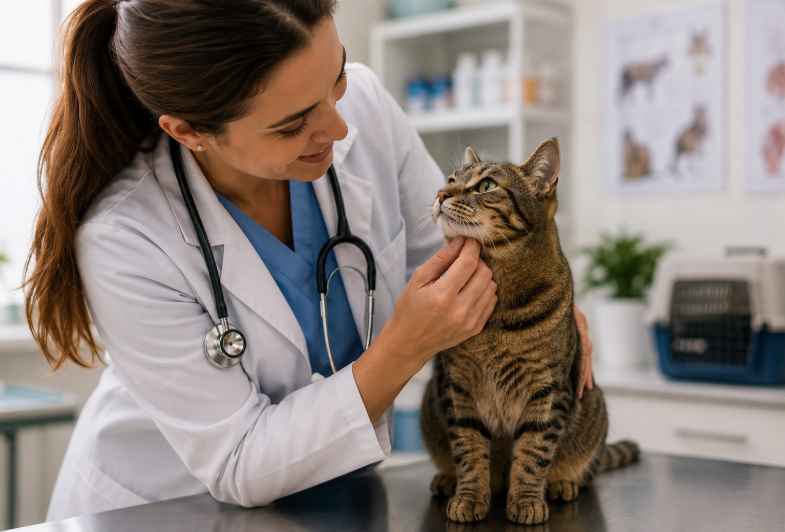
Many cat owners assume that if their pet appears healthy, veterinary appointments are unnecessary. Cats, however, are masters at hiding discomfort and illness. Unlike humans, they often conceal symptoms until a condition becomes advanced. As a result, problems can develop quietly for months before owners notice visible signs. This is one reason why Regular Vet Visits are among the most important investments a cat owner can make. Consistent veterinary care helps identify health concerns early, supports preventive medicine, and contributes significantly to a longer, healthier life.
Cats today are living longer than ever before. Improved nutrition, safer indoor lifestyles, and advances in veterinary medicine have increased life expectancy considerably. However, longevity depends on more than good food and a comfortable home. Preventive healthcare remains a critical component of lifelong wellness. Through Regular Vet Visits, veterinarians can monitor changes, identify developing conditions, and recommend interventions before problems become serious.
Many diseases respond better to treatment when detected early. Consequently, routine examinations often save both money and stress by preventing complex medical situations. Rather than waiting for symptoms to appear, proactive healthcare focuses on maintaining wellness and reducing risks.
Understanding the connection between Regular Vet Visits and feline longevity helps owners make informed decisions that benefit their pets throughout every stage of life.
Why Cats Need Preventive Healthcare
Preventive healthcare forms the foundation of Regular Vet Visits because many serious illnesses begin with subtle changes that owners may not notice.
Cats instinctively hide weakness. In the wild, displaying illness could make an animal vulnerable to predators. Although domestic cats live in safe environments, these survival instincts remain strong. Consequently, symptoms often remain hidden until conditions become advanced.
Routine examinations help veterinarians identify issues before they become obvious. Weight fluctuations, dental problems, heart abnormalities, and early kidney disease frequently appear during checkups long before owners observe behavioral changes.
Preventive care also allows professionals to establish baseline health information. Future changes become easier to recognize when veterinarians understand what is normal for an individual cat.
Early detection often improves treatment outcomes. Therefore, preventive healthcare represents one of the strongest reasons to prioritize Regular Vet Visits throughout a cat’s life.
Rather than reacting to illness after symptoms develop, preventive medicine focuses on maintaining wellness and minimizing health risks proactively.
Early Detection Of Chronic Diseases
One of the greatest benefits of Regular Vet Visits involves identifying chronic diseases during their earliest stages.
Many common feline conditions develop gradually. Kidney disease, diabetes, hyperthyroidism, arthritis, and heart disease often progress silently before noticeable symptoms emerge.
Routine examinations allow veterinarians to detect subtle warning signs. Blood tests, urine analysis, weight monitoring, and physical assessments provide valuable information about internal health.
Early diagnosis frequently leads to more effective treatment options. For example, kidney disease identified during its initial stages may be managed more successfully than advanced disease discovered after severe symptoms appear.
Likewise, early intervention often improves quality of life. Cats receiving prompt treatment frequently remain active and comfortable for longer periods.
Because chronic diseases become more common with age, Regular Vet Visits become increasingly important as cats enter their senior years.
The ability to identify health concerns before they become severe remains one of the most significant ways veterinary care contributes to longevity.
The Importance Of Vaccinations
Vaccinations continue to play a vital role in Regular Vet Visits because they help protect cats against potentially serious infectious diseases.
Vaccines stimulate the immune system to recognize and respond to specific pathogens. As a result, vaccinated cats often experience reduced risk of infection or milder illness if exposure occurs.
Recommended vaccines vary depending on age, lifestyle, and risk factors. Indoor cats may require different vaccination schedules than outdoor cats or those living in multi-pet households.
Veterinarians evaluate each cat individually to determine appropriate protection. Consequently, vaccination plans often evolve over time as circumstances change.
Preventing disease remains far more effective than treating illness after infection develops. Therefore, vaccination represents a key component of preventive healthcare.
Through Regular Vet Visits, veterinarians ensure that immunization schedules remain current and aligned with each cat’s specific needs.
Maintaining proper vaccine protection supports both individual health and broader disease prevention efforts.
Dental Health And Longevity
Dental disease affects a large percentage of cats, yet many owners remain unaware of the problem. This reality makes oral health an important focus during Regular Vet Visits.
Plaque and tartar accumulation can lead to gingivitis, periodontal disease, tooth loss, and chronic pain. Unfortunately, cats often continue eating despite significant dental discomfort.
Routine examinations allow veterinarians to evaluate oral health and identify concerns before they become severe. Early treatment may prevent complications and improve comfort.
Poor dental health can also affect other body systems. Bacteria associated with dental disease may enter the bloodstream and potentially influence organ function.
Regular cleanings and preventive care support healthier mouths and overall wellness. Consequently, dental assessments represent an important aspect of feline healthcare.
By incorporating oral examinations into Regular Vet Visits, veterinarians help protect both immediate comfort and long-term health outcomes.
Healthy teeth and gums contribute to better nutrition, improved quality of life, and reduced disease burden.
Monitoring Weight And Nutrition
Maintaining a healthy weight significantly influences feline longevity. Therefore, weight management remains a central part of Regular Vet Visits.
Obesity affects millions of cats worldwide and increases the risk of numerous health problems. Diabetes, arthritis, heart disease, and mobility challenges frequently occur more often in overweight animals.
Routine weigh-ins help detect gradual changes that owners may overlook. Small increases or decreases often provide important clues regarding overall health.
Veterinarians also assess body condition and nutritional status during examinations. These evaluations help determine whether dietary adjustments may be beneficial.
Weight loss can signal underlying illness, while weight gain may indicate excessive calorie intake or reduced activity levels. Consequently, regular monitoring provides valuable insights.
Through Regular Vet Visits, owners receive professional guidance that supports healthier feeding practices and long-term wellness.
Maintaining an appropriate body weight remains one of the simplest yet most effective ways to improve lifespan and quality of life.
Parasite Prevention And Disease Control
Parasites can affect cats even when symptoms are not immediately obvious. Therefore, parasite prevention remains an important component of Regular Vet Visits.
Fleas, ticks, intestinal worms, and other parasites may cause discomfort, nutritional deficiencies, allergic reactions, and disease transmission.
Some parasites also pose risks to human family members. Consequently, preventive measures benefit both pets and households.
Veterinarians evaluate risk factors and recommend appropriate prevention strategies based on lifestyle and geographic location.
Routine screening helps identify infections that might otherwise remain undetected. Early treatment often prevents complications and reduces the spread of parasites.
Because parasite risks change throughout life, Regular Vet Visits ensure prevention plans remain effective and current.
Proactive management helps maintain comfort while reducing health risks associated with parasitic infections.
Senior Cats Need Extra Monitoring
As cats age, healthcare needs become more complex. Consequently, Regular Vet Visits become even more valuable during the senior years.
Aging increases the likelihood of chronic diseases, mobility challenges, cognitive changes, and organ dysfunction. Many of these conditions respond better when detected early.
Senior wellness exams often include additional diagnostic testing. Bloodwork, blood pressure monitoring, and urine analysis help evaluate internal health more thoroughly.
Frequent monitoring allows veterinarians to identify subtle trends before they become major concerns. As a result, treatment can begin sooner when necessary.
Older cats also benefit from nutritional adjustments, pain management strategies, and lifestyle recommendations tailored to their changing needs.
Through Regular Vet Visits, senior cats receive the ongoing support necessary to maintain comfort and quality of life as they age.
Early intervention often helps aging pets remain active and engaged for longer periods.
Strengthening The Human-Animal Bond
Although medical benefits remain the primary focus, Regular Vet Visits also strengthen the relationship between owners and their pets.
Owners who participate actively in preventive healthcare often become more aware of subtle changes in behavior, appetite, and activity levels. This awareness supports earlier recognition of potential concerns.
Veterinary appointments provide opportunities for education as well. Owners learn about nutrition, behavior, environmental enrichment, and preventive care strategies that support overall wellness.
When cats feel healthier, they typically enjoy greater comfort and activity. Consequently, interactions with family members often become more positive and rewarding.
A healthier pet contributes to a stronger bond because physical well-being influences emotional well-being. Therefore, preventive healthcare benefits both cats and their owners.
The partnership between veterinarians and pet owners plays a crucial role in promoting lifelong health and happiness.
Conclusion
Regular Vet Visits remain one of the most effective ways to improve feline longevity and quality of life. Through preventive healthcare, early disease detection, vaccinations, dental care, weight management, parasite prevention, and senior wellness monitoring, routine examinations provide comprehensive support for lifelong health.
Cats often hide illness until conditions become advanced. Consequently, waiting for visible symptoms can delay treatment and reduce available options. Regular checkups allow veterinarians to identify concerns early and recommend appropriate interventions before serious complications develop.
Preventive care does more than extend lifespan. It also enhances comfort, supports daily well-being, and helps cats enjoy healthier, more active lives. By prioritizing Regular Vet Visits, owners make a meaningful investment in their cat’s future.
A proactive approach to healthcare creates the best opportunity for a long, comfortable, and fulfilling life. Consistent veterinary attention remains one of the most valuable gifts any cat owner can provide.
FAQ
1. How often should healthy adult cats see a veterinarian?
Most healthy adult cats benefit from annual wellness examinations, although some may require more frequent visits.
2. Why are routine blood tests important?
Blood tests help identify hidden health problems before noticeable symptoms appear.
3. Do indoor cats still need regular checkups?
Yes. Indoor cats can develop chronic diseases, dental problems, and age-related conditions that require monitoring.
4. At what age is a cat considered a senior?
Many veterinarians consider cats senior at around seven to ten years of age, depending on individual health factors.
5. Can preventive care really extend lifespan?
Yes. Early detection, vaccinations, nutrition guidance, and ongoing monitoring often contribute to longer, healthier lives.


