
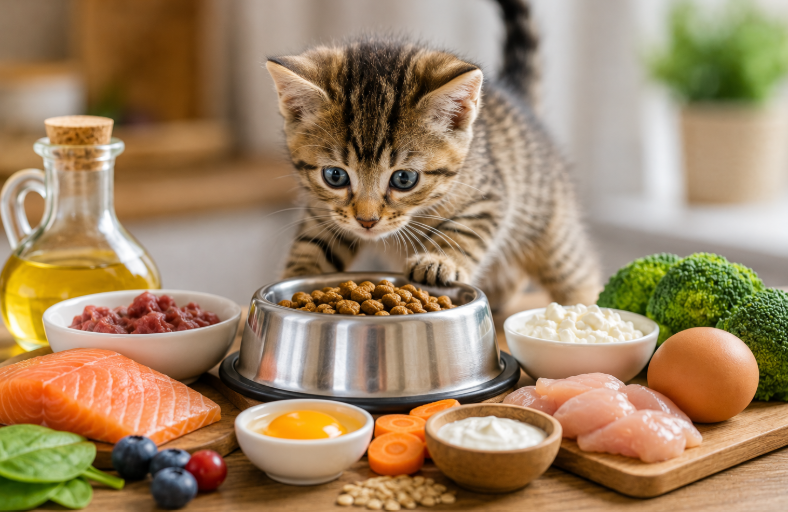
The first year of a kitten’s life represents one of the most important stages for long-term health and development. During this rapid growth period, kittens require balanced nutrition to support muscles, bones, organs, immune function, and brain development. Because young cats grow quickly and burn significant energy, proper feeding becomes essential for helping them develop into healthy adult cats. Understanding the importance of kitten growth nutrients allows owners to make smarter decisions about food quality, feeding routines, and long-term wellness.
Kittens experience tremendous physical changes within only a few months. They transition from nursing to solid foods while developing coordination, strength, and immune protection. Nutritional deficiencies during this stage may affect growth, energy, digestion, and overall health later in life.
Many owners assume all kitten foods provide the same nutritional value. However, ingredient quality, protein levels, hydration, and nutrient balance vary significantly between products. Premium kitten nutrition focuses on supporting complete development rather than simply satisfying hunger.
Importantly, kittens require different nutrient levels than adult cats. Feeding adult formulas too early may prevent kittens from receiving the calories, protein, and vitamins needed for healthy growth. Balanced kitten-specific nutrition therefore plays a major role in building strong foundations for lifelong feline wellness.
Why Kittens Have Unique Nutritional Needs
Kittens grow rapidly during the first year of life. Bones lengthen, muscles strengthen, organs mature, and the immune system develops quickly during this period. Consequently, their nutritional needs differ greatly from adult cats.
Kitten growth nutrients must support high energy demands because kittens remain highly active while simultaneously building body tissue.
Young cats also require more calories per pound of body weight compared to adults. Their metabolism operates quickly to support continuous development and frequent movement.
Protein needs remain especially high because amino acids support muscle formation, tissue repair, and healthy organ growth.
Fat additionally provides concentrated energy essential for active kittens. Healthy fats also contribute to brain development and nutrient absorption.
Calcium and phosphorus help strengthen developing bones and teeth as well.
Importantly, kittens have smaller stomachs yet higher calorie needs, meaning nutrient density matters significantly. Foods should provide concentrated nutrition without relying heavily on low-quality fillers.
Hydration additionally supports digestion and kidney function during rapid growth stages.
Balanced nutrition during kittenhood often influences lifelong body condition, immunity, and overall health more than many owners realize.
Protein Supports Muscle and Tissue Development
Protein remains one of the most important nutritional components for growing kittens. Since cats are obligate carnivores, their bodies depend heavily on animal-based protein throughout life.
Kitten growth nutrients should include high-quality protein sources because amino acids support muscle development, tissue repair, and healthy organ function.
Animal proteins such as chicken, turkey, fish, and beef generally provide more biologically appropriate nutrition for kittens than excessive plant-based ingredients.
Growing kittens use protein continuously as they build muscle mass and strengthen body structures during rapid development.
Protein additionally supports healthy skin, fur, claws, and immune responses.
Digestibility matters greatly too. High-quality proteins usually absorb more efficiently, helping kittens use nutrients effectively without unnecessary digestive stress.
Taurine deserves special attention as well. This essential amino acid supports heart health, vision, and neurological development in cats.
Importantly, kittens cannot produce certain amino acids independently, making balanced dietary intake critical for healthy development.
Low-quality protein or inadequate intake may negatively affect growth, energy, and overall body condition during these important early months.
Healthy Fats Provide Energy and Brain Support
Fat often receives negative attention in human nutrition discussions, yet healthy fats remain extremely important for kittens. Growing cats require concentrated energy sources to support their active lifestyles and rapid development.
Kitten growth nutrients typically include higher fat levels because kittens burn calories quickly through constant movement and growth.
Healthy fats additionally support brain and nervous system development during early life stages.
Omega-3 and omega-6 fatty acids contribute to healthy skin, coat quality, immune support, and cognitive function.
DHA, commonly found in fish oils, plays an especially valuable role in supporting brain and eye development in young kittens.
Fat also improves food palatability. Many kittens find properly balanced fatty foods more appealing and easier to consume consistently.
Importantly, fat supports absorption of fat-soluble vitamins including vitamins A, D, E, and K.
Balanced fat intake helps kittens maintain healthy energy levels without becoming underweight or nutritionally deficient during periods of rapid growth.
Calcium and Phosphorus Strengthen Bones
Bone development occurs rapidly during kittenhood. Consequently, mineral balance becomes essential for supporting healthy skeletal growth and strong teeth.
Kitten growth nutrients must include appropriate calcium and phosphorus levels because these minerals work together to support bone formation and structural strength.
Growing bones require steady mineral availability during developmental stages. Deficiencies or imbalances may affect bone density, posture, or long-term joint health.
Commercial kitten foods typically maintain carefully balanced calcium-to-phosphorus ratios specifically designed for growth support.
Importantly, excessive supplementation may become harmful rather than beneficial. Overloading calcium without veterinary guidance sometimes disrupts healthy development.
Strong teeth additionally depend on proper mineral intake during early life. Dental health foundations often begin developing during kittenhood.
Balanced mineral nutrition supports mobility, coordination, and healthy body structure throughout growth stages.
Hydration Supports Overall Development
Hydration plays a major role in digestion, nutrient transport, temperature regulation, and organ function. Yet many kittens naturally consume limited water independently.
Kitten growth nutrients often work best when combined with moisture-rich feeding habits that support healthy hydration.
Wet food provides valuable moisture while additionally helping kittens transition from nursing to solid foods more comfortably.
Adequate hydration supports kidney function and urinary health as well. Cats naturally evolved obtaining much of their moisture from prey, making wet food especially beneficial for many kittens.
Fresh clean water should remain easily accessible at all times.
Some kittens additionally drink more comfortably from shallow bowls or pet fountains because moving water attracts curiosity.
Importantly, dehydration may affect energy levels, digestion, and overall wellness more quickly in young animals than many owners expect.
Vitamins Support Immune Function and Growth
Vitamins support countless biological functions during kitten development. Balanced intake helps strengthen immunity, metabolism, vision, skin health, and tissue repair.
Kitten growth nutrients include carefully balanced vitamins because growing cats require strong nutritional support during immune system development.
Vitamin A supports vision, immune function, and skin health. Cats cannot convert plant beta-carotene efficiently, making animal-based sources especially important.
B vitamins assist metabolism and energy production while supporting nervous system health.
Vitamin D helps regulate calcium balance and supports bone development.
Vitamin E acts as an antioxidant helping protect cells from damage during growth.
Importantly, vitamin balance matters more than excessive supplementation. Oversupplying certain vitamins may create health complications instead of added benefits.
Commercial kitten foods formulated for growth stages generally provide safer nutritional balance than homemade diets lacking veterinary guidance.
Immune System Development Starts Early
Kittens begin life with temporary immune protection from their mother’s milk. However, this protection gradually decreases, making nutritional support increasingly important during early development.
Kitten growth nutrients contribute heavily to building strong immune defenses as kittens become more independent.
Protein, healthy fats, antioxidants, and vitamins all support immune function during vulnerable growth stages.
Stress management additionally affects immunity. Proper nutrition combined with stable environments helps kittens adapt more comfortably to new homes and changing routines.
Hydration and digestive health also influence immune strength because much of the immune system connects closely with gut function.
Routine veterinary care remains equally important. Vaccinations and parasite prevention help protect developing immune systems effectively.
Importantly, nutritional deficiencies during kittenhood may weaken immune responses and increase vulnerability to illness.
Digestive Health Shapes Nutrient Absorption
Healthy digestion allows kittens to absorb nutrients effectively while maintaining energy and growth. Since digestive systems remain relatively sensitive during early life, food quality becomes especially important.
Kitten growth nutrients should come from digestible formulas that support gut health without causing unnecessary stomach irritation.
Sudden food changes often trigger diarrhea, vomiting, or appetite problems in kittens. Gradual transitions therefore help protect digestive stability.
Fiber balance also matters. Moderate fiber supports healthy bowel movements without interfering excessively with nutrient absorption.
Probiotics sometimes appear in kitten foods as well. These beneficial bacteria may support gut balance and digestive comfort.
Importantly, persistent digestive problems always deserve veterinary attention because parasites, infections, or food intolerance may affect growth significantly.
Healthy digestion supports stronger immunity, better energy, and improved nutrient utilization during critical development periods.
Feeding Frequency Matters for Kittens
Kittens require frequent meals because they burn energy quickly and possess smaller stomach capacity than adult cats.
Kitten growth nutrients work most effectively when feeding schedules support steady calorie intake throughout the day.
Young kittens generally need multiple small meals daily instead of one or two large portions.
Consistent feeding routines help stabilize energy levels while supporting digestion and appetite regulation.
Portion sizes should additionally adjust gradually as kittens grow. Veterinary guidance and product feeding recommendations help determine appropriate calorie intake.
Importantly, underfeeding may slow development while excessive overfeeding sometimes contributes to unhealthy weight gain.
Monitoring body condition, energy levels, and growth patterns helps owners evaluate whether nutritional intake remains balanced properly.
Wet Food and Dry Food Both Offer Benefits
Many kitten owners wonder whether wet food or dry food provides better nutrition. Both feeding styles offer advantages depending on lifestyle, hydration needs, and individual preferences.
Kitten growth nutrients may come from either format when foods meet balanced nutritional standards for growth stages.
Wet food supports hydration effectively and often provides higher protein content with fewer carbohydrates.
Dry food offers convenience, easier storage, and crunch texture that some owners associate with dental benefits.
Many owners successfully combine both feeding methods to provide variety and balanced nutrition.
Importantly, food quality matters more than feeding style alone. High-quality kitten formulas generally provide better nutritional balance regardless of format.
Hydration support should remain a major consideration because many cats naturally drink limited water independently.
The Importance of Veterinary Guidance
Every kitten develops differently depending on breed, genetics, health status, and environmental factors. Consequently, professional veterinary guidance remains extremely valuable during growth stages.
Kitten growth nutrients should ideally support individual developmental needs rather than relying solely on marketing claims.
Veterinarians monitor weight gain, hydration, digestion, dental development, and overall growth during wellness exams.
Parasite prevention also supports healthier nutrient absorption and immune function.
Certain kittens may require specialized nutritional approaches due to allergies, digestive sensitivity, or medical conditions.
Importantly, homemade diets should never replace balanced commercial kitten foods without veterinary nutrition guidance because deficiencies may develop quickly in growing animals.
Routine veterinary care helps identify nutritional problems early before they affect long-term development significantly.
Creating Healthy Lifelong Feeding Habits
Early feeding experiences strongly influence future eating behavior and overall health patterns. Consistency during kittenhood often shapes adult habits successfully.
Kitten growth nutrients support more than physical development alone. Feeding routines additionally help build emotional security and positive relationships with food.
Scheduled meals encourage structure while helping owners monitor appetite changes more accurately.
Healthy treat habits should also begin early. Excessive treats during kittenhood may contribute to obesity later in life.
Positive feeding environments matter too. Quiet calm spaces often help kittens eat more comfortably and consistently.
Importantly, balanced nutrition during early life frequently supports healthier adulthood through stronger immunity, improved body condition, and better long-term wellness.
Conclusion
Providing proper kitten growth nutrients during the first year of life plays a major role in supporting healthy bones, muscles, organs, immunity, and cognitive development. Growing kittens require balanced protein, healthy fats, hydration, vitamins, minerals, and digestible nutrition to support rapid physical and neurological changes.
High-quality kitten food specifically formulated for growth stages helps provide the nutrient density young cats need for healthy development. Feeding schedules, hydration support, digestive care, and regular veterinary monitoring further strengthen long-term wellness outcomes.
Importantly, balanced nutrition during kittenhood often influences lifelong health far beyond the early months alone. Strong developmental foundations support healthier immune systems, better body condition, and improved quality of life throughout adulthood and senior years.
Most importantly, kitten nutrition should focus on long-term wellness rather than short-term convenience or marketing trends. Careful feeding habits and proactive health support help kittens grow into healthier, stronger, and more resilient adult cats.
FAQ
1. Why Do Kittens Need More Protein Than Adult Cats?
Growing kittens require extra protein to support muscle development, organ growth, and high energy demands.
2. Is Wet Food Good for Kittens?
Yes. Wet food supports hydration while often providing highly digestible nutrients and strong flavor appeal.
3. How Often Should Kittens Eat Each Day?
Most kittens benefit from several small meals daily because they burn energy quickly during growth.
4. Why Is Taurine Important for Young Cats?
Taurine supports heart function, vision, brain development, and overall feline health.
5. Should Owners Give Vitamin Supplements to Kittens?
Balanced kitten foods usually provide complete nutrition, so supplements should only follow veterinary advice.


