
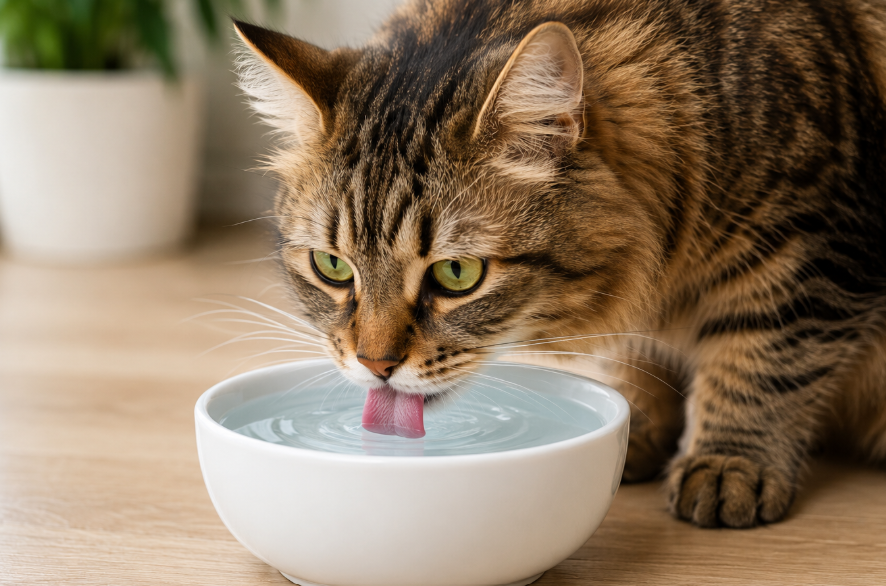
Proper hydration for cats plays a much bigger role in health than many owners realize. While food quality often receives most of the attention, water intake directly affects digestion, energy levels, kidney function, and overall wellness. Cats naturally consume less water than many other animals, which means even mild dehydration can gradually affect their health over time.
Many domestic cats inherited low-thirst instincts from desert-dwelling ancestors. Because of this, they often rely heavily on moisture from food rather than drinking large amounts of water separately. Unfortunately, modern indoor lifestyles and dry food diets sometimes leave cats consuming less moisture than they truly need.
Hydration influences nearly every system in a cat’s body. Healthy water intake supports circulation, nutrient absorption, body temperature regulation, and waste removal. In addition, proper moisture levels help maintain healthier skin, smoother digestion, and stronger urinary tract function.
Fortunately, improving hydration habits usually involves simple daily changes rather than complicated treatments. Wet food, fresh water stations, and better feeding routines can all encourage healthier moisture intake naturally. Understanding how hydration affects feline health helps owners make smarter nutritional choices that support long-term wellness.
Why Cats Naturally Drink Less Water
Cats evolved from desert animals that survived in dry environments where standing water was not always available. Instead of relying heavily on drinking water, wild cats received much of their moisture from prey animals.
Because of this evolutionary background, many domestic cats still have lower natural thirst drives than dogs or humans. They may not actively seek water even when their bodies could benefit from additional hydration. This behavior often surprises owners who expect pets to drink frequently throughout the day.
Dry food diets may increase the problem further. Kibble contains far less moisture than natural prey or wet food. As a result, cats eating mostly dry diets often need to drink significantly more water to maintain proper hydration levels.
Unfortunately, many cats simply do not compensate enough through drinking alone. Mild dehydration can develop gradually without obvious warning signs. Over time, insufficient moisture intake may contribute to urinary problems, kidney strain, and digestive issues.
Indoor living may also influence hydration habits. Some cats become less active indoors, which sometimes reduces natural thirst stimulation throughout the day.
Understanding these instincts helps explain why hydration for cats requires more intentional support than many owners initially assume.
How Hydration Supports Kidney Health
Kidneys play a critical role in filtering waste and maintaining fluid balance inside the body. Because cats naturally produce concentrated urine, proper hydration becomes extremely important for long-term kidney function.
When cats consume adequate moisture, the kidneys process waste more efficiently. Healthy hydration helps dilute urine while supporting smoother toxin removal from the body. In contrast, chronic dehydration may place additional strain on kidney tissue over time.
Kidney disease remains one of the most common health concerns in older cats. Although aging and genetics contribute to this condition, hydration habits may also influence overall kidney health throughout life.
Cats with low water intake sometimes produce highly concentrated urine, which may increase urinary tract irritation or crystal formation. In severe cases, urinary blockages can become life-threatening, especially for male cats.
Wet food often provides important kidney support because it naturally increases moisture consumption without forcing cats to drink more separately. In many cases, veterinarians recommend moisture-rich diets for cats experiencing kidney or urinary concerns.
Fresh water availability matters as well. Clean bowls, pet fountains, and multiple water stations may encourage healthier drinking habits throughout the day.
Maintaining proper hydration for cats helps reduce unnecessary strain on the kidneys while supporting healthier urinary function long term.
The Connection Between Hydration and Digestion
Water plays a major role in healthy digestion. Without adequate moisture, digestion may slow down and become less efficient. Cats that consume insufficient fluids sometimes experience constipation, poor stool quality, or reduced appetite.
Moisture helps food move smoothly through the digestive tract. It also supports nutrient absorption and healthy bowel function. Cats receiving balanced hydration often experience more regular digestion and improved comfort after meals.
Wet food may improve digestive health because it combines hydration and nutrition together. Since canned food contains substantial moisture, cats naturally increase fluid intake while eating.
Constipation commonly affects cats with low moisture intake, especially older indoor cats that exercise less frequently. Hard stools may create discomfort and lead to litter box problems over time.
Digestive hydration becomes even more important during illness. Vomiting, diarrhea, or reduced appetite can quickly lower fluid levels and worsen digestive stress further.
Adding water to wet food sometimes helps increase moisture intake naturally for cats needing extra support. However, changes should remain gradual so cats continue accepting meals comfortably.
Supporting hydration for cats improves digestive efficiency while helping reduce discomfort linked to low moisture intake.
How Wet Food Improves Daily Hydration
Wet food remains one of the easiest ways to improve feline moisture intake naturally. Since canned food contains high water content, cats receive hydration while eating rather than relying entirely on drinking separately.
Many cats prefer wet food because of its aroma and texture. Stronger scent often increases appetite, especially in picky eaters or older cats experiencing reduced smell sensitivity.
Moisture-rich meals also help cats feel fuller without consuming excessive calories. This benefit may support healthier weight management while improving hydration at the same time.
Cats eating mostly dry food often require significantly more water consumption to compensate for reduced dietary moisture. However, many cats simply do not drink enough independently. Including wet food helps close that hydration gap more effectively.
Mixed feeding routines may work well for many households. Combining wet and dry food allows owners to balance convenience, hydration support, and nutritional variety.
Some cats transition slowly to wet food if they have eaten dry kibble exclusively for years. Gradual introduction often improves acceptance without creating digestive upset.
Using wet food strategically strengthens hydration for cats while supporting kidney health, digestion, and overall comfort.
Signs Your Cat May Be Dehydrated
Cats often hide physical discomfort very effectively. Because of this, dehydration symptoms may appear subtle at first. Owners should learn to recognize early warning signs before serious health problems develop.
Low energy commonly appears during dehydration. Cats may sleep more, move less, or appear unusually tired throughout the day. Appetite reduction sometimes occurs as well because dehydration can affect digestion and overall comfort.
Dry gums may indicate insufficient moisture intake. Healthy gums usually feel smooth and moist rather than sticky or dry.
Changes in litter box habits may also provide clues. Smaller urine clumps or reduced urination sometimes suggest lower fluid intake. Darker or strongly concentrated urine may indicate dehydration too.
Skin elasticity occasionally helps assess hydration levels. Gently lifting skin between the shoulders should allow it to return quickly to normal position. Delayed movement may signal dehydration, although this method works less reliably in older cats.
Constipation, vomiting, or panting may also accompany low hydration in some cases.
Severe dehydration requires veterinary attention quickly because it may lead to dangerous complications if left untreated.
Monitoring hydration for cats carefully helps owners identify subtle changes before they become serious health concerns.
Encouraging Cats to Drink More Water
Many cat owners struggle to increase their pet’s water intake. Fortunately, several simple adjustments may encourage healthier drinking habits naturally.
Freshness matters greatly. Cats often avoid stale or dirty water, so bowls should remain clean and refilled regularly. Some cats become sensitive to odors or debris in standing water.
Location also influences drinking behavior. Water bowls placed near litter boxes or noisy appliances may discourage use. Quiet and accessible locations usually work better.
Many cats prefer running water over still water. Pet fountains often increase interest because moving water feels fresher and more natural. In addition, fountains help maintain oxygen circulation and cooler temperatures.
Bowl design may affect comfort too. Wide, shallow bowls help prevent whisker irritation that some cats experience with narrow containers.
Multiple water stations throughout the home may encourage additional drinking. Cats often drink more when water remains easy to access from several locations.
Flavor additions occasionally help as well. Small amounts of low-sodium broth mixed into water may attract reluctant drinkers. However, ingredients should always remain cat-safe without onions or garlic.
Improving hydration for cats often requires experimentation because individual preferences vary widely between pets.
Hydration and Weight Management
Water intake also affects appetite regulation and weight control. Proper hydration helps cats feel fuller and supports healthier digestion during feeding routines.
Wet food often benefits overweight cats because it contains fewer calories per volume compared to dry kibble. Cats may feel satisfied while consuming fewer calories overall.
Hydration supports metabolism too. Well-hydrated bodies process nutrients and waste more efficiently than dehydrated ones. In addition, healthy moisture intake may reduce constipation that occasionally develops during weight loss programs.
Cats that confuse boredom with hunger may sometimes seek food when they actually need hydration or stimulation instead. Encouraging water intake and interactive play may help reduce unnecessary snacking.
Digestive comfort improves with hydration as well. Cats experiencing constipation or poor digestion sometimes become less active, which may contribute to unhealthy weight gain over time.
Weight management programs often succeed more effectively when owners prioritize both balanced nutrition and hydration together rather than focusing on calories alone.
Supporting hydration for cats contributes to healthier appetite control, digestion, and overall body condition long term.
Special Hydration Needs During Illness or Aging
Certain life stages and health conditions increase hydration needs significantly. Older cats, sick cats, and recovering pets often require additional moisture support to maintain comfort and stability.
Senior cats commonly experience reduced kidney efficiency as they age. Because of this, hydration becomes increasingly important later in life. Many veterinarians recommend moisture-rich diets for older cats to support urinary and kidney health.
Illness may also increase fluid loss rapidly. Vomiting, diarrhea, fever, or reduced appetite can quickly lower hydration levels and weaken the body further.
Cats recovering from surgery or infection sometimes require extra hydration support to improve healing and maintain energy. Wet food usually becomes especially valuable during recovery periods because it combines nutrition and moisture together.
Pregnant and nursing cats also need increased fluid intake because milk production and fetal development place additional demands on the body.
Owners should monitor aging or sick cats closely for dehydration signs because older pets sometimes drink even less water naturally.
Providing consistent hydration for cats during vulnerable periods helps support recovery, organ function, and overall comfort.
Creating Healthy Long-Term Hydration Habits
Strong hydration habits develop through consistent daily routines rather than temporary fixes. Owners who support moisture intake regularly often help prevent future urinary and kidney issues more effectively.
Balanced diets containing wet food provide one of the strongest foundations for long-term hydration support. Even partial wet food inclusion may improve overall moisture intake substantially.
Routine cleaning of bowls and fountains encourages better drinking consistency too. Cats generally prefer fresh, odor-free water.
Observation remains important as well. Changes in drinking habits, urination, or appetite may reveal developing health concerns early.
Environmental comfort also matters. Stress sometimes reduces eating and drinking behavior, especially in multi-cat households or noisy environments.
Regular veterinary checkups allow owners to monitor kidney health and hydration status before serious complications develop.
Building strong hydration for cats habits creates long-term wellness benefits that support digestion, energy, urinary health, and quality of life throughout adulthood and aging.
Conclusion
Water plays a critical role in nearly every aspect of feline health. From kidney function and digestion to energy levels and urinary health, proper hydration supports essential body systems that cats rely on every day.
Because cats naturally drink less water than many other animals, owners must often encourage moisture intake intentionally. Wet food, fresh water stations, fountains, and balanced feeding routines all help improve hydration naturally.
Fortunately, small daily changes often create meaningful long-term benefits. Better hydration may support healthier digestion, smoother urinary function, stronger energy levels, and improved comfort throughout life.
Understanding the importance of hydration for cats allows owners to make smarter nutritional choices that protect long-term health and wellness. With consistent support and attention, cats can maintain healthier moisture balance that benefits both physical comfort and overall quality of life.
FAQ
1. Why do cats naturally drink less water?
Cats evolved from desert animals and often rely heavily on moisture from food instead of drinking frequently.
2. Is wet food better for hydration?
Yes, wet food contains high moisture levels that help support healthy fluid intake naturally.
3. How can I encourage my cat to drink more water?
Fresh water, fountains, multiple bowls, and quiet drinking areas often improve water intake.
4. What are signs of dehydration in cats?
Low energy, dry gums, constipation, and reduced urination may indicate dehydration.
5. Do older cats need more hydration support?
Yes, senior cats often benefit from additional moisture because aging kidneys require greater hydration support.


