
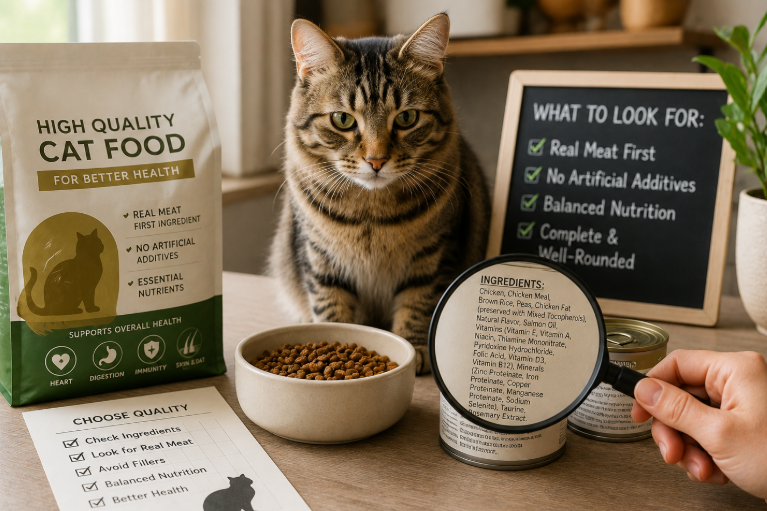
Selecting high quality cat food is one of the most effective ways to support your cat’s health throughout every stage of life. Nutrition affects nearly every aspect of feline wellness, from energy levels and digestion to coat condition and immune function. While pet store shelves are filled with countless options, not all cat foods provide the same level of nutritional value. Therefore, understanding what separates a premium product from a lower-quality alternative can help you make better decisions for your feline companion.
Cats have unique dietary requirements because they are obligate carnivores. Unlike many other animals, they rely heavily on nutrients found in animal-based proteins. As a result, choosing food that prioritizes quality protein sources is essential. However, ingredient quality is only one part of the equation. Manufacturing standards, nutritional balance, and ingredient transparency also play important roles in determining overall food quality.
Many cat owners feel overwhelmed when comparing labels. Marketing claims often make products sound healthier than they really are. Fortunately, learning a few key principles can simplify the process. Once you understand how to evaluate ingredients and nutritional information, selecting the right food becomes much easier.
A healthy diet lays the foundation for a long and active life. Therefore, investing time in understanding feline nutrition can provide benefits that extend far beyond mealtime.
Understanding What Cats Need Nutritionally
Before evaluating products, it helps to understand the basic nutritional requirements of cats. Since felines evolved as hunters, their bodies are designed to process animal-based nutrients efficiently. Protein should form the foundation of their diet because it supplies essential amino acids needed for growth, maintenance, and repair.
When searching for high quality cat food, look for formulas that feature named animal proteins such as chicken, turkey, salmon, beef, or lamb. These ingredients should ideally appear near the beginning of the ingredient list. High-quality protein helps maintain lean muscle mass and supports healthy body function.
Fat is another important nutrient. Healthy fats provide energy and contribute to skin and coat health. Additionally, certain fatty acids support brain function and help reduce inflammation. A balanced cat food includes appropriate fat levels without excessive amounts that may contribute to weight gain.
Vitamins and minerals are equally important. Cats require nutrients such as taurine, vitamin A, calcium, and phosphorus. Taurine deserves special attention because cats cannot produce enough of it naturally. Consequently, it must be supplied through food.
Water also plays a vital role in feline health. Although dry food can provide balanced nutrition, many cats naturally have low thirst drives. Therefore, incorporating wet food may help increase moisture intake and support urinary tract health.
Understanding these nutritional needs provides a strong foundation for evaluating food quality more effectively.
Reading Ingredient Labels With Confidence
Ingredient lists often appear complicated, yet they reveal valuable information about product quality. The ingredients are listed by weight before processing, which means the first few ingredients deserve the closest attention.
A major characteristic of high quality cat food is the presence of clearly identified protein sources. Ingredients such as chicken, turkey meal, salmon, or beef indicate transparency. In contrast, vague terms like meat by-products or animal derivatives provide less information about ingredient origin.
Protein quality matters as much as protein quantity. Therefore, avoid focusing solely on the guaranteed analysis panel. Instead, examine where that protein comes from. Animal-based sources generally provide more biologically appropriate nutrition than plant-based protein substitutes.
Carbohydrates should also be evaluated carefully. Cats can digest certain carbohydrates, but they do not require large amounts. Foods overloaded with fillers such as corn, wheat, or soy may contain fewer animal-based ingredients.
Furthermore, ingredient lists that contain numerous artificial colors, flavors, or preservatives deserve additional scrutiny. Simpler ingredient lists often indicate a more straightforward formulation focused on nutrition rather than marketing appeal.
Learning to read labels effectively empowers you to compare products objectively and make choices based on facts rather than packaging claims.
Why Protein Quality Matters More Than Quantity
Many food packages advertise high protein percentages. While protein levels are important, the source of that protein is even more significant. Cats thrive when protein comes primarily from animal tissues rather than plant ingredients.
When evaluating high quality cat food, examine the ingredient list to determine whether animal proteins dominate the formula. Ingredients such as chicken meal or salmon meal can be excellent sources of concentrated protein. Despite the word “meal,” these ingredients often contain valuable nutrients because moisture has been removed.
Plant proteins sometimes inflate total protein percentages without providing the same biological value. Pea protein, potato protein, and similar ingredients contribute to analysis numbers but may not offer the same amino acid profile as animal-based proteins.
Cats require specific amino acids that naturally occur in meat. Therefore, a food rich in animal protein better supports muscle maintenance, energy production, and overall health. This distinction becomes particularly important for growing kittens, active adults, and aging cats.
Quality protein also contributes to satiety. Cats often feel satisfied longer after consuming protein-rich meals, which may help support healthy weight management. Consequently, protein quality influences both nutrition and feeding behavior.
Evaluating Wet Food and Dry Food Options
Many cat owners wonder whether wet or dry food is better. The truth is that both options can be beneficial when chosen carefully. The best choice often depends on your cat’s individual needs and preferences.
A well-formulated high quality cat food can exist in either wet or dry form. Wet food offers higher moisture content, which supports hydration and urinary health. This advantage is especially valuable because many cats naturally consume less water than they need.
Dry food provides convenience, longer shelf life, and often lower cost per serving. Additionally, it is easier to store and measure. However, dry food contains less moisture, so owners should encourage adequate water consumption.
Many veterinarians recommend a combination approach. Feeding both wet and dry food allows cats to benefit from the strengths of each option. Furthermore, variety may increase mealtime enjoyment and reduce dietary boredom.
When comparing wet and dry foods, focus primarily on ingredient quality rather than format alone. A premium dry food may provide better nutrition than a poorly formulated wet food, and vice versa.
Ultimately, the best feeding strategy is one that delivers balanced nutrition while meeting your cat’s individual needs.
Recognizing Marketing Claims and Misleading Labels
Pet food packaging often includes impressive-sounding phrases designed to attract consumers. While some claims are meaningful, others may have limited relevance to actual nutritional quality.
As you search for high quality cat food, remember that front-of-package marketing should never replace careful label reading. Terms such as natural, premium, holistic, or gourmet are not always regulated in ways that guarantee superior nutrition.
Instead of relying on marketing language, evaluate ingredient quality, nutritional adequacy, and manufacturer transparency. These factors provide a more reliable indication of overall value.
Grain-free formulas deserve special consideration. While some cats benefit from grain-free diets, grains themselves are not automatically harmful. In many cases, the overall ingredient quality matters more than the presence or absence of grains.
Similarly, expensive products are not always better. Price can reflect branding, packaging, or marketing costs rather than nutritional superiority. Therefore, focus on evidence-based evaluation rather than assumptions.
Consumers who understand marketing tactics are better equipped to identify products that truly support feline health.
The Importance of Life Stage Nutrition
Cats experience changing nutritional needs throughout their lives. Therefore, choosing food that matches your cat’s age is an important part of maintaining optimal health.
A growing kitten requires more calories, protein, and certain nutrients than an adult cat. Consequently, kitten formulas are designed to support rapid development and growth. Feeding adult food too early may result in nutritional gaps.
Adult cats benefit from balanced maintenance diets that support energy, muscle health, and weight management. Meanwhile, senior cats often require adjustments to accommodate changing activity levels and health conditions.
When selecting high quality cat food, ensure the product is formulated for your cat’s specific life stage. Nutritional adequacy statements provide helpful information regarding intended use.
Special health conditions may require additional considerations. Cats with kidney disease, food sensitivities, diabetes, or obesity often benefit from veterinary guidance when selecting food. Tailored nutrition can significantly improve quality of life in these situations.
Matching food to life stage ensures your cat receives appropriate nutrients throughout every phase of life.
How Manufacturer Transparency Builds Trust
Quality ingredients matter, but manufacturing practices are equally important. Even the best ingredients can lose value if production standards are poor.
Many producers of high quality cat food provide detailed information about ingredient sourcing, quality control procedures, and nutritional testing. Transparency demonstrates a commitment to product integrity and consumer confidence.
Researching a company’s reputation can reveal useful insights. Brands that invest in veterinary nutrition expertise and scientific research often produce more reliable products. Additionally, companies that conduct feeding trials may offer stronger evidence of nutritional effectiveness.
Customer service responsiveness is another positive sign. Reputable manufacturers typically answer questions about sourcing, ingredients, and nutritional standards openly.
Recalls can occur in any industry, but a company’s response to quality concerns often reveals its priorities. Organizations that communicate clearly and address issues promptly tend to inspire greater trust.
By considering both product quality and manufacturer practices, you gain a more complete picture of overall value.
Making the Best Choice for Your Cat
Selecting the right food requires balancing nutritional quality, practicality, budget, and your cat’s preferences. Fortunately, you do not need to find a perfect product immediately. Gradual improvements often produce meaningful benefits over time.
When choosing high quality cat food, start by focusing on animal-based protein sources, balanced nutrition, and transparent ingredient labeling. Then consider factors such as life stage, health conditions, and feeding preferences.
Transitioning to a new food should occur gradually. Sudden dietary changes may upset digestion. Therefore, mix increasing amounts of the new food with the current food over several days or weeks.
Observe your cat carefully during the transition. Healthy energy levels, normal digestion, a shiny coat, and consistent weight often indicate the diet is working well. Conversely, digestive issues or reduced appetite may signal the need for adjustments.
Every cat is unique. What works well for one may not suit another. Patience and observation remain essential parts of finding the right nutritional fit.
Conclusion
Choosing high quality cat food is one of the most important decisions you can make for your cat’s long-term health. Quality nutrition supports strong muscles, healthy digestion, proper weight management, and overall well-being. Although the variety of available products may seem overwhelming, understanding ingredient quality, protein sources, life stage requirements, and manufacturer transparency makes the selection process much easier.
Rather than relying on marketing claims, focus on what truly matters: balanced nutrition, clearly identified animal proteins, and trustworthy production standards. With careful evaluation and thoughtful choices, you can provide your cat with a diet that supports a healthy and active life. Investing in better nutrition today can lead to years of improved wellness, comfort, and happiness for your feline companion.
FAQ
1. What should be the first ingredient in a cat food?
A named animal protein such as chicken, turkey, salmon, or beef should ideally appear first on the ingredient list.
2. Is wet food healthier than dry food?
Both can be nutritious. Wet food provides more moisture, while dry food offers convenience and easy storage.
3. How can I tell if a food contains quality protein?
Look for clearly identified animal protein sources rather than vague meat ingredients or excessive plant proteins.
4. Should I choose grain-free formulas for my cat?
Not necessarily. The overall quality of ingredients matters more than whether a food contains grains.
5. How often should I review my cat’s diet?
Review your cat’s nutrition regularly, especially during life stage changes, health concerns, or noticeable weight fluctuations.


