
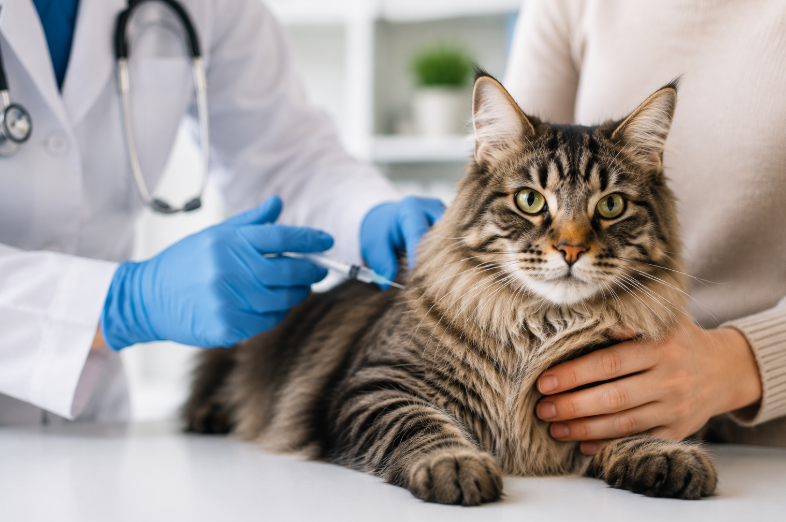
Protecting a cat’s health involves more than providing quality food, regular exercise, and a comfortable home. Preventive care is equally important, and essential cat vaccines are among the most effective tools available for safeguarding long-term wellness. Vaccinations help prepare a cat’s immune system to recognize and fight potentially dangerous diseases before serious illness develops. As a result, they remain a cornerstone of responsible feline healthcare.
Many diseases that once caused widespread illness and death in cats can now be prevented through routine vaccination. While indoor cats may appear less vulnerable than outdoor pets, they are not completely protected from infectious diseases. Viruses and bacteria can enter homes through people, other animals, and contaminated objects. Therefore, vaccination remains important regardless of a cat’s lifestyle.
Understanding which vaccines matter and why they are recommended helps owners make informed healthcare decisions. Although vaccination schedules may vary based on age, health status, and risk factors, certain immunizations are widely recognized as essential for most cats.
Preventive care often costs less than treating serious illness. More importantly, it helps cats enjoy healthier and more comfortable lives. By understanding the role of vaccines, owners can take proactive steps to protect their pets for years to come.
Why Vaccination Matters for Feline Health
The primary purpose of essential cat vaccines is to stimulate the immune system without causing the disease itself. This process teaches the body to recognize harmful organisms and respond quickly if exposure occurs later.
Vaccines work by introducing harmless forms or components of infectious agents. The immune system then develops protective responses that can reduce disease severity or prevent infection altogether. Consequently, vaccinated cats often have a much better chance of avoiding serious illness.
Prevention is particularly important because some feline diseases can spread rapidly and have devastating consequences. Certain infections affect the respiratory system, while others damage internal organs or weaken the immune system. In severe cases, these diseases may become life-threatening.
Vaccination also contributes to broader community protection. When more cats are immunized, disease transmission decreases. Therefore, vaccination benefits both individual pets and the wider feline population.
Another advantage is reduced veterinary expenses associated with preventable illnesses. Treating infectious diseases often requires extensive medical care, hospitalization, and long recovery periods. Preventive vaccination can help avoid many of these challenges.
Understanding these benefits highlights why veterinarians consistently emphasize vaccination as part of a comprehensive healthcare plan.
Core Vaccines Recommended for Most Cats
Veterinary organizations classify certain immunizations as core vaccines because they provide protection against widespread and serious diseases. These vaccines are generally recommended for nearly all cats regardless of lifestyle.
Among the most important essential cat vaccines are those protecting against feline panleukopenia, feline herpesvirus, and feline calicivirus. These diseases often appear together in combination vaccines commonly known as FVRCP vaccines.
Feline panleukopenia is a highly contagious viral disease that can cause severe gastrointestinal symptoms and immune system suppression. Young kittens are particularly vulnerable, and mortality rates can be high in unprotected animals.
Feline herpesvirus and feline calicivirus contribute to upper respiratory infections. Symptoms often include sneezing, eye discharge, nasal congestion, and fever. Although many cats recover, complications can occur, especially in kittens and immunocompromised individuals.
Rabies vaccination is another core recommendation in many regions. Rabies affects the nervous system and is nearly always fatal once symptoms appear. Additionally, it poses a significant public health concern because it can infect humans and other animals.
These vaccines provide critical protection against diseases that remain important threats despite advances in veterinary medicine.
Understanding the FVRCP Vaccine
The FVRCP vaccine represents one of the most commonly administered essential cat vaccines. It combines protection against multiple infectious diseases into a single injection, making preventive care more convenient and efficient.
The “F” refers to feline viral rhinotracheitis, which is caused by feline herpesvirus. The “C” stands for calicivirus, while the “P” represents panleukopenia. Together, these diseases account for many serious infections seen in cats worldwide.
Kittens typically begin receiving FVRCP vaccinations at a young age. Because maternal antibodies gradually decline after birth, multiple doses are usually necessary to establish reliable protection. Booster vaccinations help strengthen immunity during this critical developmental period.
Adult cats continue receiving boosters based on veterinary recommendations and individual risk factors. Maintaining immunity over time is important because protection may decrease without periodic reinforcement.
Although no vaccine provides absolute protection, FVRCP vaccination significantly reduces the likelihood of severe disease. Even when vaccinated cats become exposed, symptoms are often milder and recovery tends to be easier.
This combination vaccine remains a key component of routine feline healthcare because it addresses several important threats simultaneously.
The Importance of Rabies Protection
Rabies is one of the most serious diseases affecting mammals. Consequently, rabies vaccination remains an important part of many feline healthcare programs.
Among all essential cat vaccines, rabies immunization carries unique significance because of its implications for both animal and human health. The virus attacks the nervous system and is almost always fatal after symptoms develop.
Transmission typically occurs through bites from infected animals. Wildlife species such as bats, raccoons, foxes, and skunks often serve as carriers in various regions. Even indoor cats may encounter exposure risks if infected animals enter homes or enclosed areas.
Many local governments require rabies vaccination by law. Compliance helps protect public health while ensuring pets remain legally protected.
Vaccination schedules vary depending on the specific product used and regional regulations. Some vaccines require annual boosters, while others provide longer-lasting protection.
Veterinarians can explain local requirements and recommend appropriate schedules. By maintaining rabies protection, owners help safeguard both their pets and their communities.
Lifestyle Factors and Additional Vaccines
While core vaccines apply to most cats, lifestyle influences additional vaccination decisions. Not every cat faces the same risks, so veterinarians often tailor recommendations accordingly.
Certain essential cat vaccines may be supplemented with non-core vaccines when specific exposure risks exist. Outdoor cats, cats living in multi-cat environments, and those frequently interacting with unfamiliar animals often require broader protection.
Feline leukemia virus vaccination is a common example. This virus weakens the immune system and increases susceptibility to other illnesses. Cats that spend time outdoors or have contact with infected cats face greater risk of exposure.
Boarding facilities, shelters, and breeding environments may also increase disease transmission opportunities. Consequently, additional vaccines may provide valuable protection in these settings.
Travel can influence recommendations as well. Different geographic regions sometimes present unique disease risks. Therefore, discussing travel plans with a veterinarian helps ensure appropriate preventive measures.
Individualized recommendations allow healthcare providers to balance protection with each cat’s specific circumstances and needs.
Vaccination Schedules Throughout Life
The timing of essential cat vaccines plays a crucial role in their effectiveness. Immunity develops through carefully planned schedules that begin during kittenhood and continue throughout adulthood.
Kittens usually receive their first vaccinations between six and eight weeks of age. Additional doses follow at regular intervals until approximately sixteen weeks of age. This series helps overcome interference from maternal antibodies and establish reliable immune protection.
After the initial series, booster vaccinations strengthen immunity. The timing of boosters varies depending on vaccine type, individual risk factors, and veterinary guidelines.
Adult cats typically continue receiving vaccines at intervals determined by lifestyle and health status. Some boosters occur annually, while others may be administered less frequently.
Senior cats still benefit from preventive healthcare. Although vaccination needs may change with age, maintaining protection against serious diseases remains important. Veterinarians evaluate overall health when developing vaccination plans for older pets.
Regular wellness visits provide opportunities to review vaccination status and make adjustments as needed. These appointments help ensure ongoing protection throughout every stage of life.
Addressing Common Vaccine Concerns
Many owners have questions about vaccine safety, effectiveness, and necessity. Understanding the facts behind essential cat vaccines can help alleviate concerns and support informed decision-making.
Modern vaccines undergo extensive testing before approval. Regulatory agencies evaluate safety and effectiveness carefully. While mild side effects can occur, serious reactions are uncommon.
Temporary soreness, mild lethargy, or reduced appetite occasionally appear after vaccination. These effects usually resolve quickly without treatment. However, owners should contact their veterinarian if unusual symptoms develop.
Some people wonder whether indoor cats truly need vaccination. Although indoor lifestyles reduce certain risks, complete isolation from infectious agents is difficult to guarantee. Consequently, veterinarians often continue recommending core vaccines even for indoor pets.
Another common concern involves over-vaccination. Veterinary medicine has evolved significantly, and modern guidelines emphasize individualized schedules rather than unnecessary treatments. Veterinarians consider factors such as age, lifestyle, health status, and local disease prevalence when making recommendations.
Open communication with a trusted veterinary professional helps address concerns and ensures vaccination decisions align with each cat’s needs.
Long-Term Benefits Beyond Disease Prevention
The value of essential cat vaccines extends beyond preventing individual infections. Vaccination contributes to overall quality of life by reducing disease-related suffering and supporting long-term wellness.
Healthy cats are generally more active, comfortable, and able to enjoy normal daily activities. Preventing serious illness helps preserve energy levels, mobility, and overall vitality.
Vaccination also reduces emotional stress for owners. Knowing that a cat has protection against major diseases provides reassurance and peace of mind. Additionally, preventive care often simplifies long-term healthcare planning.
Communities benefit as well. Widespread vaccination helps reduce disease outbreaks and limits transmission within feline populations. This collective protection supports healthier environments for pets, shelters, and rescue organizations.
Preventive healthcare works best when combined with proper nutrition, routine veterinary visits, dental care, parasite control, and regular exercise. Together, these measures create a comprehensive approach to feline wellness.
Vaccination remains one of the most effective and accessible preventive tools available to cat owners today.
Conclusion
Understanding the importance of essential cat vaccines is a vital part of responsible pet ownership. Vaccinations protect against serious diseases, support immune system function, and contribute to long-term health. Core vaccines such as FVRCP and rabies provide critical protection for most cats, while additional vaccines may be recommended based on lifestyle and risk factors.
Preventive care is always easier than treating advanced illness. By following veterinary guidance and maintaining appropriate vaccination schedules, owners can significantly reduce the risk of many dangerous infections. Combined with proper nutrition, routine wellness exams, and a safe environment, vaccinations help create the foundation for a longer, healthier, and happier life. Investing in preventive healthcare today can provide lasting benefits throughout every stage of a cat’s life.
FAQ
1. At what age should kittens receive their first vaccinations?
Most kittens begin vaccinations between six and eight weeks of age, followed by additional doses during early development.
2. Do indoor cats still need immunizations?
Yes. Indoor cats can still encounter infectious diseases through people, other animals, and environmental exposure.
3. How often should adult cats receive boosters?
Booster schedules vary based on vaccine type, lifestyle, and veterinary recommendations.
4. Are vaccine side effects common?
Most side effects are mild and temporary, such as slight soreness or reduced activity for a short period.
5. Which diseases are considered the most important to prevent?
Rabies, panleukopenia, feline herpesvirus, and feline calicivirus are among the most significant diseases targeted through routine vaccination.


