
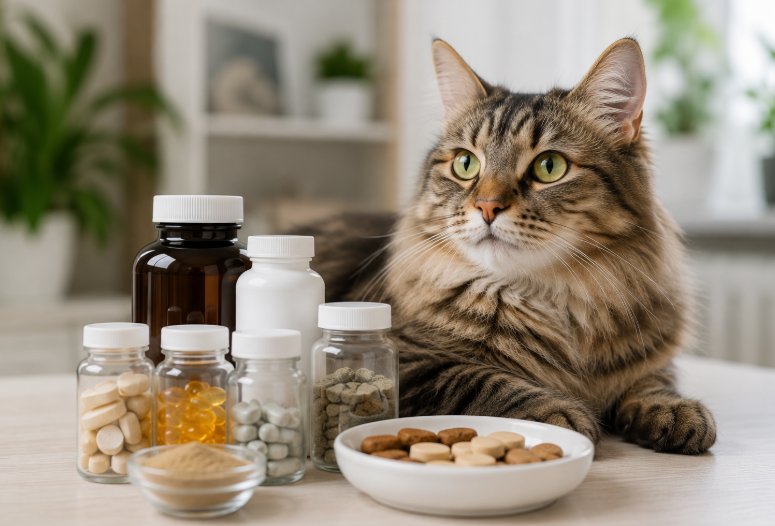
Keeping a cat healthy involves much more than providing food, water, and a comfortable place to sleep. While a balanced diet forms the foundation of good health, many owners look for additional ways to support their pet’s well-being. This growing interest has increased attention on Cat Health Supplements, which are designed to support various aspects of feline wellness, including immunity, digestion, skin health, joint function, and overall vitality. When used appropriately, supplements may help fill nutritional gaps and provide targeted support for specific health concerns.
Cats have unique nutritional requirements that differ significantly from those of dogs and humans. Even when fed high-quality diets, some cats may benefit from additional nutrients due to age, lifestyle, medical conditions, or individual needs. Consequently, many veterinarians recommend carefully selected supplements as part of a comprehensive wellness strategy.
However, not every product delivers the same benefits. The supplement market contains countless options, making it difficult for owners to identify which products truly support feline health. Understanding the science behind Cat Health Supplements can help owners make informed choices and avoid unnecessary or ineffective products.
By learning about the most beneficial supplement categories, cat owners can better support their pets and promote long-term wellness.
Why Supplements Can Support Feline Wellness
A balanced diet should always remain the primary source of nutrition. However, Cat Health Supplements may provide additional support when specific needs arise.
Modern cats experience different lifestyles than their wild ancestors. Many live exclusively indoors, encounter less environmental variety, and may face age-related health challenges. Consequently, some cats benefit from targeted nutritional support.
Supplements often focus on particular areas of health. Certain products support digestive function, while others target skin quality, joint comfort, or immune system performance.
Veterinarians frequently recommend supplements as part of broader treatment or preventive care plans. When combined with proper nutrition and routine veterinary care, supplements may contribute to improved quality of life.
It is important to understand that supplements do not replace balanced diets or medical treatment. Instead, they serve as tools that support specific health goals.
Used appropriately, Cat Health Supplements can become valuable additions to a comprehensive feline wellness routine.
Omega-3 Fatty Acids For Skin And Coat Health
Among the most commonly recommended Cat Health Supplements are omega-3 fatty acids.
These beneficial fats are often derived from fish oil and provide support for multiple body systems. Their anti-inflammatory properties make them particularly useful for skin and coat health.
Cats receiving adequate omega-3 fatty acids may develop shinier coats and healthier skin. Consequently, these supplements are frequently recommended for cats experiencing dryness, flaking, or excessive shedding.
Omega-3s may also support joint comfort and cardiovascular health. Some studies suggest they contribute to healthy immune responses as well.
Because cats cannot efficiently produce certain fatty acids on their own, dietary sources become especially important.
Owners should select products formulated specifically for feline use and follow dosage recommendations carefully.
Omega-3 supplements remain one of the most versatile Cat Health Supplements available today because they support several aspects of wellness simultaneously.
Probiotics For Digestive Health
Digestive health plays a major role in overall wellness. Therefore, probiotics have become increasingly popular Cat Health Supplements.
Probiotics are beneficial microorganisms that help maintain a healthy balance within the digestive tract. These organisms support digestion, nutrient absorption, and gastrointestinal stability.
Cats experiencing digestive disturbances may benefit from probiotic supplementation. Consequently, veterinarians sometimes recommend them during periods of stress, dietary transitions, or antibiotic treatment.
A balanced gut microbiome supports more than digestion alone. Researchers continue exploring connections between digestive health and immune function.
Many probiotic products contain strains specifically selected for feline digestive systems. Choosing cat-specific formulations helps maximize effectiveness.
Although probiotics are not appropriate for every situation, they often provide valuable support when digestive balance becomes disrupted.
As a result, they remain among the most widely used Cat Health Supplements for maintaining gastrointestinal wellness.
Joint Support Supplements For Active And Senior Cats
Joint health becomes increasingly important as cats age. Consequently, joint-focused Cat Health Supplements are frequently recommended for older pets.
Cats naturally hide discomfort, making joint issues difficult to recognize. Reduced jumping, decreased activity, and subtle mobility changes may indicate developing joint problems.
Glucosamine and chondroitin are commonly included in joint support products. These compounds help maintain cartilage structure and support normal joint function.
Many supplements also contain omega-3 fatty acids or other anti-inflammatory ingredients that contribute to comfort and mobility.
Active cats may benefit from joint support as well, particularly those with physically demanding lifestyles.
Early intervention often provides better results than waiting until mobility becomes severely affected. Therefore, veterinarians sometimes recommend preventive joint supplementation for aging cats.
These specialized Cat Health Supplements help support movement, comfort, and independence throughout life.
Immune Support Supplements
A strong immune system helps cats respond effectively to everyday challenges. Therefore, immune-focused Cat Health Supplements continue to attract interest from pet owners.
Certain nutrients play important roles in immune function. Antioxidants, vitamins, minerals, and specific amino acids all contribute to normal immune responses.
Lysine has historically received attention for supporting cats during respiratory health challenges. Although research continues to evolve, many owners remain interested in immune-support products.
Antioxidants help protect cells from oxidative stress. Consequently, they are frequently included in wellness supplements designed to support long-term health.
Immune support becomes especially important during periods of stress, environmental changes, or aging.
While no supplement can prevent every illness, targeted nutritional support may help maintain normal immune function and overall resilience.
Because immunity affects multiple aspects of health, these Cat Health Supplements remain popular among proactive pet owners.
Multivitamins And General Wellness Products
Multivitamins represent another category of Cat Health Supplements designed to provide broad nutritional support.
These products typically contain a combination of vitamins, minerals, amino acids, and other nutrients intended to complement the diet.
Some cats may benefit more than others from multivitamin supplementation. Senior cats, picky eaters, and individuals with special dietary needs occasionally require additional nutritional support.
However, more is not always better. Excessive supplementation can create imbalances when nutrients exceed recommended levels.
For this reason, veterinary guidance becomes important before introducing comprehensive wellness supplements.
When selected appropriately, multivitamins may help support overall health and vitality. Nevertheless, they should complement balanced nutrition rather than replace it.
Careful evaluation ensures that Cat Health Supplements contribute positively without introducing unnecessary nutritional excesses.
Supplements For Heart And Cognitive Health
As veterinary medicine advances, attention increasingly focuses on supporting healthy aging. Consequently, some Cat Health Supplements target cardiovascular and cognitive function.
Taurine deserves special recognition because it is an essential amino acid for cats. Inadequate taurine intake can contribute to serious health problems affecting the heart and eyes.
Most complete commercial diets provide sufficient taurine. However, maintaining appropriate intake remains critically important.
Certain supplements also contain antioxidants and fatty acids designed to support brain function and cognitive wellness.
Senior cats may experience age-related cognitive changes. Nutritional support may help maintain mental sharpness and overall quality of life.
While research continues in this area, interest in healthy aging supplements continues to grow among cat owners.
Supporting both physical and cognitive wellness helps maximize the benefits of Cat Health Supplements throughout the aging process.
Choosing Safe And Effective Supplements
Not all Cat Health Supplements offer equal quality. Therefore, selecting products carefully remains essential.
Owners should prioritize supplements manufactured by reputable companies with strong quality control standards. Independent testing and transparent ingredient sourcing often indicate greater reliability.
Products designed specifically for cats generally provide safer dosing and more appropriate formulations than generic alternatives.
Reading ingredient labels carefully helps identify active components and avoid unnecessary additives.
Veterinary consultation remains one of the most valuable steps in the selection process. Professionals can recommend products that align with individual health needs and existing treatments.
Monitoring results also matters. Improvements in coat quality, digestion, mobility, or energy levels may indicate effectiveness.
By choosing supplements thoughtfully, owners can maximize potential benefits while minimizing risks.
When Supplements May Not Be Necessary
Although Cat Health Supplements offer potential advantages, not every cat requires them.
Healthy cats consuming complete and balanced diets often receive the nutrients they need through food alone. Consequently, supplementation may provide limited additional benefit in some cases.
Unnecessary products can increase costs without producing meaningful results. In certain situations, excessive supplementation may even create nutritional imbalances.
Owners should avoid assuming that every supplement marketed for cats is automatically beneficial.
Instead, supplementation should address specific goals or health concerns whenever possible. This targeted approach typically produces better outcomes than indiscriminate product use.
Veterinary evaluation helps determine whether supplements are appropriate and which options best support individual needs.
Responsible use ensures that Cat Health Supplements contribute positively to feline wellness rather than becoming unnecessary additions.
Conclusion
Cat Health Supplements can play a valuable role in supporting wellness, vitality, and long-term health when selected carefully and used appropriately. Products designed for skin health, digestion, joints, immunity, and healthy aging may provide targeted benefits that complement balanced nutrition.
However, supplements should never replace high-quality diets or professional veterinary care. Their greatest value often comes when they address specific needs identified through observation and veterinary guidance.
The most effective approach combines proper nutrition, preventive healthcare, regular veterinary visits, and carefully selected supplementation when appropriate. By focusing on evidence-based choices rather than marketing claims, cat owners can make informed decisions that support lifelong wellness.
When used responsibly, Cat Health Supplements may help cats maintain comfort, energy, and overall quality of life from kittenhood through the senior years.
FAQ
1. Do all cats need nutritional supplements?
No. Many healthy cats receive adequate nutrition from complete and balanced diets alone.
2. Are fish oil supplements safe for cats?
Fish oil products formulated for cats are commonly used to support skin, coat, and joint health.
3. Can probiotics help digestive problems?
Probiotics may support digestive balance and are often recommended for certain gastrointestinal concerns.
4. What supplements are often recommended for senior cats?
Joint support products, omega-3 fatty acids, and healthy aging supplements are frequently considered for older cats.
5. Should I talk to a veterinarian before using supplements?
Yes. Veterinary guidance helps ensure supplements are safe, appropriate, and beneficial for your cat’s specific needs.


