
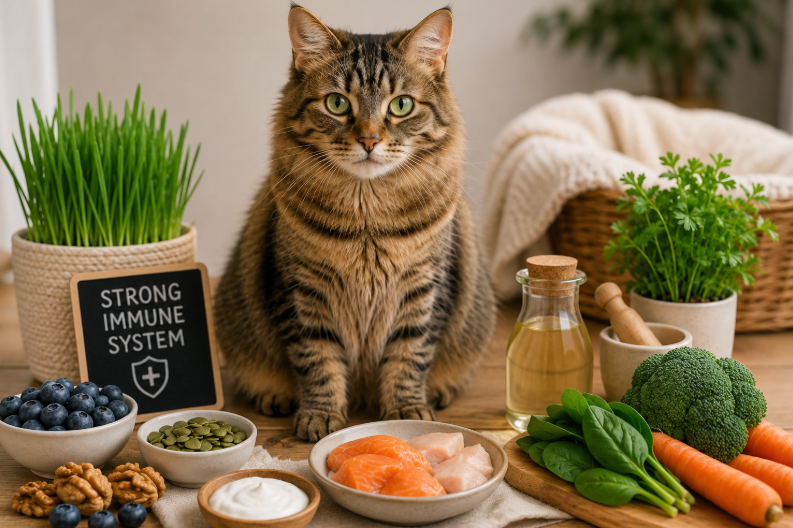
A healthy immune system helps cats fight infections, recover from illness, and maintain overall wellness throughout their lives. Learning how to strengthen cat immune system function naturally is one of the most effective ways to support long-term health. While no single food, supplement, or lifestyle change can guarantee perfect health, a combination of proper nutrition, exercise, hydration, stress management, and preventive care can help create a strong foundation for immune support.
The immune system works continuously to protect the body from harmful bacteria, viruses, parasites, and other threats. When immune function is strong, cats are often better equipped to handle environmental challenges and recover more effectively from minor illnesses. Conversely, poor nutrition, chronic stress, dehydration, and lack of physical activity can weaken the body’s natural defenses over time.
Fortunately, many immune-supporting habits are simple and practical. Small daily improvements can produce meaningful long-term benefits. By focusing on overall wellness rather than quick fixes, owners can help their cats enjoy healthier and more active lives.
Understanding the factors that influence immune health allows owners to make informed decisions that support wellness from kittenhood through the senior years.
Why Immune Health Matters for Cats
Understanding why it is important to strengthen cat immune system function begins with recognizing the role the immune system plays in everyday health. The immune system serves as the body’s defense network, identifying and responding to potential threats before they can cause significant harm.
A healthy immune response helps protect against infections, supports healing, and contributes to overall vitality. Additionally, immune health influences skin condition, digestive function, and general well-being.
Cats encounter numerous environmental challenges throughout life. Exposure to bacteria, viruses, parasites, and stressors can place demands on the immune system. Therefore, maintaining strong natural defenses becomes increasingly important.
Immune support is especially valuable during periods of change. Moving to a new home, introducing another pet, traveling, or recovering from illness can all place additional strain on the body.
Although immune function naturally changes with age, healthy lifestyle habits can help support resilience throughout life. Focusing on prevention often proves more effective than attempting to address problems after they develop.
Strong immunity contributes to a healthier, happier, and more comfortable life for cats of all ages.
Nutrition Forms the Foundation
One of the most effective ways to strengthen cat immune system health is through proper nutrition. The immune system depends on a steady supply of nutrients to function efficiently and maintain healthy defenses.
Cats are obligate carnivores, which means they require nutrients primarily derived from animal sources. High-quality protein supports tissue repair, immune cell production, and overall health. Therefore, protein-rich diets play a central role in immune support.
Essential fatty acids also contribute to wellness. These nutrients help maintain healthy skin and coat condition while supporting normal inflammatory responses. Additionally, vitamins and minerals assist numerous immune-related functions throughout the body.
Balanced nutrition is more important than chasing individual ingredients marketed as immune boosters. A complete and balanced diet provides a broad range of nutrients that work together to support health.
Consistency matters as well. Feeding a nutritionally appropriate diet every day creates a stable foundation that helps the body function effectively over time.
When nutritional needs are met consistently, the immune system receives the support necessary to perform its protective role efficiently.
Hydration Supports Immune Function
Proper hydration plays a major role when attempting to strengthen cat immune system performance. Water supports nearly every physiological process in the body, including many functions directly related to health and recovery.
Hydration helps transport nutrients throughout the body and assists in removing waste products. It also supports circulation, digestion, and organ function. Consequently, inadequate water intake can place additional stress on bodily systems.
Many cats naturally drink less water than they need. This tendency makes hydration support particularly important. Providing fresh water daily encourages consistent fluid intake.
Wet food can also contribute significantly to hydration because of its high moisture content. Many owners find that incorporating wet food into feeding routines helps improve overall fluid consumption.
Water fountains may encourage drinking as well. Some cats show a strong preference for moving water and drink more frequently when fountains are available.
Maintaining healthy hydration supports not only immune function but also kidney health, digestion, and urinary tract wellness. Therefore, water should always remain a priority.
Exercise and Physical Activity Matter
Regular activity is another valuable way to strengthen cat immune system health naturally. Exercise supports healthy body weight, improves circulation, and contributes to overall wellness.
Physical activity helps maintain muscle mass and promotes efficient movement throughout the body. Additionally, active cats often experience improved mental stimulation and reduced stress levels.
Interactive play sessions provide excellent opportunities for exercise. Toys that encourage chasing, pouncing, and climbing help simulate natural hunting behaviors while promoting physical fitness.
Exercise also supports weight management. Obesity can place additional strain on the body and may negatively affect overall health. Therefore, maintaining a healthy body condition contributes indirectly to stronger immune support.
Short daily play sessions often provide meaningful benefits. Consistency matters more than intensity. Even a few minutes of active engagement several times each day can support wellness.
By encouraging movement and reducing sedentary habits, owners help create conditions that support both physical and immune health.
Reducing Stress Improves Resilience
Stress can significantly influence immune function. Therefore, efforts to strengthen cat immune system health should include strategies for reducing chronic stress whenever possible.
Cats thrive on routine and predictability. Sudden environmental changes may trigger anxiety, which can affect behavior and overall wellness. Consequently, maintaining stable daily routines often helps promote emotional comfort.
Providing safe hiding places and quiet resting areas allows cats to feel secure. These spaces offer opportunities to retreat when they feel overwhelmed.
Environmental enrichment also plays an important role. Scratching posts, climbing structures, puzzle feeders, and interactive toys help prevent boredom and support mental stimulation.
Multi-cat households may require additional attention. Competition for resources can create tension and contribute to stress. Therefore, ensuring adequate access to food, water, litter boxes, and resting areas is important.
By creating a calm and supportive environment, owners help reduce unnecessary stress and support healthier immune responses.
The Importance of Quality Sleep
Sleep is often overlooked when discussing ways to strengthen cat immune system function. However, adequate rest plays a critical role in maintaining overall health and recovery.
Cats naturally sleep for many hours each day. During rest, the body performs essential maintenance functions that support healing and cellular repair. Consequently, quality sleep contributes directly to wellness.
Disruptions to sleep patterns can create stress and interfere with normal physiological processes. Therefore, providing comfortable sleeping areas helps support healthy rest.
Quiet locations away from excessive noise and activity often encourage better sleep. Cats generally prefer warm, secure spaces where they can relax without interruption.
Senior cats may require additional comfort because age-related changes can affect mobility and sleep quality. Soft bedding and accessible resting areas often improve comfort significantly.
Supporting healthy sleep habits contributes to overall resilience and helps maintain optimal bodily function over time.
Preventive Veterinary Care Remains Essential
While natural approaches are valuable, veterinary care remains an important component of efforts to strengthen cat immune system health. Preventive care helps identify potential issues before they become serious problems.
Routine examinations allow veterinarians to evaluate weight, body condition, dental health, and overall wellness. Early detection often leads to more effective treatment and better outcomes.
Vaccinations play an important role in supporting protection against certain infectious diseases. These preventive measures work alongside the body’s natural defenses rather than replacing them.
Parasite prevention is equally important. Fleas, ticks, worms, and other parasites can place significant strain on the body and affect overall health.
Regular health monitoring also helps identify nutritional deficiencies, chronic conditions, or age-related concerns that may influence immune function.
Combining preventive veterinary care with healthy lifestyle habits creates a comprehensive approach to long-term wellness.
Maintaining Gut Health Naturally
The digestive system plays a surprisingly important role in efforts to strengthen cat immune system function. A significant portion of immune activity is closely connected to gastrointestinal health.
Healthy digestion supports nutrient absorption, allowing the body to utilize essential vitamins, minerals, and amino acids efficiently. Consequently, digestive wellness contributes directly to overall health.
High-quality nutrition supports beneficial digestive processes. Consistent feeding routines may also help maintain digestive stability and comfort.
Abrupt dietary changes sometimes disrupt digestion and create unnecessary stress on the gastrointestinal system. Therefore, gradual food transitions are generally recommended when introducing new diets.
Monitoring stool quality provides useful insights into digestive health. Consistent digestive function often indicates that nutritional and gastrointestinal needs are being met effectively.
Supporting digestive wellness creates another layer of protection that contributes to overall resilience and immune support.
Healthy Weight Supports Stronger Immunity
Body weight plays a meaningful role in efforts to strengthen cat immune system health. Both obesity and being underweight can affect overall wellness and place additional demands on the body.
Excess weight is associated with numerous health concerns, including reduced mobility and increased risk of chronic conditions. Maintaining a healthy body condition helps reduce these challenges.
Underweight cats may also experience difficulties if nutritional intake fails to meet their needs. Adequate nutrition remains essential for supporting immune cell production and overall bodily function.
Regular weight monitoring allows owners to identify trends early. Small adjustments to diet and activity levels often prevent larger problems from developing.
Balanced nutrition combined with appropriate exercise supports healthy body composition and contributes to long-term wellness.
Maintaining a healthy weight is one of the simplest yet most effective ways to support overall health and immune function.
Building Daily Habits That Last
The most sustainable way to strengthen cat immune system health involves creating consistent daily habits. Long-term wellness depends more on regular healthy practices than on occasional interventions.
Providing balanced nutrition, encouraging hydration, promoting exercise, reducing stress, and supporting adequate sleep all contribute to stronger overall health. These habits work together to create a supportive environment for the immune system.
Consistency often produces better results than dramatic changes. Small improvements maintained over months and years can have a meaningful impact on quality of life.
Owners should also remain attentive to changes in appetite, energy levels, behavior, and physical condition. Early awareness allows for timely adjustments when needed.
A proactive approach helps create conditions that support wellness throughout every life stage.
Conclusion
Learning how to strengthen cat immune system health naturally involves focusing on the factors that support overall wellness every day. Balanced nutrition, proper hydration, regular exercise, quality sleep, stress reduction, digestive health, and preventive veterinary care all contribute to stronger natural defenses. Rather than searching for a single solution, successful immune support comes from combining healthy habits into a consistent lifestyle.
Cats thrive when their physical and emotional needs are met consistently. By creating an environment that supports wellness and maintaining thoughtful daily routines, owners can help their cats build resilience and enjoy healthier lives. Small actions taken today often provide lasting benefits that support comfort, vitality, and long-term health for years to come.
FAQ
1. What foods help support a healthy immune system in cats?
High-quality, balanced diets rich in animal protein and essential nutrients help support overall immune health.
2. Can stress affect a cat’s natural defenses?
Yes. Chronic stress can influence overall wellness and may affect how effectively the body responds to challenges.
3. Does hydration play a role in immune health?
Absolutely. Proper hydration supports circulation, organ function, and many processes that contribute to overall wellness.
4. How important is exercise for feline health?
Regular activity supports healthy weight, circulation, muscle maintenance, and overall physical well-being.
5. Should healthy cats still visit the veterinarian regularly?
Yes. Routine preventive care helps identify concerns early and supports long-term health management.


