
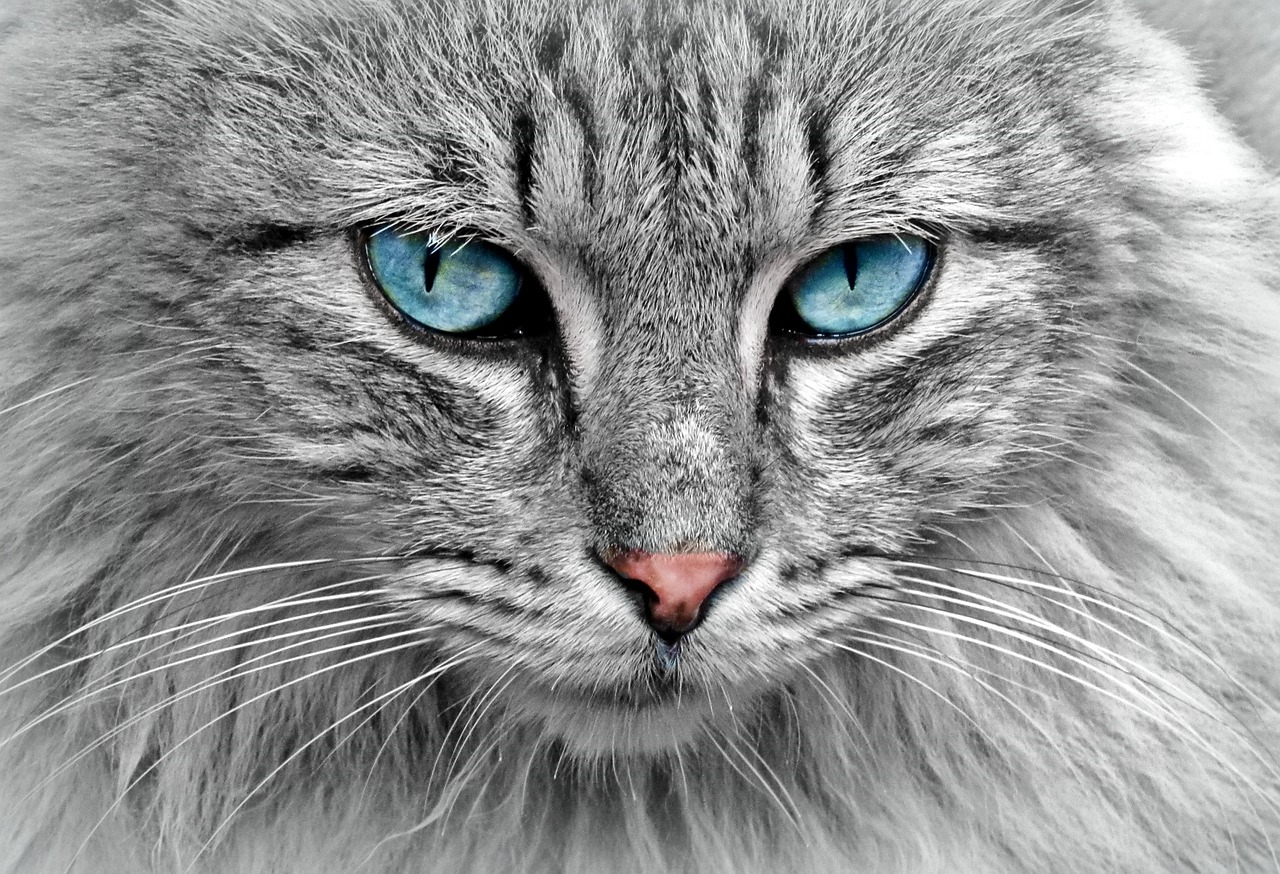
Protein Powerhouses: Top Sources for Your Cat’s Diet
When it comes to your feline friend’s diet, protein is essential for maintaining their overall health and well-being. Cats are obligate carnivores, which means they require a diet rich in protein to thrive. Providing your cat with high-quality sources of protein is crucial for their muscle development, immune function, and overall energy levels. In this article, we will discuss some of the top protein powerhouses that you can incorporate into your cat’s diet to ensure they are getting the nutrients they need to thrive.
1. Chicken
Chicken is a top protein source that is both lean and easily digestible for cats. It is packed with essential amino acids that are vital for your cat’s health. When feeding your cat chicken, be sure to remove any bones and skin before serving to prevent choking hazards and excess fat intake. You can offer your cat cooked, unseasoned chicken as a treat or mix it into their regular meals for a protein boost.
2. Turkey
Similar to chicken, turkey is another excellent protein source for cats. It is low in fat and high in protein, making it a healthy option for your furry friend. Turkey can be served cooked and shredded or diced into small pieces for your cat to enjoy. Just like with chicken, be sure to remove any bones and skin before serving.
3. Fish
Fish is a popular protein source for many cats and is packed with essential omega-3 fatty acids that promote healthy skin and coat. However, it is important to note that fish should not be the sole protein source in your cat’s diet, as it lacks certain essential nutrients that cats need to thrive. You can offer your cat small amounts of cooked fish as an occasional treat, but be cautious of mercury levels in certain types of fish.
4. Beef
Beef is a protein powerhouse that provides cats with essential amino acids and nutrients, such as iron and zinc. When feeding your cat beef, be sure to offer lean cuts to reduce excess fat intake. Cooked, unseasoned beef can be served to your cat in small amounts as a treat or mixed into their regular meals for added protein.
5. Eggs
Eggs are a versatile protein source that can be beneficial for cats. They are packed with essential amino acids and nutrients, such as vitamin D and selenium. You can offer your cat cooked eggs as a treat or mix them into their regular meals for a protein boost. Be sure to cook eggs thoroughly to avoid any risk of salmonella poisoning.
6. Dairy
Dairy products, such as cheese and yogurt, can be a good protein source for cats. However, some cats may be lactose intolerant, so it is important to monitor your cat’s reaction to dairy products. Cheese can be offered to your cat as an occasional treat, while plain yogurt can be mixed into their regular meals for added protein and probiotics.
7. Pork
Pork is another protein source that can be beneficial for cats when fed in moderation. It is rich in essential amino acids and nutrients, such as thiamine and riboflavin. Cooked, unseasoned pork can be served to your cat in small amounts as a treat or mixed into their regular meals for added protein.
8. Lamb
Lamb is a protein source that is rich in essential amino acids and nutrients, such as iron and vitamin B12. When feeding your cat lamb, be sure to offer lean cuts to reduce excess fat intake. Cooked, unseasoned lamb can be served to your cat in small amounts as a treat or mixed into their regular meals for added protein.
Conclusion
Protein is a crucial component of your cat’s diet and plays a vital role in their overall health and well-being. By incorporating high-quality sources of protein, such as chicken, turkey, fish, beef, eggs, dairy, pork, and lamb, into your cat’s diet, you can ensure they are getting the nutrients they need to thrive. Be sure to monitor your cat’s reaction to new protein sources and consult with your veterinarian if you have any concerns about their diet. With a balanced diet rich in protein, your cat can live a happy and healthy life.
It is important to note that while protein is essential for your cat’s diet, it should be complemented with a balanced mix of other nutrients, such as fats, carbohydrates, vitamins, and minerals. Consulting with your veterinarian to create a personalized nutrition plan for your cat is recommended to ensure they are receiving all the necessary nutrients for optimal health.


