
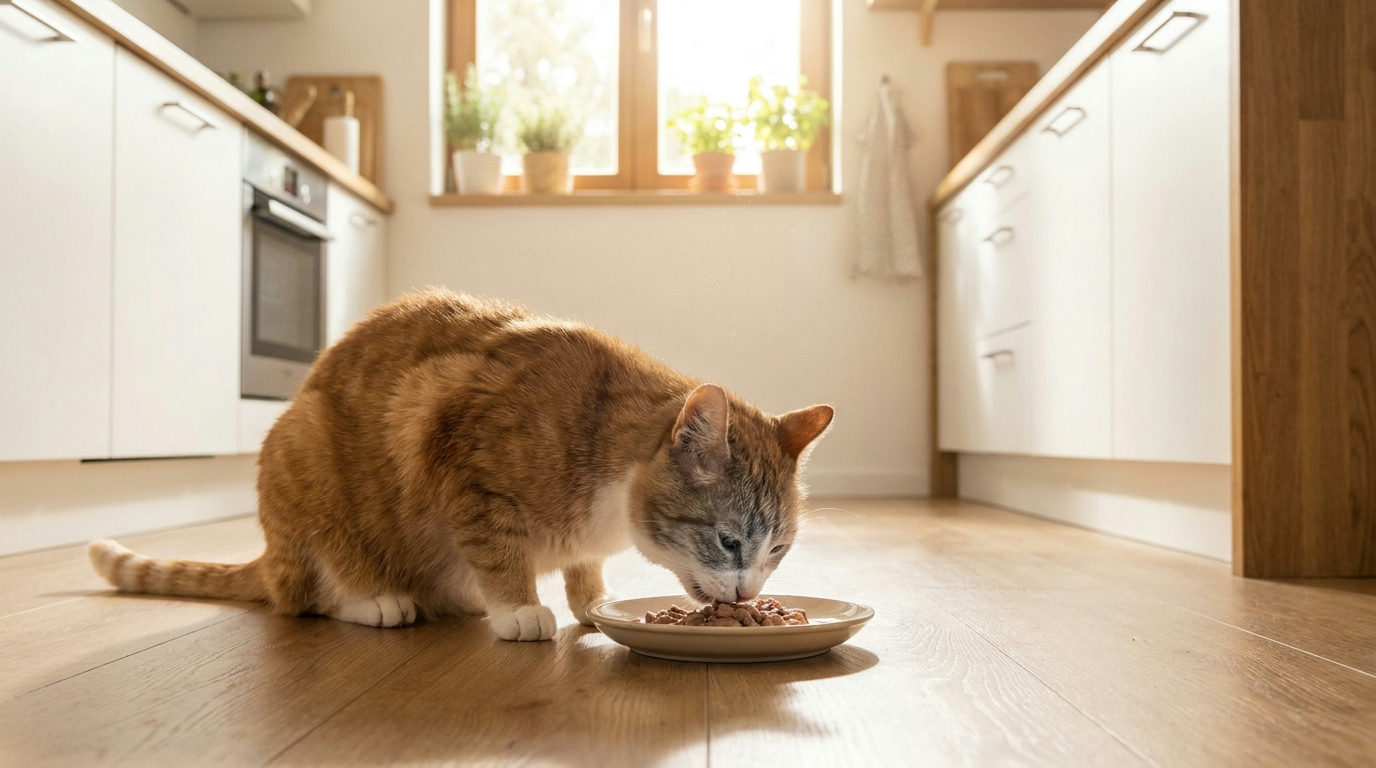
A diabetes diagnosis can feel overwhelming. The good news is that food is one of the tools your vet may use to help manage it. This guide explains the basics of a diabetic cat diet and how it fits into a vet-guided care plan.
Disclosure: Cat Nutrition Guide may earn a commission from qualifying purchases made through links on this page, at no extra cost to you.
Important: Diabetes needs veterinary care. Never change a diabetic cat’s food or insulin without talking to your vet first, since changes in diet can affect blood sugar quickly.
What Is Feline Diabetes?
Diabetes happens when the body cannot use sugar from food properly. In cats, it is often linked to insulin resistance, which may be influenced by excess weight and inactivity. Common signs include drinking more, urinating more, and losing weight despite a good appetite. The Cornell Feline Health Center offers a helpful overview.
Key Goals of a Diabetic Cat Diet
Your vet will tailor the plan, but most diets share a few aims. First, they help keep blood sugar more stable. Second, they support a healthy weight. Third, they protect lean muscle.
Lower Carbohydrates, Higher Protein
Many vets recommend a low-carbohydrate, high-protein diet for diabetic cats. This approach suits the cat’s carnivore biology. It may also help reduce blood sugar spikes after meals. Our article on feline macronutrient requirements explains why cats need protein.
Wet Food Options
Wet foods are often lower in carbohydrates than many dry foods. In addition, they add moisture. For this reason, vets frequently suggest canned diets. Some cats are prescribed a therapeutic food made for diabetes.
Weight Management
If your cat is overweight, slow and steady weight loss may improve how the body responds to insulin. However, fast weight loss is dangerous for cats. So, follow your vet’s plan closely. See our cat weight loss diet guide for background.
Feeding Routine for a Diabetic Cat Diet
Consistency matters a great deal. Cats on insulin are often fed at the same times each day, usually around their injections. Your vet will tell you whether to feed before or after insulin, and how much.
Also, keep treats to a minimum. If you use them, choose low-carb options your vet approves. Track how much your cat eats, because a skipped meal can affect how insulin should be given.
Warning Signs to Know
Low blood sugar can be an emergency. Signs may include weakness, wobbling, confusion, trembling, or seizures. If you see these, contact your vet or an emergency clinic right away. Likewise, call your vet if thirst or urination increase again.
Final Thoughts
To sum up, a diabetic cat diet is usually low in carbohydrates, high in protein, and fed on a steady schedule. It works together with insulin, monitoring, and regular vet visits. With a clear plan and close teamwork with your vet, many diabetic cats live comfortable lives.
This article is for general information only and is not a substitute for advice from a licensed veterinarian. Diabetes must be diagnosed and managed by a vet.


