
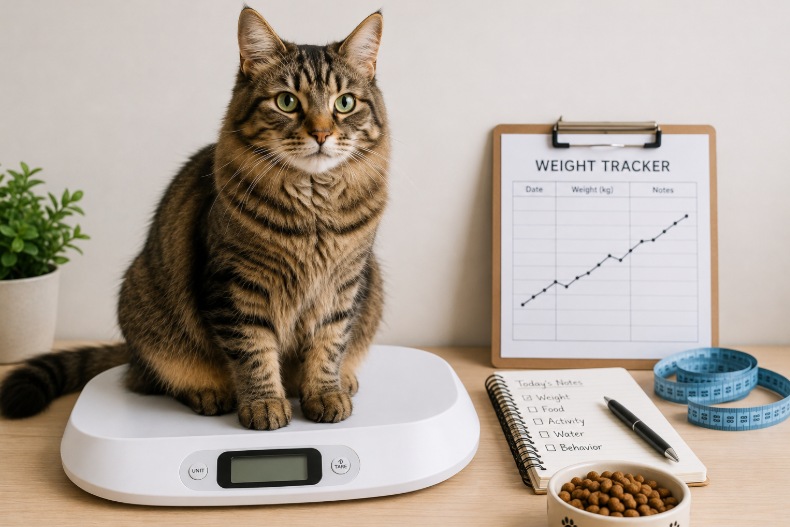
Maintaining a healthy weight is one of the most important factors in supporting a cat’s overall well-being. Whether your goal is weight loss, weight gain, or simply maintaining a healthy body condition, knowing how to track cat weight progress correctly can make a significant difference. Weight changes often occur gradually, which means small shifts may go unnoticed without a consistent monitoring routine. By tracking progress carefully, cat owners can identify trends early and make informed decisions about nutrition, exercise, and veterinary care.
Many health issues are linked to body weight. Excess weight can increase the risk of diabetes, arthritis, heart disease, and reduced mobility. On the other hand, unexpected weight loss may signal underlying medical concerns that require attention. Therefore, regular monitoring serves as an important part of preventive healthcare.
Some owners rely solely on visual observation. While appearance can provide useful clues, it is not always reliable. Long-haired breeds, including Maine Coons, may appear larger or smaller than they actually are because of their thick coats. Consequently, objective measurements provide a clearer picture of progress.
The good news is that tracking weight does not require expensive equipment or complicated procedures. With consistency and attention to detail, anyone can establish an effective monitoring routine at home.
Why Weight Tracking Matters More Than You Think
The ability to track cat weight progress accurately provides valuable information about a cat’s health. Weight often reflects how well nutrition, activity levels, and overall wellness are being managed. Even small changes can reveal important patterns before more obvious symptoms appear.
Cats are masters at hiding discomfort and illness. As a result, weight fluctuations may become one of the earliest signs that something is wrong. A gradual decline in weight could indicate dental problems, digestive disorders, thyroid disease, or other health concerns. Likewise, steady weight gain may suggest overfeeding, reduced activity, or metabolic changes.
Tracking weight also helps evaluate whether a nutrition plan is working. Many owners adjust food portions without measuring results consistently. However, regular monitoring allows you to determine whether changes are producing the desired outcome.
Veterinarians frequently use weight history to assess overall health. Accurate records provide context during examinations and help identify long-term trends. Therefore, keeping a detailed weight log can improve communication with your veterinarian and support better care decisions.
Rather than waiting for noticeable changes in appearance, proactive monitoring allows you to respond quickly when adjustments become necessary.
Establishing a Consistent Weighing Routine
A successful strategy to track cat weight progress begins with consistency. Random measurements provide limited value because weight naturally fluctuates from day to day. Regular weighing under similar conditions creates more meaningful data.
Most owners find weekly weigh-ins effective for routine monitoring. Cats undergoing weight-loss or weight-gain programs may benefit from more frequent measurements, depending on veterinary recommendations. Consistency matters more than frequency alone.
Choose the same time of day whenever possible. Weighing your cat before a meal often produces more consistent results than measuring at different times. Additionally, using the same scale each time helps reduce variation.
Many people use a household digital scale. One common method involves weighing yourself first, then weighing yourself while holding your cat. Subtracting your weight from the combined total provides an estimate of your cat’s weight. Pet scales offer greater precision, but standard digital scales work well for most households.
Recording each measurement immediately prevents errors and helps create a reliable history. Over time, these records reveal trends that would otherwise be difficult to detect.
Looking Beyond the Number on the Scale
While scale readings are important, successful efforts to track cat weight progress should include additional observations. Weight alone does not always tell the complete story.
Body condition scoring provides valuable insight into overall health. This system evaluates fat coverage, waist definition, and body shape. Veterinarians commonly use body condition scores alongside weight measurements because they provide a more comprehensive assessment.
For example, two cats may weigh the same amount yet have very different body compositions. One may carry excess fat, while the other maintains healthy muscle mass. Consequently, body condition often matters as much as the number itself.
Observing physical changes can also be helpful. Look for changes around the ribs, abdomen, and waistline. Healthy cats generally have a visible waist when viewed from above and a slight abdominal tuck when viewed from the side.
Energy levels, mobility, grooming habits, and appetite also provide useful context. Combining these observations with scale measurements creates a more complete picture of overall health.
Focusing solely on weight may overlook important changes that affect long-term wellness.
Using Weight Logs to Identify Trends
One of the most effective ways to track cat weight progress is by maintaining a dedicated weight log. This simple habit transforms individual measurements into meaningful information.
A notebook, spreadsheet, or mobile application can all serve as effective tracking tools. The specific format matters less than maintaining consistent records over time. Include dates, weights, feeding adjustments, and notable observations whenever possible.
Trend analysis helps reveal patterns that may not be obvious from isolated measurements. For instance, a cat may gain only a small amount of weight each week. Individually, these increases seem insignificant. However, over several months they can add up substantially.
Weight logs also help evaluate dietary changes. If you adjust portion sizes, introduce a new food, or increase activity levels, tracking results allows you to measure effectiveness objectively.
Additionally, documented records can be valuable during veterinary appointments. Accurate historical information often helps veterinarians identify underlying causes of weight changes more efficiently.
The more complete your records, the easier it becomes to make informed decisions about your cat’s health.
Monitoring Weight Loss Safely
Many owners begin to track cat weight progress because their cats need to lose weight. Although weight reduction can improve health significantly, it should occur gradually and safely.
Rapid weight loss is dangerous for cats. Unlike some animals, cats are vulnerable to serious liver complications when they lose weight too quickly. Therefore, gradual progress is always the preferred approach.
Weekly monitoring helps ensure that weight loss remains within appropriate limits. Small, consistent reductions are generally more sustainable and safer than dramatic changes. Veterinary guidance is especially important for overweight cats beginning structured weight-loss programs.
Portion control plays a central role in weight management. Measuring food accurately helps prevent unintentional overfeeding. Additionally, increased activity supports calorie expenditure and overall fitness.
Interactive toys, climbing structures, and play sessions can help encourage movement. Combining nutritional adjustments with physical activity often produces the best results.
Tracking progress consistently provides reassurance that efforts are moving in the right direction while helping identify potential problems early.
Supporting Healthy Weight Gain
Not every cat needs to lose weight. Some require additional support to gain weight safely. In these cases, learning to track cat weight progress becomes equally important.
Weight gain goals often apply to underweight cats recovering from illness, stress, or nutritional deficiencies. Senior cats may also require careful monitoring because age-related changes sometimes contribute to weight loss.
Gradual progress remains important. Rapid increases may indicate fluid retention or other concerns rather than healthy weight gain. Therefore, regular monitoring helps distinguish between healthy improvements and potential problems.
Nutrient-dense foods often play a key role in weight-gain plans. Veterinary recommendations help ensure that increased calorie intake remains balanced and appropriate.
Appetite monitoring becomes especially valuable during weight-gain efforts. Changes in eating behavior can provide early clues about whether a strategy is working effectively.
As with weight loss, consistency and patience are essential. Healthy weight gain often occurs gradually, making careful record-keeping particularly valuable.
Common Mistakes When Tracking Weight
Even well-intentioned owners sometimes make mistakes while trying to track cat weight progress. Fortunately, most of these issues are easy to avoid once recognized.
One common mistake is weighing inconsistently. Measurements taken at different times, on different scales, or under different conditions can produce confusing results. Establishing a routine helps minimize this problem.
Another issue involves focusing too heavily on short-term fluctuations. Small changes often occur naturally and do not necessarily indicate meaningful trends. Looking at long-term patterns provides more useful information.
Some owners rely exclusively on visual assessment. While appearance matters, thick coats and body shape variations can make visual evaluations unreliable. Objective measurements remain essential.
Failure to record data is another frequent challenge. Many people remember recent measurements but lose track of long-term patterns. Written records eliminate this problem and improve accuracy.
Finally, ignoring associated health indicators can limit understanding. Weight should always be considered alongside appetite, activity, behavior, and overall physical condition.
Avoiding these mistakes makes monitoring efforts more accurate and effective.
Working With Your Veterinarian
Although home monitoring is valuable, professional guidance remains an important part of any plan to track cat weight progress. Veterinarians provide expertise that helps interpret results and identify underlying concerns.
Routine wellness examinations offer opportunities to compare home measurements with professional assessments. Veterinarians can evaluate body condition, muscle mass, and overall health while reviewing weight history.
If significant weight changes occur unexpectedly, prompt veterinary evaluation is recommended. Sudden loss or gain may indicate medical conditions that require attention. Early diagnosis often improves outcomes and expands treatment options.
Veterinary professionals can also recommend appropriate calorie targets, feeding strategies, and weight-management plans tailored to individual cats. Personalized guidance often produces better results than generic recommendations.
Collaboration between owners and veterinarians creates a stronger foundation for long-term health. Accurate tracking data enhances these discussions and supports more informed decision-making.
By combining home monitoring with professional care, owners gain the tools needed to manage weight effectively throughout every stage of life.
Conclusion
Learning how to track cat weight progress correctly is one of the most valuable skills a cat owner can develop. Consistent monitoring provides early insight into health changes, supports effective weight management, and helps prevent minor concerns from becoming serious problems. Rather than relying on visual observation alone, combining regular weigh-ins with body condition assessments creates a more complete understanding of overall wellness.
Successful tracking depends on consistency, accurate record-keeping, and attention to long-term trends. Whether your goal is maintaining a healthy weight, supporting safe weight loss, or encouraging healthy weight gain, careful monitoring provides the information needed to make informed decisions. When paired with proper nutrition, regular exercise, and veterinary guidance, effective weight tracking can help your cat enjoy a healthier, more active, and more comfortable life for years to come.
FAQ
1. How often should I weigh my cat?
Weekly weigh-ins work well for most cats and provide enough data to identify meaningful trends.
2. What is the easiest way to weigh a cat at home?
Use a digital scale. Weigh yourself first, then weigh yourself while holding your cat and subtract the difference.
3. Can body condition be more important than weight?
Yes. Body condition scoring helps assess fat levels and muscle mass, providing information that weight alone cannot reveal.
4. What should I do if my cat loses weight unexpectedly?
Contact your veterinarian promptly because unexpected weight loss can indicate an underlying medical issue.
5. Why should I keep a weight log?
A weight log helps identify trends, evaluate dietary changes, and provide useful information during veterinary visits.


