
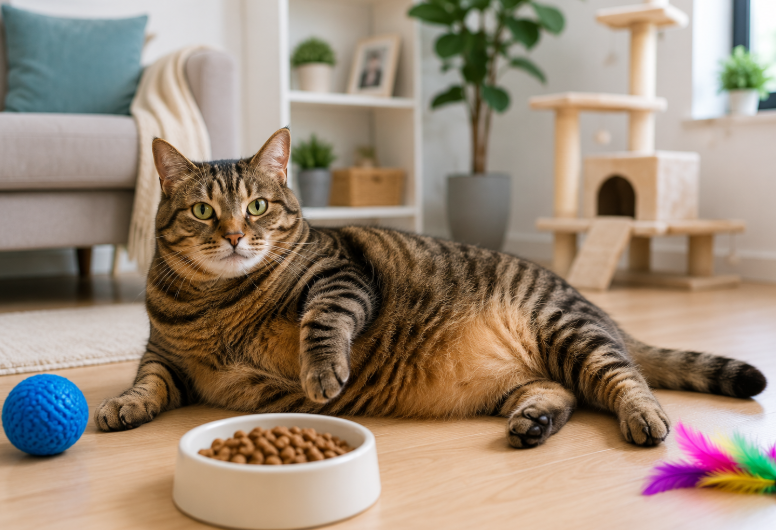
Modern cats are living indoors more than ever before, and Indoor Cat Weight Health has become a growing concern for pet owners worldwide. While indoor living protects cats from traffic, predators, and outdoor diseases, it also creates new challenges related to physical activity, diet, and mental stimulation. As a result, many indoor cats struggle with obesity, boredom, and long-term health problems that can shorten their lifespan.
Indoor cats often enjoy safer and more comfortable lives compared to outdoor pets. However, comfort sometimes leads to inactivity. Without natural hunting behaviors and outdoor exploration, many cats burn fewer calories daily. Consequently, weight gain becomes much more common in indoor environments.
Diet also plays a major role. Many owners unknowingly overfeed their cats or provide calorie-dense treats too frequently. Combined with limited exercise, these habits increase the risk of obesity and related medical conditions. Therefore, maintaining a healthy indoor lifestyle requires more attention than many people initially expect.
Veterinarians continue warning about the rise in feline obesity because excess weight affects nearly every aspect of a cat’s well-being. Understanding how indoor living changes feline behavior and metabolism is essential for helping cats live healthier and happier lives.
Why Indoor Cats Gain Weight More Easily
Cats naturally evolved as hunters. In outdoor environments, they spend time climbing, stalking prey, running, and exploring territory. These activities burn energy consistently throughout the day. Indoor environments, however, often limit those opportunities significantly.
Most indoor cats spend large portions of the day sleeping or resting. Although cats naturally sleep often, indoor lifestyles can reduce physical movement even further. Consequently, calorie expenditure decreases while food intake frequently remains unchanged.
Portion control also creates challenges for many owners. Some people leave food available constantly because they believe cats self-regulate naturally. While some cats manage this well, others overeat due to boredom or habit. As a result, gradual weight gain becomes difficult to notice until obesity develops.
Treats contribute to the problem as well. Many commercial cat treats contain high calorie levels despite their small size. Owners may offer treats frequently for affection or training without realizing how quickly calories accumulate.
Indoor Cat Weight Health concerns increase further after spaying or neutering. Hormonal changes can slow metabolism and increase appetite in some cats. Therefore, calorie management becomes even more important after these procedures.
Age also affects activity levels. Older indoor cats naturally become less active over time. Without dietary adjustments or exercise support, weight gain often develops gradually during adulthood and senior years.
The Hidden Health Risks of Feline Obesity
Excess weight affects far more than physical appearance. Obesity places additional strain on nearly every body system in cats. Consequently, overweight cats face increased risks of serious medical conditions throughout their lives.
Diabetes is one of the most common obesity-related diseases in indoor cats. Extra body fat reduces insulin sensitivity, making blood sugar regulation more difficult. As a result, diabetic cats may require lifelong treatment and monitoring.
Joint problems also become more severe with added weight. Extra pounds place pressure on hips, knees, and the spine. Therefore, overweight cats often experience pain, stiffness, and reduced mobility as they age.
Heart and respiratory health may suffer as well. Obesity forces the cardiovascular system to work harder while reducing overall stamina. Many overweight cats tire more easily during play or movement.
Liver disease presents another major concern. Rapid weight gain or sudden weight loss in obese cats can trigger hepatic lipidosis, a potentially life-threatening liver condition. Because of this risk, healthy weight management remains extremely important.
Indoor Cat Weight Health problems can also affect grooming habits. Overweight cats sometimes struggle to reach certain body areas properly. Consequently, skin infections, matting, and poor coat condition may develop over time.
Mental health often suffers too. Less active cats may become bored, stressed, or less socially engaged. Therefore, obesity affects both physical and emotional well-being simultaneously.
How Indoor Living Changes Cat Behavior
Indoor lifestyles influence feline behavior in several important ways. Outdoor cats naturally encounter changing environments, scents, sounds, and challenges daily. Indoor cats, however, often experience repetitive routines and limited stimulation.
Without enough mental engagement, many indoor cats develop boredom-related behaviors. Some overeat simply because food becomes their primary source of stimulation. Others may sleep excessively, vocalize frequently, or show signs of anxiety.
Hunting instincts remain strong even in domesticated cats. In outdoor settings, hunting provides exercise and mental satisfaction. Indoor cats rarely have opportunities to express these natural behaviors unless owners actively encourage interactive play.
Stress can also influence eating patterns. Some cats eat more during periods of anxiety or environmental changes. Consequently, emotional factors sometimes contribute to weight gain in addition to inactivity.
Indoor Cat Weight Health management requires understanding these behavioral differences. Exercise alone is not enough. Cats also need enrichment activities that stimulate curiosity and natural instincts.
Window perches, climbing trees, puzzle feeders, and interactive toys help create more engaging environments. Because mental stimulation reduces boredom, many cats become more active naturally when their environment improves.
Routine matters greatly as well. Cats generally feel more secure when feeding, playtime, and rest happen consistently. Structured routines often help regulate appetite and encourage healthier habits.
The Importance of Proper Nutrition
Nutrition plays a critical role in feline weight management. Indoor cats usually require fewer calories than outdoor cats because they expend less energy daily. However, many owners continue feeding portions designed for more active lifestyles.
Reading food labels carefully is essential. Some commercial cat foods contain excessive carbohydrates or fillers that contribute to unnecessary weight gain. High-quality protein sources generally support healthier body composition and energy levels.
Portion control remains one of the most effective strategies for preventing obesity. Measuring meals accurately helps avoid accidental overfeeding. Additionally, scheduled feeding times allow owners to monitor appetite changes more effectively.
Wet food often benefits indoor cats because it contains higher moisture levels and may help cats feel fuller longer. Hydration also supports urinary tract health, which is especially important for indoor cats.
Indoor Cat Weight Health improves when owners avoid relying heavily on treats. Instead, affection, playtime, and positive attention can reward cats without adding extra calories unnecessarily.
Veterinary guidance becomes important when choosing specialized diets. Some indoor cats require weight-control formulas or prescription foods designed to support metabolism and joint health. Therefore, personalized nutrition plans often produce better long-term results.
Gradual dietary changes work best. Sudden food changes may upset digestion or cause cats to reject meals entirely. Slow transitions help cats adapt more comfortably while reducing stress.
Why Exercise Matters for Indoor Cats
Exercise supports far more than weight control. Physical activity helps maintain muscle tone, supports cardiovascular health, and reduces stress levels in indoor cats. Unfortunately, many cats do not receive enough daily exercise inside typical homes.
Interactive play remains one of the best solutions. Toys that mimic prey movements encourage stalking, jumping, and chasing behaviors naturally. As a result, cats burn calories while satisfying hunting instincts simultaneously.
Laser pointers, feather wands, and motorized toys often increase activity levels effectively. However, owners should allow cats to “catch” physical toys sometimes to avoid frustration.
Vertical space also encourages movement. Cat trees, shelves, and climbing structures motivate cats to jump and explore more frequently. Consequently, indoor environments become more physically stimulating.
Short play sessions throughout the day often work better than one long session. Cats naturally prefer bursts of activity followed by rest periods. Therefore, multiple interactive sessions usually feel more natural and sustainable.
Indoor Cat Weight Health improves significantly when exercise becomes part of daily routines. Even moderate increases in activity can help prevent obesity and improve emotional well-being over time.
Some cats also enjoy leash training or enclosed outdoor patios called “catios.” These options provide fresh air and sensory stimulation while maintaining safety. As a result, owners can combine indoor protection with controlled outdoor enrichment.
How Owners Can Create a Healthier Indoor Lifestyle
Creating a healthy indoor lifestyle requires balancing safety, nutrition, exercise, and mental stimulation. Fortunately, small adjustments often produce meaningful improvements in feline health and behavior.
Food puzzles encourage cats to work for meals rather than eating passively. These devices slow eating while stimulating natural hunting instincts. Consequently, cats remain mentally engaged while consuming fewer calories more gradually.
Rotating toys regularly helps prevent boredom as well. Cats often lose interest in the same toys over time. However, introducing new textures and movements renews curiosity and activity levels.
Monitoring body condition is extremely important. Weight gain often happens gradually, making it difficult for owners to notice immediately. Regular veterinary checkups help identify problems before they become severe.
Indoor Cat Weight Health management also benefits from family consistency. Everyone in the household should follow the same feeding rules and treat limits. Otherwise, accidental overfeeding becomes much more likely.
Hydration deserves attention too. Many indoor cats drink insufficient water, especially if they eat mostly dry food. Water fountains often encourage better hydration because moving water appeals naturally to many cats.
Environmental comfort matters as well. Cats need safe resting areas, quiet spaces, and opportunities to observe their surroundings. Balanced environments support emotional stability while reducing stress-related behaviors.
The Long-Term Benefits of Healthy Indoor Living
Despite the challenges, indoor living still offers significant health advantages when managed properly. Indoor cats generally face lower risks of accidents, infections, parasites, and predator attacks compared to outdoor cats.
With proper care, indoor cats often live longer lives. However, longevity depends heavily on maintaining healthy weight and activity levels. Obesity can reduce many of the safety advantages indoor living provides.
Healthy indoor cats usually enjoy better mobility, improved energy, and stronger immune function. They also tend to experience fewer chronic diseases associated with excess weight.
Indoor Cat Weight Health improvements often produce noticeable behavioral benefits too. Active cats usually appear more playful, social, and emotionally balanced. Consequently, healthier lifestyles strengthen the bond between cats and owners.
Preventive care remains extremely important throughout a cat’s life. Regular veterinary visits, nutritional adjustments, and environmental enrichment help support long-term wellness consistently.
The future of indoor feline care will likely focus even more on enrichment and preventive health strategies. As awareness grows, more owners recognize that indoor safety alone is not enough. Cats also need physical activity, mental stimulation, and balanced nutrition to thrive fully.
Conclusion
Indoor living has transformed the lives of modern cats, offering greater safety and comfort than outdoor environments in many cases. However, Indoor Cat Weight Health concerns continue increasing because inactivity, overfeeding, and limited stimulation create new challenges for feline wellness.
Obesity affects nearly every aspect of a cat’s health, from joint function and diabetes risk to emotional well-being and lifespan. Fortunately, many of these problems are preventable through proper nutrition, regular exercise, and environmental enrichment.
Owners play the most important role in maintaining healthy indoor lifestyles. Structured feeding routines, interactive play, climbing opportunities, and mental stimulation all contribute to healthier and happier cats.
Indoor living itself is not harmful. In fact, it often supports longer life expectancy when managed correctly. The key is creating an environment that supports both physical movement and emotional satisfaction.
Healthy indoor cats can enjoy long, active, and fulfilling lives when owners understand their unique needs. With proper attention and care, indoor environments can provide both safety and excellent overall wellness for feline companions.
FAQ
1. Why do indoor cats become overweight more easily?
Indoor cats usually burn fewer calories because they have less space and fewer opportunities for natural physical activity.
2. How often should cats exercise daily?
Most cats benefit from several short interactive play sessions throughout the day to support healthy movement and mental stimulation.
3. Are treats harmful for house cats?
Treats are safe in moderation, but excessive treats can contribute to obesity and poor nutrition over time.
4. What are signs of obesity in cats?
Common signs include difficulty grooming, reduced activity, visible fat deposits, and trouble jumping or climbing.
5. Can indoor cats still live long healthy lives?
Yes. With proper diet, exercise, enrichment, and veterinary care, indoor cats often live longer and healthier lives than outdoor cats.


