
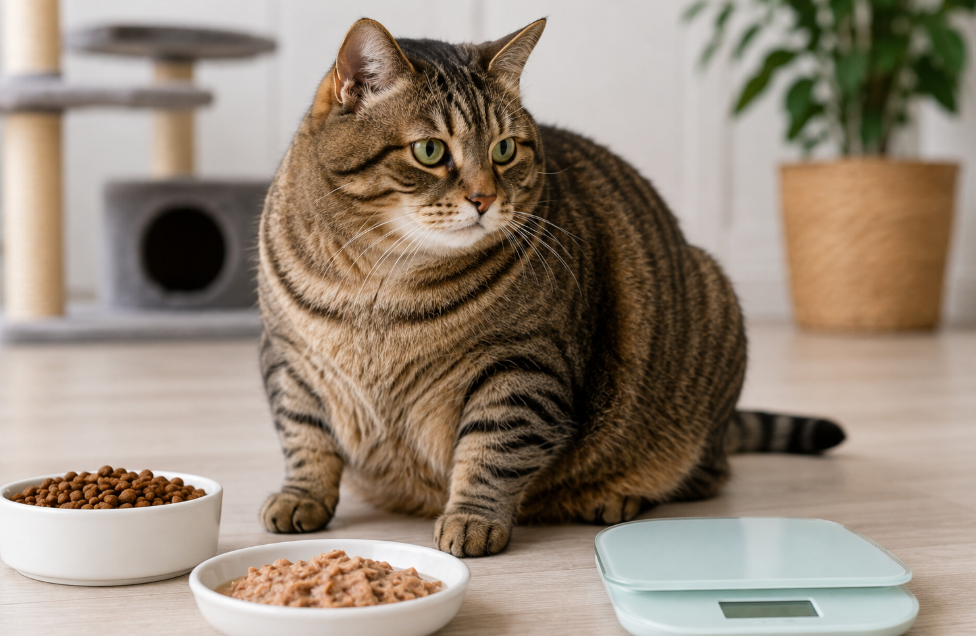
Helping an overweight cat lose weight takes patience, consistency, and the right nutritional approach. Many owners do not notice gradual weight gain until their cat struggles to jump, groom properly, or stay active. Fortunately, a proper diet plan overweight cat owners can follow safely often improves mobility, energy, and overall health over time.
Weight gain in cats usually develops from a combination of overeating, low activity levels, excessive treats, and inconsistent feeding habits. Indoor cats face an even greater risk because they often spend long hours resting with limited opportunities for exercise. Although chubby cats may appear cute, excess weight can increase the risk of diabetes, arthritis, heart strain, and digestive problems.
The good news is that healthy weight loss does not require extreme dieting or complicated feeding schedules. Small adjustments made consistently often create the best long-term results. Portion control, high-quality nutrition, hydration, and daily activity all work together to support healthier body condition.
Because rapid weight loss can be dangerous for cats, gradual progress always matters more than quick results. Understanding how nutrition affects feline metabolism helps owners create safer and more effective routines that support steady improvement.
Why Cats Become Overweight So Easily
Cats naturally conserve energy, especially when living indoors. Without regular physical activity, calorie intake often exceeds energy use, which gradually leads to weight gain. Many owners unintentionally overfeed their cats because portion sizes appear small compared to human meals.
Free-feeding remains one of the most common causes of obesity. When dry food stays available all day, many cats snack frequently out of boredom instead of hunger. Over time, those extra calories accumulate quickly.
Treats also contribute more calories than many people realize. Small snacks given repeatedly throughout the day may significantly increase daily intake without owners noticing. In addition, many commercial treats contain high fat or carbohydrate levels that add unnecessary calories.
Age influences metabolism too. Older cats often become less active while still consuming similar portions. Consequently, their calorie needs decrease even though their appetite may remain strong.
Certain medical conditions may contribute to weight gain as well. Hormonal imbalances, joint pain, and limited mobility sometimes reduce activity levels significantly. Because of this, veterinary checkups remain important before beginning any major weight loss program.
Understanding these causes helps owners build a realistic diet plan overweight cat households can maintain consistently without relying on unhealthy restrictions.
How Extra Weight Affects Feline Health
Excess body weight places significant stress on a cat’s body. Although some cats appear comfortable despite carrying extra pounds, obesity often affects internal health long before visible symptoms develop.
Joint strain becomes especially common. Overweight cats place additional pressure on their hips, knees, and spine, which may reduce mobility and increase arthritis risk. As movement becomes more uncomfortable, activity levels often decrease further, creating a difficult cycle.
Diabetes risk rises substantially in overweight cats. Excess fat may interfere with insulin regulation and blood sugar control. Managing feline diabetes often requires lifelong monitoring, dietary adjustments, and medication.
Heart and respiratory strain may also develop. Carrying excess weight forces the body to work harder during basic movement and daily activity. Consequently, overweight cats sometimes tire more easily or avoid exercise altogether.
Grooming problems frequently appear as well. Cats with obesity may struggle to reach certain areas while cleaning themselves. This can lead to matted fur, skin irritation, and poor coat condition.
Digestive issues may become more common too. Overfeeding often disrupts digestion and contributes to poor stool quality or vomiting.
A carefully managed diet plan overweight cat owners implement gradually can reduce these risks while improving comfort, mobility, and long-term wellness.
Choosing the Right Food for Weight Loss
Not all cat foods support healthy weight reduction equally well. Choosing the right formula makes a major difference because nutrition quality affects appetite, muscle maintenance, and energy levels.
High-protein diets usually work best for overweight cats. Cats are obligate carnivores, which means they require animal-based protein to maintain lean muscle mass. Protein-rich foods also help cats feel fuller for longer periods.
Wet food often provides advantages during weight loss. Because canned food contains higher moisture levels and fewer calories per volume, cats may feel more satisfied while consuming fewer calories overall. In addition, wet food supports hydration, which benefits digestion and kidney health.
Some commercial weight management formulas include additional fiber to increase fullness between meals. However, ingredient quality still matters more than marketing claims alone. Owners should look for foods with real animal protein as the primary ingredient.
Dry food can still work when portioned carefully, but calorie density often makes overfeeding easier. Measuring servings accurately becomes especially important when using kibble-based diets.
Treats should remain limited during weight loss efforts. Instead of frequent snacks, owners can use small portions of regular meals as rewards during play or training sessions.
Selecting the right nutrition creates the foundation for a successful diet plan overweight cat owners can maintain safely and consistently.
Portion Control and Feeding Schedules
Portion control remains one of the most important factors in feline weight management. Even healthy food may contribute to obesity when portions exceed calorie needs.
Measuring meals accurately helps eliminate guesswork. Many owners unintentionally overfeed because serving sizes look too small visually. Digital kitchen scales or measuring cups improve consistency and support more reliable calorie control.
Scheduled meals generally work better than free-feeding. Most adult cats do well with two or three measured meals each day. Predictable feeding schedules help regulate appetite while making intake easier to monitor.
Smaller, more frequent meals may benefit some overweight cats because they reduce hunger between feedings. In addition, consistent meal timing often decreases begging behavior over time.
Rapid calorie restriction should always be avoided. Cats can develop serious liver complications if they lose weight too quickly or stop eating suddenly. Therefore, gradual reductions guided by a veterinarian remain safest.
Monitoring body condition regularly helps track progress. Healthy weight loss usually occurs slowly and steadily rather than dramatically. Small improvements often produce lasting results without unnecessary health risks.
A structured diet plan overweight cat owners follow carefully should focus on consistency rather than aggressive restrictions.
Increasing Activity Alongside Better Nutrition
Diet alone may not provide the best results if cats remain inactive throughout the day. Exercise helps burn calories, strengthen muscles, and improve mental stimulation during weight loss efforts.
Interactive toys encourage movement naturally. Feather wands, laser toys, and rolling balls help activate hunting instincts while increasing daily activity. Short play sessions performed several times daily often work better than one long session.
Climbing spaces support exercise too. Cat trees, shelves, and window perches encourage jumping and exploration, which improves mobility and burns additional energy.
Puzzle feeders can make mealtime more active as well. These devices encourage cats to work for food rather than eating passively from bowls. Consequently, cats often eat more slowly and stay mentally stimulated longer.
Rotation keeps toys interesting. Many cats lose interest when the same toys remain available constantly. Switching options regularly helps maintain curiosity and engagement.
Owners should also consider environmental enrichment. Watching birds through windows, exploring tunnels, and interacting with scratching posts may encourage more movement throughout the day.
Combining exercise with a healthy diet plan overweight cat households maintain consistently often produces safer and more effective weight reduction.
Avoiding Common Weight Loss Mistakes
Many owners unintentionally make mistakes while trying to help their cats slim down. Although these efforts usually come from good intentions, certain habits may slow progress or create health risks.
One common mistake involves reducing food too aggressively. Sudden starvation-style dieting can harm cats seriously because their bodies do not tolerate rapid calorie restriction well. Slow and controlled adjustments remain much safer.
Another issue involves inconsistent feeding. Extra snacks, table scraps, or unmeasured treats may undermine progress even when meals appear carefully portioned.
Using only low-calorie foods without considering protein quality can also create problems. Cats need sufficient protein to maintain muscle mass during weight loss. Therefore, balanced nutrition matters more than simply lowering calories.
Ignoring hydration sometimes affects progress too. Cats that consume mostly dry food may not drink enough water naturally. Wet food often supports hydration while helping cats feel fuller.
Owners may also become discouraged if results appear slow. However, gradual progress is healthier and more sustainable than rapid weight reduction. Patience remains extremely important during feline weight management.
Finally, comparing cats unfairly can create unrealistic expectations. Every cat loses weight at a different pace depending on age, activity level, metabolism, and overall health.
Avoiding these mistakes helps strengthen any diet plan overweight cat owners use while supporting safer and healthier long-term success.
Monitoring Progress Safely
Weight management works best when owners track progress carefully over time. Regular monitoring allows small adjustments before problems become serious.
Weekly weigh-ins often provide useful insight. Small digital pet scales or veterinary clinic visits can help track gradual changes accurately. Healthy weight loss usually appears slowly, so consistent monitoring matters more than dramatic short-term results.
Body condition scoring also helps evaluate improvement. Owners should gradually notice a more visible waistline and easier rib detection without excessive fat covering.
Behavioral changes may reveal positive progress too. Cats often become more playful, active, and mobile as weight decreases. Grooming habits may improve as movement becomes easier and more comfortable.
Appetite monitoring remains important as well. Excessive hunger, vomiting, or refusal to eat may indicate the need for dietary adjustments or veterinary guidance.
Veterinary support becomes especially valuable during longer weight loss programs. Regular checkups help ensure cats maintain muscle mass and receive adequate nutrition throughout the process.
Safe progress should always take priority over speed. A carefully monitored diet plan overweight cat owners maintain patiently usually creates healthier and longer-lasting results.
Supporting Emotional Health During Weight Loss
Weight loss should never create unnecessary stress for cats. Emotional well-being strongly affects appetite, behavior, and overall health. Therefore, routines should remain calm and predictable throughout the process.
Cats thrive on consistency. Feeding meals at regular times helps reduce anxiety and creates a stronger sense of routine. Predictable schedules may also decrease begging behavior over time.
Attention and play help replace food-focused habits. Some cats seek snacks mainly because they associate food with comfort or interaction. Increasing affection and play sessions may reduce emotional dependence on treats.
Food puzzles can also provide mental stimulation during reduced calorie intake. These activities keep cats occupied longer while encouraging natural hunting behavior.
Multi-cat homes sometimes require additional care. Overweight cats may need separate feeding areas to prevent food stealing or stress during meals. Calm feeding environments improve comfort and intake monitoring.
Owners should avoid punishment or frustration if progress slows. Cats respond far better to gentle consistency than negative reactions. Positive routines support healthier emotional adjustment during dietary changes.
A balanced diet plan overweight cat owners follow should protect emotional health alongside physical wellness.
Long-Term Maintenance After Weight Loss
Helping a cat reach a healthier weight is only the beginning. Maintaining those results requires continued attention to nutrition, portion control, and activity levels.
Many cats regain weight when old habits return. Therefore, consistent meal measurement should continue even after goal weight is achieved. Free-feeding often leads to gradual weight regain over time.
Exercise should remain part of daily life as well. Continued play sessions help maintain muscle tone, mobility, and calorie balance.
Routine veterinary visits support long-term success too. Regular health monitoring helps identify changes before major weight gain returns.
Treat moderation remains important during maintenance. Occasional rewards are perfectly acceptable, but treats should stay balanced within total calorie intake.
Owners often notice lasting behavioral improvements once cats achieve healthier body condition. Increased activity, easier grooming, and stronger engagement frequently continue long after weight loss goals are reached.
The most effective diet plan overweight cat households maintain becomes part of a consistent lifestyle rather than a temporary fix.
Conclusion
Helping an overweight cat slim down safely requires patience, structure, and thoughtful nutritional choices. While obesity creates serious health risks, gradual weight loss often improves mobility, energy, comfort, and overall quality of life.
Balanced nutrition, portion control, hydration, and daily activity all contribute to healthier progress. In addition, regular monitoring and veterinary guidance help ensure weight loss remains safe and sustainable over time.
Quick fixes rarely create lasting results for cats. Instead, small changes maintained consistently usually produce the healthiest outcomes. By building better routines and focusing on long-term wellness, owners can help their cats enjoy more active and comfortable lives.
A carefully managed diet plan overweight cat owners commit to patiently can transform both physical health and daily happiness for years to come.
FAQ
1. How fast should cats lose weight safely?
Cats should lose weight gradually because rapid weight loss may cause serious liver complications.
2. Is wet food better for overweight cats?
Wet food often supports hydration and may help cats feel fuller with fewer calories.
3. How many meals should overweight cats eat daily?
Most overweight cats do well with two or three measured meals each day.
4. Can exercise really help indoor cats lose weight?
Yes, daily play and climbing activities help burn calories and improve muscle strength.
5. Should treats be completely removed during weight loss?
Treats can still be offered occasionally, but they should remain limited and carefully portioned.


